
Storm Surge Cleanup: Safety Steps Before Entering a Florida Home
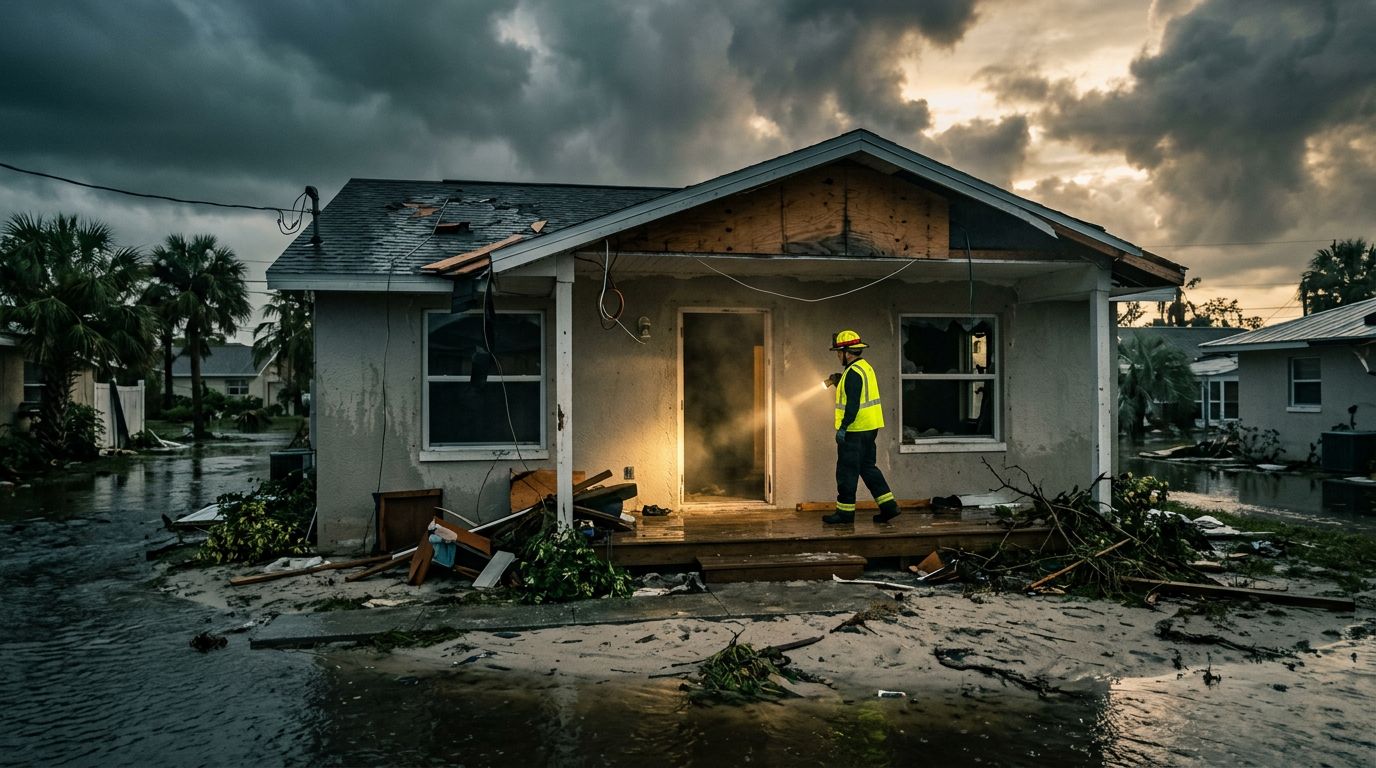
Storm surge can leave a Florida home looking familiar while hiding dangerous damage behind the walls, floors, and electrical system. Saltwater, sewage, fuel, sharp debris, unstable structures, and live power can turn a quick inspection into an emergency.
Don’t enter until local officials say the area is safe. After clearance, inspect from the outside first, keep away from standing water near electrical systems, and leave immediately if you smell gas or see structural damage. Safe cleanup starts with knowing when not to go inside.
Key Takeaways
- Wait for local emergency officials and utility providers to approve re-entry.
- Treat storm surge water as contaminated, especially if it entered through a garage, crawl space, or living area.
- Leave immediately for gas odors, downed lines, electrical hazards, unstable walls, or a damaged roof.
- Photograph damage from a safe location before moving contents or beginning cleanup.
- Use licensed professionals for electrical, gas, structural, sewage, asbestos, and extensive mold hazards.
Wait for Official Re-Entry Clearance
A familiar street doesn’t mean a home is safe. Flooded roads may hide sinkholes, washed-out shoulders, open storm drains, downed wires, and unstable trees. Emergency crews may also restrict access while they inspect bridges, utilities, and neighborhoods.
Follow instructions from your county emergency management office, fire department, law enforcement, and utility providers. The Florida Division of Emergency Management hurricane guidance provides preparedness and recovery information for residents. FEMA also advises people to avoid floodwater and wait for officials before returning to a flooded property. Its flood safety guidance is useful when deciding whether travel and re-entry are safe.
Before leaving for the property, check:
- Whether local officials have opened the neighborhood
- Whether roads and bridges are passable
- Whether the electric utility has inspected or disconnected the area
- Whether a boil-water notice or other public health warning applies
- Whether you have a working phone, flashlight, charged batteries, and a way to leave quickly
Don’t take children or pets inside during the first inspection. Keep them away from floodwater, soaked materials, chemical containers, and damaged appliances. If authorities haven’t cleared the property, photograph the exterior from a safe public area and wait.
A locked door does not protect you from an energized wire, contaminated water, or a weakened wall. Official clearance comes before property recovery.
Inspect the Exterior Before Opening the Door
Start outside and walk around only if the ground is stable. Avoid yards with standing water, loose tree limbs, broken glass, displaced utility equipment, and exposed pipes. Storm surge can move heavy objects and leave debris in places that weren’t flooded before.
Look for signs that the structure may have shifted:
- New cracks in the foundation, block walls, stucco, or brick
- Leaning walls, porches, stairs, chimneys, or carports
- A roof that sags or has missing sections
- Doors and windows that are suddenly difficult to open
- Broken gas lines, damaged tanks, or strong chemical odors
- Water lines that reach electrical panels, meters, outlets, or exterior equipment
Don’t enter if the home has moved off its foundation or if any portion appears unstable. Don’t walk beneath a damaged roof, balcony, or ceiling. Contact the fire department, building officials, or a licensed structural professional instead.
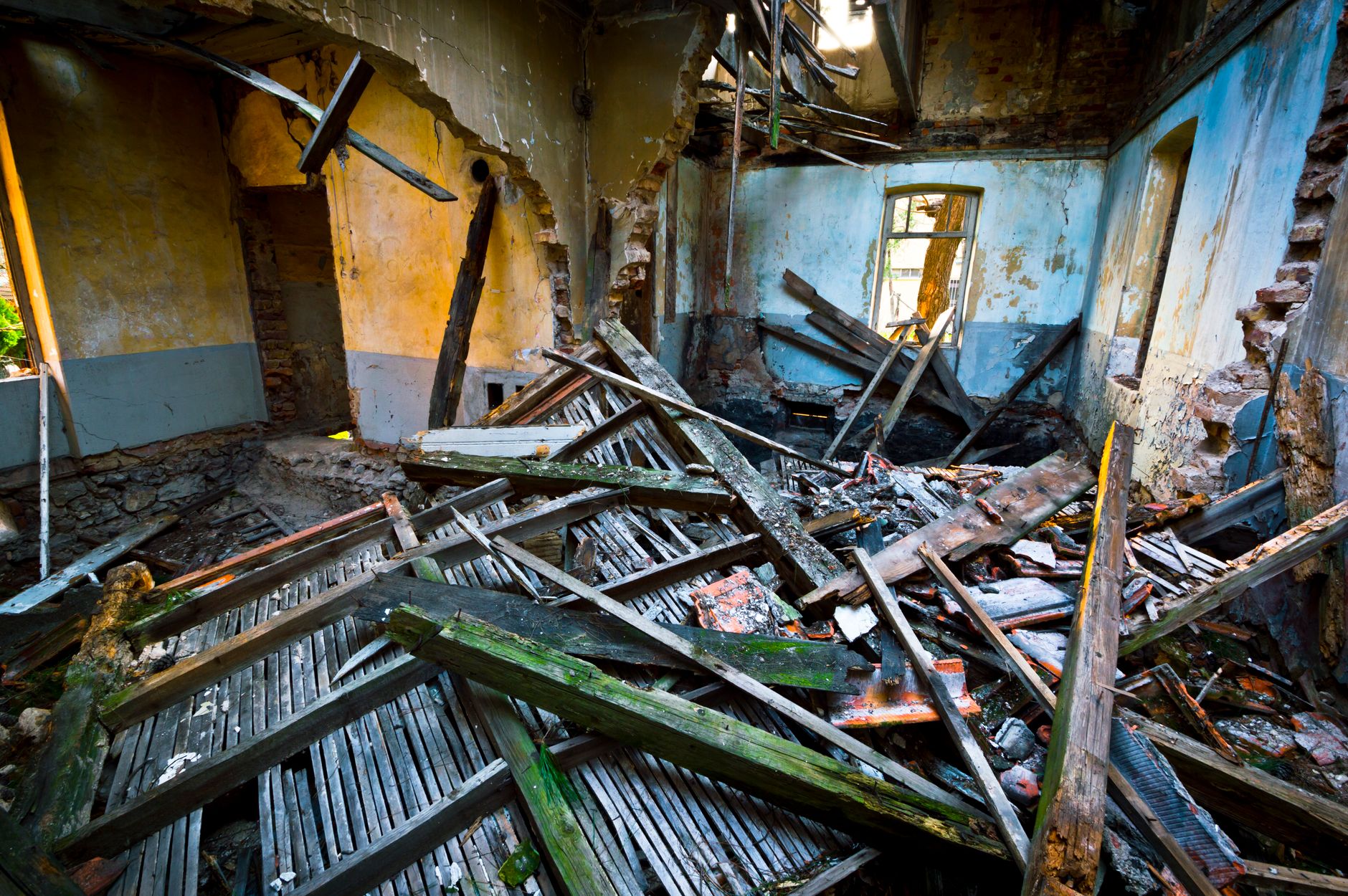
Photo by Adem Percem
Downed power lines require extra distance. Assume every line is energized, even if the neighborhood has lost power. Keep away from fences, puddles, vehicles, and metal objects touching a line. Call 911 for an immediate hazard and report electrical damage to the utility from a safe location.
If you smell natural gas or propane, leave without turning lights, switches, appliances, or phones on inside the home. Move away, call 911 or the gas supplier, and wait for instructions. Don’t try to locate the leak or shut off the system unless the utility directs you and the area is safe.
Enter Only After a Safety Check
If officials clear the home and the exterior looks stable, make the first entry during daylight. Take another adult with you, tell someone where you are, and keep the visit short. Wear sturdy waterproof boots, gloves, eye protection, and clothing that covers your arms and legs. An N95 respirator can reduce exposure to some airborne particles, but it doesn’t make contaminated floodwater safe.
Open the door slowly. Watch for falling objects, broken glass, animals, insects, and damaged ceilings. Use a flashlight rather than a candle or lighter. A flashlight also reduces the temptation to touch switches in a dark room.
Never step into standing water near outlets, appliances, electrical panels, generators, or wiring. Don’t touch a wet electrical device, even if the switch appears to be off. If water reached the electrical system, leave the home and call a licensed electrician or the utility. Don’t reset breakers or remove panel covers yourself.
Pay attention to:
- Buzzing, sizzling, flickering lights, or a breaker that keeps tripping
- A soft or sagging ceiling
- Strong odors from gas, fuel, sewage, or chemicals
- Hissing sounds, damaged pipes, or active water movement
- Cracks that appear larger than they were outside
- Wet insulation, swollen flooring, or walls that bow outward
Leave immediately if any of these conditions appear. Don’t stay inside to collect photographs or belongings. A short inspection is not worth an electrical shock, gas fire, toxic exposure, or structural collapse.
The Centers for Disease Control and Prevention flood cleanup guidance recommends protective measures because floodwater may contain sewage, bacteria, chemicals, and other hazards. Storm surge also carries salt, mud, fuel residues, and debris into areas that normally stay dry.
Don’t Start High-Risk Cleanup Yourself
Storm surge cleanup is different from drying a small, clean plumbing leak. The water source and exposure determine the risk. Saltwater or mixed floodwater should be treated as contaminated, especially when it has touched sewage, fuel, dead animals, household chemicals, or damaged building materials.
Don’t perform these tasks yourself:
- Repair electrical wiring, panels, meters, or flooded appliances
- Work on gas lines, propane tanks, or fuel systems
- Remove unstable walls, roofs, ceilings, or load-bearing materials
- Handle suspected asbestos-containing flooring, insulation, siding, or drywall
- Clean sewage backups or heavily contaminated floodwater
- Disturb extensive mold growth or mold inside HVAC systems
A wet-dry vacuum, household fan, or bleach solution cannot correct every storm-related hazard. Never use a gasoline generator inside a home, garage, carport, screened porch, or near doors and windows. Carbon monoxide has no smell and can build up quickly.
If the home is safe to occupy, a licensed restoration company can assess moisture behind walls, below floors, under cabinets, and inside insulation. Ask for a written scope that separates water extraction, demolition, drying, sanitizing, contents handling, and reconstruction. Request moisture readings and a monitoring schedule, not only a statement that the surfaces “look dry.”
The EPA’s mold cleanup guidance explains when professional help is appropriate. After a major surge, the affected area may be too large or contaminated for household cleanup. Porous materials such as carpet padding, mattresses, particleboard, soaked drywall, and some insulation often require removal after assessment.
Don’t rush to seal walls or repaint stained surfaces. Water can remain behind a clean-looking finish, and trapped moisture can lead to mold, odor, corrosion, and further damage.
Document Damage Before Moving Anything
Once you can safely enter, document the condition before removing contents or starting repairs. Take wide photographs of every affected room, then capture close images of waterlines, damaged materials, appliances, cabinets, flooring, outlets, and structural concerns. Record video if it shows active leaking, equipment damage, or the depth of standing water.
Keep a simple claim folder with:
- The date and time you first noticed the damage
- Photos and videos arranged by room
- Your insurance claim number and adjuster’s contact details
- Restoration estimates and moisture reports
- Receipts for emergency supplies, temporary lodging, drying, storage, and disposal
- A list of damaged belongings, including brand, model, age, and condition
Don’t discard damaged items unless they create a health or safety hazard, or your insurer tells you to remove them. If an item must go, photograph it first and keep a record of what happened. Save receipts for reasonable steps that limit additional damage, but ask your insurer what documentation it requires.
Standard homeowners insurance often treats storm surge and rising floodwater differently from wind-driven rain or a sudden plumbing failure. Flood damage generally requires a separate flood policy through the National Flood Insurance Program or a private insurer. Coverage also depends on deductibles, exclusions, endorsements, and the cause of loss.
Ask the insurer whether it needs an inspection before walls open or contents leave the property. Keep communication in writing when possible. Avoid signing an assignment of benefits, an insurance check, or a broad repair contract under pressure.
Arrange Professional Storm Surge Restoration
After safety clearance and documentation, the next step is a controlled assessment. A qualified restoration team should identify the water’s path, affected materials, contamination concerns, hidden moisture, and equipment needs. Drying may require air movers, dehumidifiers, controlled demolition, and repeated moisture checks.
Choose a company that can provide:
- Florida licensing and proof of insurance
- Experience with contaminated water and hurricane damage
- A detailed written estimate
- Moisture readings and daily drying records
- Clear contents packing, cleaning, and storage procedures
- Coordination with your adjuster without promising coverage
A credible estimate should explain what will be removed, what can be cleaned, and what needs replacement. It should also separate temporary mitigation from permanent repairs. Tile, hardwood, custom cabinets, trim, and insulation may require different methods and costs.
Storm surge cleanup sometimes exposes a second problem, such as a roof leak, failed window seal, damaged plumbing line, or mold inside a wall cavity. Fixing the visible stain without correcting the source leaves the home at risk of another loss.
Conclusion
Storm surge can make a Florida home unsafe before the first bucket is filled. Wait for official clearance, inspect from the exterior, avoid standing water near electrical systems, and leave immediately for gas odors, downed lines, or structural instability.
After entry is approved, document the damage and bring in licensed professionals for electrical, gas, structural, sewage, asbestos, and extensive mold work. The safest cleanup begins with one decision: protect people before property.
