Ultimate Guide to Water Damage Restoration in Cape Coral, Florida: Tips, Tricks, and Trusted Services
Water damage can strike unexpectedly, leaving homeowners in Cape Coral grappling with the aftermath of a flood, leak, or storm. Understanding the intricacies of water damage restoration is essential to protect your property and ensure a safe, healthy living environment. In this ultimate guide, we’ll explore practical tips and tricks for tackling water-related disasters, from identifying the source of the problem to the best methods for drying and restoring your home. We also highlight trusted local services that can assist you in navigating this challenging process, ensuring you have the support needed every step of the way. Whether you're facing minor water issues or significant damage, our expert insights will empower you to act quickly and efficiently, minimizing further risks. Dive into our guide and take the first step toward restoring your sanctuary in beautiful Cape Coral!
Understanding Water Damage: Causes and Effects
Water damage can originate from a variety of sources, each with its own set of complexities. Common causes include natural disasters such as hurricanes and heavy rains, plumbing issues like burst pipes and leaking faucets, and structural problems such as roof leaks and poor drainage systems. Understanding the source of the water damage is crucial in determining the appropriate response and restoration strategy.
The effects of water damage can be extensive and long-lasting if not addressed promptly. Immediate consequences often include waterlogged furniture, soaked carpets, and damaged appliances. However, the long-term impact can be more severe, leading to structural damage, mold growth, and a decline in indoor air quality. Mold, in particular, poses significant health risks, especially for individuals with respiratory conditions. The presence of excess moisture can also attract pests, creating an additional layer of concern for homeowners.
In Cape Coral, the subtropical climate exacerbates the potential for water damage. High humidity levels and frequent storms mean that properties are at a constant risk. Understanding the causes and effects of water damage in this context helps in taking proactive measures to safeguard your home. Regular maintenance, timely repairs, and a thorough understanding of the local climate can mitigate many of the risks associated with water damage.
The Importance of Timely Water Damage Restoration
- Addressing water damage promptly is essential to prevent further complications and escalating costs. The longer water sits, the more damage it can cause, soaking deeper into materials and fostering an environment conducive to mold and mildew growth. Immediate action can significantly reduce the extent of the damage and the associated repair costs.
- Timely restoration is not just about addressing the visible damage. It’s crucial to identify and mitigate hidden damage, which can be just as harmful. Water can seep into walls, floors, and ceilings, causing structural integrity issues if not properly dried and treated. This hidden moisture can also lead to mold growth, which can be difficult and expensive to remediate once established.
- Moreover, quick restoration efforts can help preserve personal belongings and sentimental items that might otherwise be irreparably damaged. Family photos, important documents, and cherished heirlooms are often at risk in water damage scenarios. By acting swiftly, homeowners can salvage these items and avoid the heartache of losing irreplaceable possessions.
About Services 321
We are a water damage restoration contractor in Cape Coral, Florida. For more than 20 years, we have been proudly helping our local communities deal with water damage on real estate.
Signs of Water Damage to Look Out For
- Identifying water damage early can save you from extensive repairs and restoration efforts. Some signs are obvious, such as standing water, but others can be more subtle. Discoloration on walls and ceilings is a common indicator, often appearing as yellowish-brown stains. These stains suggest that water has penetrated the surface, potentially causing underlying damage.
- Another sign to watch for is a musty odor, which often indicates mold growth. Mold thrives in damp environments and can spread rapidly if not addressed. The presence of mold is not only a sign of water damage but also a health hazard. Persistent coughing, sneezing, and respiratory issues among household members can be linked to mold exposure.
- Peeling paint or wallpaper can also signal water damage. When water infiltrates walls, it can cause the adhesive to weaken, leading to bubbling, peeling, or cracking. Similarly, warped or buckling flooring is a clear sign that water has seeped into the subfloor. Pay attention to any changes in the appearance and texture of your home’s surfaces, as these can provide critical clues about hidden water damage.
Steps to Take Immediately After Water Damage Occurs
- The first step after discovering water damage is to ensure safety. Turn off the electricity to avoid the risk of electrocution, especially if the water has reached electrical outlets or appliances. If the water damage is due to a burst pipe or a similar source, shut off the main water supply to prevent further flooding.
- Next, it's important to document the damage for insurance purposes. Take photographs and videos of the affected areas before you begin any cleanup efforts. This documentation will be crucial when filing an insurance claim, as it provides evidence of the extent of the damage.
- Once the immediate safety concerns are addressed, the drying process should begin. Use a combination of fans, dehumidifiers, and open windows to facilitate airflow and reduce moisture levels. Remove any waterlogged items, such as carpets and furniture, to a dry area to prevent further damage. It’s also advisable to contact a professional water damage restoration company at this stage to assess the situation and recommend a comprehensive restoration plan.
DIY vs. Professional Water Damage Restoration
While some homeowners may feel confident tackling water damage restoration on their own, it's important to understand the limitations of DIY efforts. Small leaks and minor flooding may be manageable with household tools and a bit of elbow grease. However, significant water damage often requires specialized equipment and expertise to address properly.
Professional restoration companies have access to industrial-grade dehumidifiers, air movers, and moisture detection instruments that can ensure a thorough drying process. They are also trained to identify hidden damage that might not be apparent to the untrained eye, such as moisture behind walls or under flooring. Addressing these hidden issues is crucial to preventing long-term damage and mold growth.
Moreover, professional restoration services can expedite the restoration process, allowing you to return to normalcy more quickly. They follow industry-standard procedures to ensure that all aspects of the restoration are handled correctly, from initial water extraction to final repairs. While the cost of professional services might be higher than a DIY approach, the long-term benefits and peace of mind often outweigh the initial investment.
Choosing the Right Water Damage Restoration Company in Cape Coral
- Selecting a trustworthy and competent restoration company is crucial to ensuring a successful recovery from water damage. Start by researching local companies with a strong reputation and positive customer reviews. Recommendations from friends, family, or neighbors can also provide valuable insights into the reliability and quality of different service providers.
- When evaluating potential companies, verify their certifications and licenses. Reputable restoration companies should be certified by organizations such as the Institute of Inspection, Cleaning, and Restoration Certification (IICRC). This certification indicates that the company follows industry standards and employs trained professionals.
- It's also important to inquire about the company's experience with water damage restoration in Cape Coral specifically. Local companies are more likely to understand the unique challenges posed by the region's climate and environmental conditions. Finally, request a detailed written estimate and ensure that the company is willing to communicate clearly and transparently throughout the restoration process.
Essential Equipment Used in Water Damage Restoration
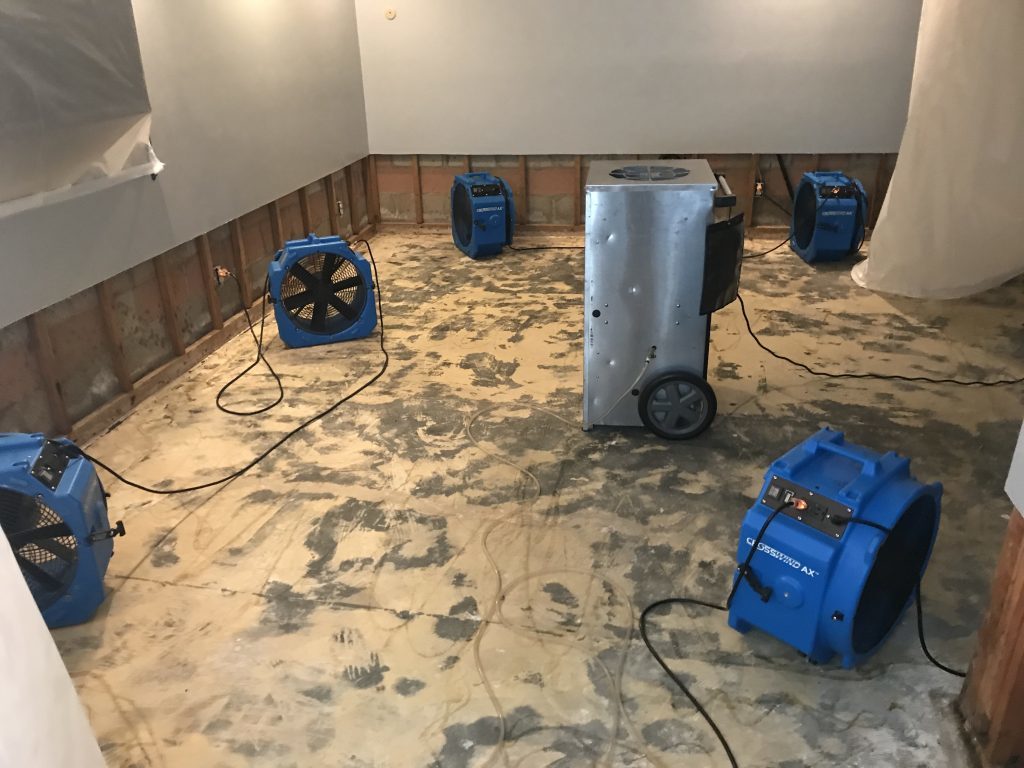
Effective water damage restoration relies on the use of specialized equipment designed to extract water, dry structures, and prevent mold growth. One of the most critical pieces of equipment is the industrial-grade dehumidifier. These machines remove excess moisture from the air, which is essential for preventing mold and promoting the drying of structural materials.
Air movers, also known as blowers, are used to create airflow across wet surfaces, accelerating evaporation and drying. These devices come in various sizes and can be strategically placed to target specific areas. Moisture meters are another essential tool, allowing restoration professionals to measure the moisture content of materials and detect hidden water pockets.
In addition to these tools, thermal imaging cameras can be used to identify temperature variations that indicate the presence of moisture behind walls or under floors. Specialized cleaning agents and antimicrobial treatments are also employed to sanitize affected areas and prevent mold growth. The combination of these tools and techniques ensures a comprehensive and effective restoration process.
Preventive Measures to Avoid Future Water Damage
- Preventing water damage is often more manageable and cost-effective than dealing with the aftermath. Regular maintenance and inspections of your home's plumbing system are essential. Check for signs of leaks or corrosion in pipes and replace any worn-out components promptly. Installing water leak detectors can provide early warnings of potential issues.
- Roof maintenance is another critical aspect of prevention. Ensure that your roof is in good condition and free from damaged shingles or tiles. Clean gutters and downspouts regularly to prevent blockages that can lead to water overflow and roof leaks. Additionally, consider installing a sump pump in your basement or crawl space to manage excess water and prevent flooding.
- Landscaping also plays a role in water damage prevention. Ensure that the ground around your home slopes away from the foundation to direct water away from the structure. Installing proper drainage systems and maintaining them can prevent water from pooling near your home and seeping into the foundation. Taking these proactive measures can significantly reduce the risk of water damage and protect your property.
Insurance Considerations for Water Damage Claims
- Navigating insurance claims for water damage can be complex, but understanding your policy and the claims process can make it more manageable. It's crucial to review your homeowner's insurance policy to understand what types of water damage are covered. Standard policies typically cover sudden and accidental water damage, such as from burst pipes, but may exclude damage from flooding or lack of maintenance.
- When filing a claim, prompt action is essential. Contact your insurance company as soon as possible to report the damage and initiate the claims process. Provide detailed documentation, including photographs and videos of the damage, and keep records of all communication with your insurer. An adjuster will likely visit your home to assess the damage and determine the payout.
- Working with a professional restoration company can also facilitate the insurance process. Many reputable companies have experience dealing with insurance claims and can provide the necessary documentation and estimates to support your claim. They can also communicate directly with your insurance company, helping to expedite the resolution of your claim and ensure that you receive the compensation needed to restore your home.
Ensuring a Safe and Dry Home in Cape Coral
Water damage can be a daunting challenge, but with the right knowledge and resources, homeowners in Cape Coral can effectively manage and recover from such events. Understanding the causes and effects of water damage, recognizing the signs, and taking immediate action are critical steps in minimizing damage and ensuring a successful restoration.
Choosing between DIY and professional restoration efforts depends on the extent of the damage and your comfort level with the necessary tasks. However, professional services often provide a more thorough and expedited recovery process. Selecting the right restoration company involves careful research and consideration of their experience, certifications, and customer feedback.
Preventive measures, such as regular maintenance and proper drainage, can significantly reduce the risk of future water damage. Additionally, understanding your insurance policy and the claims process can help you navigate the financial aspects of recovery with greater ease.
By taking these proactive steps and utilizing the resources available, you can protect your home and ensure a safe, dry, and healthy living environment in beautiful Cape Coral. Whether you're facing a minor leak or a major flood, this ultimate guide equips you with the knowledge and confidence to tackle water damage head-on and restore your sanctuary.
Contact Our Water Damage Restoration Experts
Let us aid you in repairing and remediating your water-damaged property and other affected areas near it. Reach out to us today for thorough water remediation services. You can also request an estimate of how much the project will cost.