Ultimate Guide to Water Damage Restoration in Cape Coral, Florida: Tips, Costs, and Expert Solutions
Water damage can strike unexpectedly, leaving homeowners in Cape Coral grappling with the daunting aftermath. Whether it’s from tropical storms, plumbing failures, or unexpected leaks, the consequences of water damage can disrupt your life and threaten the integrity of your property. In this ultimate guide to water damage restoration, we’ll delve into essential tips to mitigate further issues, outline the costs you might face during the restoration process, and showcase expert solutions tailored specifically for the unique challenges of our coastal environment. With the right knowledge and professional assistance, you can reclaim your home and restore peace of mind. Ready to navigate the complexities of water damage? Let’s dive in!
Understanding Water Damage: Causes and Types
Water damage in Cape Coral can stem from various sources, each posing unique challenges and requiring different restoration approaches.
- Tropical storms and hurricanes are common culprits, bringing heavy rains, storm surges, and flooding that can infiltrate homes and cause significant damage. These natural disasters can overwhelm drainage systems, leading to widespread water intrusion. Additionally, the coastal environment of Cape Coral means that homes are often at risk from rising sea levels and tidal flooding, which can compound the effects of storm-related water damage.
- Plumbing failures are another frequent cause of water damage. Burst pipes, leaking faucets, and faulty water heaters can release a substantial amount of water into your home, often going unnoticed until the damage has become extensive. In some cases, clogged drains and sewer backups can lead to overflows, spreading contaminated water that poses health risks and requires specialized cleanup.
- Unexpected leaks, such as those from roof damage, can also result in water damage. Over time, even small leaks can cause significant structural issues, mold growth, and damage to personal belongings. Recognizing the various types of water damage and their sources is crucial for effective restoration and prevention. By understanding the specific challenges posed by each type, homeowners can take appropriate measures to protect their property and mitigate the impact of water damage.
About Services 321
We are a water damage restoration contractor in Cape Coral, Florida. For more than 20 years, we have been proudly helping our local communities deal with water damage on real estate.
The Importance of Immediate Water Damage Restoration
When water damage occurs, time is of the essence. Immediate action is critical to minimize the impact and prevent further complications. Water can quickly seep into building materials, leading to structural weakening, warping, and decay. The longer water is allowed to sit, the more extensive the damage becomes, potentially compromising the integrity of your home. Prompt restoration efforts can help salvage materials and reduce repair costs.
One of the most pressing concerns with water damage is the risk of mold growth. Mold can begin to develop within 24 to 48 hours in damp environments, spreading rapidly and releasing spores that can affect indoor air quality and pose health risks. Mold remediation becomes a complex and costly process if not addressed early. By initiating water damage restoration immediately, you can significantly reduce the likelihood of mold proliferation and protect the health of your household.
Moreover, immediate restoration helps preserve your personal belongings. Water can damage furniture, electronics, documents, and sentimental items, many of which may be irreplaceable. Quick action can increase the chances of salvaging these items and reduce the emotional and financial toll of water damage. Engaging professional restoration services promptly ensures that the right techniques and equipment are used to restore your home efficiently and effectively.
Signs of Water Damage in Your Home
Detecting water damage early can prevent minor issues from escalating into major problems. One of the most visible signs of water damage is water stains on walls, ceilings, or floors. These stains often appear as dark or discolored patches and may indicate a leak or water intrusion. Peeling paint, bubbling wallpaper, and warped surfaces are also telltale signs that moisture has infiltrated the area.
Unpleasant odors can be another indicator of water damage. A musty or damp smell often suggests the presence of mold or mildew, which thrives in moist environments. If you notice a persistent odor that doesn't go away with regular cleaning, it's essential to investigate further to identify and address the source of moisture.
Additionally, be on the lookout for signs of structural damage. Sagging ceilings, buckling floors, and cracks in walls can all result from prolonged water exposure. These issues not only compromise the stability of your home but can also pose safety hazards. Regularly inspecting your property for these signs and addressing them promptly can help mitigate the impact of water damage and maintain the integrity of your home.
Step-by-Step Water Damage Restoration Process
Water damage restoration is a comprehensive process that involves several critical steps to ensure thorough and effective recovery. The first step is to assess the extent of the damage. This involves a detailed inspection to identify the source of water intrusion, the affected areas, and the severity of the damage. Professional restoration experts use specialized equipment, such as moisture meters and infrared cameras, to detect hidden moisture and assess the full scope of the damage.
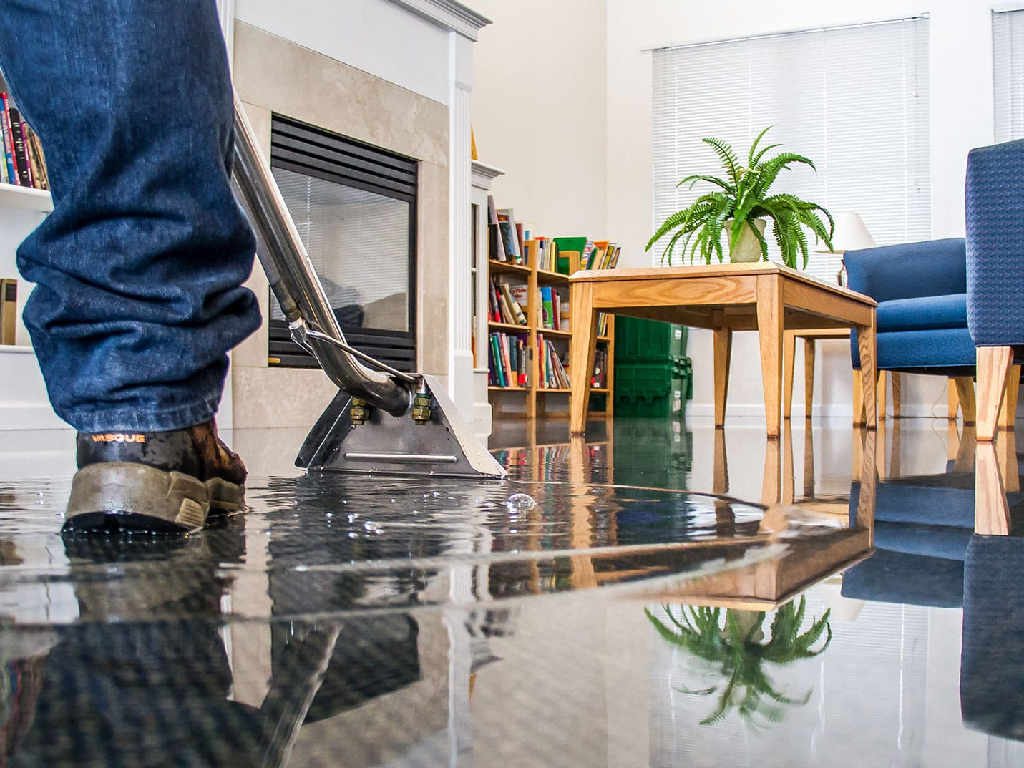
Once the assessment is complete, the next step is water extraction. Removing standing water is crucial to prevent further damage and reduce the risk of mold growth. High-powered pumps and vacuums are used to extract water quickly and efficiently. After the bulk of the water is removed, dehumidifiers and air movers are employed to dry out the affected areas thoroughly. This step is vital to ensure that all moisture is eliminated, as even small amounts of residual water can lead to mold and mildew.
The final steps in the restoration process involve cleaning, sanitizing, and repairing the damaged areas. Contaminated water requires thorough cleaning and disinfection to eliminate harmful bacteria and pathogens. Depending on the extent of the damage, repairs may include replacing drywall, flooring, and insulation, as well as addressing any structural issues. The goal is to restore your home to its pre-damage condition, ensuring a safe and healthy living environment.
DIY vs. Professional Water Damage Restoration
When faced with water damage, homeowners may wonder whether to tackle the restoration themselves or hire professional services. DIY restoration can be a cost-effective option for minor water damage, such as a small leak or localized spill. With the right tools and knowledge, homeowners can address minor issues promptly and prevent further damage. However, it's essential to be aware of the limitations and risks associated with DIY restoration.
For more extensive water damage, professional restoration services are highly recommended. Professionals have the expertise, equipment, and experience to handle complex restoration tasks efficiently and effectively. They can identify hidden moisture, assess the full extent of the damage, and implement appropriate restoration techniques. Additionally, professional services often include mold remediation and structural repairs, ensuring a comprehensive and thorough restoration process.
Choosing professional restoration services also provides peace of mind. Dealing with water damage can be stressful and overwhelming, and having experts handle the restoration allows homeowners to focus on other important aspects of recovery. Professional services also offer faster and more efficient restoration, minimizing the disruption to your life and helping you return to normalcy sooner.
Average Costs of Water Damage Restoration in Cape Coral
The cost of water damage restoration in Cape Coral can vary widely depending on several factors, including the extent of the damage, the type of water involved, and the specific restoration services required. On average, homeowners can expect to pay between $1,000 and $4,000 for water damage restoration. However, costs can be significantly higher for extensive damage or complex restoration projects.
One of the primary factors influencing the cost is the source and type of water involved. Clean water from a burst pipe or rainwater is generally less expensive to clean up and restore compared to contaminated water from sewage backups or flooding. The latter requires specialized cleaning and disinfection, which can increase the overall cost. Additionally, the extent of the damage and the affected areas play a significant role in determining the cost. Larger areas and more severe damage require more resources and labor, leading to higher costs.
Another factor to consider is the specific restoration services required. Basic water extraction and drying may be relatively affordable, but additional services such as mold remediation, structural repairs, and content restoration can add to the overall cost. It's essential to obtain detailed estimates from reputable restoration companies to understand the full scope of the work and associated costs. Homeowners should also check with their insurance providers to determine coverage and potential out-of-pocket expenses.
Insurance Coverage for Water Damage Restoration
- Homeowners' insurance policies typically cover water damage restoration, but the extent of coverage can vary depending on the policy and the cause of the damage. Most standard policies cover sudden and accidental water damage, such as that caused by burst pipes, appliance malfunctions, or roof leaks. However, gradual damage resulting from poor maintenance or long-term issues may not be covered. It's essential to review your policy and understand the specific terms and conditions related to water damage.
- Flood damage is generally not covered under standard homeowners' insurance policies. Given Cape Coral's coastal location and susceptibility to flooding, homeowners should consider obtaining separate flood insurance through the National Flood Insurance Program (NFIP) or private insurers. Flood insurance can provide coverage for damage caused by storm surges, tidal flooding, and other flood-related events, offering additional protection for your property.
- When filing a claim for water damage restoration, it's crucial to document the damage thoroughly. Take photos and videos of the affected areas, and keep detailed records of any repair and restoration work. Promptly report the damage to your insurance provider and follow their guidelines for filing a claim. Working with a reputable restoration company that has experience with insurance claims can also help streamline the process and ensure that you receive the coverage you are entitled to.
Choosing the Right Water Damage Restoration Company
Selecting a reputable and reliable water damage restoration company is crucial for ensuring a successful recovery process. Start by researching local companies and checking their credentials. Look for companies that are licensed, insured, and certified by recognized industry organizations, such as the Institute of Inspection, Cleaning and Restoration Certification (IICRC). Certification indicates that the company adheres to industry standards and employs trained and qualified technicians.
Reading customer reviews and testimonials can provide valuable insights into a company's reputation and the quality of their services. Look for feedback on their responsiveness, professionalism, and the effectiveness of their restoration work. Additionally, ask for references and contact previous clients to get firsthand information about their experiences with the company.
When evaluating potential restoration companies, it's essential to obtain detailed estimates and understand the scope of the work they propose. A reputable company should conduct a thorough assessment of the damage and provide a clear and transparent estimate of the costs and services required. Be wary of companies that offer unusually low estimates or pressure you into making quick decisions. Taking the time to choose the right restoration company can make a significant difference in the outcome of the restoration process and ensure that your home is restored to its pre-damage condition.
Tips for Preventing Future Water Damage
Preventing water damage requires proactive measures and regular maintenance to protect your home from potential threats.
- One of the most effective ways to prevent water damage is to maintain your plumbing system. Regularly inspect pipes, faucets, and appliances for signs of leaks or wear and address any issues promptly. Installing a water leak detection system can also provide early warnings of potential problems, allowing you to take action before significant damage occurs.
- Proper roof maintenance is another critical aspect of water damage prevention. Inspect your roof regularly for damaged or missing shingles, and ensure that gutters and downspouts are clean and functioning correctly. Proper drainage is essential to prevent water from accumulating and causing leaks. Additionally, consider installing a sump pump in your basement or crawl space to protect against water intrusion during heavy rains or flooding.
- Landscaping and grading can also play a role in preventing water damage. Ensure that the ground around your home slopes away from the foundation to prevent water from pooling and seeping into the structure. Avoid planting trees or shrubs with invasive root systems near your home, as they can damage pipes and foundations. By taking these preventive measures, you can reduce the risk of water damage and protect your home from potential threats.
Ensuring a Safe and Dry Home
Water damage restoration in Cape Coral requires a comprehensive approach that addresses the unique challenges of the coastal environment. Understanding the causes and types of water damage, recognizing the importance of immediate restoration, and identifying the signs of water damage are all critical steps in protecting your home. Following a structured restoration process, weighing the benefits of DIY versus professional services, and being aware of the costs and insurance coverage can help you navigate the complexities of water damage recovery.
Choosing the right water damage restoration company is essential for ensuring a successful outcome. By researching and selecting a reputable company, you can trust that your home will be restored efficiently and effectively. Additionally, implementing preventive measures and maintaining your property can reduce the risk of future water damage and provide peace of mind.
With the right knowledge and professional assistance, you can reclaim your home from the effects of water damage and restore a safe and dry living environment. By staying vigilant and proactive, you can protect your property and ensure the well-being of your household. Water damage may be a daunting challenge, but with the right approach, it is a challenge that can be overcome.
Contact Our Water Damage Restoration Experts
Let us aid you in repairing and remediating your water-damaged property and other affected areas near it. Reach out to us today for thorough water remediation services. You can also request an estimate of how much the project will cost.