Ultimate Guide to Fort Myers Water Damage Restoration: Tips, Tricks, and Expert Solutions
When disaster strikes and water damage invades your home in Fort Myers, the aftermath can feel overwhelming. Whether it's from a natural disaster, a burst pipe, or an unexpected leak, understanding the restoration process is vital to reclaiming your space and peace of mind. Welcome to the 'Ultimate Guide to Fort Myers Water Damage Restoration,' where we provide you with essential tips and tricks, along with expert solutions to help you navigate through this challenging experience. From immediate actions to minimize damage to professional restoration techniques, this guide empowers homeowners to take charge of their property and ensure their homes return to pristine condition. Dive in and discover how to effectively manage water damage, safeguard your belongings, and restore your living space with confidence. Your path to recovery begins here!
Understanding Water Damage: Causes and Types
Water damage is a pervasive issue that can stem from a variety of sources. In Fort Myers, homeowners need to be particularly vigilant due to the area's susceptibility to hurricanes and tropical storms. Natural disasters like these can lead to flooding, which is one of the most severe forms of water damage. However, water damage can also arise from more mundane causes such as burst pipes, leaky roofs, and malfunctioning appliances. Each of these scenarios presents unique challenges and requires specific restoration approaches.
There are three primary types of water damage: clean water, gray water, and black water.
- Clean water damage originates from sources like broken pipes or rainwater and poses no immediate health risk.
- Gray water, which comes from sources like dishwashers or washing machines, contains some contaminants and can cause illness if ingested.
- Black water is the most dangerous type, often resulting from sewage backups or natural flooding, and contains harmful bacteria and pathogens.
Understanding the type of water damage you're dealing with is crucial for determining the appropriate response and ensuring effective restoration.
Identifying the cause and type of water damage early on can significantly impact the restoration process. For instance, clean water damage can often be managed with prompt and thorough drying, whereas gray and black water damage typically require more extensive cleaning and disinfection to prevent health hazards. By recognizing the source and nature of the water intrusion, homeowners can take informed steps to mitigate damage and protect their property.
About Services 321
We are a water damage restoration contractor in Cape Coral, Florida. For more than 20 years, we have been proudly helping our local communities deal with water damage on real estate.
The Importance of Immediate Water Damage Restoration
Time is of the essence when it comes to water damage restoration. The longer water is allowed to sit, the more extensive the damage will become. Within minutes, water can spread to other areas, seeping into walls, floors, and furniture. If not addressed promptly, this can lead to structural damage, mold growth, and irreversible harm to personal belongings. Immediate action is essential to minimize these consequences and expedite the restoration process.
Mold thrives in moist environments and can begin to grow within 24 to 48 hours of water exposure. Not only does mold cause significant damage to building materials, but it also poses serious health risks, including respiratory issues and allergic reactions. By initiating water damage restoration as soon as possible, homeowners can prevent mold growth and protect their family's health. This includes removing standing water, drying affected areas, and using antimicrobial treatments to inhibit mold development.
Moreover, swift restoration efforts can save homeowners from costly repairs and replacements. Water can weaken the structural integrity of a home, leading to compromised foundations, warped flooring, and deteriorated walls. Addressing water damage immediately helps preserve the home's structure and reduces the need for extensive repairs. Professional restoration services can quickly assess the situation, implement effective strategies, and ensure that the home is restored to its pre-damage condition efficiently.
Signs of Water Damage in Your Home
Detecting water damage early is crucial for preventing extensive damage and costly repairs.
- Common signs of water damage in a home include visible stains, discoloration, and dampness on walls, ceilings, and floors. These indicators often point to underlying issues such as leaks or moisture buildup that need to be addressed promptly. In addition to visual cues, homeowners may also notice a musty odor, which is a telltale sign of mold growth and water damage.
- Another significant indicator of water damage is the presence of warped or buckling flooring. Wood and laminate floors are particularly susceptible to water damage, which can cause them to swell and warp. In severe cases, the flooring may need to be replaced entirely. Additionally, water damage can lead to peeling or bubbling paint and wallpaper, signaling that moisture has penetrated the walls. Paying attention to these signs can help homeowners identify and address water damage before it worsens.
Water damage can also manifest in less obvious ways, such as increased humidity levels and condensation on windows. These conditions can create a conducive environment for mold growth and further damage. Homeowners should regularly inspect areas prone to water exposure, such as basements, attics, and under sinks, for any signs of moisture or leaks. By staying vigilant and conducting routine inspections, homeowners can catch water damage early and take necessary steps to mitigate it.
DIY Water Damage Restoration: What You Need to Know
While some minor water damage issues can be tackled with DIY methods, it's essential to approach the task with caution and proper knowledge. The first step in any DIY water damage restoration project is to ensure safety. This means turning off the electricity to affected areas to prevent electrical hazards and wearing protective gear to avoid exposure to contaminants. Once safety measures are in place, the focus should be on removing standing water and drying the area thoroughly.
For small-scale water damage, homeowners can use tools like wet/dry vacuums, dehumidifiers, and fans to remove water and moisture. It's crucial to address not just the visible water but also hidden moisture that may have seeped into walls, flooring, and furniture. Using moisture meters can help identify areas that need further drying. Additionally, cleaning and disinfecting surfaces with appropriate antimicrobial solutions can prevent mold growth and ensure a sanitary environment.
Understanding Water Damage: Causes and Types
- Water damage can stem from a variety of sources, each posing unique challenges and requiring specific restoration strategies. Natural disasters, such as hurricanes and heavy storms, are well-known culprits in Fort Myers, often leading to significant flooding. However, water damage doesn't always announce itself with such fanfare. Everyday occurrences like burst pipes, leaking appliances, and clogged gutters can also wreak havoc on your home. Understanding the root cause of the damage is the first step in effectively addressing and mitigating its impact.
- Different types of water damage can affect your home, each classified based on the water's contamination level. Clean water damage, typically from rain or broken pipes, is the least hazardous but still requires prompt attention to prevent structural damage and mold growth. Grey water damage, often resulting from malfunctioning appliances or sump pump failures, contains contaminants that can cause illness if ingested. The most severe type, black water damage, comes from sources like sewage backups or floodwaters, carrying harmful pathogens and toxins that pose serious health risks. Identifying the type of water damage is crucial for determining the appropriate remediation approach.
It's also important to recognize that water damage can be categorized by the extent of the affected area. Minor damage might involve a small, localized leak that can be quickly addressed, while more extensive damage might affect entire rooms or floors, requiring comprehensive restoration efforts. By understanding the various causes and types of water damage, homeowners can better prepare for and respond to potential incidents, minimizing the impact on their property and health.
The Importance of Immediate Water Damage Restoration
Timeliness is of the essence when dealing with water damage. The longer water is allowed to sit, the more extensive and costly the damage becomes. Within minutes, water can seep into porous materials, including drywall, wood, and carpets, leading to structural weakening and fostering an environment conducive to mold growth. Immediate action can significantly reduce the extent of the damage and prevent long-term issues that can compromise your home's safety and value.
Mold is a primary concern in the aftermath of water damage. Mold spores thrive in moist environments, and within 24 to 48 hours, they can begin to colonize affected areas, spreading rapidly and posing serious health risks, especially for individuals with respiratory conditions or weakened immune systems. Prompt water extraction and thorough drying are essential to inhibit mold growth and maintain indoor air quality. Addressing water damage swiftly not only protects your property but also safeguards the health of your household.
Furthermore, timely water damage restoration can help salvage personal belongings and reduce the need for extensive repairs. Furniture, electronics, and important documents can often be saved if they are dried and treated quickly. Acting fast also helps in accurately documenting the damage for insurance claims, ensuring you receive the compensation needed to cover restoration costs. Immediate restoration efforts can make a significant difference in the recovery process, helping you return to normalcy more quickly and efficiently.
Signs of Water Damage in Your Home
Recognizing the signs of water damage early can prevent minor issues from escalating into major problems.
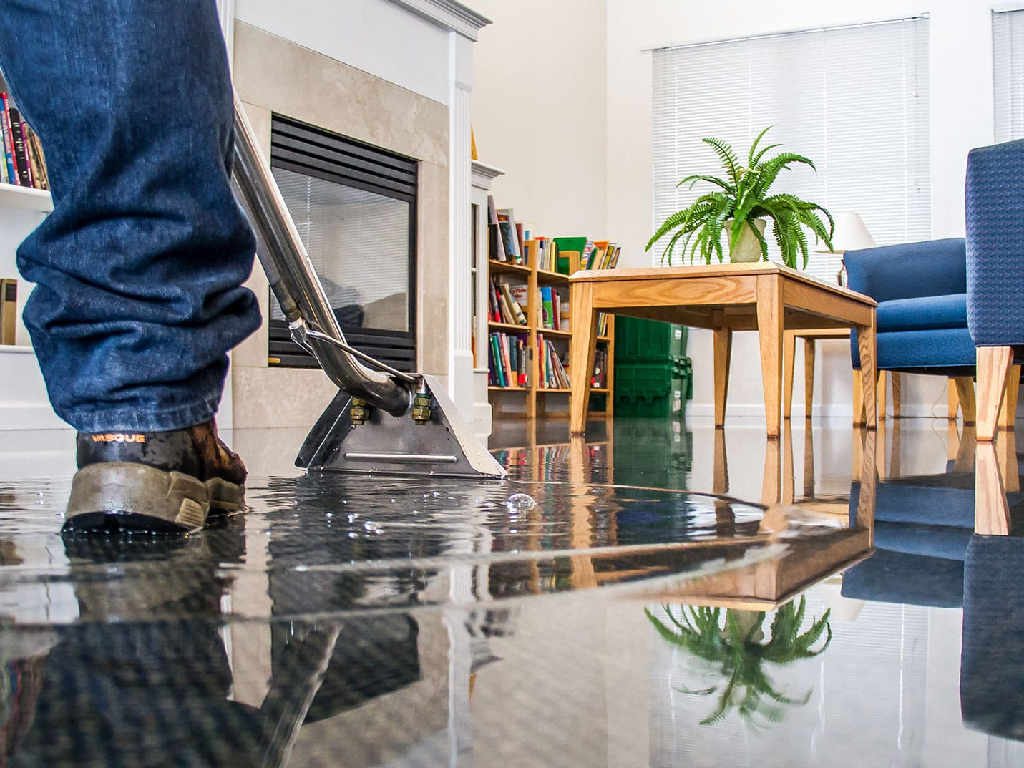
- One of the most obvious indicators is visible water stains on ceilings, walls, or floors. These stains often appear as yellowish-brown discolorations and may be accompanied by peeling paint or wallpaper. Unusual moisture or dampness, especially in areas that should be dry, is another red flag that water is infiltrating your home.
- Another common sign of water damage is a noticeable change in the texture of building materials. Warped or buckling floors, swollen drywall, and sagging ceilings often indicate that water has been absorbed and is causing structural deterioration. Additionally, a musty or moldy odor is a strong indicator of water damage, as it suggests the presence of mold growth, which thrives in damp environments. Even if you can't see mold, the smell alone warrants a thorough inspection.
- Look out for signs of rust or corrosion on metal fixtures and appliances, as these can also be indicative of water exposure.
Finally, be mindful of an unexpected increase in your water bill, which may signal an undetected leak. By being vigilant and addressing these signs promptly, you can mitigate the damage and avoid costly repairs down the line.
DIY Water Damage Restoration: What You Need to Know
Taking on water damage restoration yourself can be a daunting task, but with the right knowledge and tools, you can effectively manage minor incidents. The first step is to ensure your safety by turning off the electricity in affected areas to prevent electrical hazards. Wear protective gear, including gloves and masks, to avoid contact with contaminated water and mold spores. Once safety measures are in place, begin by removing standing water using a wet/dry vacuum or a submersible pump.
Next, focus on drying out the affected area. Use fans and dehumidifiers to circulate air and reduce moisture levels. Opening windows and doors can also help improve ventilation. It's crucial to thoroughly dry carpets, rugs, and furniture to prevent mold growth. In some cases, you may need to remove and discard materials that are too damaged to salvage, such as saturated drywall or insulation. Clean and disinfect all surfaces with a bleach solution or commercial disinfectant to eliminate bacteria and mold spores.
While DIY restoration can be effective for minor water damage, it's important to recognize your limits. Extensive damage, black water contamination, or persistent mold growth requires professional intervention. Attempting to handle severe cases on your own can result in incomplete restoration and lingering health hazards. Knowing when to call in the experts ensures that your home is restored safely and thoroughly.
When to Call the Professionals: Expert Water Damage Restoration Services
While DIY efforts can be effective for minor water damage, there are situations where professional restoration services are essential. If the damage is extensive, covering large areas or multiple rooms, it's best to call in the experts. Professional restoration companies have the equipment and expertise to handle significant water extraction, drying, and dehumidification efficiently. They can also assess structural damage and implement necessary repairs to ensure your home is safe and sound.
Black water contamination, resulting from sewage backups or floodwaters, poses severe health risks and requires specialized handling. Professionals are trained to safely remove contaminated water and thoroughly disinfect affected areas to prevent the spread of harmful pathogens. If you suspect mold growth, it's crucial to engage professionals who can conduct proper mold remediation. Mold can be hidden within walls and under floors, making it difficult to fully eradicate without professional intervention.
Another critical reason to call professionals is when dealing with insurance claims. Restoration companies can provide detailed documentation of the damage and the restoration process, which is vital for filing accurate claims. They can also work directly with your insurance company to streamline the process, ensuring you receive the necessary compensation for the restoration work. Engaging professional services not only guarantees thorough and safe restoration but also provides peace of mind during a challenging time.
The Water Damage Restoration Process Explained
Water damage can be a daunting challenge, but with the right knowledge and resources, homeowners in Cape Coral can effectively manage and recover from such events. Understanding the causes and effects of water damage, recognizing the signs, and taking immediate action are critical steps in minimizing damage and ensuring a successful restoration.
Choosing between DIY and professional restoration efforts depends on the extent of the damage and your comfort level with the necessary tasks. However, professional services often provide a more thorough and expedited recovery process. Selecting the right restoration company involves careful research and consideration of their experience, certifications, and customer feedback.
Preventive measures, such as regular maintenance and proper drainage, can significantly reduce the risk of future water damage. Additionally, understanding your insurance policy and the claims process can help you navigate the financial aspects of recovery with greater ease.
By taking these proactive steps and utilizing the resources available, you can protect your home and ensure a safe, dry, and healthy living environment in beautiful Cape Coral. Whether you're facing a minor leak or a major flood, this ultimate guide equips you with the knowledge and confidence to tackle water damage head-on and restore your sanctuary.
Preventative Measures: Protecting Your Home from Future Water Damage
- Taking proactive steps to safeguard your home from future water damage can save you from costly repairs and stress. One effective measure is regular maintenance of your home's plumbing system. Inspect pipes, faucets, and water heaters for leaks and signs of wear, and address issues promptly. Installing water leak detectors and automatic shut-off valves can also help catch leaks early and prevent extensive damage.
- Proper drainage is crucial for preventing water damage. Ensure that your gutters and downspouts are clean and free of debris, directing water away from your home's foundation. Landscaping can also play a role in water management; consider grading your yard to slope away from your home to prevent water pooling around the foundation. Installing a sump pump in your basement can provide an extra layer of protection, automatically pumping out water that accumulates during heavy rains.
- It's also important to be prepared for natural disasters. Fort Myers is prone to hurricanes and heavy storms, so having a disaster preparedness plan is essential. This includes securing windows and doors, reinforcing your roof, and having an emergency kit ready. Regularly reviewing and updating your insurance policy ensures you have adequate coverage in the event of water damage. By taking these preventative measures, you can minimize the risk of water damage and protect your home and belongings.
Contact Our Water Damage Restoration Experts
Let us aid you in repairing and remediating your water-damaged property and other affected areas near it. Reach out to us today for thorough water remediation services. You can also request an estimate of how much the project will cost.
Insurance and Water Damage: What You Should Know
Navigating the complexities of insurance coverage for water damage can be challenging. Understanding your policy and the types of water damage it covers is essential for ensuring you're adequately protected. Generally, homeowners insurance covers sudden and accidental water damage, such as damage caused by burst pipes or a washing machine overflow. However, it typically does not cover damage resulting from neglect or lack of maintenance, like slow leaks or mold growth.
Flooding is a common cause of water damage in Fort Myers, but it's important to note that standard homeowners insurance policies do not cover flood damage. To protect your home from flood-related losses, you'll need a separate flood insurance policy, which can be purchased through the National Flood Insurance Program (NFIP) or private insurers. Reviewing and understanding the specifics of your flood insurance policy is crucial, as coverage limits and exclusions can vary.
In the event of water damage, promptly documenting the damage and contacting your insurance company is key to a smooth claims process. Take detailed photos and videos of the affected areas and keep records of all communication with your insurer. Professional restoration companies can assist with this process by providing comprehensive reports and estimates. Understanding your insurance coverage and knowing how to navigate the claims process can help ensure you receive the compensation needed to restore your home.
Common Myths About Water Damage Restoration
- Misconceptions about water damage restoration can lead to costly mistakes and inadequate repairs. One common myth is that a small amount of water damage isn't a big deal and can be ignored. In reality, even minor water damage can lead to significant issues if not addressed promptly. Water can seep into hidden areas, causing structural damage and promoting mold growth over time.
- Another myth is that once the water is removed, the restoration process is complete. However, water extraction is just the beginning. Thorough drying, dehumidification, and sanitization are essential steps to prevent mold and bacteria from thriving in damp environments. Skipping these steps can result in ongoing health hazards and further damage to your home.
- Some homeowners believe that using a regular household vacuum or fans can effectively dry out water-damaged areas. While these tools can assist in minor cases, they are not sufficient for handling significant water damage. Professional-grade equipment and expertise are necessary to ensure complete and thorough restoration. Relying on myths and misconceptions can hinder the recovery process and lead to more extensive and costly repairs in the long run.
Ensuring a Safe and Dry Home in Fort Myers
Water damage can be a devastating experience, but with the right knowledge and resources, you can effectively manage and restore your home. Understanding the causes and types of water damage, recognizing the signs, and knowing when to call in professionals are crucial steps in the restoration process. Acting quickly to address water damage can prevent further issues and minimize the impact on your home and health.
Implementing preventative measures and staying informed about your insurance coverage can help protect your home from future water damage. By taking proactive steps and being prepared, you can reduce the risk of costly repairs and ensure your home remains safe and dry. Dispelling common myths about water damage restoration ensures that you approach the process with accurate information and avoid mistakes that could hinder recovery.
As you navigate the challenges of water damage restoration, remember that you don't have to go through it alone. Professional restoration services in Fort Myers are equipped to handle even the most severe cases, providing expert solutions and peace of mind. By following the guidance outlined in this ultimate guide, you can confidently reclaim your space and restore your home to its pristine condition. Your journey to recovery starts here, empowering you to take charge and safeguard your property for the future.