Bathroom Remodel Timeline in Southwest Florida
A bathroom renovation can move quickly, until it doesn’t. In Southwest Florida, the schedule can shift because of building permits, strict condo rules, storm season delays, or damage hidden behind the walls.
If you want a realistic bathroom remodel timeline, you need more than a guess from a showroom sample board. You need to understand the sequence of work and the common hurdles that affect local projects. Partnering with a professional design-build firm or an experienced local general contractor will provide much-needed clarity on how these variables influence your specific project in Cape Coral, Fort Myers, Naples, and surrounding communities.
Key Takeaways
- Building permits and approvals often come first. In Lee County, review can take about 5 to 15 business days, and condo or HOA approval can add 30 to 60 days before work begins.
- A standard renovation is rarely a one-week job. A small bathroom remodel or cosmetic refresh may take 1 to 2 weeks, while a master bathroom project often runs 3 to 5 weeks on site.
- Hidden problems add time fast. Water damage, old wiring, slab plumbing changes, and unexpected material lead times can all push the schedule back.
- Southwest Florida adds a few local twists. Coastal humidity, summer storms, and building rules in condos or planned communities can affect timing.
- A good schedule is specific. It should name demolition, plumbing rough-in, inspections, tile work, glass installation, finish work, and punch list items, rather than just providing one finish date.
A realistic bathroom remodel timeline in Southwest Florida
A small bathroom remodel can move faster than a full renovation, but the difference between the two matters a lot. If you keep the same layout and replace surfaces, a project may take 1 to 2 weeks of active work. A mid-range remodel with new tile, vanity, shower, and fixtures usually takes 3 to 5 weeks on site. A full gut renovation, particularly a master bathroom project that involves structural changes or moving plumbing, can stretch to 6 to 14 weeks and generally sits at the higher end of the budget, which the Cape Coral bathroom remodel cost guide breaks down by scope.
That is only the construction window. Before demo starts, planning, product ordering, and approvals can add more time. In many Southwest Florida projects, the real calendar is closer to 4 to 8 weeks for simpler work, 8 to 14 weeks for a standard full remodel, and longer when condo or HOA reviews are involved.
| Project type | Typical on-site work | Realistic total calendar |
|---|---|---|
| Cosmetic refresh | 1 to 2 weeks | 2 to 4 weeks |
| Mid-range remodel | 3 to 5 weeks | 4 to 8 weeks |
| Master bathroom or structural changes | 6 to 14 weeks | 8 to 20+ weeks |
The best way to read a schedule is to separate the paperwork from the labor. A contractor can finish demolition in a few days, but permits, board approvals, material lead times, and inspections still affect the finish date. It is essential to account for material lead times and permitting delays well before demolition begins on site.
For a local contractor perspective on how planning and materials fit into the process, see this Southwest Florida bathroom remodeling guide.
How the work usually moves from demo to finish
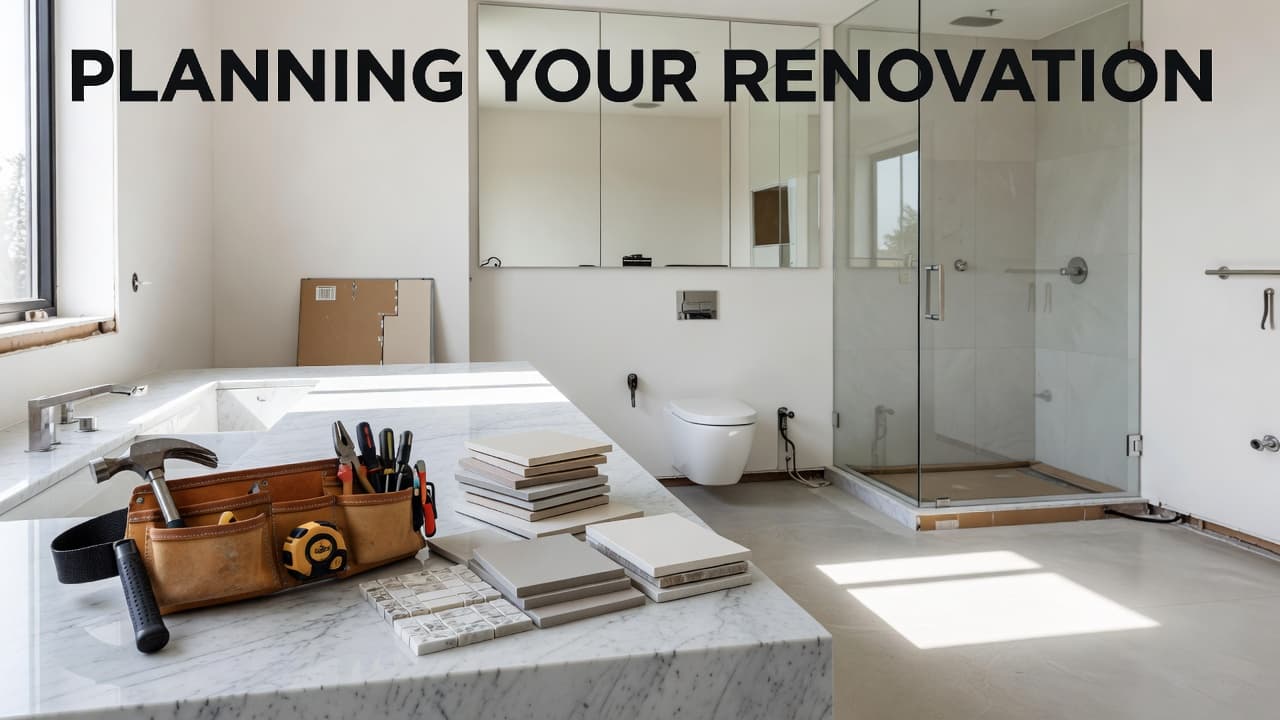
A bathroom remodel follows a predictable pattern, even when the specific details change. Once you understand the sequence, the timeline makes much more sense.
Planning, selections, and permits
This design phase often takes the longest before anyone picks up a tool. During this pre-construction phase, you will finalize your bathroom design, order materials, and secure the necessary building permits. Condo or HOA approvals can add days or weeks before construction begins.
In Cape Coral and Lee County, building permits are typically required for projects involving plumbing, electrical, walls, or ventilation. If the remodel involves moving drain lines or opening a concrete slab, the schedule may slow further because city inspections must occur in a specific order. Condo and HOA reviews can add 30 to 60 days, and monthly board meetings can stretch that timeframe even further.
Demolition and discovery
Once the room is cleared, the demolition phase can move quite quickly. A small bathroom may take only a day or two. A larger primary bath can take longer, especially if the crew discovers hidden water damage, mold, old wiring, or soft subflooring.
This is the moment when many schedules change. If the bathroom had a slow leak, the visible damage is often only part of the problem. Detecting moisture is vital because wet framing or damp insulation can add extra drying time before the rebuilding process starts.
Rough-in and inspections
After demolition, contractors perform the plumbing rough-in and electrical work. If the floor plan changes, this stage lasts longer because new pipes, vents, outlets, and fan wiring must be installed and verified through city inspections.
In Southwest Florida, the calendar often changes before the first tile is set. Permits, board approvals, and hidden moisture are the usual reasons.
For homes built on a slab, structural changes like moving plumbing lines are especially time-intensive. Cutting into the concrete, patching the floor, and completing the required inspection steps add significant time that does not immediately show up in the finished room.
Drywall, tile, fixtures, and glass
Once the rough-in passes inspection, the room begins to take shape. Drywall, waterproofing, tile installation, painting, vanity installation, and final fixture installation make up the longest visible stretch of the project.
Tile work can slow the schedule because thinset, grout, and waterproofing membranes all require proper cure time. If you are adding a custom shower surround, the glass often arrives later because the installer needs final measurements after the tile is complete. If the vanity, mirror, or specialty lighting is backordered, the final days of this phase can drag on.
Punch list and final touches
Every remodel concludes with a series of small adjustments. A door may need leveling, or a paint touch-up may be required. Hardware, caulk, trim, and alignment issues are often addressed during the punch list stage.
When you compare contractors, ask whether the final timeline includes the punch list and all finish work or if it stops at the last major installation. That distinction changes expectations quickly. When you are reviewing local options, bathroom remodelers in Fort Myers can be a helpful point of comparison for scope and timing language.
Southwest Florida delays that change the calendar
Some delays are universal, while others occur more frequently due to the unique environment of Southwest Florida. Homeowners should always prepare for unexpected delays by accounting for the following variables:
- Building permits and city inspections: Securing proper documentation can add several business days to your project, particularly if local building codes require specific revisions or additional paperwork.
- HOA or condo approval: These requirements can slow the project before it even begins, especially if the board meets only once a month to review requests.
- Hidden water damage: Opening up walls often reveals structural issues, leading to extra drying time, mold remediation, or necessary subfloor replacements.
- Storm season scheduling: Hurricane season can interrupt supply chain deliveries or require contractors to prioritize emergency repair work elsewhere.
- Material lead times: Wait times for custom tile, glass, or special-order vanities often dictate the project pace more than homeowners expect.
- Humidity: High levels of moisture in the region can slow down the curing times for thin-set, grout, and paint, making overly aggressive schedules unrealistic.
Cape Coral and other coastal areas often involve projects where a bathroom sits against an exterior wall or near an aging plumbing line. These factors increase the likelihood of discovering complications once the work begins.
If a general contractor provides a timeline that sounds unusually short, ask how they manage unexpected delays that occur during the demolition phase. A realistic plan should always leave room for potential moisture issues or structural surprises that frequently appear once the drywall comes off.
How to keep the project moving without rushing it
A bathroom remodel stays on track when your bathroom design is finalized during the initial design phase. By securing your choices for tile, vanities, faucets, lighting, and mirrors before demolition begins, you can proactively avoid unexpected delays. Late changes during the construction process almost always cost valuable time and money.
A simple, transparent schedule also helps keep things organized. Ask your contractor for a written plan that outlines when demolition starts, when rough-in inspections occur, when tile installation is expected, and when the final punch list should be completed. Working with an experienced design-build firm can help you manage these moving parts more effectively, as they often have established workflows to keep the project on track.
Keep these habits in mind to ensure a smooth renovation:
- Confirm whether building permits are needed before demolition starts.
- Ask what specific approvals your HOA or condo board requires.
- Order materials early to account for long material lead times, especially for custom items.
- Ask how hidden water damage or structural issues will be handled if they appear once walls are opened.
- Build in a reasonable cushion for tropical weather, inspections, and potential shipping backorders.
The most useful bathroom schedule is one that names the risks up front. It should clearly define what gets done, what requires inspections, and what factors could potentially shift the final completion date. This level of clarity makes the project much easier to follow and significantly less frustrating for everyone involved.
Frequently Asked Questions
How long should I expect to wait for HOA or condo approval in Southwest Florida?
HOA and condo board approval processes can add 30 to 60 days to your project timeline, depending on how often the board meets. It is essential to submit all required documentation as early as possible to prevent these administrative requirements from delaying your construction start date.
Why does Southwest Florida humidity affect my remodel timeline?
High humidity levels common in the region can significantly slow down the curing times for essential materials like grout, thin-set, and paint. If these elements are not allowed to dry thoroughly, it can compromise the quality of the finish and lead to future moisture issues.
What are the most common causes of delays during the demolition phase?
Unforeseen issues such as hidden water damage, mold, old electrical wiring, or soft subflooring are frequently discovered only after the walls are opened. These surprises require extra time for proper remediation and drying before the rebuilding process can safely resume.
Are building permits always required for a bathroom renovation?
In Cape Coral and Lee County, permits are generally required for any work involving plumbing changes, electrical upgrades, or modifications to structural walls. Working without necessary permits can lead to significant delays during city inspections and may cause issues if you decide to sell your property in the future.
Conclusion
A bathroom renovation in Southwest Florida usually takes longer than the initial estimate suggests, and that is a normal part of the process. Factors like securing building permits, managing approvals, addressing hidden damage, and waiting for special order materials are primary reasons your bathroom remodel timeline might stretch beyond the original projection.
It is important to remember that the pre-construction phase is just as critical to your success as the physical labor, such as flooring installation or fixture installation. The safest expectation is a schedule built around the actual sequence of work rather than a best-case scenario. If your contractor can clearly explain each phase and identify potential hurdles before work begins, you can move forward with a realistic plan that respects your home, your budget, and the local permitting process.
