Cape Coral Home Remodeling Contractors: What to Look For

Home remodeling can go smoothly, but only when the right people are on the job. In Cape Coral, that means more than finding someone who can swing a hammer. You need a contractor who understands permits, humidity, storm season, and how Florida homes hold up over time.
The best Cape Coral remodeling contractors give you clear answers before work starts. They talk about scope, budget, timing, and what happens when a material is late or a wall hides a surprise. That kind of clarity saves stress later, and it usually leads to better results.
Here is how to separate a solid pro from a risky bid.
Why local experience matters in Cape Coral
Cape Coral homes deal with more than style choices. Heat, moisture, and salt in the air can affect finishes, fasteners, cabinets, and paint. During storm season, deliveries can slip and schedules can change. A contractor who works here often knows how to plan around those realities.
Local experience also helps with code and permitting. A bathroom remodel in one neighborhood may need a different inspection path than a kitchen update in another. A contractor who understands the local process can keep the job moving and avoid expensive backtracking.
That matters even more if your home has older materials or signs of past water damage. The right team spots weak points early and builds the scope around them instead of hiding them behind new tile or fresh paint.
A useful local reference is Remodeling Your Cape Coral Home, which focuses on budget and timeline before the first wall comes down. Those two things shape almost every successful project.
Planning your remodel before the first wall opens
Good remodeling starts long before demolition. A strong contractor measures carefully, checks the layout, and asks how you use the space each day. That conversation matters because a pretty design can still fail in real life if it does not fit your habits.
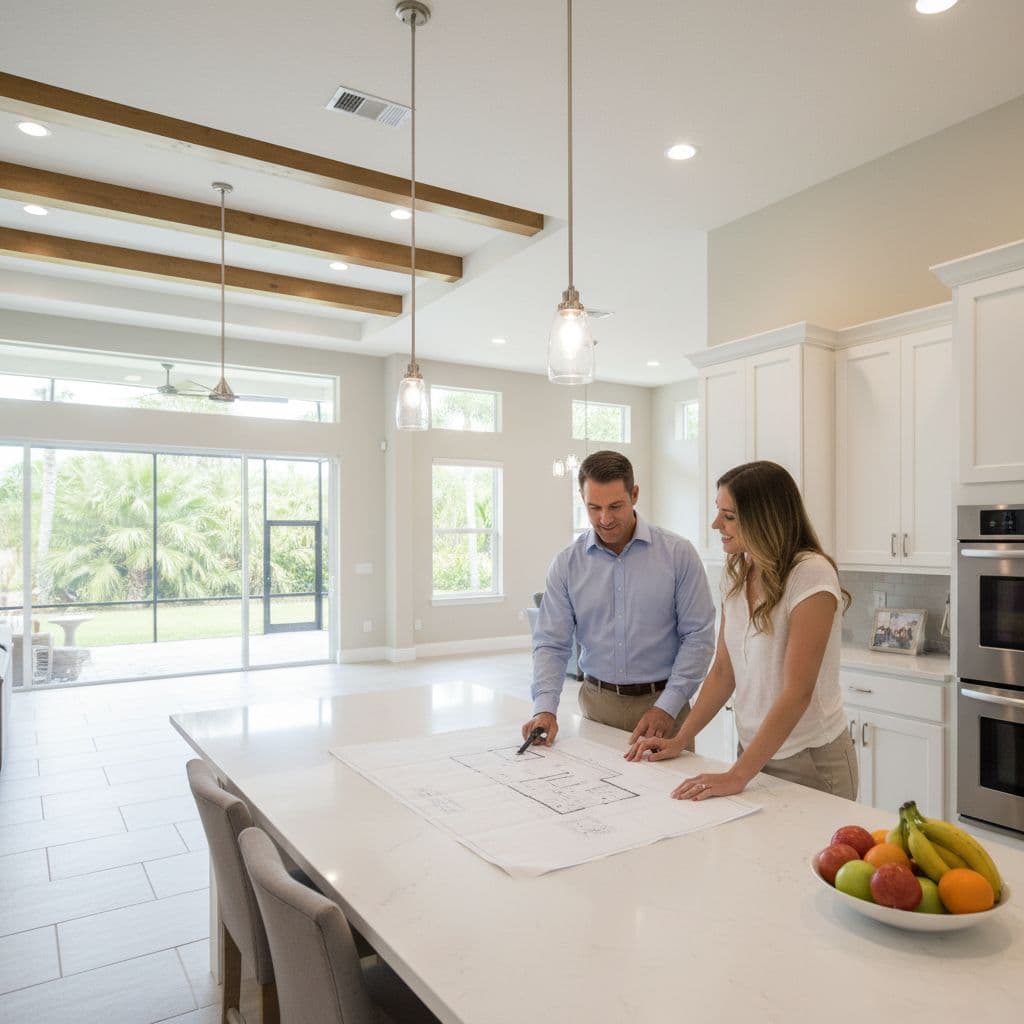
Planning also means setting expectations about materials and delays. Cabinets, fixtures, tile, and flooring all have lead times. If your contractor knows those dates early, they can build a more realistic schedule and avoid empty workdays.
Before demolition begins, the job should also have a clear prep plan. That includes protecting nearby rooms, moving valuables, and deciding where people will live while the work happens. If you want a practical starting point, the Residential Remodeling FAQs page gives a simple picture of how prep makes the rest of the job easier.
A good plan does not remove every surprise. It does reduce the number of bad ones.
Signs of good craftsmanship and steady communication
Craftsmanship shows up in the details. Look at tile lines, trim joints, cabinet gaps, and paint edges. Those small things tell you a lot about how a crew works. Clean work usually means careful work, and careful work tends to last longer.
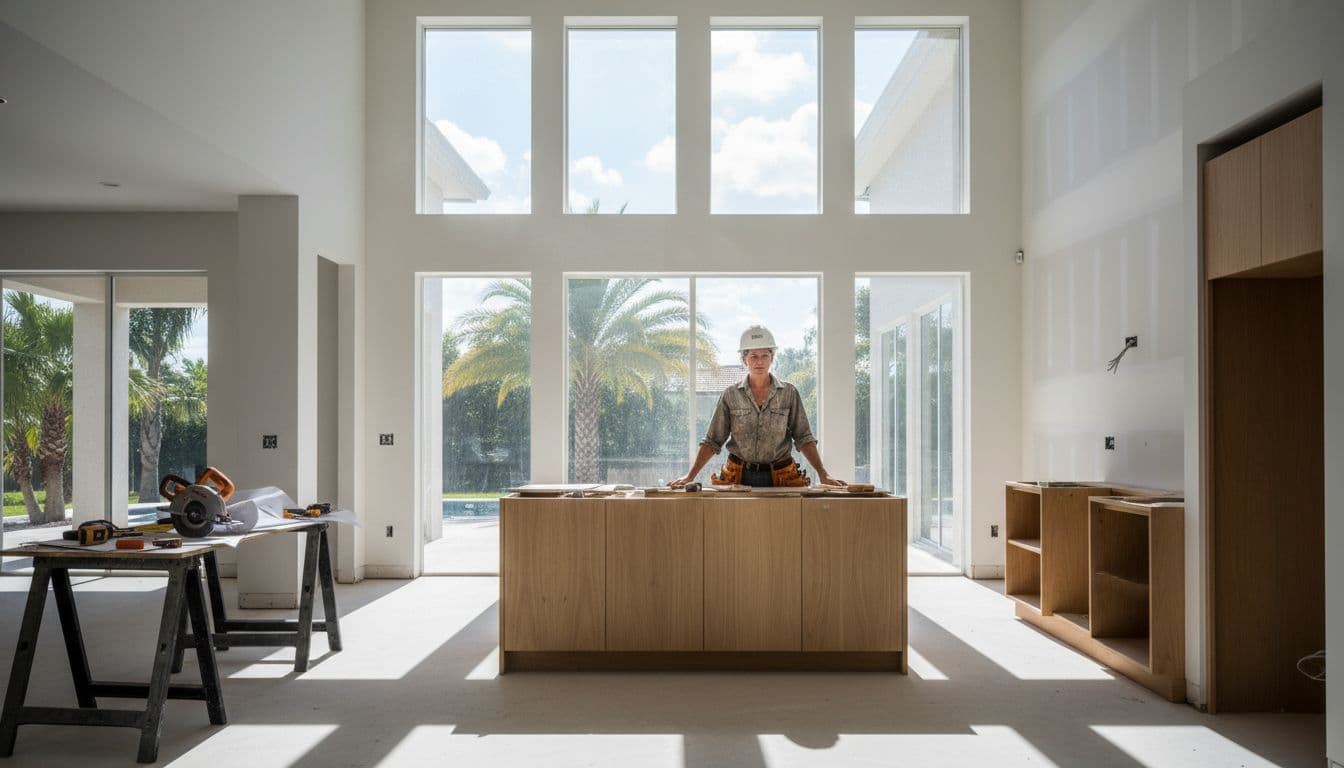
Communication matters just as much. You should know who to call, when to expect updates, and how changes get approved. If a contractor disappears for days without explanation, that is a warning sign. Remodeling has enough moving parts already.
Watch how the contractor talks about problems. A reliable pro does not hide them or sugarcoat them. Instead, they explain what they found, what it means, and what it will take to fix it. That kind of honesty is especially important in bathrooms and kitchens, where water issues can sit behind walls for years.
Good communication also includes jobsite habits. Floors should be covered, dust should be managed, and tools should be put away at the end of the day. Those habits do not just keep the house cleaner. They show respect for your home.
Permits, schedules, and estimates should all be clear
A remodeling estimate should read like a plan, not a guess. It should spell out labor, materials, timeline, payment terms, and what is excluded. If those pieces are missing, you may be comparing one vague number against another.
Here is a simple way to read an estimate:
| Estimate item | What to look for | Why it matters |
|---|---|---|
| Scope of work | Rooms, finishes, and exclusions | Prevents surprise charges |
| Materials | Brands, allowances, or specs | Helps you compare bids fairly |
| Schedule | Start window and milestone dates | Sets realistic expectations |
| Payment terms | Deposit, progress draws, final payment | Protects your budget |
The takeaway is simple. A clear estimate helps you see whether two bids are truly similar.
A low bid can be expensive later if the contract leaves out labor, permits, or finish details.
Permits deserve the same attention. The contractor should say who handles them, how inspections fit into the schedule, and what happens if an inspector asks for changes. In Cape Coral, where weather and local rules can affect timing, that process should feel organized from day one.
Ask about deposits too. A reasonable upfront payment is normal. A large payment before work starts is not. You want a contractor who earns the next draw by finishing the next stage.
A detailed contract protects both sides. It should match the estimate, name the products or allowances, and explain how change orders work. If something changes later, the paper trail should be simple to follow.
Kitchen, bathroom, and whole-home work need different skills
Kitchen remodels usually involve cabinets, counters, electrical changes, plumbing shifts, and flooring. That mix creates more chances for delays, so the contractor needs strong scheduling habits. For a closer look at common kitchen problems, see kitchen remodel hurdles in Southwest Florida.
Bathrooms need a different set of skills. Waterproofing matters more there than in almost any other room. If the shower pan, tile backer, or sealants are done poorly, the damage can take time to show up. By then, the repair cost is usually higher.
Whole-home remodels ask for even more coordination. Walls come down, new finishes go in, and several trades may work in the same house at once. That kind of project needs a contractor who can sequence the work without turning the home into chaos.
If your remodel follows water damage or mold remediation, the stakes are even higher. The contractor should understand how repair and rebuild work connect. One team needs to finish cleanly before the next phase begins.
Questions worth asking before you sign
A short conversation can tell you a lot. Ask these questions before you commit:
- Are you licensed and insured in Florida?
- Who will manage permits and inspections?
- How often will I get updates?
- What is included in the written estimate?
- What happens if materials are delayed?
- How do you handle change orders?
- What warranty do you offer on your work?
The answers should be clear and direct. If a contractor avoids simple questions, that usually tells you more than a polished sales pitch.
It also helps to compare how each person explains the job. One contractor may focus on price alone. Another may walk you through the plan, the risks, and the timeline. That second approach often leads to a better remodeling experience.
Conclusion
The right remodeling contractor brings more than tools and a truck. They bring structure, local knowledge, and steady communication. In Cape Coral, that matters because homes here face heat, moisture, code rules, and weather that can affect every phase of the job.
When you compare bids, look past the number at the bottom. The best choice is the contractor who gives you a clear scope, a realistic schedule, and work that fits your home and your budget. That is what turns a remodel into a project you can trust.
