
Custom Kitchen Remodeling and Installation for a Better Home
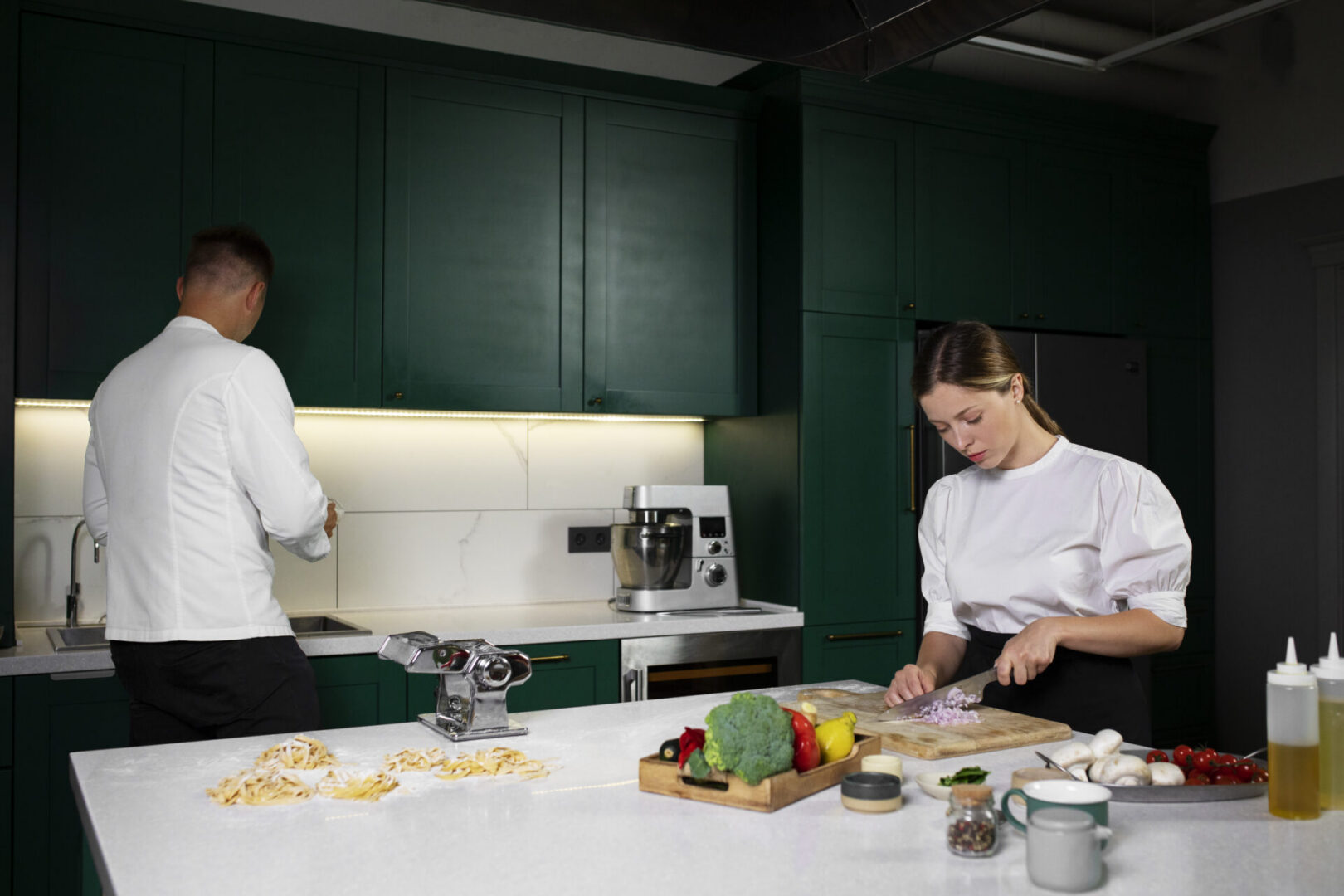
A kitchen can look fine and still make daily life harder than it should. If the storage is awkward, the counters feel crowded, or two people can’t move through the room at once, the problem shows up every day.
That’s where custom kitchen remodeling makes a real difference. It gives you a kitchen that fits how you cook, clean, gather, and store things, instead of forcing your routine into a space that never quite worked.
When the design is thoughtful and the installation is done well, the kitchen feels calmer, works faster, and adds value to the home. The details matter more than most people think, so the best place to start is with what a custom remodel actually solves.
Why a custom kitchen changes how your home feels
A custom kitchen is built around your habits. Maybe you need deep drawers near the range, a bigger prep area by the sink, or cabinets that reach the ceiling so clutter stays out of sight. Those choices sound small, yet they change how the room works every single day.
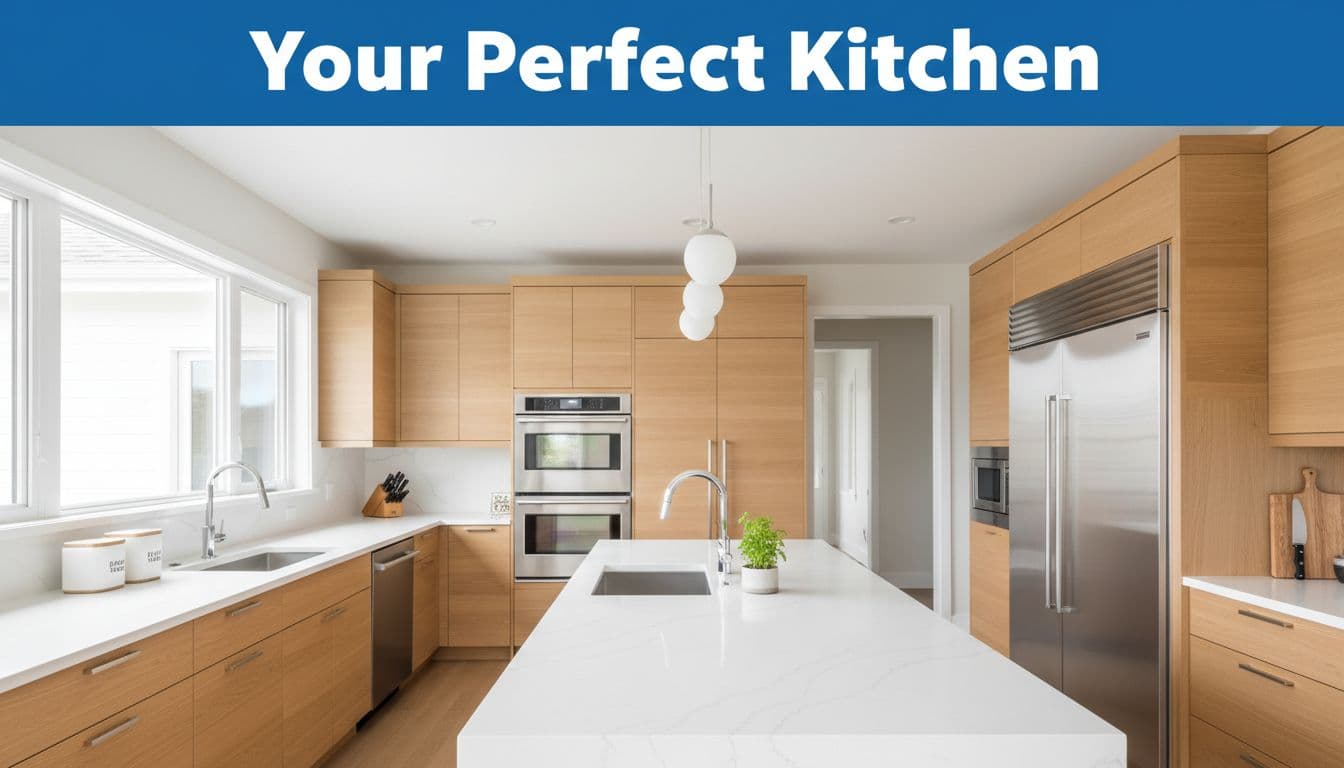
For many homeowners, the biggest win is storage. A custom layout can make room for pantry pull-outs, trash bins that hide neatly, and cabinets that keep dishes where you actually use them. That means less bending, less searching, and less clutter on the counters.
It also changes the feel of the home. A kitchen with better light, smoother flow, and well-chosen finishes feels more open and more welcoming. If your kitchen is the place where homework, meal prep, and late-night snacks all happen, the room needs to do more than look nice.
A custom kitchen remodel can also help with resale value. Buyers notice good layout, durable materials, and clean installation. They may not know every detail, but they can feel when a kitchen was planned with care.
Planning the remodel around the way your family lives
Good planning starts with honest questions. How many people use the kitchen at the same time? Where do you put groceries when you walk in? Do you cook often, or is the kitchen more of a gathering place?
A professional design plan should follow those answers, not ignore them.
The first step is mapping the work zones. Prep, cooking, cleanup, storage, and serving should each have a clear place. When those zones are too close together, people bump into each other. When they are too far apart, cooking becomes a chore.
Lighting matters here too. A bright ceiling fixture is helpful, but it is not enough. Task lighting under cabinets, inside darker corners, and over islands makes the room easier to use. The same goes for outlet placement. If you bake, blend, or charge devices in the kitchen, you need outlets where they belong.
A good remodel plan also leaves room for real life. That means enough walkway space, enough landing space beside appliances, and enough open area for family traffic. A kitchen should work on a school morning, during a holiday meal, and on a quiet Tuesday night.
Small planning choices add up. When they are done right, the room feels natural instead of forced.
Cabinets, countertops, and finishes that hold up
Materials shape how the kitchen looks, but they also shape how long it stays attractive. That is why cabinet construction, countertop choice, and surface finish deserve careful attention.
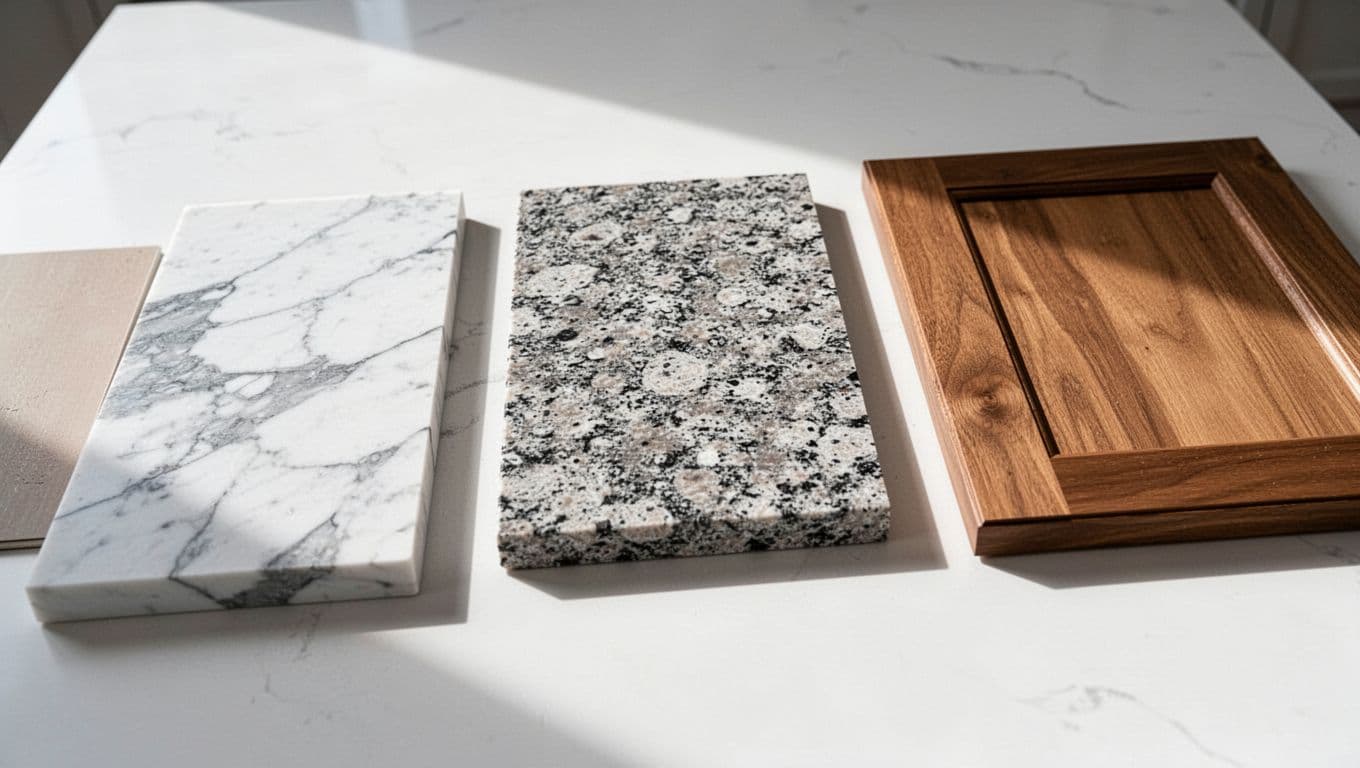
Cabinets usually take the most daily wear. Solid, well-built cabinet boxes, strong hinges, and smooth drawer hardware make a difference every time you open a door. Soft-close drawers are a nice touch, but sturdy joinery and a smart layout matter even more.
Countertops need to match your routine. Quartz is popular because it handles daily use well and offers a clean look. Granite brings natural variation. Butcher block adds warmth, though it needs more care. The best choice depends on how you cook, how much maintenance you want, and what kind of look fits the rest of the home.
Here is a simple way to compare common countertop choices:
| Material | What it does well | Keep in mind |
|---|---|---|
| Quartz | Low maintenance, consistent look | Can cost more than basic options |
| Granite | Natural character, strong surface | Needs sealing in some cases |
| Butcher block | Warm feel, easy to repair | Needs regular care and protection |
| Solid surface | Smooth seams, simple cleaning | Can show scratches over time |
The right finish matters too. Painted cabinets give a crisp look. Wood tones add warmth. Matte surfaces hide fingerprints better, while glossy finishes reflect more light. Think about how much cleaning you want to do, because a beautiful kitchen only stays beautiful if it fits your life.
Layout changes and installation quality that make the difference
A kitchen can have excellent materials and still feel wrong if the layout is off. Sometimes the fix is a larger island. Sometimes it is moving the refrigerator. In other homes, opening a wall creates the breathing room the space was missing.
The best layout changes make movement easier. They also reduce wasted steps. If you walk across the room ten times while making dinner, that adds up fast.
| Layout change | What it improves | Best fit for |
|---|---|---|
| Island addition | Prep space and seating | Open kitchens with enough floor space |
| Wall removal | Sight lines and traffic flow | Older homes with closed layouts |
| Pantry expansion | Storage and clutter control | Busy households that buy in bulk |
| Appliance relocation | Cooking workflow | Kitchens where the current setup feels cramped |
The strongest layouts are simple. They let you reach what you need without crossing the room three times.
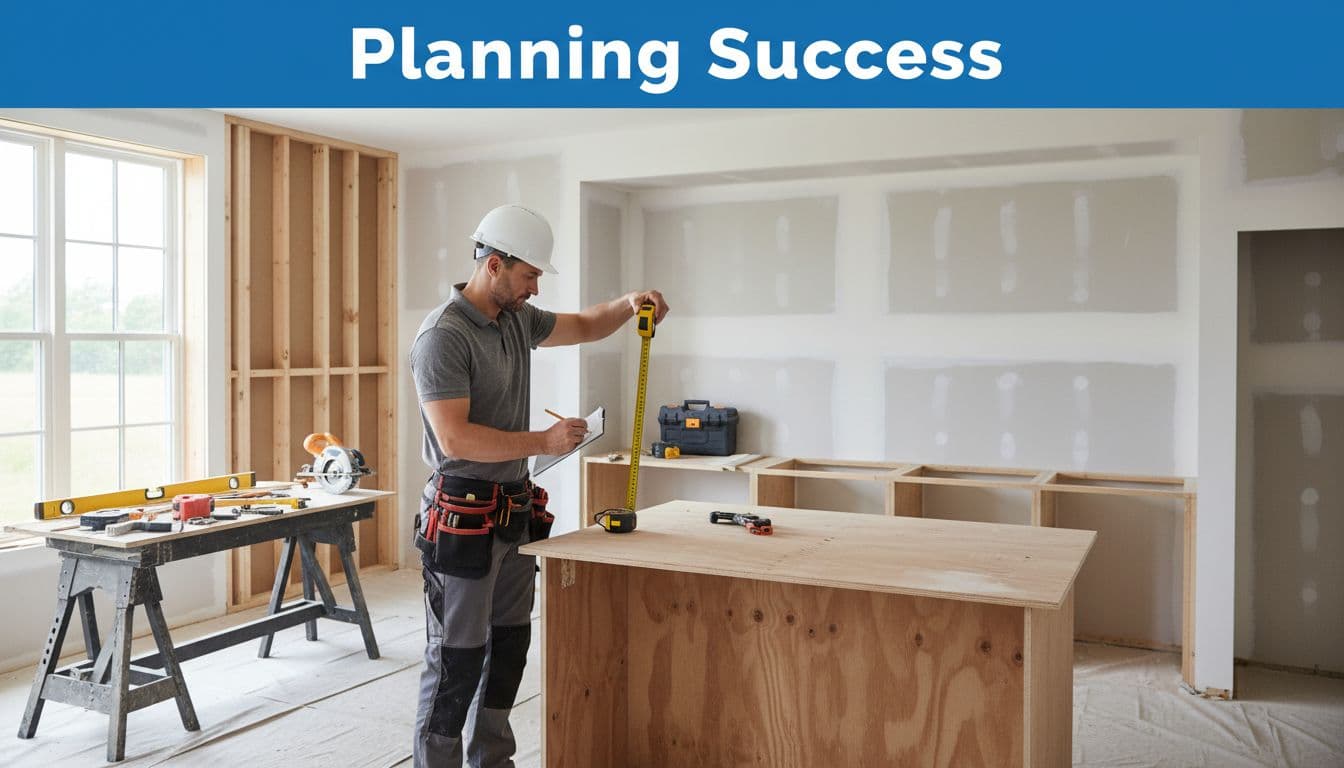
Installation quality is where a custom remodel proves its value. Cabinets should sit level. Countertops should fit cleanly. Doors and drawers should align. Seams should be tight. Plumbing and electrical work should be tested before the project closes.
A beautiful kitchen still fails if drawers stick, doors hang unevenly, or counters sit out of level.
That is why experienced installers matter. They catch small issues before they turn into daily annoyances. A slight gap, a crooked reveal, or a poor seal may seem minor at first, but you notice it every time you use the room.
Budget, timeline, and what to expect at each stage
A kitchen remodel budget depends on more than finishes. Layout changes, electrical updates, plumbing adjustments, cabinet quality, and countertop material all affect the total. Older homes may also need extra work once walls open up.
It helps to treat the budget as a set of parts, not one flat number. Cabinetry often takes a large share. After that, countertops, labor, flooring, fixtures, and appliance choices can shift the final cost quite a bit. A smart plan leaves room for surprises, because hidden repairs are common in older kitchens.
The timeline usually starts with design and measurements. Then comes ordering, demolition, rough work, installation, and final touch-ups. Material lead times can change the schedule, so a clear plan up front saves stress later.
Before the work starts, you can make the process smoother by clearing out cabinets, confirming selections, and asking how daily access will work. During construction, expect dust, noise, and some temporary inconvenience. After installation, walk through the space with the contractor and note any final adjustments.
A simple checklist helps:
- Before the remodel, confirm the design, materials, and schedule.
- During the remodel, stay in touch about changes, delays, or questions.
- After the remodel, review the finished details and keep care instructions close.
A clear process makes the project feel manageable, even when the kitchen is out of service for a while.
A kitchen that works the way you live
A strong kitchen remodel is built on three things, good planning, durable materials, and careful installation. When those pieces line up, the room becomes easier to use and better to live in.
That is the real value of custom kitchen remodeling. It gives you a kitchen that feels made for your home, your routine, and your family. If the current layout slows you down, the right remodel can change that in a way you notice every day.
