
Can Wet Insulation Be Saved After a Ceiling Leak
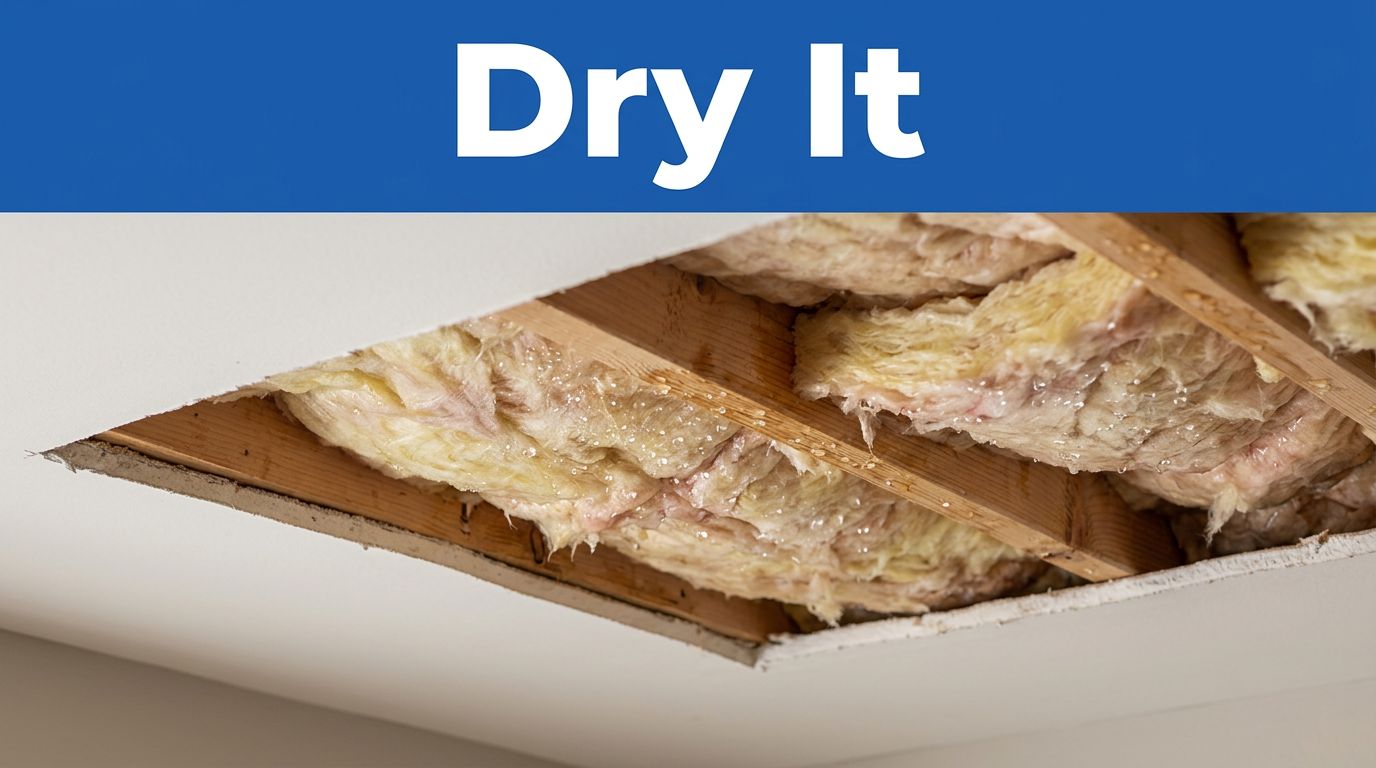
A ceiling leak does more than leave a stain. It can soak insulation, trap moisture in the cavity, and hide damage above the drywall long after the surface looks dry.
Whether wet insulation after a ceiling leak can be saved depends on what type it is, how much water it absorbed, how long it stayed wet, and whether the water was clean or contaminated. The first job is always the same, stop the leak, then inspect the cavity before you assume anything is salvageable.
Key Takeaways
- Wet insulation can sometimes be saved, but only when the leak is small, clean, and caught early.
- Fiberglass batts are the most likely to dry out, while cellulose usually needs replacement.
- Spray foam can behave differently, because the surrounding materials may hold water even when the foam looks fine.
- Drying the cavity matters as much as drying the insulation, because hidden moisture often sits in drywall, framing, and vapor barriers.
- If the insulation smells musty, sags, or stays wet after the leak is fixed, replacement is usually the safer choice.
What decides whether insulation can stay in place
The stain on the ceiling never tells the whole story. Water often spreads sideways in a ceiling cavity, then drops in one spot while the wet area above is much larger. That is why a small leak can create a bigger mess than it first appears.
Several factors shape the outcome. Clean water from a supply line or a roof opening is easier to deal with than water that has picked up dirt, insulation dust, or sewage. A short exposure is also different from a leak that has been feeding the cavity for days or weeks. If the insulation is still dripping, compressed, or cold and heavy to the touch, it is not ready to be left alone.
A good rule is simple. If the leak was sudden, the water was clean, and the insulation has been opened up and dried quickly, there is a chance it can be saved. If the leak was slow, repeated, or hard to trace, the odds move toward replacement.
If the cavity still feels damp, the repair is not finished yet.
A roof leak after a storm follows the same logic. The source matters more than the ceiling stain. For a plain-language reference on roof leak cleanup, this roof leak guide is a useful starting point.
How different insulation types handle ceiling leaks
Different insulation materials react in very different ways. Some dry out with decent airflow and dehumidification. Others hold water, clump together, or lose performance fast.
Here is a quick comparison.
| Insulation type | Can it be saved? | What usually happens after a leak |
|---|---|---|
| Fiberglass batts | Sometimes | Can dry if only lightly wet, clean, and not compressed |
| Blown-in fiberglass | Sometimes, but harder | Often clumps and dries unevenly, especially in hidden cavities |
| Cellulose | Usually no | Absorbs water fast, mats together, and often needs removal |
| Spray foam | Sometimes | The foam may resist water, but the surrounding assembly still needs drying |
Fiberglass batts are the most forgiving. They do not soak up water the way cellulose does, so a small amount of clean moisture may dry out if the cavity is opened and ventilated right away. The catch is that fiberglass batts can sag, shift, or stay wet against the drywall or framing. Once that happens, they may no longer fit properly or perform well.
Blown-in fiberglass is harder to judge. It settles into corners, joist bays, and hidden pockets, which makes it tough to dry evenly. If only the top layer got damp, a technician may be able to dry the cavity and leave some of it in place. If it packed together into a heavy mat, replacement is often the cleaner option.
Cellulose is the least forgiving. It behaves like a sponge, and once it gets wet it tends to clump, settle, and stay damp. That creates a mold risk and makes the insulation less effective. For that reason, cellulose often comes out after a ceiling leak.
Spray foam needs a closer look at the whole assembly. Closed-cell foam resists water better than loose-fill materials, but that does not mean the ceiling is dry. The drywall, wood framing, and any trapped air space behind the foam still need attention. Open-cell foam can absorb and hold moisture much more readily, so it is more likely to need removal if saturation is significant.
For another plain-English explanation of when replacement makes more sense, this wet insulation guide lays out the same basic decision points.
What to inspect before you decide
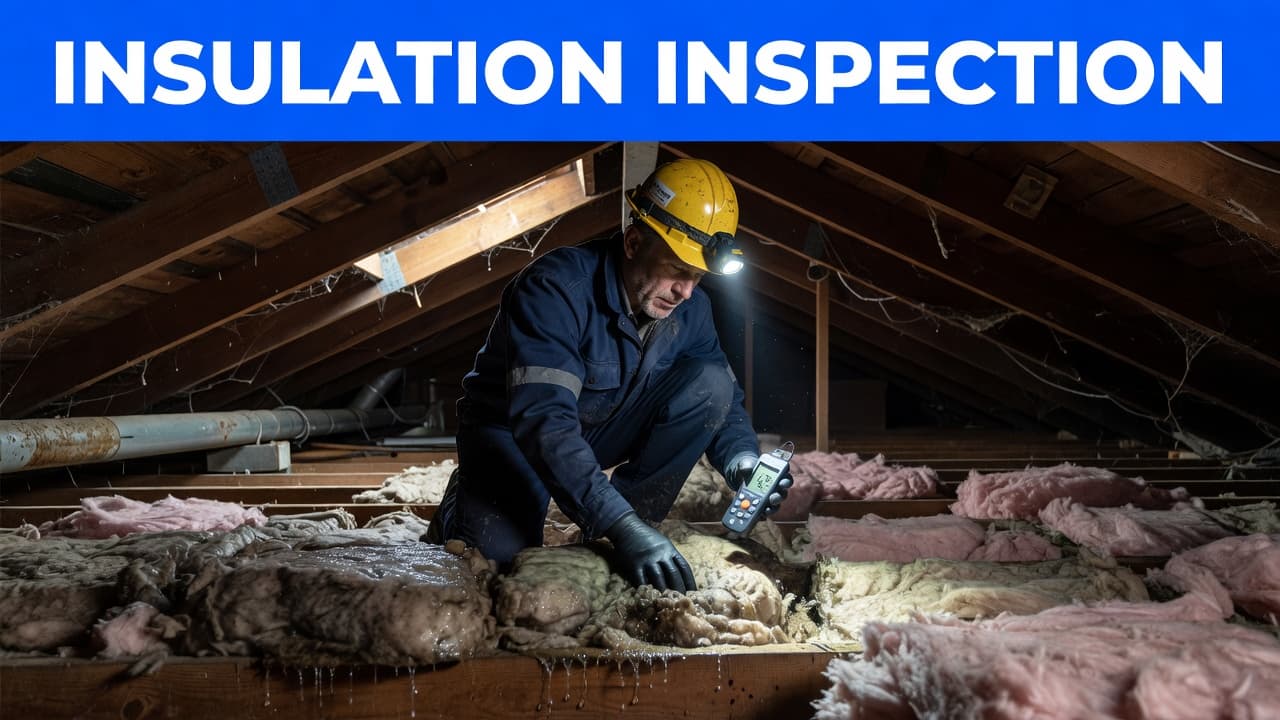
Photo by Erik Mclean
Before you decide to save or replace anything, inspect the full cavity, not just the stain. A ceiling leak often follows framing members, insulation edges, or vapor barriers, so the visible spot may be misleading.
Look for these signs:
- Sagging or fallen insulation. Batts that hang down or have pulled away from the cavity usually need replacement.
- Musty or sour odor. A bad smell often means the insulation or nearby wood stayed wet too long.
- Dark staining or discoloration. Brown, gray, or black marks can point to repeated leaks or mold growth.
- Soft drywall or bubbling paint. The ceiling board may still hold moisture even if the surface feels dry.
- Wet or wrinkled vapor barriers. Kraft paper, foil facing, or plastic film can trap moisture and slow drying.
Drywall matters too. If the ceiling board is swollen, crumbling, or soft around the leak, the insulation behind it may never dry properly until some of that material comes out. The same is true for vapor barriers that have been damaged or tucked tightly against wet insulation. Sometimes the barrier does its job too well and traps the problem inside the cavity.
A simple moisture meter can help, but it should not be the only check. Hidden water often lingers in the top edge of the drywall, the underside of the roof deck, and the framing above the leak. If you only check the face of the insulation, you can miss the part that matters.
Drying the cavity the right way
The leak source comes first. No insulation should be judged while water is still entering the ceiling.
After the leak is fixed, the next step is controlled drying. That may mean removing a section of drywall, pulling out soaked batts, or creating access so air can reach the cavity. In some cases, the insulation can stay in place while the area is dried with dehumidifiers and air movement. In others, partial demolition is the only realistic way to reach the wet materials.
This is where a lot of homeowners make the wrong move. They patch the ceiling surface too soon, close the cavity back up, and trap moisture inside. The stain disappears, but the damage keeps going behind the paint.
The right approach is slower and more direct:
- Stop the leak and verify that water is no longer entering the ceiling.
- Open the affected area enough to see the insulation, framing, and drywall edges.
- Measure moisture in the surrounding materials, not just the visible spot.
- Dry the cavity until the readings match nearby dry areas.
- Replace any insulation that stayed wet too long, got contaminated, or lost its shape.
That process keeps the repair honest. It also helps avoid repeated stains, lingering odors, and later mold work.
When replacement is the safer choice
Replacement is usually the better call when the insulation is wet for too long, has visible mold, or came from contaminated water. That includes ceiling leaks tied to sewage, heavy storm intrusion, or long-running roof damage that has already affected other building materials.
It is also the better choice when the insulation no longer sits properly in the cavity. Flat, fluffy material works only when it keeps its shape and stays in contact with the right surfaces. Once fiberglass batts slump or cellulose mats down, the thermal value drops. The space may look filled, but it does not perform like it should.
The same goes for repeated leaks. If a ceiling keeps getting wet in the same spot, the insulation may have been damaged more than once. Even if it dries between events, repeated saturation can weaken the material and the surrounding drywall. In that case, replacing the insulation and repairing the source is usually cheaper than chasing the same stain over and over.
When you are unsure, a local restoration pro or licensed contractor can help separate dry materials from the ones that need to come out. A good inspection should explain what was wet, what was removed, and what still needs monitoring. That kind of clarity matters more than a fast guess.
Conclusion
A ceiling leak does not automatically mean the insulation is ruined, but it does mean you need to look past the stain. Clean water, fast drying, and the right insulation type give you the best chance of saving it. Slow leaks, cellulose, visible mold, and trapped moisture usually point toward replacement.
The safest path is simple. Fix the leak first, open the cavity enough to inspect it, then decide based on what the materials actually look and smell like. When in doubt, treat hidden moisture as the real problem, because that is the part that keeps causing damage after the ceiling looks dry.
