Mold Damage Homeowners Insurance Florida: Is It Covered?
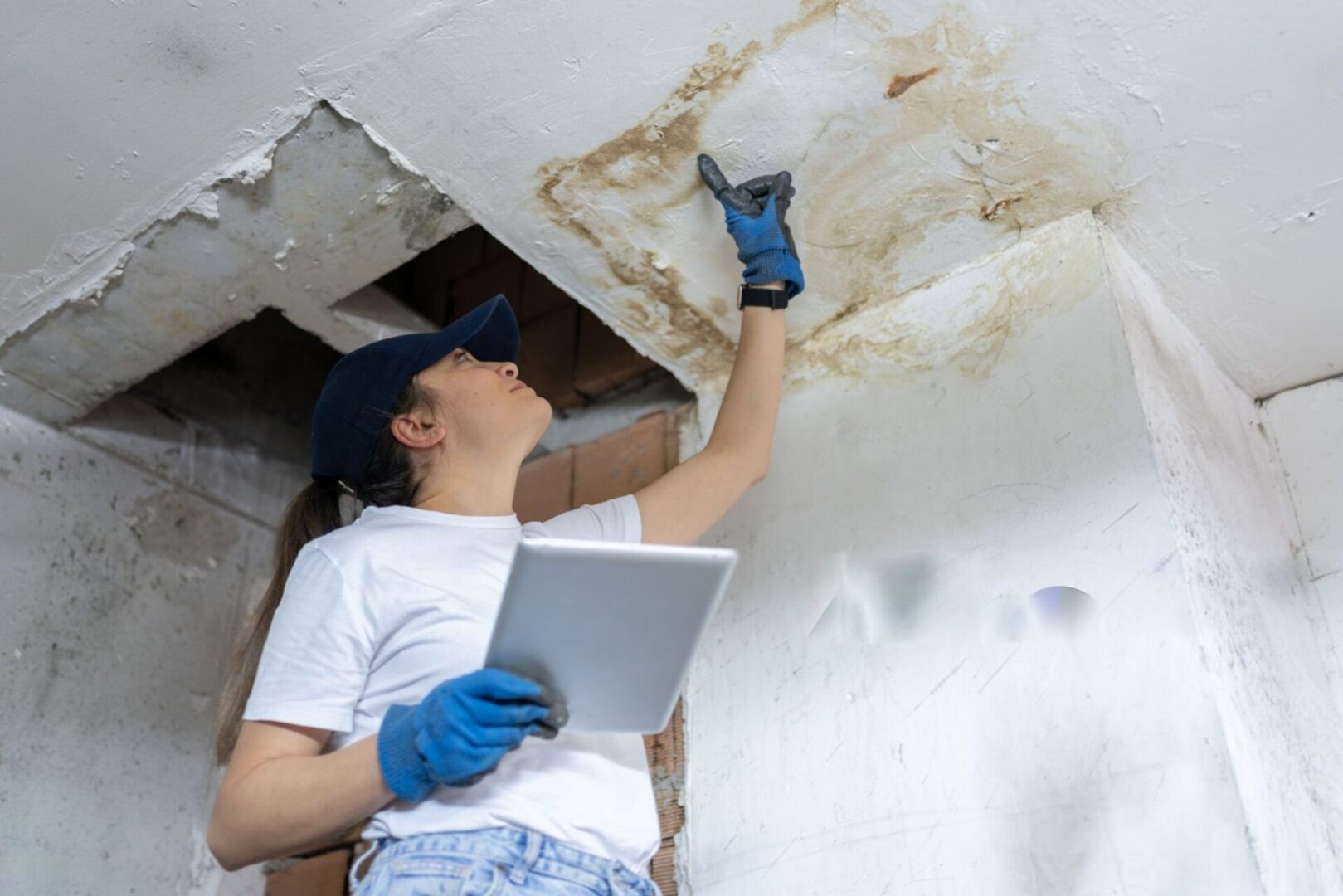
Florida homes live in a constant tug-of-war with moisture that often leads to mold damage. Humidity sneaks in through tiny gaps, summer storms push rain sideways, and one small plumbing leak can soak drywall like a sponge.
So, is mold damage covered by homeowners insurance in Florida? Sometimes, yes, but usually only when the mold is tied to a covered, sudden water event (like a burst pipe or storm-related opening). Even then, many policies cap mold payouts with a separate limit.
If you’ve had a leak or storm damage, fast action matters for filing a mold insurance claim. So does proof. In many cases, an Emergency Mold Inspection right after the loss can help show what happened, when it happened, and how far the damage spread.
When mold damage is covered in Florida, and what has to happen first
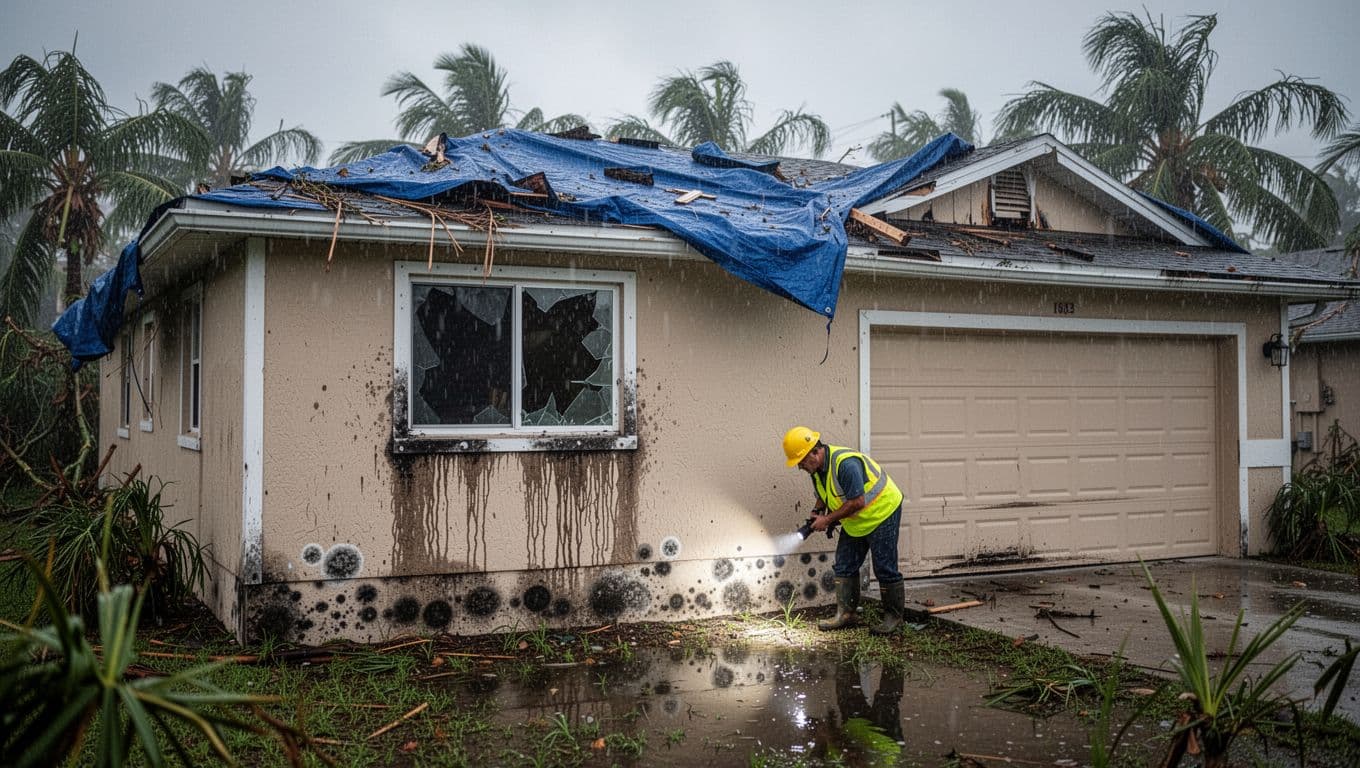
Most Florida insurers treat mold damage as resulting damage, not a stand-alone problem. In other words, the question isn’t “Do I have mold?” It’s “What caused the moisture that fed it?”
If the water damage source is covered, the mold coverage may apply to mold damage cleanup too. If the water damage source is excluded, the mold is usually excluded as well. Many policies also apply separate mold sub-limits even when the original water loss is a covered peril. The limit can be the difference between “helpful” and “nowhere near enough.” Note that standard homeowners policies differ from flood insurance, which handles flood-related issues separately.
For a plain-English overview of how Florida policies often approach mold, see this Florida mold insurance FAQ.
Covered causes that can trigger mold coverage (sudden and accidental water damage)
Florida homeowners tend to get traction with mold claims when the moisture came from something sudden and accidental, such as:
- A burst supply line under a sink that flooded the cabinet overnight
- A washing machine hose that failed and soaked the laundry room
- An A/C drain pan overflow that happened quickly (not months of slow dripping)
- Wind-driven rain that entered after a storm created an opening in the roof or wall
The “sudden” part matters because insurers often deny losses they believe were slow, repeated, or preventable. They may also expect you to stop the water quickly and begin drying right away.
If you can’t show when the water started, the insurer may argue it was a long-term leak.
How mold limits work, and why the payout may be smaller than you expect
A mold sub-limit is basically a “mini cap” inside your policy. Even if your dwelling coverage is high, mold coverage might be limited to a much smaller amount. $1,000 to $10,000 is common, and higher limits may require an added endorsement. Your insurance company will apply these sub-limits during the payout process.
This limit may apply to more than just removal. Depending on your policy, it can include testing, containment, demolition (tear-out), cleaning, and sometimes parts of the rebuild at replacement cost.
Here’s a quick way to think about it:
| Scenario | Water event covered? | Mold cleanup covered? | Common catch |
|---|---|---|---|
| Pipe bursts and you report fast | Often yes | Often yes (mold coverage) | Mold sub-limits may cap payout |
| Roof opening from storm lets rain in | Often yes | Often yes | Proof of storm-created opening |
| Slow drip under sink for months | Usually no | Usually no | “Maintenance” or “constant seepage” exclusion |
| Bathroom humidity and condensation | No | No | Considered preventable moisture control |
Check your declarations page and any endorsements for terms like “mold,” “fungi,” or “microbial growth,” plus the dollar limit.
Why mold claims get denied: the most common policy exclusions Florida homeowners run into
Mold claim denials can feel personal, but they’re usually mechanical. The insurer looks for exclusions tied to maintenance, time, and moisture control. If they can label it “ongoing,” they often try to close the door.
For a broader view of how mold coverage works in homeowners insurance (and when an endorsement may help), this guide to mold coverage breaks down common policy language in simple terms.
Neglect and long-term leaks: the #1 reason insurers say no
A slow leak is like a dripping coffee maker. One drop seems harmless, until the cabinet swells and the floor buckles.
Insurers commonly deny mold damage when the file suggests gradual seepage or delayed repairs tied to neglect or wear and tear, for example:
A slow roof leak that stained the ceiling for weeks. Plumbing leaks under a vanity that warped the baseboard. A recurring issue that “kind of always does that.”
The practical takeaway is simple: fix leaks fast and save proof for your mold insurance claim. Keep invoices, photos, and any plumber notes. When you can show you acted quickly, it’s harder for the claim to be framed as neglect.
Humidity, condensation, and poor ventilation are usually not covered
Florida air carries water like a heavy blanket. If that moisture condenses indoors, mold damage can appear without any “event” at all. Unfortunately, that kind of mold is usually considered preventable, so policies often treat it like maintenance, especially issues with the HVAC system.
A few prevention habits can help avoid both mold and coverage disputes:
Keep indoor humidity under about 60% when you can. Use bathroom exhaust fans during showers, and let them run afterward. Make sure the A/C runs and drains correctly, especially during long stretches of rain. Also check attic ventilation and insulation, since hot attics can drive condensation issues below.
Florida rules and policy fine print that can change your outcome
Florida homeowners insurance paperwork can be thick, but the small print controls a lot. Two items tend to affect mold claims most: how your policy discloses limits, and how quickly you report and mitigate damage.
Mold disclosures and optional coverage in Florida policies
Many Florida policies separate mold into its own section with special limits and exclusions. Your documents may also include state-required notices and statutory references. You might see Florida Statutes cited in the notices portion of a policy packet, even though they are best known for other property insurance topics. The big takeaway stays the same: your policy must clearly show your mold or fungi limitations and any endorsements that change them.
If you want more mold coverage, ask your agent about optional endorsements that increase mold limits. Expect higher premiums in Florida, especially in storm-prone areas.
Why speed matters: reporting deadlines, mitigation duties, and documentation
Most policies require you to mitigation, meaning you must stop the water and prevent more damage. Waiting can sink a mold insurance claim, because late reporting makes it easier to argue the leak was long-term. Report the loss promptly to your insurance company.
Keep your documentation tight for a successful claim:
Photos and video right away, before cleanup. Dates and times of the leak discovery. Repair invoices and drying equipment receipts. Notes from plumbers or A/C techs. If available, moisture readings and a professional inspection report. For complex claim disputes, consider consulting an insurance lawyer.
What to do right now if you find mold and want insurance to take it seriously
 Photo by Kathleen Austin Kuhn
When you spot mold damage, it’s easy to panic. Instead, think like you’re building a documentation file that answers three questions: what happened, when it happened, and what you did about it.
Step-by-step: from first photos to a stronger claim file
- Protect your health first. Limit time in the area, and keep kids and pets away to minimize health risks from potential black mold.
- Stop the water source. Identify and address the covered peril by shutting off valves, covering openings, or calling a pro fast.
- Document before you disturb. Take wide shots and close-ups, and capture any water damage or wet materials.
- Call your insurer. Ask about your mold sublimit and what they want next (adjuster visit, preferred vendors, documentation) to start your mold insurance claim.
- Get a professional mold assessment and estimate. Include an air quality test for a clear scope, not guesses, before proceeding with mold remediation.
- Keep a communication log. Save claim numbers, names, emails, and call notes with your insurance company to support your mold insurance claim.
Also, don’t toss damaged materials from mold damage until you’ve checked with the insurer, as long as it’s safe to keep them.
When an Emergency Mold Inspection helps, and where to get help in Southwest Florida
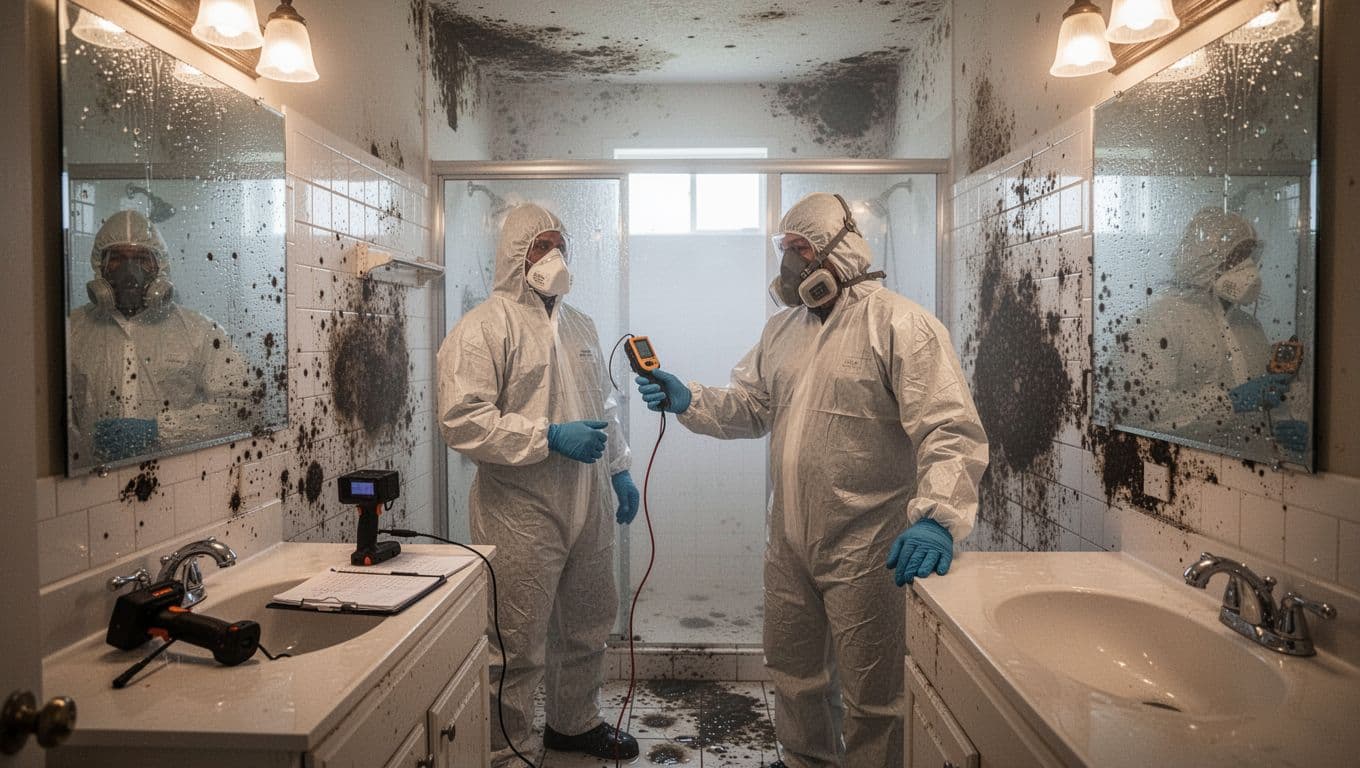
An Emergency Mold Inspection can support a claim by identifying the moisture source, mapping affected areas (including hidden spots), and documenting conditions before they change. A good report also helps justify the scope of work for mold remediation, especially when walls or cabinets need to come out.
Homeowners in Lee County can start with mold inspection in Fort Myers or review mold remediation services when cleanup is needed. If you’re in Cape Coral, this page on mold removal in Cape Coral explains local help and next steps.
If a claim turns into a dispute, it helps to understand how insurers argue causation and timing. This Florida mold claim discussion outlines common pressure points homeowners run into.
Conclusion
Mold damage in Florida is sometimes covered, but most policies only pay when mold follows a covered, sudden water loss. Even then, mold payouts are often capped by a sublimit that limits replacement cost potential. On the other hand, humidity, condensation, and long-term leaks commonly fall under exclusions. Review your homeowners insurance policy’s mold coverage limits now, and if water damage or visible mold shows up, act fast and document everything to protect your mold insurance claim.
