
AC Drain Line Overflow Cleanup for Cape Coral Homeowners
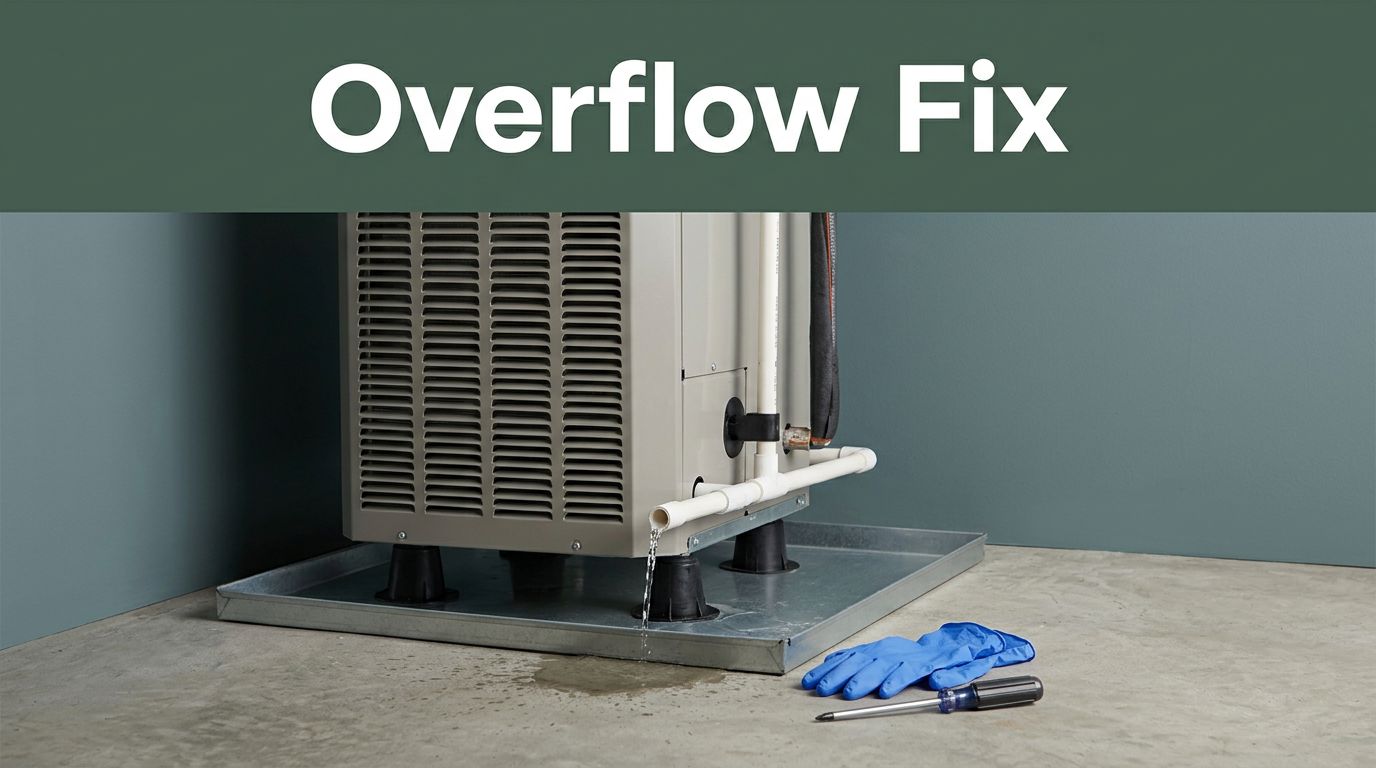
An AC drain line overflow can feel like your house sprung a leak out of nowhere. One minute the AC is humming, the next you’re stepping around a wet floor near the air handler, or spotting a ceiling stain that keeps growing.
The good news is most drain line backups start small, and fast action can limit damage. The goal is simple: shut the system down safely, stop the water, clear the clog, then dry the area fast so mold doesn’t get a head start in Cape Coral’s humidity.
Do this first (the first 10 minutes matter)

Water and electricity don’t “work it out.” If your air handler is in a garage, closet, or attic, assume there’s an electrical risk until you’ve confirmed it’s safe.
Do this first checklist:
- Turn the AC off at the thermostat (set to Off).
- Switch off power to the air handler at the breaker (or the nearby disconnect, if you know it’s the right one).
- Stay clear of wet electrical areas, especially outlets, extension cords, and ceiling fixtures under a drip.
- Put on PPE: nitrile gloves, safety glasses, and an N95 or KN95 mask. Wear closed-toe shoes.
- Contain the water: towels around the puddle, then a bucket or shallow pan under the drip if it’s still coming.
- Take photos before you move soaked items, helpful for insurance and for a pro who may need to trace the leak.
If the ceiling is bulging, water is near lights, or you smell burning, don’t touch anything. Turn off power to the area and call a licensed pro.
Safe cleanup steps after an AC drain line overflow
A condensate drain line is like a tiny gutter for your AC. In Cape Coral, algae and slime build up fast because the system runs hard and pulls a lot of moisture from the air.

Step-by-step (homeowner-safe)
- Remove standing water right away. Use towels, then a wet/dry vacuum on floors if you have one. If water reached baseboards or a carpet edge, don’t ignore it.
- Check the easy stuff you can see. Look for water around the AC closet, garage unit, or the emergency drain pan under an attic unit (if you can access safely). Don’t take the air handler apart.
- Find the drain line exit outside. Many homes have a small PVC line terminating near the outdoor unit or along an exterior wall.
- Clear the clog using suction (not pressure). Put the wet/dry vac hose over the drain line end and seal the gap with a rag. Run it for 30 to 60 seconds, then check if water starts flowing.
- Flush the line with vinegar if you have an access tee. A cup of distilled white vinegar can help break down slime. If you want a deeper walkthrough, see HVAC.com’s guide to cleaning an AC drainpipe.
- Replace a dirty air filter. A clogged filter can contribute to coil issues and extra water where it doesn’t belong.
- Only restore power after the drain is flowing. Then watch it for 10 to 15 minutes to confirm the overflow doesn’t return.
Don’t pour random chemicals down the line and hope for magic. If you use any cleaner, follow the label and never mix products.
Drying, sanitizing, and limiting mold risk in a humid climate
In Southwest Florida, water doesn’t “just dry up.” Humidity keeps materials damp longer, especially in AC closets, garages, and under floating floors. After an AC drain line overflow, the cleanup isn’t done when the puddle is gone. Drying is what protects cabinets, drywall, and indoor air.
A quick drying checklist
- Move air: set up fans to blow across (not directly into) the wet area.
- Pull moisture out: run your AC only after the drain is fixed, and add a dehumidifier if you have one.
- Lift what you safely can: pick up wet rugs, mats, and stored items so air can reach the floor.
- Blot baseboards and drywall: if drywall is soft, swollen, or crumbling, stop and call a pro.
- Sanitize smart: mild soap and water works for many hard surfaces.
Two safety cautions matter here:
- Electrical hazard: Don’t run fans or dehumidifiers on wet power strips. Use a dry, grounded outlet.
- Chemical hazard: Never mix bleach with vinegar or ammonia. That can create dangerous fumes. If you choose a disinfectant, use one product at a time and ventilate the area.
Here’s a quick guide for deciding when DIY is enough and when you should bring in help:
| What you’re seeing | DIY might be OK | Call a licensed pro |
|---|---|---|
| Small puddle on tile, caught fast | Yes | If it returns the same day |
| Water under laminate or vinyl planks | Rarely | Yes, to prevent hidden damage |
| Ceiling stain, sagging drywall, or attic pan overflow | No | Yes, water can spread unseen |
| Musty odor after 24 to 48 hours | Maybe | Yes, to check for moisture and growth |
| Water near wiring, outlets, or the air handler controls | No | Yes, electrical risk |
Prevent future overflows (and know when to call in help)
Once you’ve mopped up, it’s tempting to forget the whole thing. Still, drain line clogs love to come back, especially during muggy stretches and long cooling cycles.
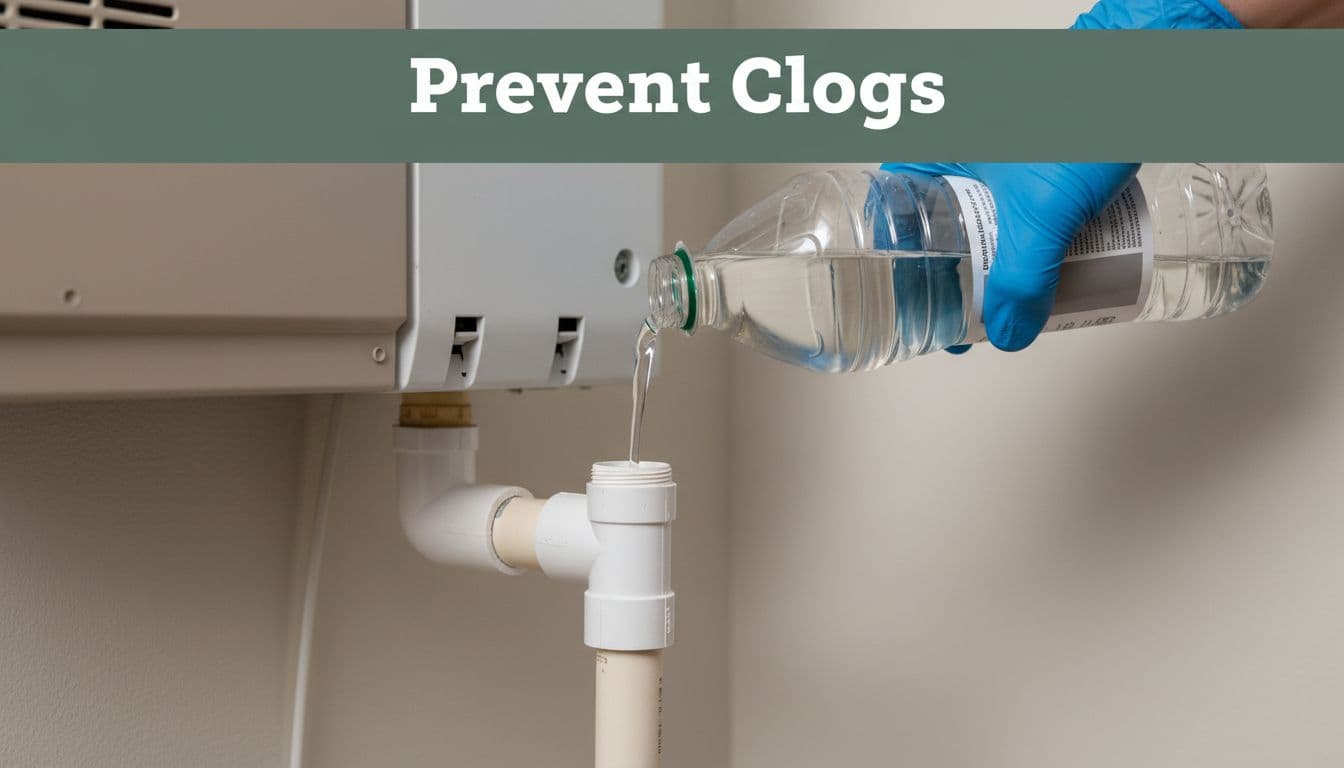
A simple prevention routine
- Monthly during heavy AC use: pour a small amount of distilled white vinegar into the drain line access tee (if you have one). For more prevention tips, see how to prevent AC drain lines from clogging.
- Change filters on schedule: many Cape Coral homes do best with checks every 30 days.
- Watch for early clues: a musty smell, gurgling near the drain, or a float switch trip are warning signs.
- Schedule maintenance: a tune-up can include clearing the line and checking drain pan condition. If you want local context on ongoing care, review Cape Coral drain line maintenance info.
Call an HVAC tech if the system keeps shutting off, the pan looks rusted, or you can’t keep the line clear. Call a water damage team if water reached drywall, insulation, cabinets, or flooring layers. In Cape Coral, that hidden moisture can spread like a slow spill under a door.
Conclusion
An AC drain line overflow is stressful, but it’s also fixable when you move fast and stay safe. Shut off power, clear the clog with suction, and dry the area like you mean it. If water got into walls, floors, or electrical areas, bring in licensed help right away. When you’re ready, Services 321 can help with cleanup, repairs, and restoring the affected space so it doesn’t turn into a bigger project later.
