
Dry Rot vs Water Damage: Wood Problems Florida Homeowners Often Misread
A soft spot in your floor, bubbling paint on trim, or a musty smell can feel like the same problem every time: “water damage.” In Florida, that assumption is common, and it’s also where people get burned.
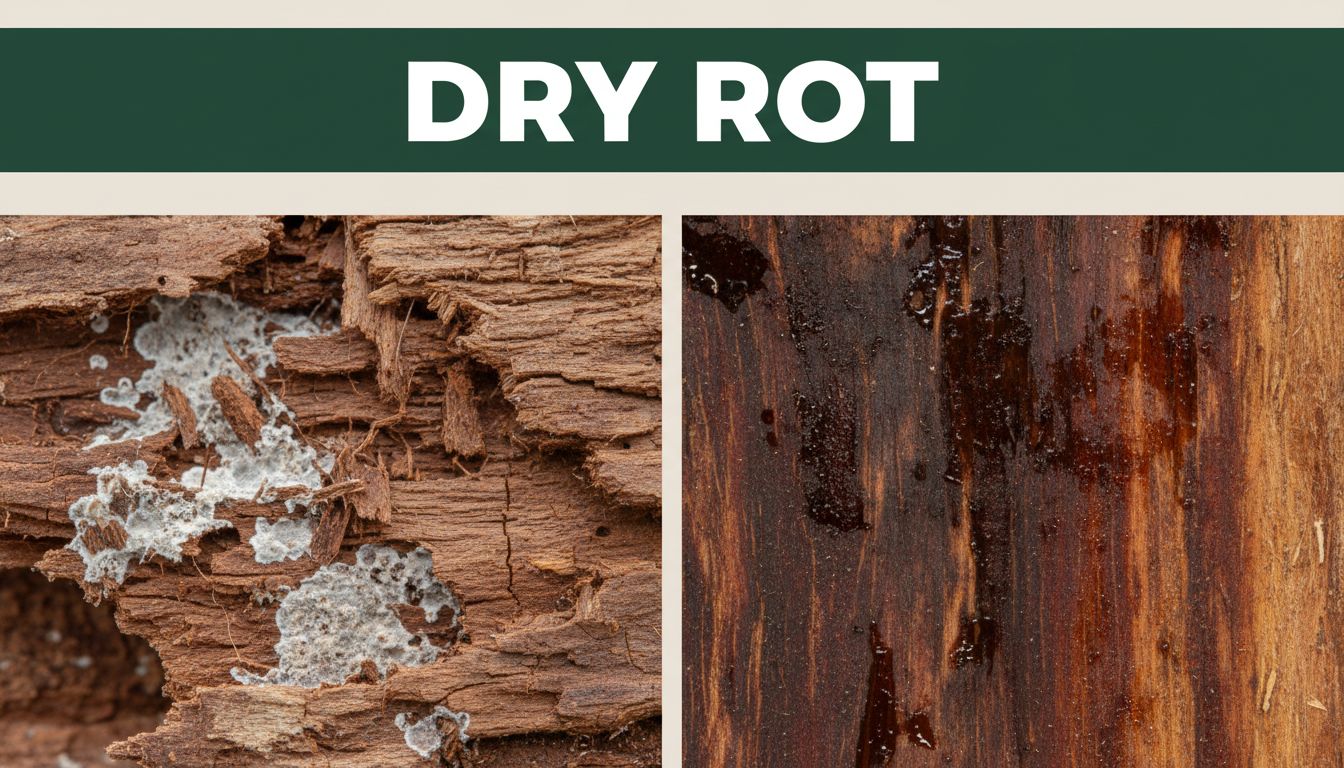
The truth is dry rot vs water damage is not a small wording difference. One is moisture that changed the wood, the other is often fungal decay that can keep weakening wood even after the surface looks “dry.”
If you’re in a humid or coastal area, this guide will help you spot the difference, use simple checks, and decide what to do next.
Dry rot vs water damage in Florida: what’s actually happening
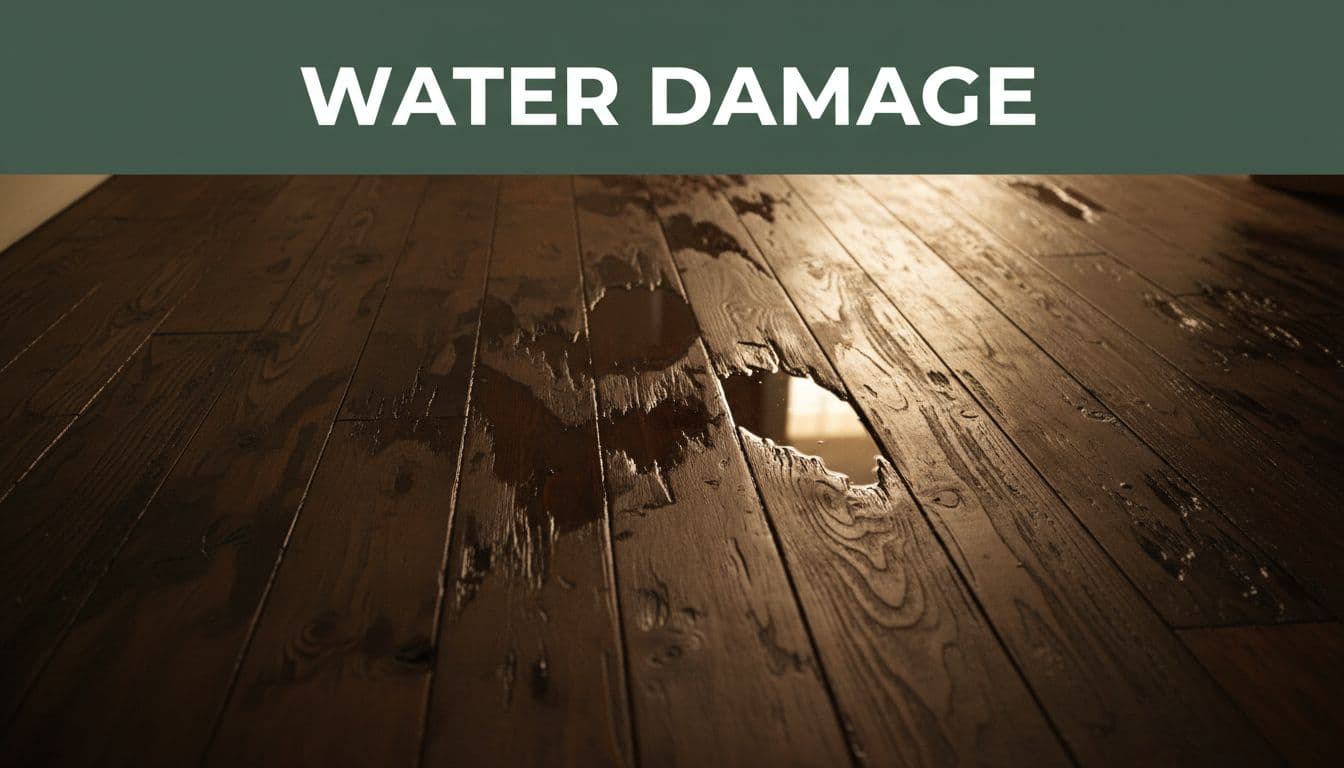
Water damage is the event and the after-effects. A leak, flood, wind-driven rain, or AC drain backup soaks wood. Wood swells, stains, warps, and sometimes delaminates (like plywood layers separating). If you dry it quickly and the wood stays structurally sound, you may not have rot at all.
Dry rot (a type of fungal wood decay) is different. It needs moisture to start, but once established, it breaks down the wood’s structure. That’s why a board can look “fine” from a distance but crush under a screwdriver.
A few Florida-specific reasons these get misread:
- High humidity hides the source. Condensation in wall cavities, attics, and crawl spaces can keep wood damp without a “leak.”
- Hurricane season creates layered damage. Wind pushes water behind siding, soffits, and windows, then it dries from the outside first.
- Termites and rot can overlap. Mud tubes or frass can distract from the moisture issue that started everything.
If you want a deeper comparison of rot behavior and why it’s confusing, see Dry Rot vs Wood Rot: what’s the difference. It helps frame why “rot” isn’t one single thing.
Moisture is the trigger. Stopping the water source is step one, even before you debate repair options.
The symptoms homeowners misread (and what they usually mean)
Here’s the tricky part: several signs look the same at first glance. Use them as clues, not a final answer.
One quick note before the table: a single symptom rarely tells the full story. Pair what you see with a moisture check and a gentle “press test.”
| What you notice | What it often means | What to do next |
|---|---|---|
| Paint bubbling on trim or soffit | Moisture behind paint, common from window leaks or humid air hitting cool surfaces | Find the moisture source, check caulk/flashing, take moisture readings |
| Musty smell near floors or closets | Ongoing dampness, possible microbial growth, not always visible | Check under baseboards, behind furniture, and in adjacent rooms |
| Crumbly wood that breaks like a cracker | Decay is likely, wood fibers have lost strength | Limit traffic load, plan for evaluation and targeted removal |
| Orange or brown dusty material | Can be rust staining from fasteners, or spore dust from some rots | Photograph it, avoid sweeping dry dust, check nearby wood firmness |
| Spongy floors or bouncy areas | Wet subfloor/joists, rot, or structural loosening | Stay cautious, check from below if accessible, consider professional inspection |
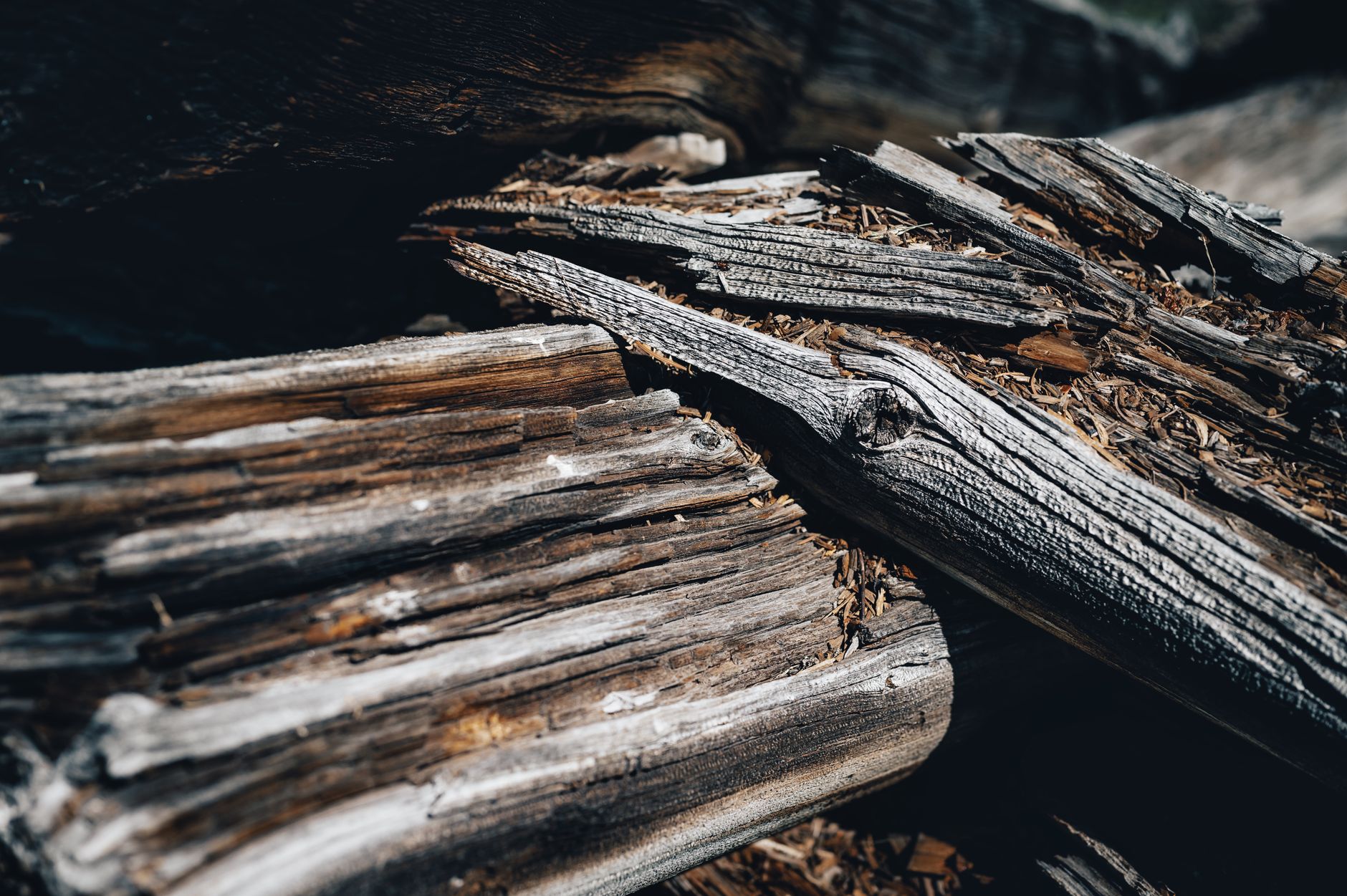
Photo by Alfo Medeiros
Two “tells” that push the needle toward rot, not just water:
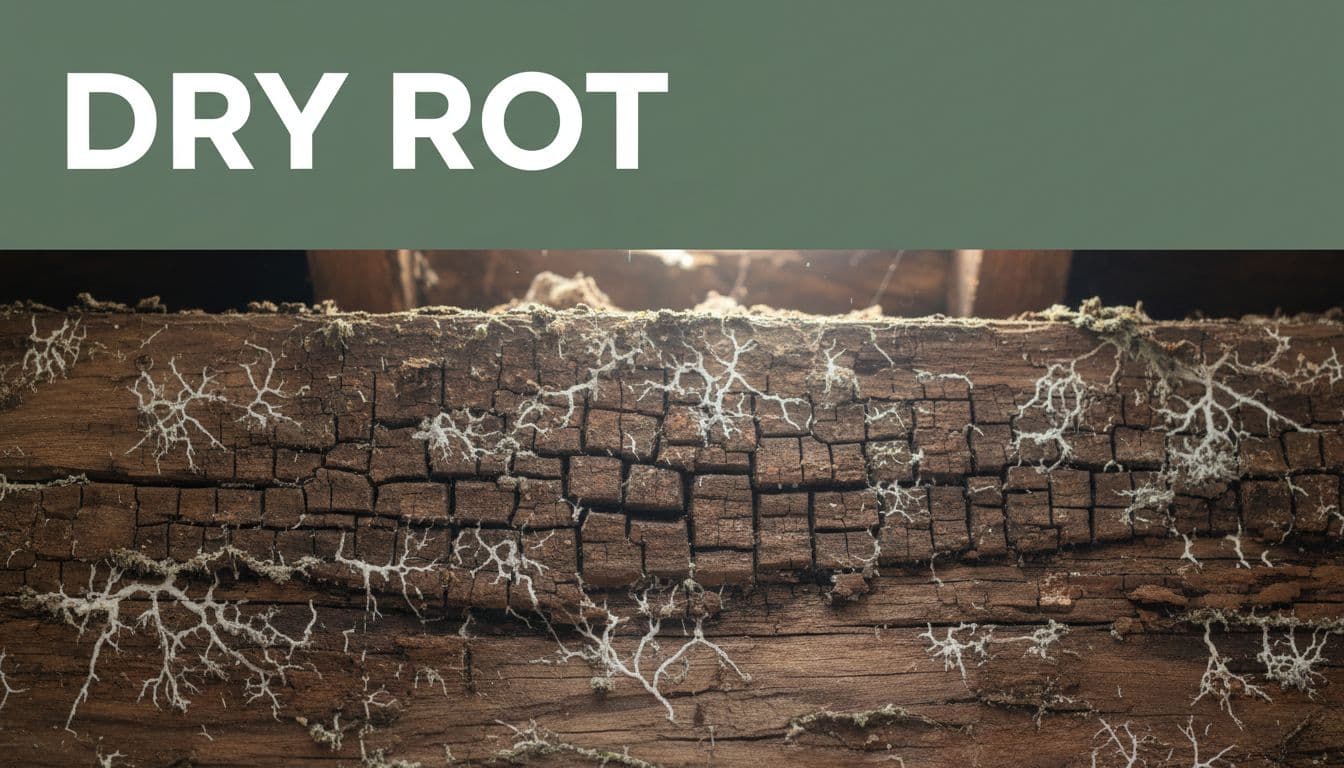
- Cubical cracking (a checkerboard pattern in the wood).
- Thread-like strands (mycelium) that look like dry white or gray fibers.
For more context on common dry-rot red flags, compare your observations to Signs of dry rot in home structures.
A quick decision tree and checklist: “If you see X, do Y”
When you’re staring at bad trim or a soft floor, it helps to follow a simple path. The goal is to protect the structure and avoid spreading contaminants.
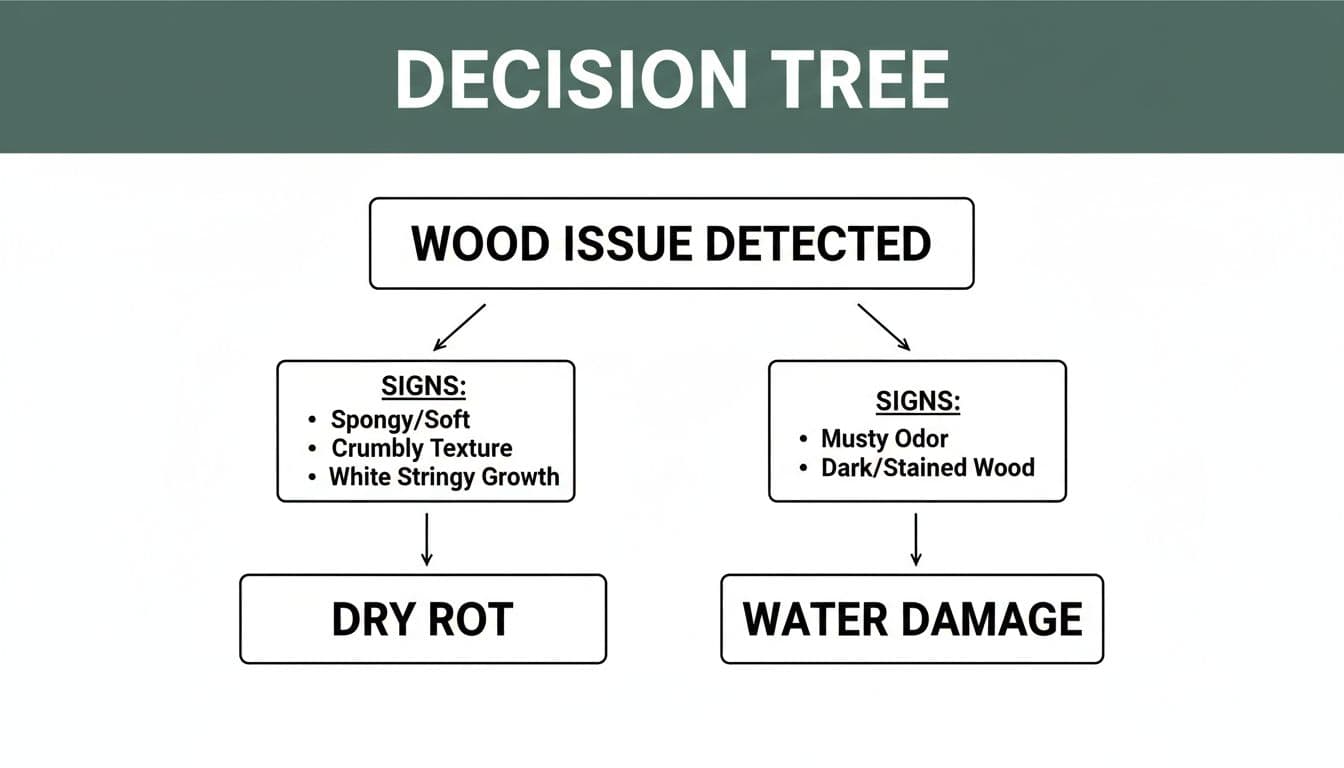
If you see X, do Y (practical checks)
- If the wood is wet but still firm, then focus on drying and monitoring.
Open airflow paths, run dehumidification, and re-check moisture daily. - If the wood dents easily with light pressure, then treat it as weakened.
Reduce loads (especially on floors and decks) and plan for repair. - If you see white or gray strands on wood or masonry, then avoid disturbing it.
Bag loose debris gently, limit sanding, and consider a pro evaluation. - If the damage is near electrical outlets or the service panel, then pause DIY work.
Water and wiring are a bad mix.
Moisture content thresholds (approximate, not a diagnosis)
A pin-type moisture meter can add clarity fast. Readings vary by wood type, meter quality, temperature, and salts (common in coastal air). Still, these ranges help you decide urgency:
- Under ~15%: Often considered “dry” for many indoor conditions.
- ~16% to 20%: Elevated, watch closely and find the source.
- Over ~20%: Concerning, because many decay fungi can grow when wood stays this wet.
If you’re sorting wet rot behavior vs dry rot behavior, difference between wet and dry rot explains why rot can keep progressing when the surface seems okay.
Don’t chase symptoms only. If moisture stays, repairs often fail early.
Safety, structural risk, and documenting damage (without guesswork)
Florida wood problems can involve more than wood. Damp materials may also support mold growth, and disturbed dust can irritate lungs. Wear gloves and eye protection at a minimum. If you see heavy growth or you have asthma, use a respirator rated for particulates and step back.
Structural risk matters too. Spongy floors can signal compromised subfloor or joists. Deck boards and stair stringers can fail suddenly. When in doubt, block off the area and avoid loading it.
How to document damage for contractors or insurance
Good documentation helps everyone stay on the same page. Keep it simple:
- Photos and video: Wide shot, then close-up, then a “context” shot showing the room.
- Moisture readings: Photograph the meter on the wood, note the location and date.
- A timeline: When you first noticed it, when repairs or drying started, and changes over time.
- Receipts and records: Plumber invoices, mitigation invoices, and any materials purchased.
This isn’t legal advice, but clear records can reduce delays and confusion.
If you want another plain-language comparison of rot categories and early clues, Dry rot vs wet rot: how to tell the difference is a helpful cross-check.
Conclusion
Florida homes see plenty of water, but not all wood damage is the same. The safest approach to dry rot vs water damage is to confirm moisture, stop the source, and treat soft or crumbly wood as a structural concern. If the area feels risky or the signs point to decay, bring in a qualified restoration or contracting team to evaluate and scope repairs. What you do in the first few days often decides whether this stays small or spreads.
