Post-Remediation Mold Clearance Testing for Fort Myers Homes
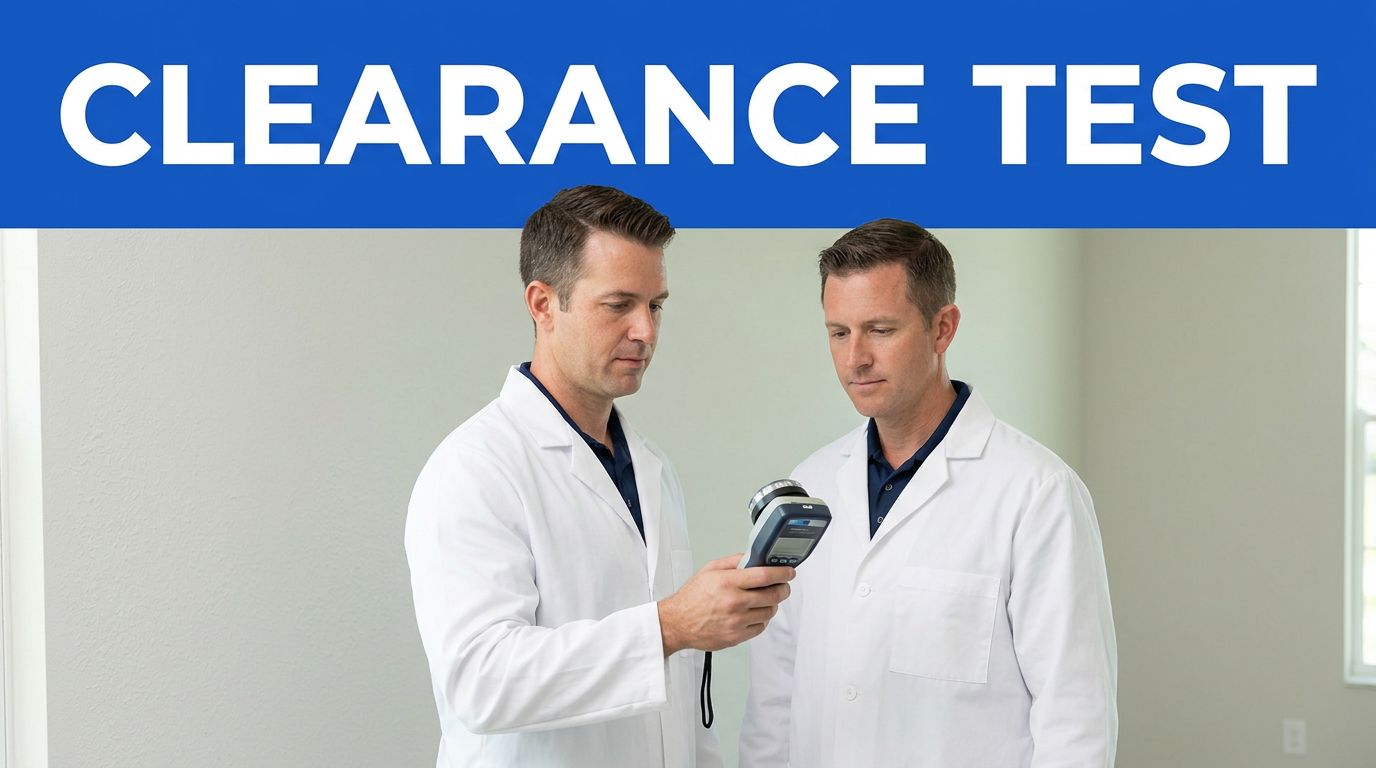
You paid for remediation, the work area looks clean, and the smell is gone. So why do some Fort Myers homeowners still order mold clearance testing before moving back in, listing the home, or closing a sale?
Because remediation is the fix, clearance is the proof. In Lee County’s heat and humidity, small misses can turn into a repeat problem fast, especially after a leak or storm. Clearance testing gives you a documented snapshot of conditions after the work, so you can make a confident next decision.
Remediation vs. clearance testing: two different jobs (and why independence matters)
Mold remediation focuses on removing or cleaning impacted materials, controlling dust, and correcting the moisture issue that fed the growth. Clearance testing (often called post-remediation verification, or PRV) checks whether the remediation achieved its goal.
A key point: the best clearance is usually done by a separate, independent assessor. That separation helps reduce conflicts and keeps the results credible for landlords, buyers, sellers, and insurers.
If the same company remediates and “clears” its own work, the paperwork may still be useful, but it won’t feel as neutral in a dispute or a real estate file.
Here’s a simple way to picture it.
| Step | Primary goal | Typical proof |
|---|---|---|
| Remediation | Remove/clean mold impact and control dust | Work logs, photos, moisture readings |
| Clearance testing (PRV) | Verify the area meets the agreed criteria | Visual checks, moisture checks, sampling results |
| Repairs/rebuild | Put the home back together | Invoice, permits (when needed), final walk-through |
Many pros align their process with industry concepts in the ANSI/IICRC S520 standard (a procedural standard for professional mold remediation). If you want the source, see the IICRC S520 overview.
Why Fort Myers homes benefit from clearance testing after remediation
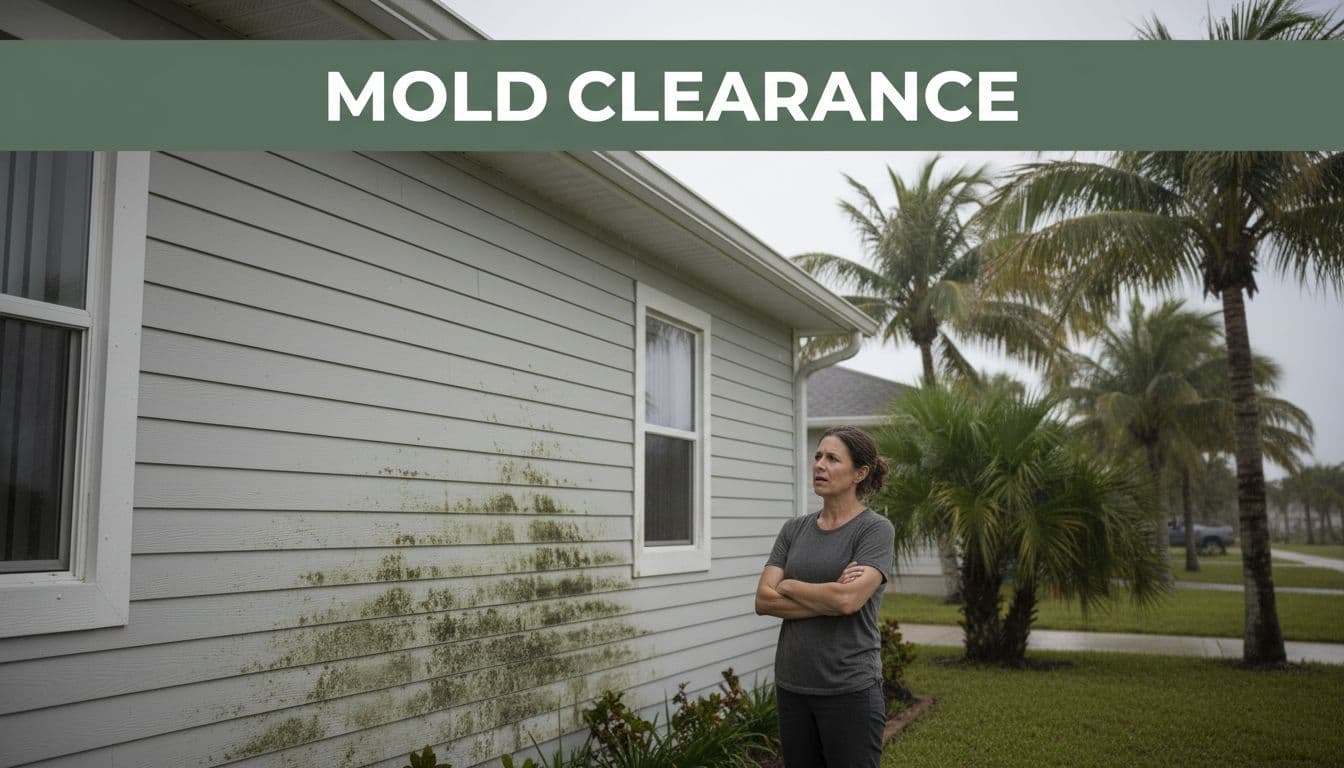
Fort Myers and Cape Coral homes fight moisture almost year-round. High outdoor humidity, heavy rains, and seasonal storms can keep materials damp longer than expected. In addition, HVAC systems run hard for months, and a small imbalance (like a clogged drain line) can add moisture right where you don’t want it.
Clearance matters even more when any of these are true:
Moisture events were recent, like a roof leak, plumbing failure, or storm intrusion. Porous materials were removed, which can release debris if containment failed. The affected area connects to the attic, a garage, or a return air path. Someone in the home has asthma, allergies, or a history of mold sensitivity.
Also, real estate timelines create pressure. Buyers want documentation, and sellers want fewer loose ends. A clear, third-party report can keep negotiations from turning into guesswork.
For background on commonly accepted remediation steps and cleaning concepts, the EPA’s guidance is a solid reference, including EPA mold remediation guidance (Chapter 3).
What happens during mold clearance testing (and what “pass” usually means)
Good mold clearance testing starts with the basics. The assessor should review the work area, look for visible dust or debris, and confirm the source of moisture is addressed. Next, they typically check moisture in building materials. In Fort Myers, “dry enough” often matters more than “looks clean,” because humidity can hide in drywall edges, framing, and baseplates.
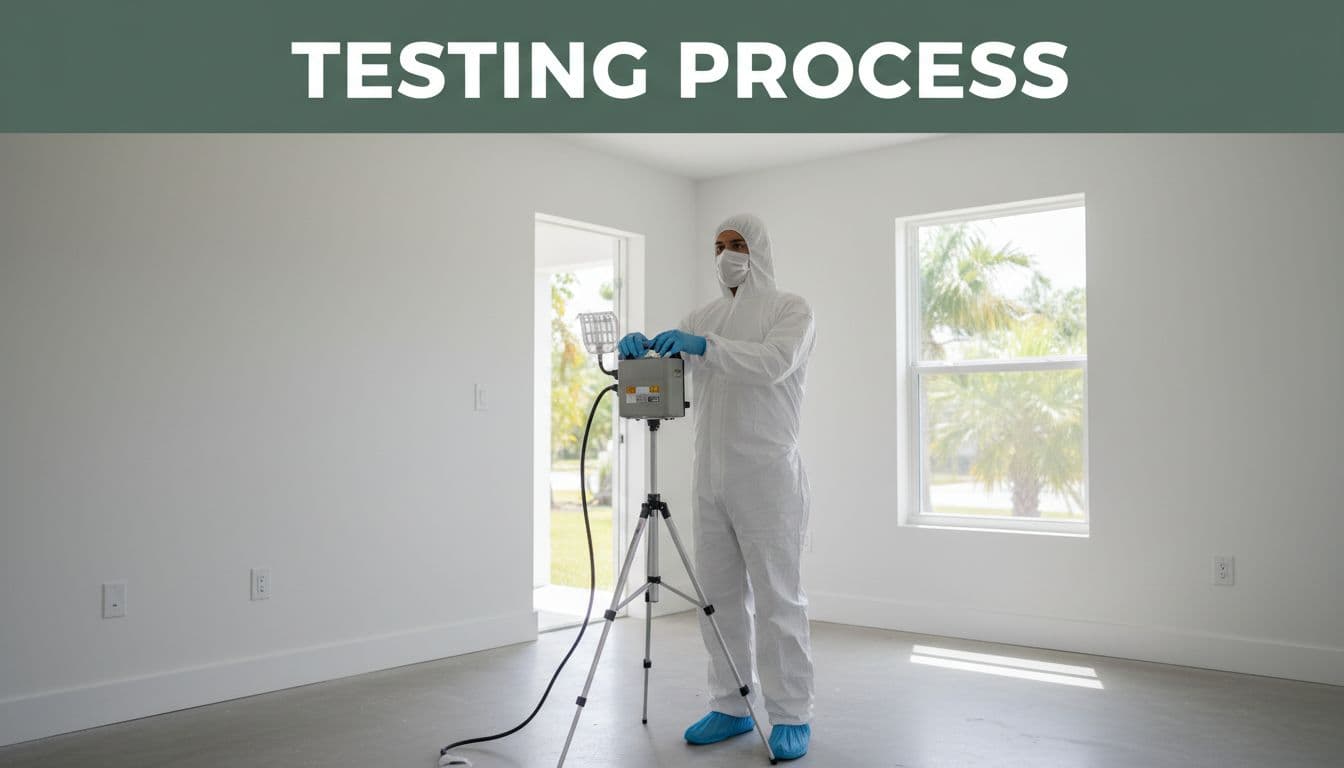
After that, the assessor may collect samples. The right sampling plan depends on the job scope and the building layout, but it often includes:
Air samples, usually from the remediated area and an outdoor reference. Surface samples (swabs or tape lifts) when a specific spot needs confirmation. Dust or cavity samples in select cases, such as hidden spaces or persistent odor complaints.
People often ask, “What number is safe?” The practical answer is that there isn’t one universal pass number for every home. Many assessors compare indoor results to outdoors and to unaffected indoor areas, then interpret species types and conditions. Just as important, the area should be visibly clean and free of active moisture.
The EPA also notes that sampling isn’t always required and should be used when it helps answer a clear question. That perspective is explained in EPA guidance on mold testing or sampling.
Clearance day in Fort Myers: prep, smart questions, and what to check in the report
Clearance results improve when the space is stable and the scope is clear. Think of it like a final exam. You don’t want someone slamming doors, running fans in random directions, or painting over stains that still need explanation.
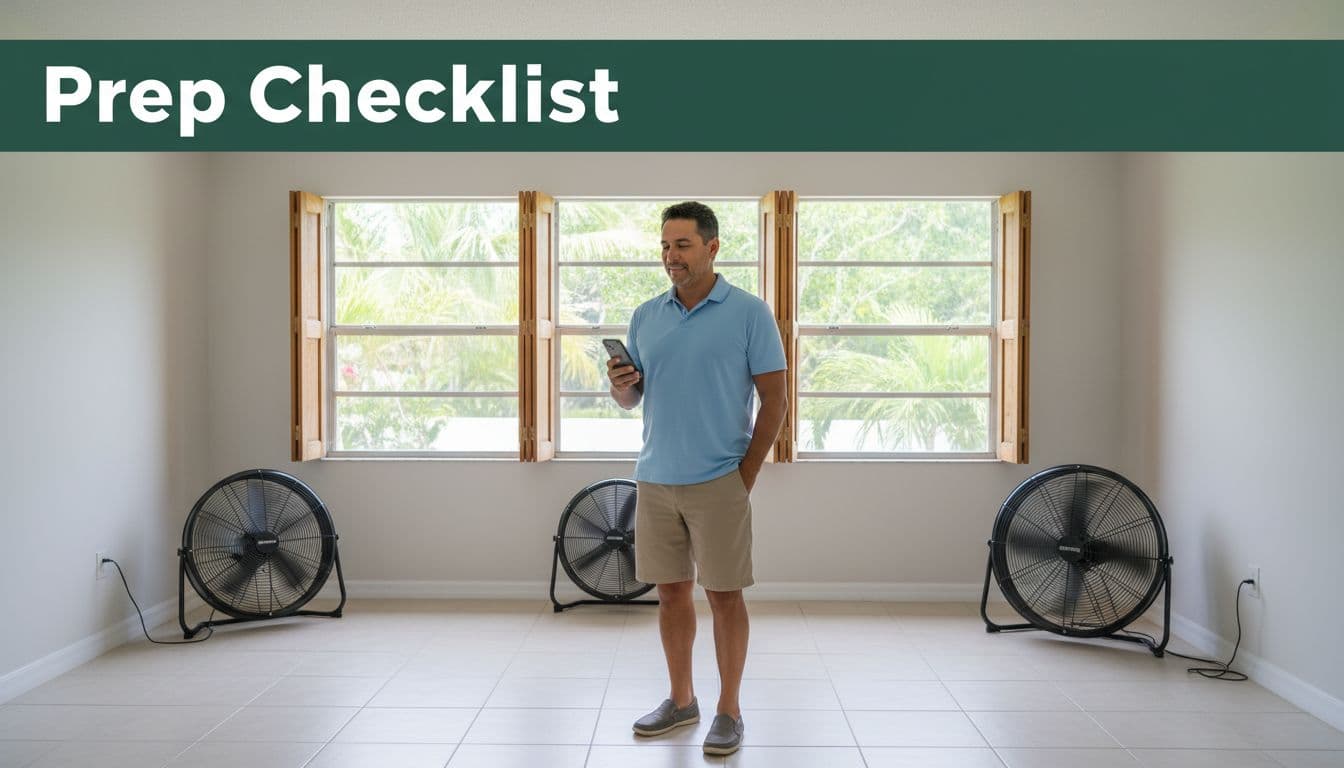
Homeowner prep checklist (before the assessor arrives)
- Finish the remediation scope: All demo, cleaning, and HEPA vacuuming should be complete.
- Hold off on rebuild: Don’t reinstall drywall or baseboards until clearance is done, unless the assessor approves a plan.
- Stabilize HVAC: Run the system normally, change filters if your contractor recommends it, and avoid unusual ventilation changes.
- Limit traffic: Keep kids, pets, and extra foot traffic out of the work zone.
- Save documentation: Keep photos, drying logs, and the remediation scope handy.
Questions to ask your mold clearance tester
- Are you independent from the remediation company on this project?
- What areas will you inspect and sample, and why those locations?
- Will you take an outdoor control sample the same day?
- Which lab will analyze samples, and what’s the expected turnaround?
- What are the pass criteria, and how will you explain them in writing?
What to review in the clearance report
Look for details that make the report useful in real life, not just “pass/fail.”
- Clear scope description: What was remediated, and what was excluded.
- Visual findings: Notes on dust, debris, staining, or remaining suspect materials.
- Moisture readings: Where they were taken, with enough context to repeat them later.
- Sampling map: Locations, types of samples, and times collected.
- Lab results and interpretation: Not just numbers, also what they mean for the project.
- Next steps: Whether rebuild can start, or what needs re-cleaning and re-test.
Limits you should understand (without panic)
Sampling is a snapshot. Results can shift with weather, HVAC cycles, open doors, and even how recently the space was cleaned. Also, there’s no universal “safe” spore count that applies to every person and every building.
Treat clearance as strong project documentation, not a medical test. If anyone has symptoms or health concerns, talk with a clinician.
For Florida-specific public guidance on moisture and mold, review the Florida Department of Health mold resource.
Conclusion
In Fort Myers, mold problems often start with water and stay because of humidity. Mold clearance testing gives you a documented finish line after remediation, especially when a third-party assessor performs it. Keep the scope, photos, and report together, because that file can matter later in a sale, a lease, or an insurance claim. If you’re scheduling remediation now, plan the clearance step early so the project ends clean, and stays that way.
