
Posts by Services 321
How to Prevent Closet Mold in Florida’s Summer Humidity
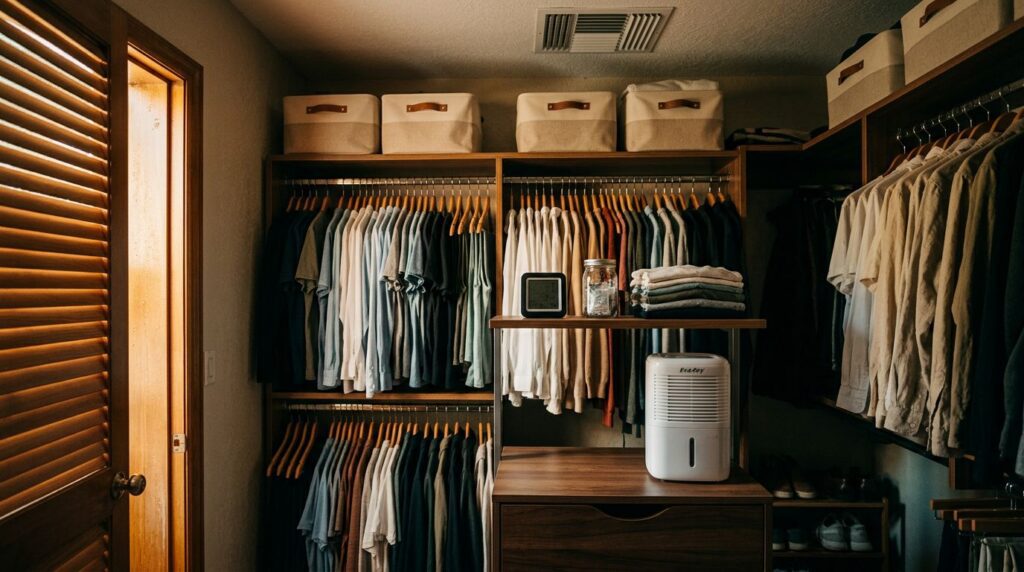
A closed closet can develop mold before you see a single spot on the wall. Florida’s summer air carries heavy moisture, and warm, crowded closets give that moisture few ways to escape. The most reliable way to prevent closet mold is to control humidity, keep air moving, store belongings properly, and investigate musty odors early.…
Read MoreCan You Paint Over Mold in a Florida Bathroom?
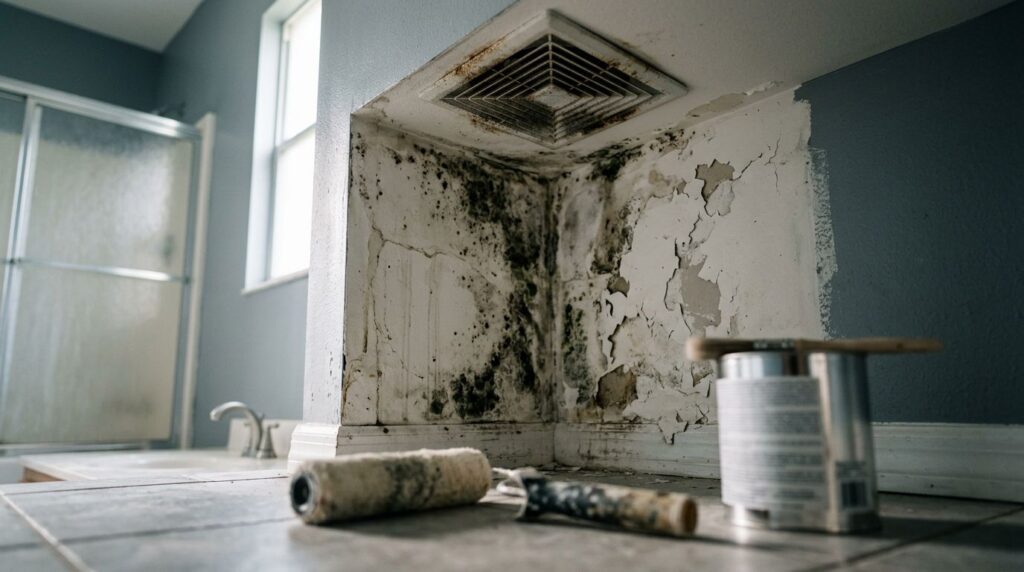
A fresh coat of paint can hide a mold stain, but it cannot remove the mold growing beneath it. In a Florida bathroom, trapped humidity, poor ventilation, plumbing leaks, and storm-related moisture can quickly cause the problem to return. Before you paint, find and fix the moisture source, remove the mold safely, and let the…
Read MoreWhat to Do When a Florida Lanai Floods
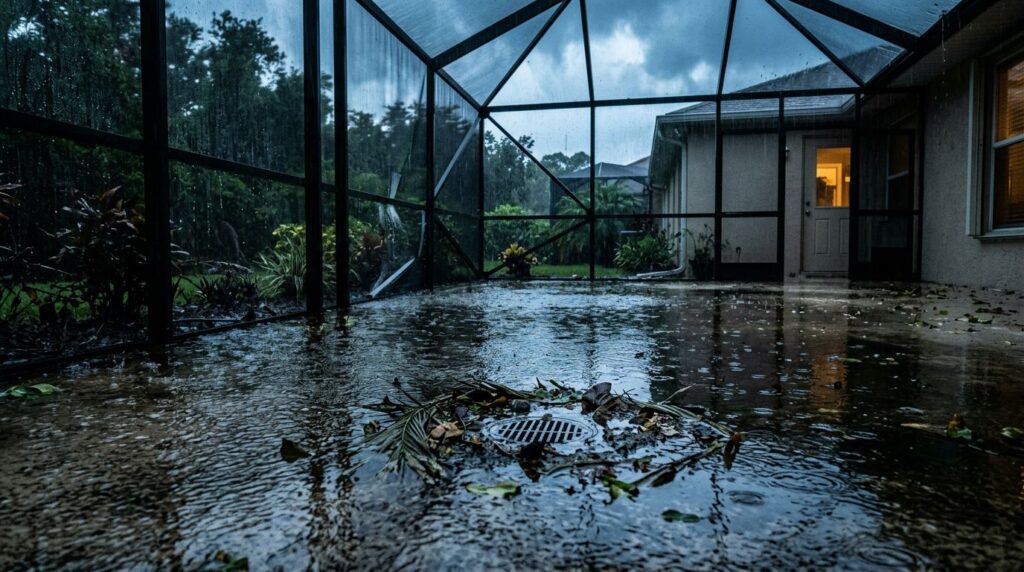
A lanai can fill with water faster than most homeowners expect. Heavy rain, clogged drains, wind-driven storms, pool overflow, and rising floodwater can all send water across a screened enclosure and toward the house. Your first priorities are safety, water removal, and documentation. Avoid electrical hazards, identify the source, and dry the area before trapped…
Read MoreCan Laminate Flooring Be Saved After Water Damage?
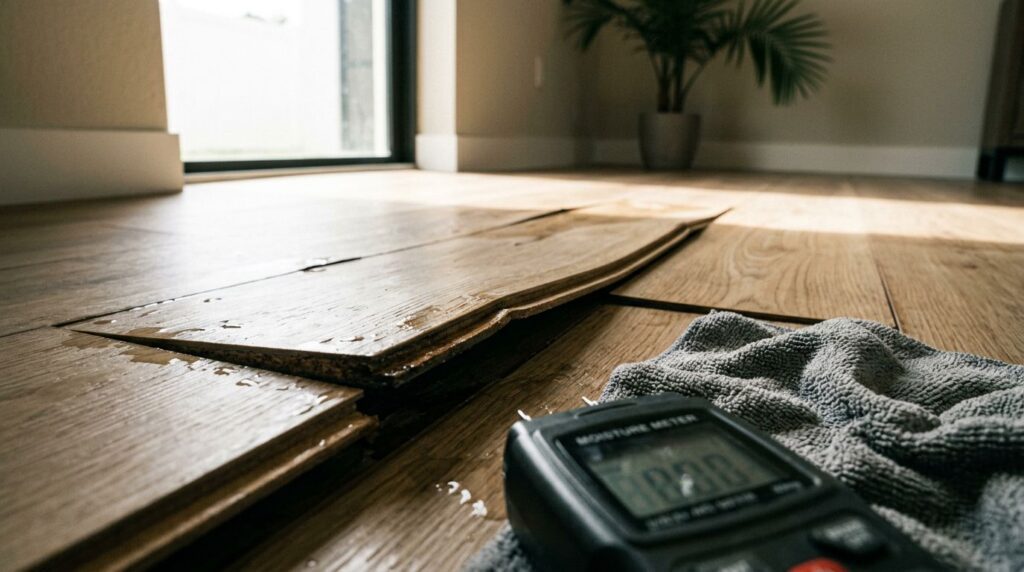
A small leak can turn laminate flooring into a costly repair before the surface looks badly damaged. Water slips through seams, reaches the fiberboard core, and can remain trapped beneath the floor in Florida’s warm, humid air. So, can laminate flooring be saved after water damage? Sometimes, but only when the exposure was limited, the…
Read MoreCan Soaked Carpet Be Saved After a Florida Leak?
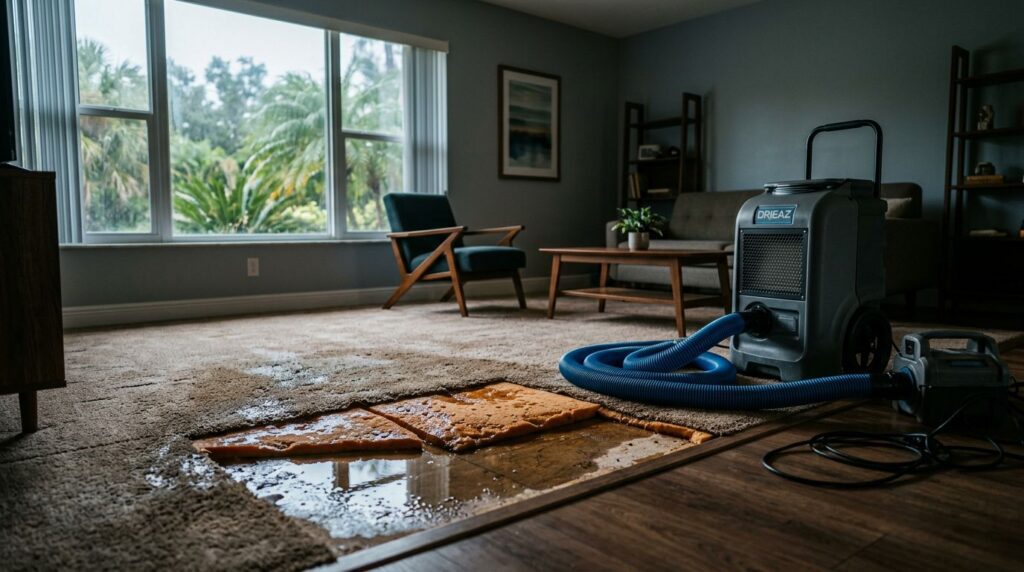
A plumbing leak can leave a carpet looking ruined within minutes, but the visible water doesn’t tell the whole story. Soaked carpet water damage may be repairable when the leak involved clean water and drying starts quickly. However, contaminated water, saturated padding, trapped moisture, and Florida’s high humidity can make replacement the safer choice. First,…
Read MoreWhat Is a Flood Cut After Water Damage?
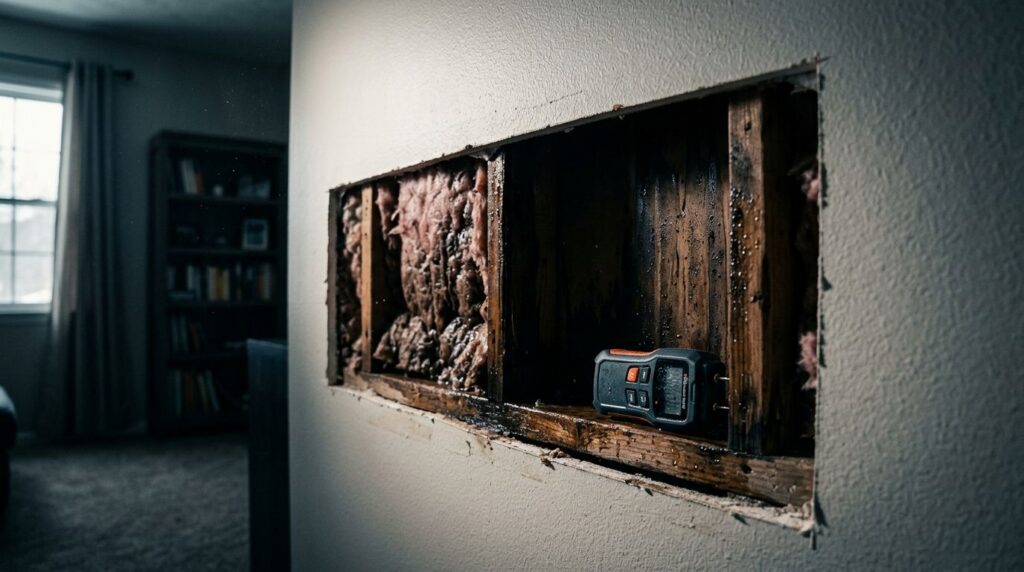
Water can travel farther inside a wall than the stain on its surface suggests. When drywall absorbs water, the safest repair may involve removing a horizontal section rather than painting over the damage. A flood cut is a controlled cut through drywall that allows professionals to remove wet material, inspect the wall cavity, and dry…
Read MoreCan Water-Damaged Hardwood Floors Be Saved in Florida?
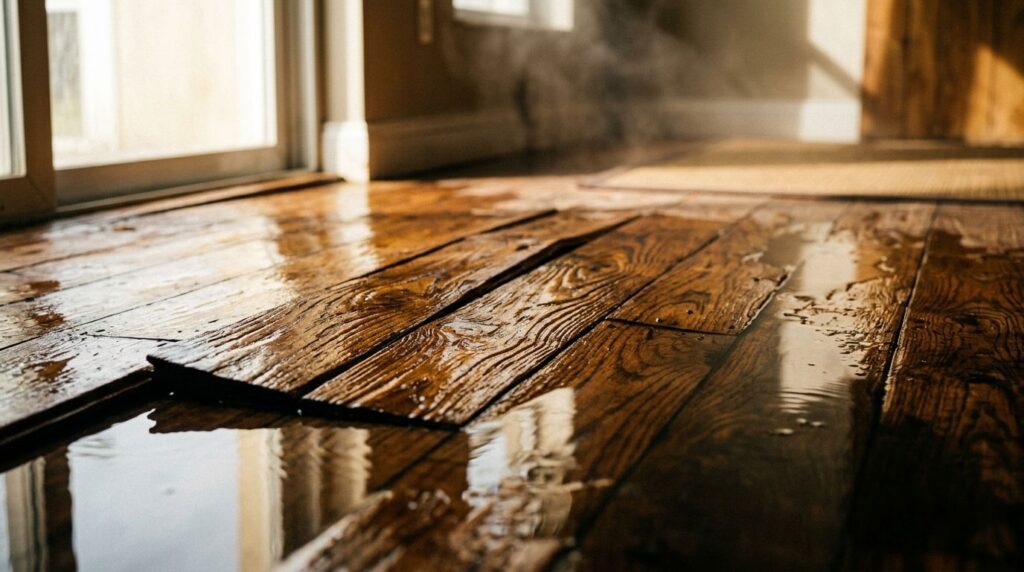
Water can ruin a hardwood floor in a few hours, but replacement isn’t always necessary. Water-damaged hardwood floors may be salvageable when the leak was small, the water was clean, and drying began before the boards or subfloor absorbed too much moisture. Florida’s humidity makes the decision harder. A floor can look dry while moisture…
Read MoreStorm Surge Cleanup: Safety Steps Before Entering a Florida Home
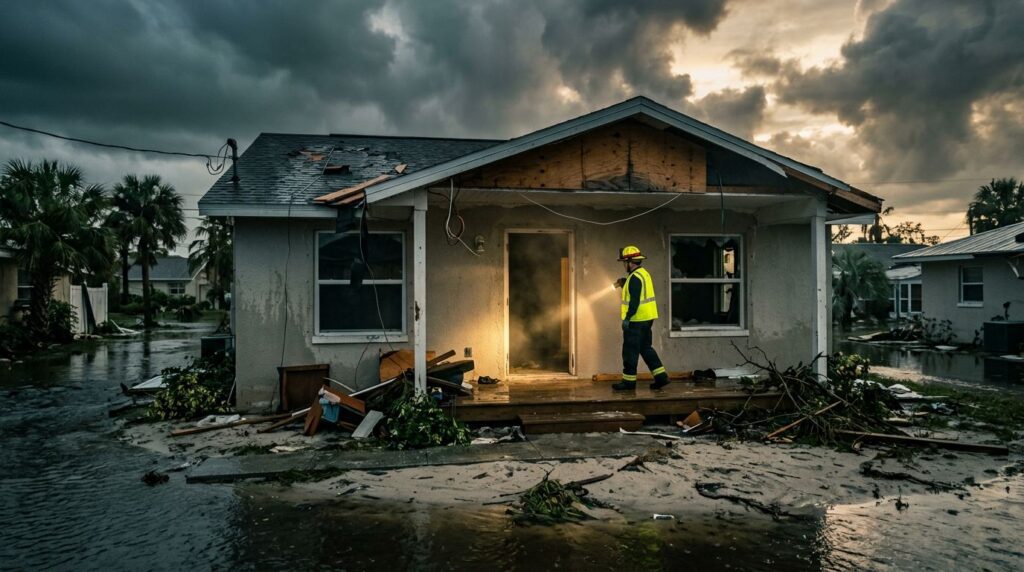
Storm surge can leave a Florida home looking familiar while hiding dangerous damage behind the walls, floors, and electrical system. Saltwater, sewage, fuel, sharp debris, unstable structures, and live power can turn a quick inspection into an emergency. Don’t enter until local officials say the area is safe. After clearance, inspect from the outside first,…
Read MoreSigns of Mold Behind Walls in Cape Coral Homes

A musty smell may be the first clue that mold behind walls is growing where you can’t see it. In Cape Coral, warm humidity, storm-driven rain, roof leaks, plumbing failures, and air-conditioning moisture can keep wall cavities damp long after the surface looks dry. Peeling paint or a dark stain deserves attention, but hidden mold…
Read MoreWater Damage Pack-Out: What Happens Step by Step

Water can damage more than floors, walls, and ceilings. It can soak furniture, stain fabrics, warp wood, and leave personal belongings exposed to mold growth or contamination. A water damage pack-out moves affected contents to a safe location while restoration professionals dry and repair the property. The process can feel overwhelming, especially when someone is…
Read More