
Water Damage Repair Costs for Cape Coral Homes in 2026

A water leak can turn into a four-figure repair faster than most homeowners expect. In Cape Coral, water damage repair costs often start in the low thousands, then climb when drying takes longer, drywall has to come out, or storm water reaches more than one room.
That price swing makes sense once you see what goes into the work. Humidity stays high, storms are part of life here, and water often hides behind baseboards, cabinets, and walls.
The good news is that the bill is easier to manage when you understand what drives it. A few smart choices in the first hours can keep a repair from becoming a rebuild.
What Cape Coral homeowners pay in 2026
For most Cape Coral homes, 2026 pricing usually falls into a few rough bands. A small leak that hits one room may stay modest, while a multi-room loss or contaminated water can move quickly into much larger numbers.
| Damage type | Typical 2026 cost range | What that usually includes |
|---|---|---|
| Small to moderate water loss | $1,500 to $4,500 | Extraction, drying, limited drywall or trim removal |
| Larger residential job | $4,000 to $10,000 | More demolition, longer drying time, some reconstruction |
| Major flood or heavy damage | $10,000+ | Extensive tear-out, sanitizing, rebuild work, possible mold cleanup |
Those ranges line up with the way local jobs are priced. Water extraction may run about $2.50 to $4.50 per square foot, drying can land around $3.00 to $6.00 per square foot, drywall removal often falls between $2.00 and $4.00 per square foot, and reconstruction can climb much higher depending on finishes and scope.
A plain-language breakdown of the work is in this South Florida restoration guide, which shows how the job moves from inspection to extraction, drying, and cleanup.
The takeaway is simple. A quick, clean leak is one price. A soaked room with damaged finishes is another. A storm-damaged house with hidden moisture is a different budget altogether.
Why the price changes so much

How long the water sat matters
Fresh water is easier and cheaper to deal with. Once water sits for hours or days, it starts soaking deeper into flooring, framing, and insulation. That means more drying time, more demolition, and a bigger chance of mold.
Cape Coral humidity makes this worse. Materials dry more slowly here than they do in a dry climate, so a delay can add both time and cost.
What got wet changes the budget
Dry tile and a little drywall damage are not the same as wet cabinets, soaked carpet, or water under a wood floor. Some materials can be dried and saved. Others have to be removed.
That choice affects labor and replacement costs. For example, a leak under a vanity may require trim removal, baseboard replacement, and new drywall. A leak behind kitchen cabinets can turn into a much larger project.
Clean water costs less than contaminated water
Water from a supply line or appliance overflow is usually less expensive to fix than storm water, sewage backup, or long-sitting gray water. Dirty water adds sanitizing, disposal, and extra safety steps.
It also raises the chance of mold. If mold shows up, the job often needs more demolition and more labor. That is why a repair that looked small on day one can become a much bigger invoice by day three.
Square footage and room layout matter too
A 150-square-foot area is easier to dry than a whole first floor. Open layouts can help air move, but they can also spread water farther than you first notice.
Closets, hallways, and rooms with lots of built-ins are harder to dry. Hidden cavities take more time to check, which means more labor and more equipment.
For a clear sense of the drying process, this Florida restoration guide explains how technicians map moisture, dry the structure, and confirm the job is done.
The first 24 hours matter most. Once water sits, the job gets harder, slower, and more expensive.
Common Cape Coral home scenarios and what they can cost
Different problems create very different repair bills. The same home can have a small, contained loss one month and a major rebuild the next.
| Common scenario | Often seen cost range | Why it lands there |
|---|---|---|
| Ceiling leak from roof damage | $1,500 to $4,000 | Localized drywall, paint, and drying work |
| Dishwasher, washer, or water heater overflow | $1,800 to $4,500 | Flooring, trim, and cabinet drying may be needed |
| Burst pipe inside a wall | $3,500 to $8,000 | Wall removal, drying, and reconstruction are common |
| Storm-related water intrusion | $5,000 to $15,000+ | Multiple rooms, longer drying, possible contamination |
A ceiling leak often looks minor at first. Still, water can travel along framing before it shows up inside the room below. That means the visible stain may be only part of the damage.
Appliance overflows are common in kitchens, laundry rooms, and garages. These jobs can stay manageable if the water is caught fast. They get expensive when it runs under flooring or into cabinets.
Burst pipes are a different story. Once water gets inside a wall, the repair often needs demo work before drying can even start.
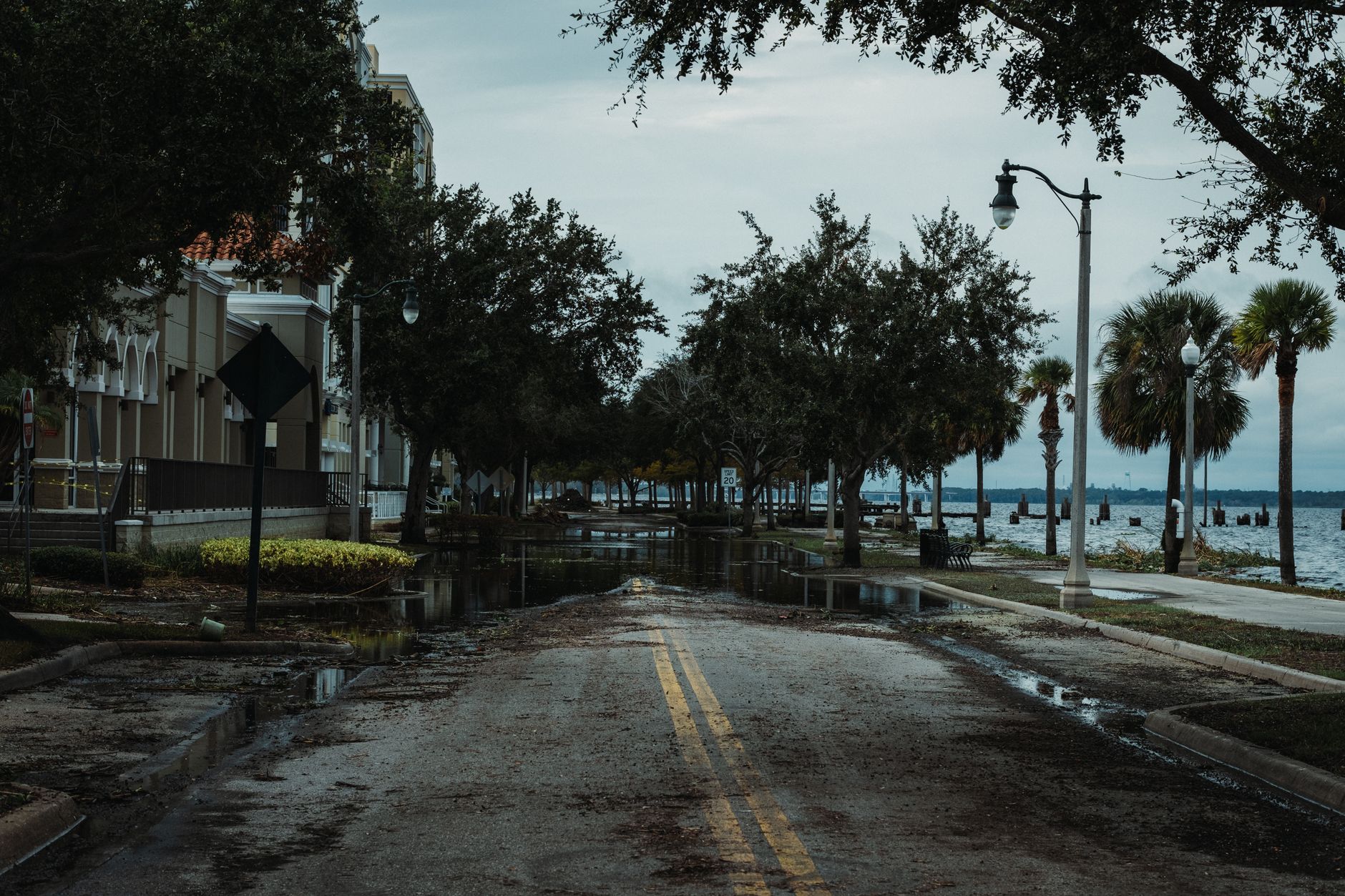
Photo by Connor Scott McManus
Storm-related water intrusion can be the most expensive of the common scenarios. In Cape Coral, wind-driven rain, roof damage, and floodwater can affect more than one area at once. When that happens, the repair may include extraction, demolition, sanitizing, structural drying, and rebuild work.
Why fast mitigation lowers the bill
Professional mitigation starts with stopping the source, removing standing water, and getting moisture out of the structure. The sooner that work begins, the less material usually needs to be torn out.

Drying equipment matters because it does more than move air around. High-capacity dehumidifiers and air movers help pull moisture out of drywall, subfloors, and framing before damage spreads.
That is why quick service can lower the final bill. A room that is dried early may need only minor repairs. The same room, left wet, may need demolition, mold treatment, and new finishes.
If drywall feels soft, baseboards are swollen, or the air smells damp, hidden moisture may already be spreading.
Fast mitigation also makes insurance claims easier to document. A careful moisture check, photos, and a written scope help show what happened before the damage grew.
What insurance may cover in Florida
Water damage coverage depends on the cause. In many homeowner policies, sudden and accidental damage from a burst pipe, appliance failure, or similar event may be covered. Slow leaks, wear and tear, and long-term neglect are often treated differently.
Storm surge and floodwater are another matter. Those losses usually need separate flood coverage. Because policies vary, the safest move is to call your insurer early and ask what they need.
If you want a step-by-step reminder of what to do after a loss, this Florida insurance claim guide gives a helpful overview. It covers timing, documentation, and the order of the first calls.
Before cleanup starts, take photos and video of every affected area. Save any damaged parts until the adjuster has seen them if you can do that safely. Then keep all receipts for emergency work, drying, and temporary repairs.
How to get a realistic estimate for your home
A useful estimate is more than a single number. It should show where the water went, what materials were damaged, and which parts need to be replaced.
Ask for a line-item scope that separates extraction, drying, demolition, sanitizing, and reconstruction. That makes it easier to compare bids and understand where the money is going.
Also ask whether the estimate includes hidden moisture checks. A cheap quote that skips that step can miss damage behind walls or under floors. That often leads to change orders later, which is where many homeowners feel the surprise.
In Cape Coral, a real estimate should also reflect the size of the home and the finish level. Tile, hardwood, custom cabinets, and detailed trim cost more to repair than basic finishes. So do jobs that involve mold removal or any kind of contaminated water.
When the inspection is done well, the estimate should sound specific, not vague. You should know what was dried, what was removed, and what still needs to be rebuilt.
Conclusion
Water damage is expensive because it rarely stays in one place. A leak can spread behind walls, into flooring, and under cabinets before you see the full problem.
For Cape Coral homes, the biggest cost drivers are the water category, the square footage affected, the materials involved, and how quickly drying starts. Fast mitigation keeps more of the home in place and usually keeps the final bill lower.
If you remember one thing, make it this, the first few hours matter more than the first estimate.
