
Can Mold Return After Remediation? Why It Happens
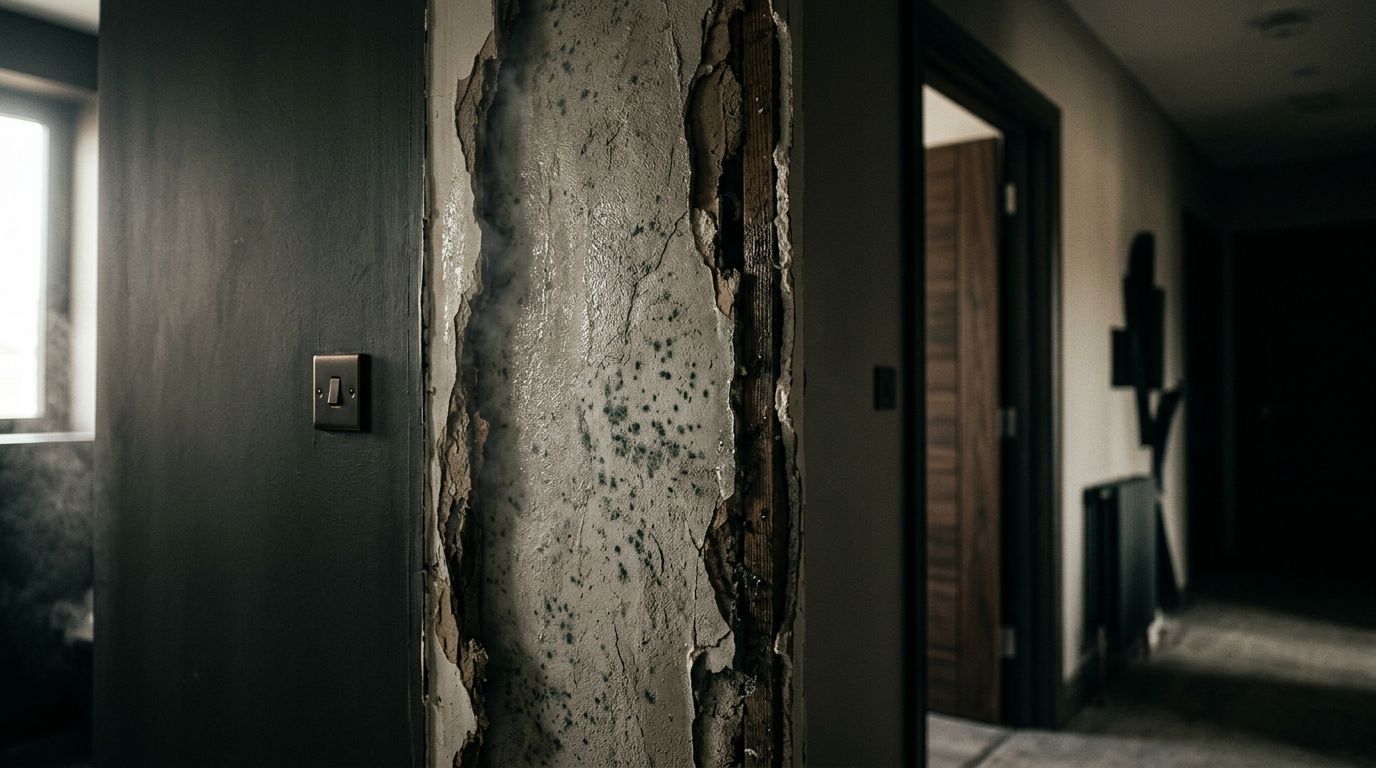
Mold can come back after remediation when the real moisture problem never got fixed. That usually surprises homeowners, because the visible growth is gone and the room looks clean again.
The truth is simpler than most people expect. Mold after remediation is usually a sign that water is still getting in, drying never finished, or hidden growth survived behind a surface that looked fine.
Key Takeaways
- Mold often returns because the moisture source was not fully solved.
- Removal, remediation, and prevention are different jobs, and each one matters.
- Hidden mold can stay behind walls, under flooring, or in HVAC components.
- Drying has to be measured, not guessed, because surfaces can look dry while materials stay wet.
- Long-term success depends on fixing leaks, humidity, and any damaged materials that hold moisture.
Why Mold Can Return After Remediation
A successful cleanup depends on more than scrubbing stains. Mold needs moisture, so if water keeps showing up, the problem can restart fast. That moisture can come from a roof leak, plumbing leak, AC condensation, a damp crawl space, or humid air that never drops low enough.
Sometimes the first job only handled the visible spots. The surface looked better, but wet drywall, insulation, baseboards, or flooring stayed in place. In other cases, the crew cleaned the area, yet the leak source remained active. A small drip inside a wall can feed new growth for weeks without any sign on the paint.
Poor containment can also spread the problem. If work starts without sealing off the area, disturbed dust and debris can move to cleaner rooms. That doesn’t mean every job will fail. It means the job has to match the extent of the damage.
For another homeowner-focused breakdown, see what happens when mold comes back after remediation and compare it with how likely mold is to come back after remediation.
If the moisture source is still present, mold cleanup is temporary.
That rule explains most repeat problems. The stain may be gone, but the conditions that caused it can still be there.
Removal, Remediation, and Prevention Are Not the Same
People often use these words as if they mean the same thing. They don’t.
| Term | What it covers | What it may miss |
|---|---|---|
| Mold removal | Cleaning visible mold from a surface | Hidden growth, moisture, and damaged materials |
| Mold remediation | Finding the source, removing contaminated materials, cleaning, drying, and verifying conditions | Long-term prevention if the leak or humidity problem comes back |
| Prevention | Fixing moisture sources and keeping humidity under control | Existing damage that already needs cleanup |
Removal can make a wall look better. Remediation goes further, because it addresses the structure, the moisture, and the cleanup plan. Prevention keeps the problem from repeating.
That difference matters in real homes. A painted-over stain is not the same as a dry wall cavity. A wiped-down baseboard is not the same as replacing wet insulation. And a room that smells fresher after cleaning is not the same as a space that has actually dried to safe levels.
A good contractor will explain what was cleaned, what was removed, and what still needs to be monitored. They should also talk about the moisture source in plain language. If that conversation never happens, the job may have been a cleanup instead of true remediation.
Hidden Moisture Keeps the Problem Alive
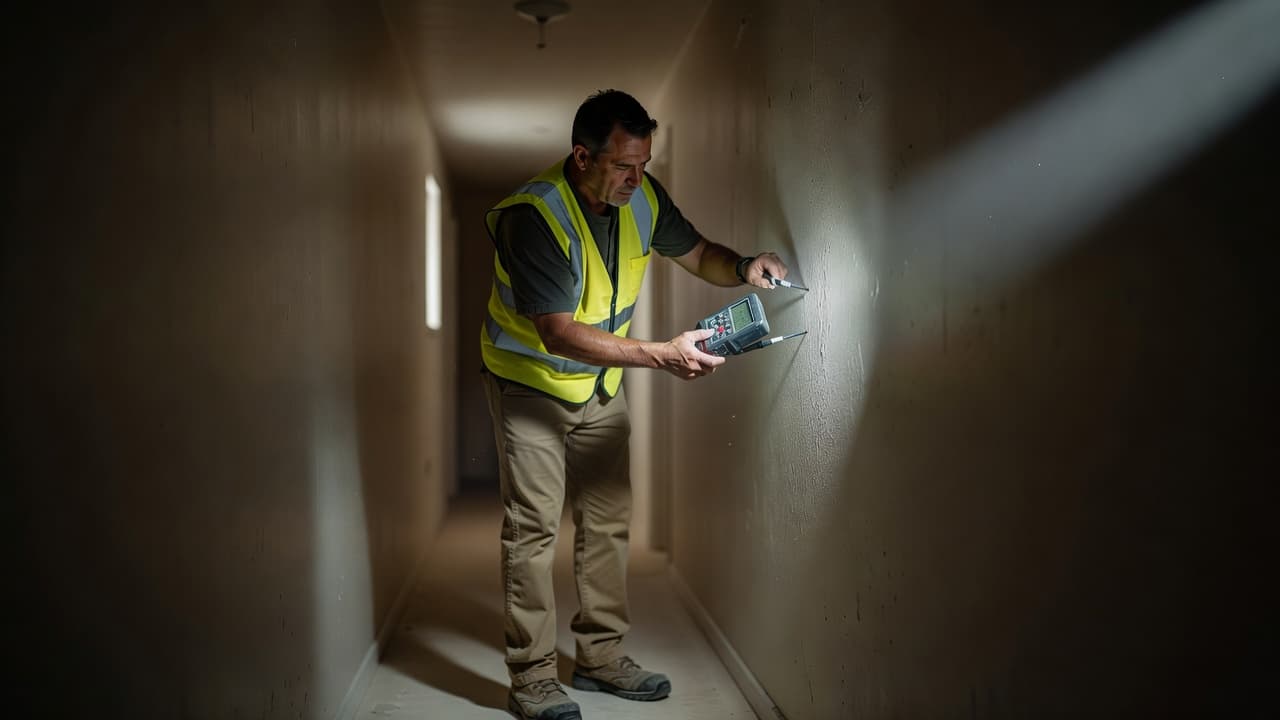
When mold returns, hidden moisture is often the reason. Water can travel behind walls, under flooring, and into ceiling cavities where you cannot see it. It can also collect around cabinets, inside insulation, and in HVAC parts that stay damp.
That is why visual checks alone are not enough. A wall can feel dry on the outside while the middle still holds water. Carpet can seem fine on top while the pad underneath stays wet. In Florida and other humid places, the air slows drying even more.
Professional crews use moisture meters, thermal checks, dehumidifiers, and air movers to confirm the condition of the materials. They don’t guess. They measure, then measure again. That matters because trapped moisture lets mold start over in the exact same place.
HVAC systems are another common problem area. If a drain line clogs or condensate keeps dripping, the growth may return near vents, closets, or returns. The same thing happens under floors when a leak keeps feeding the subfloor from below. In those cases, the visible cleanup was never the full job.
A musty smell after cleanup is a warning sign, especially if it returns after rain or heavy AC use. Persistent odor can affect indoor air quality, so it should be checked promptly, even if the room looks clean.
What Homeowners Can Do After Cleanup
The best way to stop mold from returning is to focus on the moisture source first. That sounds simple, but it requires follow-through.
A modern bathroom exhaust fan can help a lot when it moves steam out fast and keeps humidity down. That kind of control matters after showers, laundry, and any cleanup that left the room damp.
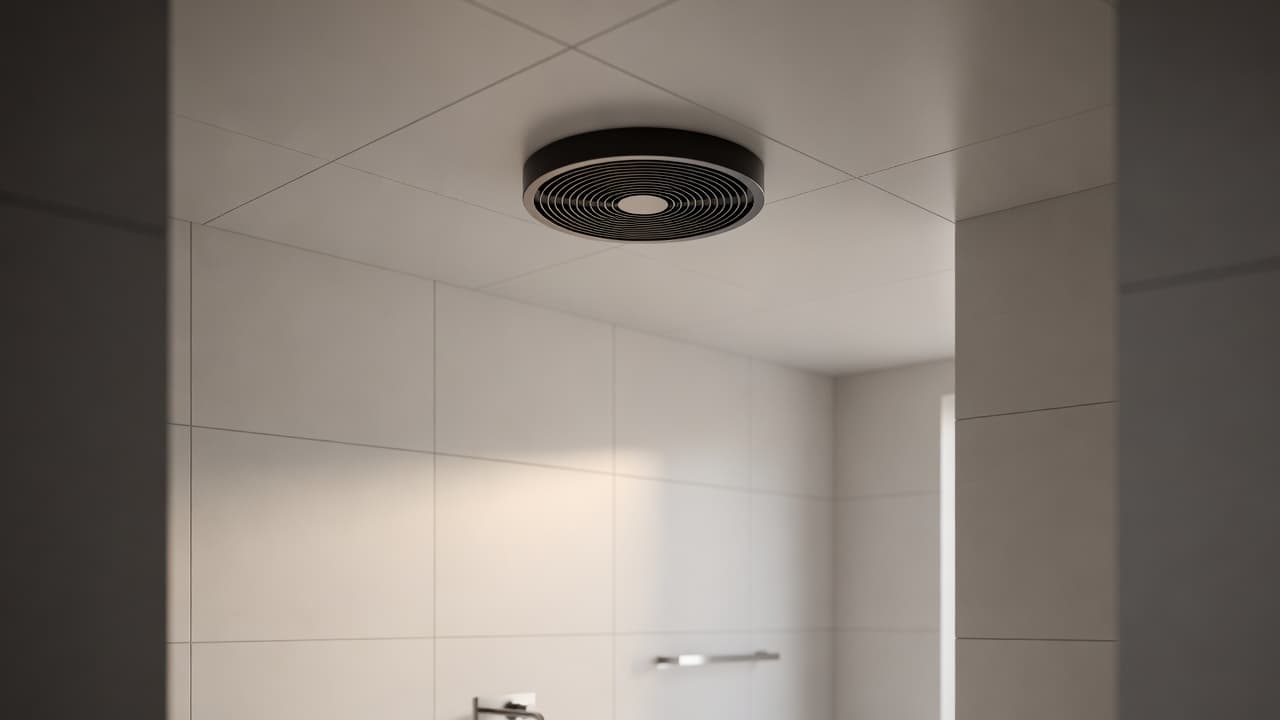
Photo by Roger Brown
Here are the habits that help most after remediation:
- Fix the leak source right away. A repaired stain means little if the pipe, roof, or window still leaks.
- Keep indoor humidity in a safe range. Aim for roughly 30 to 50 percent if your home conditions allow it.
- Run exhaust fans during and after moisture-heavy activities. Bathrooms, kitchens, and laundry rooms need extra airflow.
- Check the AC drain line and drip pan. A clogged line can create slow, hidden water damage.
- Watch for the same odor or stain after rain. Repeated symptoms point to ongoing water intrusion.
- Inspect crawl spaces, attics, and closets. These are common places for hidden dampness.
- Ask for moisture readings after cleanup. A real dry-out has numbers behind it, not just a visual inspection.
If you manage rentals or a property with multiple units, make the inspection part of your routine. Small leaks can sit for weeks before anyone notices. In the meantime, mold can spread in places tenants never see, like behind cabinets or around plumbing chases.
When a contractor is involved, ask what was removed and why. Ask whether wet insulation was replaced, whether the cavity was opened enough to dry, and whether the area was monitored after the work. Those questions usually tell you more than a polished sales pitch.
How to Lower the Risk of a Repeat Problem
Homeowners sometimes focus on the cleanup and forget the conditions that started the damage. That is the part that needs the most attention.
If the problem came from a plumbing leak, make sure the repaired area stays dry over time. If the issue came from roof or window intrusion, inspect after storms and heavy wind. If humidity was the main trigger, use ventilation and dehumidification before the next mold cycle starts.
Homes in humid climates need a little more discipline. Cabinets near sinks, closets on exterior walls, and rooms with weak airflow are common trouble spots. A quick look once a month can catch a slow leak before it becomes a bigger job.
It also helps to save your cleanup records. Keep photos, moisture readings, invoices, and notes about what was removed. If the mold returns, those records show what was done the first time and where the weak point may be.
A good restoration company will explain the difference between surface cleaning and complete remediation. It will also tell you whether the structure needs more drying, whether materials should be removed, and whether more investigation is needed. That kind of clarity is worth more than a quick promise.
Conclusion
Mold can return after remediation, but it usually does so for a clear reason. The moisture source stayed active, hidden growth was left behind, or the drying and containment work never reached the full problem.
The real fix is not only removal. It is moisture control, complete drying, and honest inspection of the affected materials. If the smell, stain, or dampness comes back, treat that as a sign to look deeper, not as a reason to repeat the same short cleanup.
When the leak is solved and the hidden moisture is gone, remediation can hold up. That is what keeps a clean room from becoming the same problem again.
