How Fast Mold Grows After a Leak in Florida
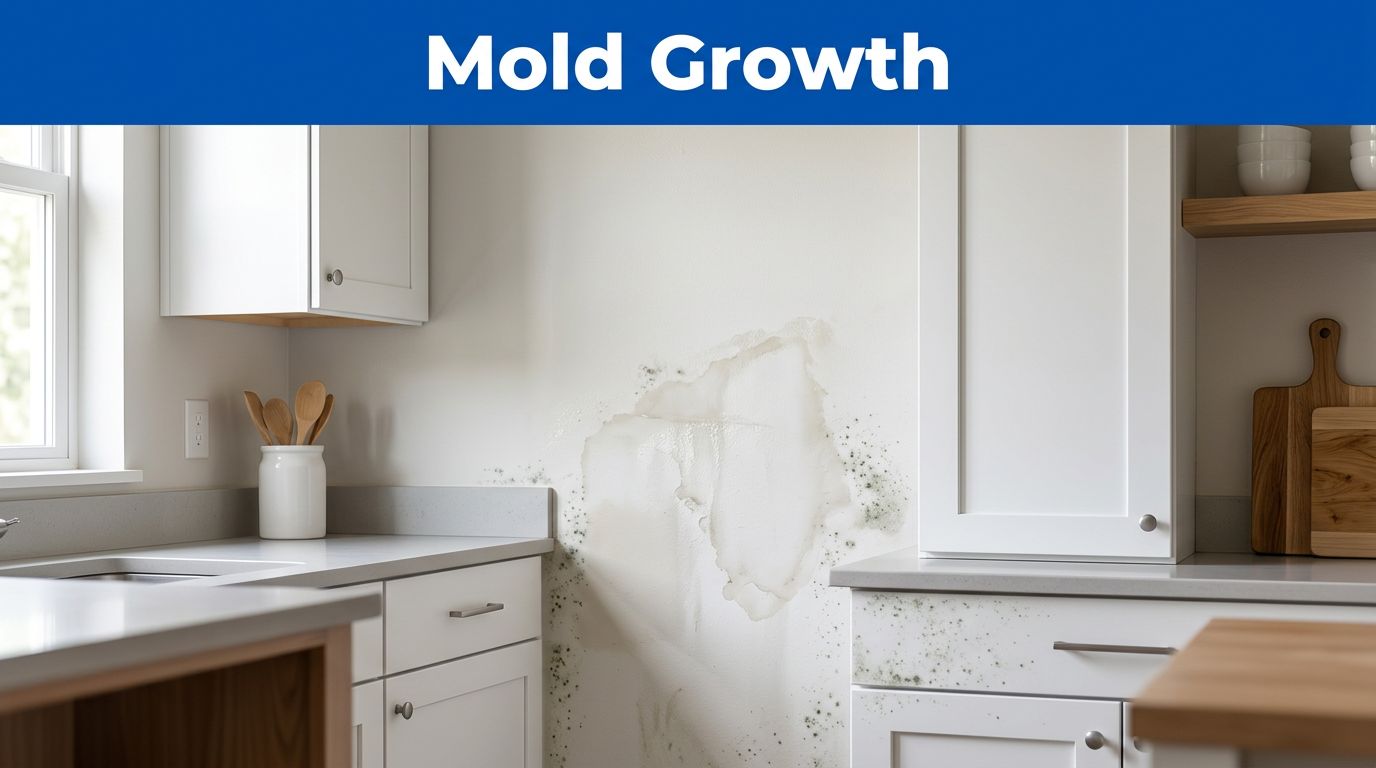
A leak in Florida does not need much time to turn into a significant health concern. In the right conditions, mold growth after a leak can begin within 24 to 48 hours, especially when moisture settles into porous materials like drywall, carpet padding, cabinets, or insulation.
That timeline catches many homeowners off guard because the room may still look perfectly salvageable. Because Florida experiences consistently warm temperatures and high humidity, damp materials often provide an ideal breeding ground for spores much faster than they would in drier states.
Key Takeaways
- Mold growth can begin in as little as 24 to 48 hours after a leak occurs if materials are left damp.
- High levels of Florida humidity slow down the natural drying process, which often allows hidden moisture to linger behind walls, underneath flooring, and inside cabinets.
- While minor clean-water leaks can be managed with rapid drying, porous materials like drywall, wet insulation, or saturated carpet padding typically require professional remediation.
- Common Florida property issues such as storm leaks, AC overflows, and supply line breaks frequently trap moisture in areas where it is difficult to detect.
- The safest approach is to stop the water source immediately, dry the affected area as quickly as possible, and document the damage before deciding which materials need to be replaced.
The Clock Starts Immediately After Water Stays Put
The first question is not whether you see mold. It is whether the materials stayed wet long enough for the process to start. Mold does not need a flooded room to thrive. It only requires excess moisture, warmth, and something organic to feed on. Once mold spores settle on a surface, they begin to colonize rapidly if the environment remains damp.
Porous materials, such as drywall, wood trim, insulation, fabric, and carpet padding, are particularly susceptible because they hold water so well. Once these items stay damp, colonization can spread out of sight. A stain on the ceiling or a soft spot in a cabinet bottom may be the first clue, but the growth often begins deep within the cavity behind the wall.
If the material stays damp, mold can start before the room even looks damaged.
That is why fast drying matters more than a quick wipe-down. A towel can remove surface water, but it does not reach the wet wood behind a baseboard or the padding under a rug. Understanding the timeline for mold growth after a leak is vital because the risk to your home escalates significantly once moisture settles into your structure. Following professional guidance on how to stop mold growth after a leak is the best way to protect your property, as the threat becomes harder to manage the longer you wait.

Why Florida Homes Get Mold Faster After a Leak
Florida homes deal with a tougher drying environment than many other regions. Because the air throughout the state carries significant moisture, evaporation happens more slowly. This makes effective moisture control essential, as the goal after any leak is not just to remove standing water, but to dry the structure completely to prevent mold growth before it finds a foothold.
Your HVAC system adds another layer of complexity. When a home is cooled unevenly, it can create condensation in closets, around supply vents, and near ductwork. A leak in one of these areas may appear minor, but if the climate control isn’t balanced, the surrounding air continues to feed moisture into the damp materials.
Storm season raises the stakes even further. Wind-driven rain can bypass roof edges, soffits, window trim, or damaged seals. Water then travels through the framing until it appears somewhere else, often manifesting as a stain that looks much older than the actual leak.

In other words, Florida does not just make leaks wetter. It makes them significantly harder to dry.
Common Post-Leak Scenarios in Florida Homes
Not every leak creates the same mold risk. The location, water source, and amount of hidden damage matter just as much as the puddle you can see.
| Situation | What the mold risk usually looks like | Typical urgency |
|---|---|---|
| Under-sink leak in a kitchen or bath | Swollen cabinet bottoms, wet backing, damp baseboards | Same day |
| Roof leak after a storm | Wet attic insulation, ceiling stains, hidden framing moisture | Same day to 24 hours |
| AC condensate overflow or drain clog | Damp closet floors, nearby drywall, musty air from the air handler area | Same day to 24 hours |
| Burst supply line or water heater leak | Standing water, wet flooring, trapped moisture under cabinets or trim | Same day |
A small leak on tile can be simple if you catch it quickly. A leak that reaches drywall, wood framing, or insulation is a much more complex scenario. That is where mold growth after a leak becomes difficult to manage, because moisture often spreads to hidden areas, potentially causing long-term structural damage that extends far beyond the visible water stain.
Another common Florida issue is repeated moisture in the same spot. A bathroom wall that keeps sweating, or a laundry closet that never dries fully, often points to a chronic issue. These cases need more than simple cleanup; they require the source to be identified and fixed before permanent damage sets in.
Signs the Leak Has Already Turned Into a Mold Problem
Visible growth is only one clue that your property has been compromised. Many homes show warning signs of a hidden infestation before you can see the colony itself.
Perform a thorough visual inspection and look for these changes after a water intrusion:
- A persistent musty odor that remains even after the room feels dry
- Peeling paint, bubbling texture, or soft drywall
- Warped trim, swollen cabinet doors, or buckled flooring
- Dark spots, which could indicate colonies of black mold, that return after wiping
- Worsening allergic reactions or respiratory issues that flare up when spending time in the affected room
A leak can easily spread into hidden spaces, allowing mold spores to be released into the air as the colony matures. Behind a vanity, under laminate flooring, or inside a wall cavity, the surface may seem fine while the material inside remains saturated. This is why many homeowners detect a musty odor long before they spot physical evidence of growth.
If you notice these signs, be aware that you are facing potential health risks. If the smell returns every time the air conditioning kicks on, take it seriously. Moisture may be trapped in the ductwork, the air handler closet, or nearby wall materials, requiring immediate professional attention to stop the spread.
What to Do in the First 24 Hours
The first day matters most. Quick action can prevent a simple repair from turning into an extensive mold cleanup project.
- Stop the source if you can do it safely. Shut off the water, close the valve, or call a plumber if the line is hidden.
- Move dry items out of the way. Furniture, rugs, and boxes should leave the wet area so air can circulate.
- Dry the space fast. Use fans and a high-capacity dehumidifier for clean water leaks on hard surfaces. Open cabinets and closet doors to encourage airflow if the environment is dry enough.
- Document the damage. Take wide photos, close-ups, and a short video. Save receipts for rentals, fans, or emergency supplies.
- Watch porous materials closely. Drywall, carpet pad, insulation, and particleboard often hold moisture much longer than expected.
If the water came from sewage, floodwater, or another contaminated source, skip the casual cleanup. Those jobs require a professional water damage restoration approach to ensure safety and sanitation.
A few repairs are still small enough for a homeowner to manage. For example, cleaning and disinfecting a minor spill on tile is often safe. If the affected area is less than 10 square feet, you may be able to handle the cleanup yourself, provided you act immediately. However, the situation changes when moisture penetrates deep into your home structure. If a leak has soaked your drywall, insulation, or hidden wall cavities, you are no longer just drying a room. You are dealing with a structural issue that requires professional assessment to prevent future mold growth.
For a broader explanation of why the first two days matter, this general mold timing guide gives a clear 24 to 48 hour rule of thumb.
When a Professional Should Step In
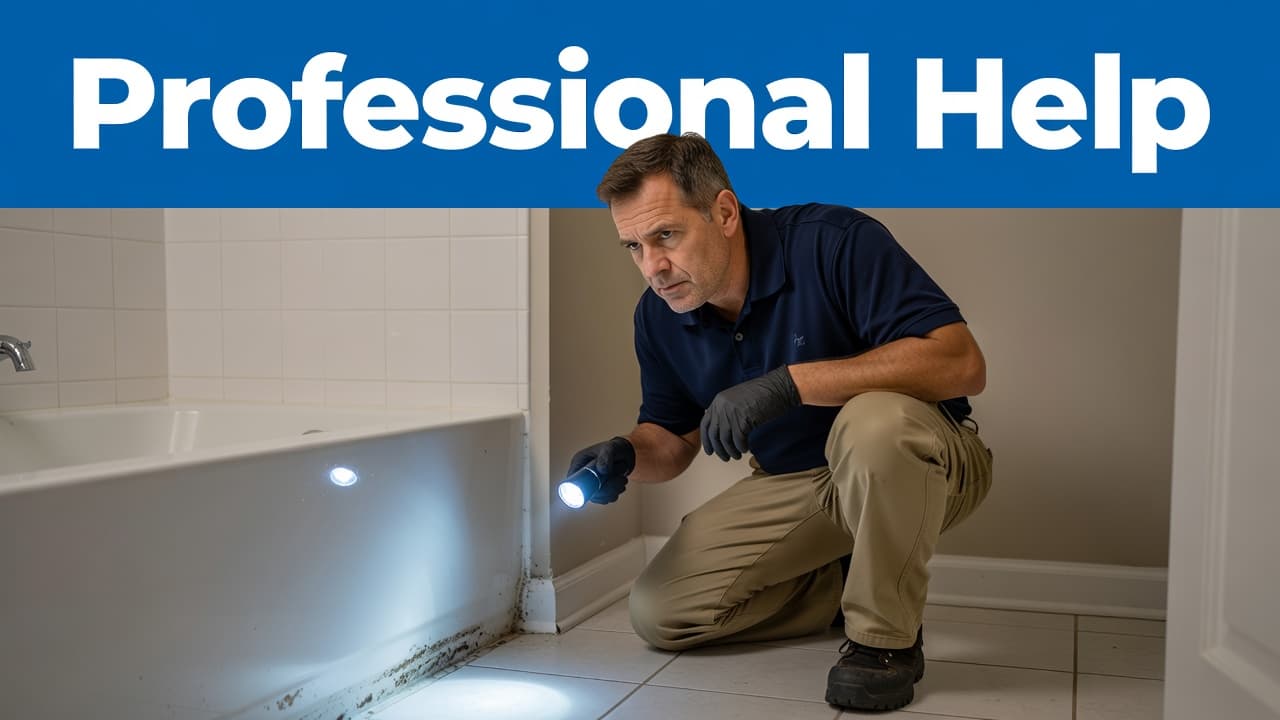
Professional help makes sense when the leak is larger than the surface damage or when you cannot determine where the moisture has traveled. In these instances, hiring mold remediation services is the most effective way to protect your property.
Call a water damage restoration company when:
- Water has reached drywall, insulation, cabinets, or subflooring.
- The leak lasted more than a day before drying began.
- A persistent musty smell remains even after the room looks dry.
- Mold appears on multiple surfaces.
- The affected area touches electrical outlets, fixtures, or the breaker space.
- You suspect storm intrusion, sewage, or hidden wall damage.
A expert team can perform a professional assessment using a moisture meter or thermal camera to map hidden water saturation. This is critical, as mold often grows behind visible repair areas where a cabinet panel may appear fine while the wall behind it remains damp. If the affected area exceeds 10 square feet or if you suspect toxic black mold like stachybotrys, professional intervention is mandatory. Specialists use a HEPA vacuum to capture mold spores and ensure proper containment to prevent cross-contamination.
After the cleanup, requesting an air quality test provides peace of mind that the mold removal process was successful and that your home environment is safe. Beyond the physical cleanup, clear documentation from these experts is invaluable for insurance claims. In many Florida homes, having a record of the moisture mapping and the remediation steps taken matters just as much as the physical repairs themselves.
Frequently Asked Questions
How long does it take for mold to start growing after a leak?
Mold can begin to colonize within 24 to 48 hours if moisture is trapped in porous materials. Because of Florida’s high humidity, this window can close even faster if the area is not thoroughly dried immediately.
Can I simply wipe away mold if I see it?
Wiping mold from a surface often only removes the visible growth, leaving roots behind in porous materials like drywall or wood. If you see visible mold, it is likely that the moisture has already penetrated the material, often requiring professional remediation to fully eliminate the colony.
Is a musty smell a sign of a serious problem?
A persistent musty odor is a strong indicator that mold is growing in a hidden location, such as behind cabinets or inside wall cavities. If the smell persists despite the room looking dry, it means there is likely a moisture source that needs to be located and addressed by a professional.
Should I use fans if I suspect mold is present?
Using fans in an area where mold has already started to grow can inadvertently spread spores throughout your entire home. It is safer to address the moisture and contain the affected area before using high-velocity air movement to dry the structure.
Conclusion
A Florida leak can create mold risk faster than most people expect. Once materials stay wet for 24 to 48 hours, the odds of contamination rise significantly, and the state’s humid air makes the problem easier to miss and harder to dry.
The safest response is simple. Stop the water, dry the area fast, and treat any hidden moisture as a serious threat until it is professionally checked. If the leak reached drywall, insulation, or cabinets, or if the smell will not go away, the problem is likely deeper than the surface stain. Understanding the speed of mold growth after a leak is the first step in protecting your property. Taking immediate action to dry your home is the best way to prevent mold growth before it spreads through your walls. If you find signs of persistent moisture or visible spores, contact professional mold remediation services to ensure the area is fully restored and safe for your family.
