
Hurricane Shutter Inspection Checklist for Cape Coral Homes
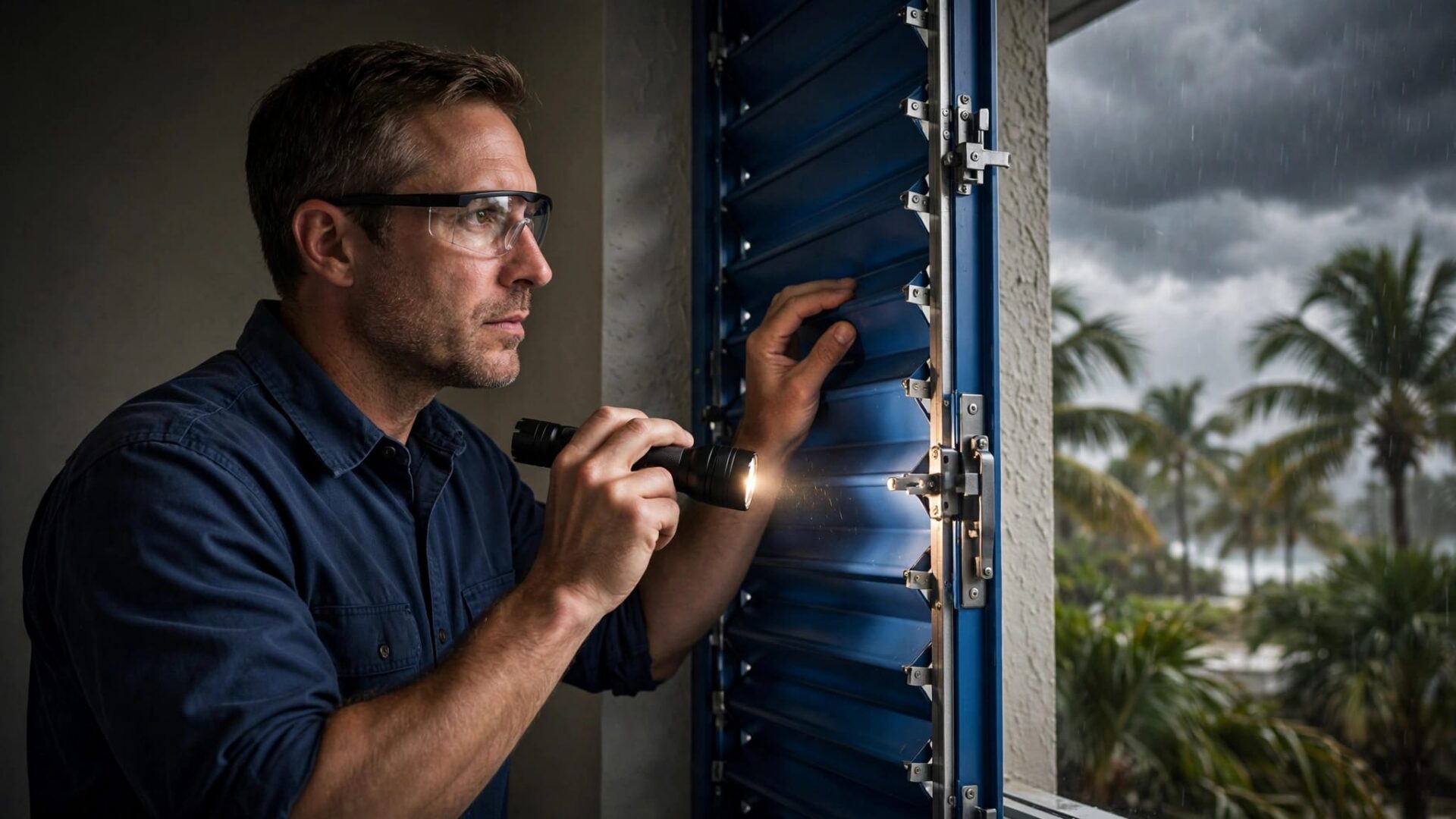
By Services 321 Property Restoration Team, CRC1333503 | MRSA2528 | MRSR2717
Last updated: [actual source-review date]
A hurricane shutter inspection for a Cape Coral home should include a safe visual review and an open-and-close test at each opening. The checklist covers storm protection systems, including shutters and related opening-protection products. A licensed professional should review concealed, structural, electrical, or code-related concerns.
For Cape Coral homeowners, a quick monthly look, a full pre-season test, and a post-storm check provide practical maintenance guidance. A working shutter can still have hidden corrosion or loose hardware. Salt air, heavy rain, and seasonal vacancy give small problems time to grow, so use this hurricane shutter inspection routine before a watch is issued.
On this page
- Set a practical inspection schedule for homeowners and qualified professionals
- Complete an opening-by-opening homeowner checklist
- Verify product approvals and permit records with a qualified professional
- Organize wind mitigation documentation
- Decide when repair or replacement is appropriate
- Complete post-storm safety checks before normal use
- Find answers to frequently asked questions
Set a practical hurricane shutter inspection schedule
A monthly visual check is a useful homeowner routine. Complete a full functional test well before hurricane season or any named storm threat.
Routine shutter maintenance gives you time to identify needed parts, find installation records, or arrange repairs before contractors become booked.
Do a monthly visual check
Walk the exterior of your home once a month, especially if you live near a canal or leave the property vacant. Look for rust, paint bubbling around fasteners, bent panels, cracked plastic components, and debris collecting in tracks.
Pay close attention to shutters exposed to irrigation overspray or salt air. A small amount of corrosion may be manageable, but a corroded anchor or lock can affect the whole system.
Test every opening before storm season
Before hurricane season, close and secure every shutter on every protected opening. Don’t wait for a hurricane watch, when you may discover a missing panel, stuck lock, or motorized shutter that won’t respond.
For storm panels, gather each panel, fastener, and installation tool in one place. Marking panels by opening helps, but confirm the labels still match the window or door. A lanai door, large slider, or garage-side window often needs different hardware than a standard bedroom window.
Don’t test shutters during unsafe weather, from an unstable ladder, or when electrical components appear damaged. Have a licensed or qualified professional handle concealed attachment concerns, structural movement, electrical faults, or systems you can’t safely operate.
A shutter that closes halfway is not ready. Test it until it reaches its fully locked storm position.
Checklist for Each Shutter Opening
Inspect one opening at a time and take photos as you go. Note whether each check is a homeowner visual and operational review or a professional verification. The shutter should cover the complete glass opening as part of the home’s opening protection.
Keep the images in a cloud folder with your policy declarations, home inventory, permits, and repair receipts.
Check panels, frames, and tracks
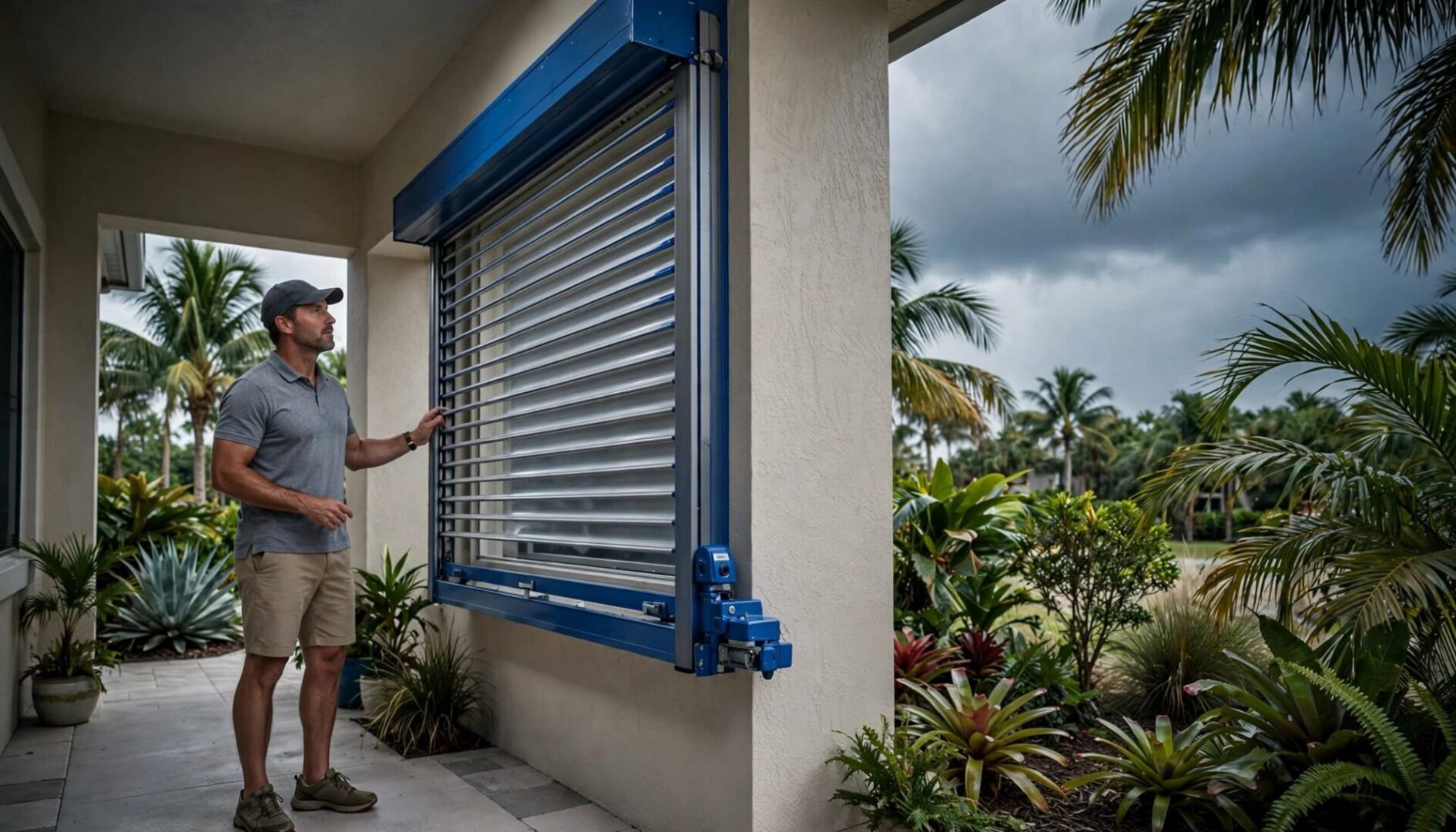
Look across the shutter surface in daylight. Dents, cracks, warped slats, torn screens, and separated joints deserve attention. For accordion shutters, extend the system fully and inspect both sides of the track. On rolling shutters, listen for scraping, grinding, or uneven travel.
If present, inspect Bahama shutters for damaged panels, hinges, hold-open hardware, and wall attachments. Check colonial shutters for the same visible concerns, including panel alignment and attachment points. Include track and hinge condition in your notes.
Clear leaves, sand, nests, salt buildup, and old caulk from the lower tracks. Wash exterior components with mild soap and water, then rinse gently. Follow the shutter manufacturer’s instructions before applying any lubricant. A silicone-based lubricant may be appropriate when the instructions call for it, but don’t guess between silicone, dry lubricant, or no lubricant. Grease can collect grit and worsen a jam.
Inspect locks, anchors, and attachment points
Engage every locking mechanisms and confirm they hold without forcing them. Check for missing keys, loose thumb turns, stripped fasteners, cracked mounting brackets, and gaps where the shutter sits against the wall. Note the condition of visible hardware integrity.
Look closely at anchor points in concrete, block, or wood framing. Fasteners shouldn’t spin freely, pull away from the wall, or show heavy rust. A homeowner can document visible anchor spacing and fastener conditions, but a professional must compare placement with the approved installation documents.
Also confirm that the shutter covers the entire glass opening. The Florida Hurricane Retrofit Guide’s debris impact standards explain why protected openings matter: windborne debris can break glass and let damaging pressure build inside a home.
Photos document visible conditions, but they don’t certify hidden attachment strength or code compliance. Record any issue you find in a simple log:
- Photograph the whole opening, then take close-ups of any problem.
- Note the date, shutter type, opening location, visible corrosion, missing hardware, and whether the system fully closed and locked.
- Save invoices, replacement-part numbers, and contractor reports with the photos.
Verify product approvals and installation records
A shutter’s style alone doesn’t prove compliance with current hurricane protection standards. Approval and installation details must match the product, opening, attachment method, and supporting wall.
Find the Florida Product Approval number
Look through your permit packet, original contract, manufacturer documents, or shutter labels for an FL number. The Florida Product Approval search lets homeowners review approved exterior shutter products, evaluation reports, and installation instructions.
After verifying the current edition and effective date through the Florida Building Commission, the state site lists the 2023 Florida Building Code as effective December 31, 2023. Current Florida Building Code requirements should be checked for new work, replacements, altered attachments, or electrical changes. An older shutter doesn’t automatically need replacement.
Keep copies of the product approval, installation drawings, permit final, and paid invoice. A Miami-Dade NOA may be relevant if the actual product documents, local requirement, or evaluator calls for it. It isn’t automatically required for every Cape Coral shutter. If records are missing, a licensed shutter contractor can identify the system and advise whether the installation can be documented.
Match paperwork to what is installed
Compare the Florida Product Approval records with the actual shutters before relying on them for a repair, sale, or insurance review. Check the approved drawings against the installed panel type, locks, tracks, anchors, and anchor spacing. A prior owner may have changed components without updating the records.
Don’t mix parts from different systems because they appear similar. A replacement panel or anchor needs to fit the approved assembly. Discrepancies, concealed conditions, or inaccessible anchor spacing require professional review rather than homeowner measurements or fastener removal. A Miami-Dade NOA should be considered only when the product documentation, local requirement, or evaluator specifically calls for it.
If you’re remodeling windows, doors, or exterior walls, coordinate the opening protection with the project. Check Cape Coral permitting guidance and applicable Lee County or local requirements before relying on an older contract or product label. Our Cape Coral home remodeling services can help assess related wall, trim, and water-intrusion repairs.
Use formal inspections to support wind mitigation paperwork
A homeowner maintenance check isn’t a formal wind mitigation inspection. Good shutter maintenance doesn’t guarantee insurance discounts. However, documented opening protection may support carrier-specific insurance discounts.
Prepare the records before scheduling
Gather permits, approvals, installation instructions, photos, and maintenance records for each opening protection system. Keep the records organized by opening, particularly if your home combines storm panels, accordion shutters, and impact-rated windows.
Review the current Uniform Mitigation Verification Inspection Form and your carrier’s instructions before scheduling. Ask whether it accepts electronic submissions, which form version it needs, and when a new inspection is appropriate. Also ask whether virtual inspections are available for preliminary photo or video documentation.
Submit the completed report to your insurer
A wind mitigation inspection is different from your personal maintenance check. Photos and maintenance records can support the file, but they don’t replace a completed, signed verification form when a carrier requires one.
Virtual inspections may not satisfy an insurer’s or evaluator’s in-person inspection requirement. They also can’t verify concealed anchors, structural attachment, or code compliance.
After the inspection, request a complete copy of the signed report and all attached documents. Send the package through your insurer’s approved method, then save the confirmation. The Florida CFO’s wind mitigation resources offer state guidance on the inspection process and updating submitted forms.
Know when repair is enough and when replacement makes sense
Minor issues are often repairable if the system remains structurally sound, covers the opening fully, and uses matching approved components. Widespread corrosion or damage, missing records, or altered attachments need a closer review.

Problems that may need a focused repair
A single worn lock, missing fastener, loose handle, clogged track, or damaged weather seal may be repairable. Routine shutter maintenance may clear debris or address a minor worn component when the system remains structurally sound. Keep the old part until the replacement arrives, because its size and configuration can help identify the correct component.
Don’t force a jammed shutter. Excess pressure can bend a track or strip anchors that were otherwise intact. Don’t drill new anchors, mix components, or alter attachment spacing. Leave energized motorized equipment to a qualified professional. For help with minor exterior upkeep and professional repair coordination, review our Cape Coral handyman services.
Signs you need a professional evaluation
Call a licensed shutter contractor when corrosion or damage affects multiple anchors, tracks, brackets, or wall attachments. Arrange an evaluation if the shutter pulls away from the wall or panels no longer overlap correctly.
Stop using motorized shutters if they trip breakers, stop mid-travel, or make loud mechanical noise. Uneven travel can also indicate a problem with rolling shutters that needs professional attention.
Virtual inspections using photos or video can provide preliminary triage only. They can’t replace an on-site evaluation when anchors are loose, the shutter pulls away from the wall, the opening has structural damage, or electrical components are involved.
Replacement may be practical when the manufacturer no longer supports the system, approval paperwork can’t be matched, or a renovation changes the opening size. Before replacing shutters, anchors, or electrical components, verify current licensing, permit, and product-approval requirements with Cape Coral Permitting Services.
Complete a post-storm inspection before normal use
Inspect shutters after a major hurricane or when wind-driven debris strikes the house. Wait for official clearance and follow local emergency guidance. Avoid unstable ladders and damaged electrical equipment. Use a professional when the opening, wall, wiring, or shutter attachment may be unsafe.
Photograph damage before cleaning up
Take wide photos of each wall, then close-ups of bent slats, broken locks, loose anchors, cracked glass, and damaged screens. Photograph the installed opening protection after debris impact, even if the shutter remains in place.
Do not discard broken parts until your insurer or contractor has documented them, if handling them is safe. Keep a dated list of emergency purchases, temporary protection, and repair conversations. Safe photo or video reviews may support virtual inspections for visible damage triage, but they don’t replace an in-person assessment when damage is structural, electrical, concealed, or unsafe to access. Clear records help separate pre-existing wear from storm damage and meet insurer documentation requirements.
Check for water intrusion behind the opening
After the area is safe, open the shutter carefully and inspect interior walls, window trim, flooring, and ceilings. Look for dampness, staining, bubbling paint, swollen materials, damaged seals, or deteriorated weatherstripping. These visible checks can identify concerns, but wind-driven rain may enter through a damaged window seal even when the shutter stayed in place.
If water reached drywall, cabinets, or flooring, drying should start promptly as conditions allow. Visible homeowner checks don’t replace professional drying, leak tracing, mold assessment, or wall-cavity work. Our team provides 24/7 Cape Coral water damage restoration and works with insurance-company partners to document affected materials and moisture conditions. If you notice a musty odor or suspect hidden moisture after drying, schedule a professional mold inspection rather than disturbing wall materials yourself.
Key Takeaways
- Perform monthly visual checks, test each opening safely before hurricane season, and inspect again after major storms.
- Confirm panels close fully, locks engage, tracks stay clear, and visible anchors show no loosening or serious corrosion.
- Have a qualified professional assess concealed anchors, structural defects, electrical faults, or code questions.
- Keep a documented shutter maintenance and repair history with approvals, permits, instructions, photos, and invoices in one digital folder.
- A wind mitigation report may support insurance credits, but each carrier sets its own documentation and underwriting rules.
- Don’t force a stuck shutter or change attachment methods without qualified advice.
Frequently asked questions
How often should hurricane shutters be inspected?
We recommend a monthly visual check, a full operational check before hurricane season, and a post-storm review after significant wind or debris exposure. These are practical maintenance intervals, not statewide legal deadlines.
A homeowner visual check can identify obvious damage, corrosion, or movement problems. A licensed professional evaluation is more appropriate for concealed attachments, structural concerns, or unsafe equipment. A formal wind-mitigation report is separate and must follow the requirements of the requesting insurer or professional.
Seasonal residents should test shutters before leaving for the summer and again before returning. A vacant Cape Coral home can hide corrosion, leaks, or a failed motorized system for months.
Can virtual inspections replace an in-person inspection?
Virtual inspections may help document visible conditions through photos or video, but they don’t always replace an in-person evaluation. Acceptance varies by insurer and the reviewing professional.
A remote review can’t verify concealed attachments, structural conditions, or unsafe electrical equipment. Arrange an in-person assessment when the damage isn’t fully visible or a formal report is required.
What causes hurricane shutters to jam or fail?
Dirt in tracks, corroded fasteners, bent panels, damaged locks, worn rollers, and improper lubrication are common causes. Salt air and irrigation spray can speed up corrosion on exposed hardware.
Start with cleaning and a careful visual inspection. Then use only the maintenance products listed in the manufacturer instructions. If the shutter still resists normal movement, stop and arrange a repair assessment.
Do hurricane shutters need a permit in Cape Coral?
New shutter installations, replacements, electrical work for motorized shutters, and attachment changes can involve permit requirements. The scope, product approval, and building conditions all matter.
Confirm current requirements with the Cape Coral building department or official permitting division before work begins. Don’t rely on advice from a prior owner or an online listing.
A permitted installation can provide better documentation for future repairs, sales, and insurance records, when a permit applies to the project.
Keep Shutters Ready Before the Next Storm
This practical checklist protects a much larger investment. Test every opening early, document defects with photos, and keep approval and permit records where you can find them. Arrange professional repairs before hurricane season.
For storm-related water damage or moisture concerns in Cape Coral, Fort Myers, or Naples, contact Services 321 to schedule an appointment. Our state-certified team brings more than 20 years of property repair and restoration experience. We’re available 24/7 when storm damage can’t wait.
