Musty Smell in House After Rain in Cape Coral: Causes, Fast Fixes, and When to Call a Pro

You’re not imagining it. A musty smell after rain is common in Cape Coral homes, even when you don’t see a leak. The tricky part is that rain often acts like a “volume knob” for odors that were already there, hiding in damp materials, AC components, or wall cavities.
The good news is you can usually narrow down the source with a few targeted checks. Below you’ll learn why the smell spikes right after storms, what causes it in Southwest Florida homes, and which fixes work best (with realistic cost and time ranges).
Why rain makes musty odors show up so fast in Cape Coral
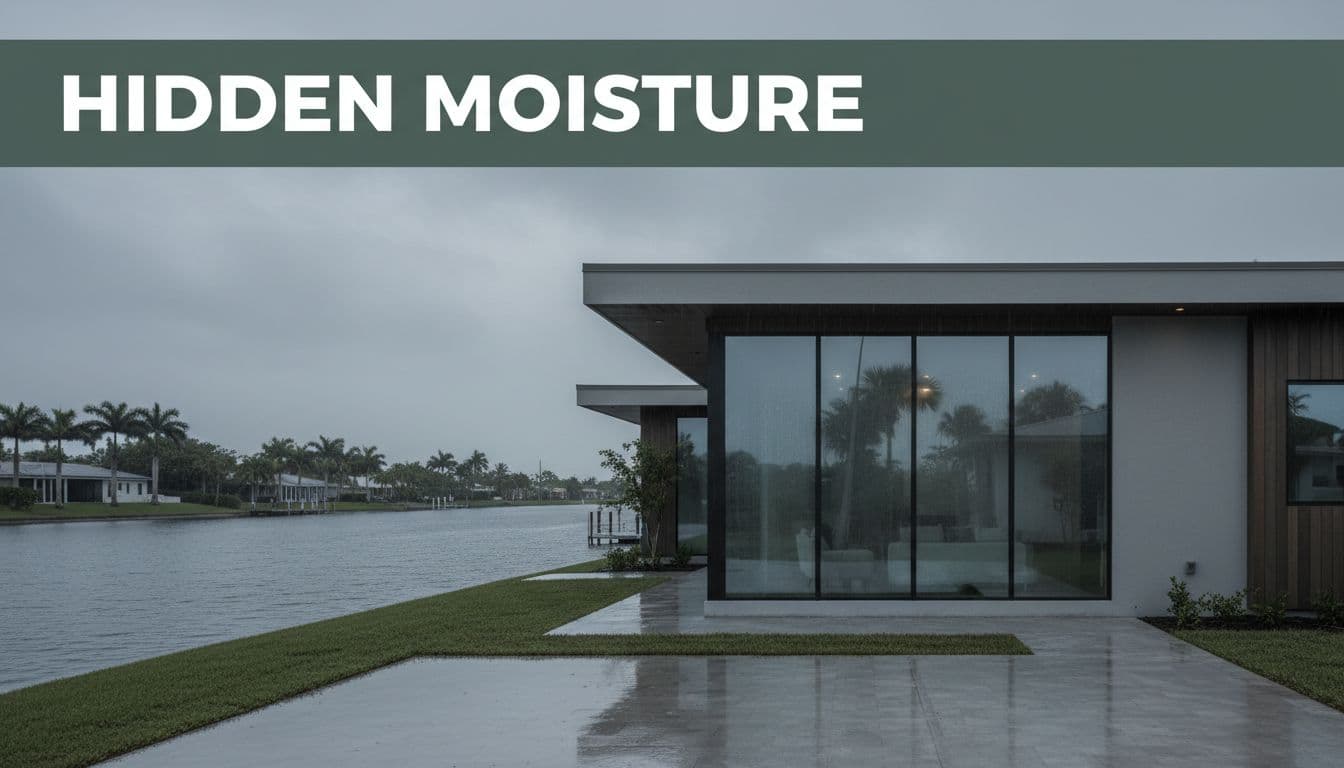
In Cape Coral, rain changes indoor conditions in a few ways, and those changes can wake up dormant odors.
First, humidity jumps. When outdoor moisture rises, your home absorbs it through tiny air leaks, open doors, and even porous materials. If your indoor relative humidity (RH) climbs above about 55 to 60 percent, musty smells intensify because damp surfaces release more odor.
Second, your AC may run less during rainy weather (cloud cover cools things down). Less runtime means less moisture removal. If you also keep the thermostat set too warm in summer (common for seasonal residents), the air can feel clammy because the system doesn’t dehumidify long enough.
Third, rain saturates soil around slab foundations. That can push damp air and “earthy” odors upward through small slab cracks and plumbing penetrations. Canal-front properties and high water-table areas can notice this more.
For a deeper explanation of why rain amplifies existing moisture and odors, see this overview on why homes smell musty after rain.
Quick target for Florida homes: aim for 45 to 55 percent indoor RH. If you’re hitting 60 percent after storms, odors usually follow.
The most common sources of a musty smell after rain (slab homes, canals, and older builds)
A musty odor is usually a moisture problem plus something organic (dust, drywall paper, wood, carpet backing). In Cape Coral, these sources come up again and again:
1) AC system moisture and drain issues
Your air handler creates condensation by design. If the drain line clogs, the drain pan stays wet, or the coil area grows biofilm, the system can blow a “dirty sock” or musty smell. Rainy weather can make it worse because the house is already humid.
2) Wet drywall or window leaks you can’t see
Wind-driven rain can sneak in around windows, doors, stucco cracks, or roof flashing. The water doesn’t always show as a drip. Sometimes it slowly dampens drywall edges, baseboards, or insulation, then the smell blooms after the storm.
3) Attic humidity and roof ventilation problems
A small roof leak, blocked soffit vents, or damp attic insulation can create a musty smell that drifts down through ceiling fixtures. Rain can also raise attic humidity even without a direct leak.
4) Slab and plumbing penetrations
Slab-on-grade homes can pull damp, earthy odors through expansion joints, hairline cracks, and pipe chases. If there’s a minor plumbing leak in a wall or under a slab, rain-related humidity makes the odor more obvious.
A simple DIY checklist to locate the smell (and stay safe)
Before you scrub anything, start with basic detective work. You’re trying to answer one question: Is this humidity, or is it a leak?
What to do first (15 to 45 minutes)
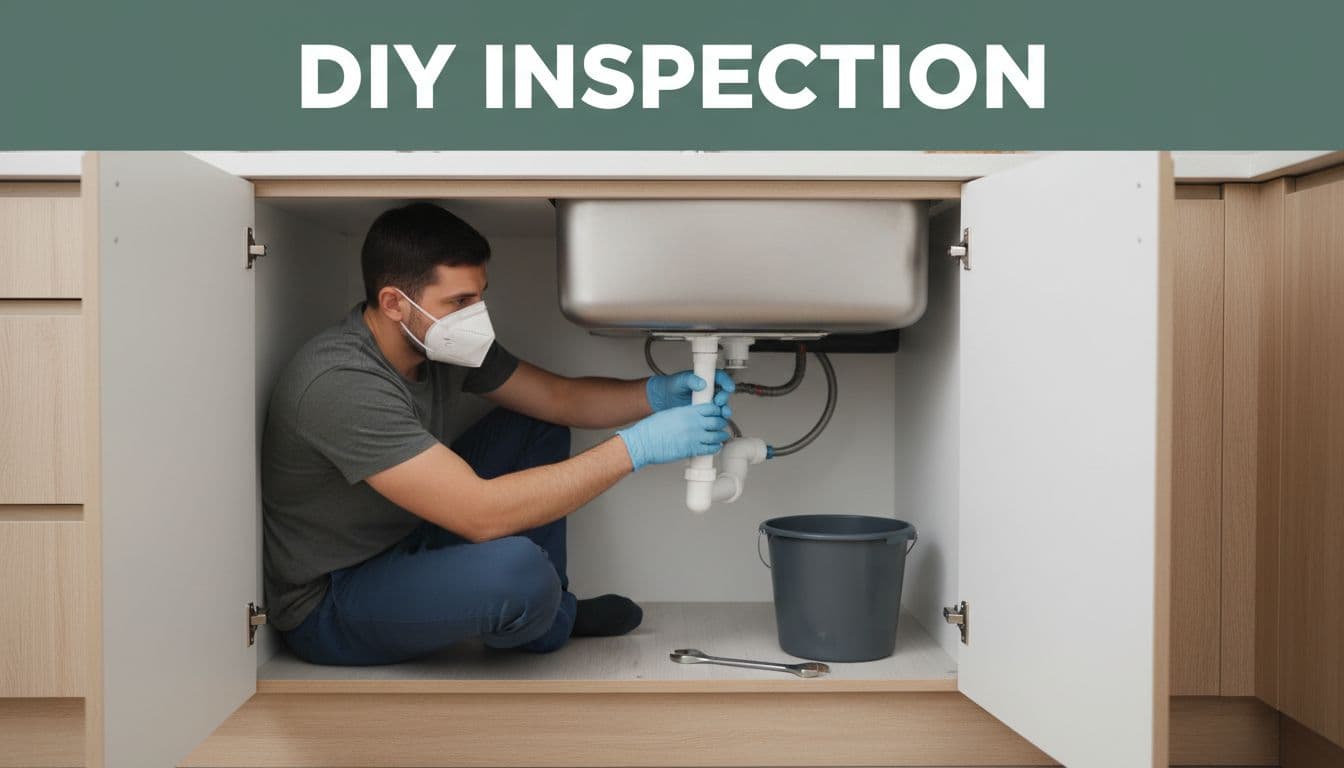
- Check indoor RH with a cheap hygrometer. If RH is above 55 percent, focus on dehumidification and AC settings first.
- Sniff map: walk room to room and note where it’s strongest (closets, under sinks, near returns, by exterior walls).
- Look low: musty odor often pools near baseboards, carpet edges, and under vanities.
- Check the AC: inspect the return grille for damp dust, then look at the air handler area for standing water or staining.
- After rain, inspect outside: look for gutter overflow, splash-back, and water pooling near the foundation.
Safety notes (don’t skip these)
Wear nitrile gloves and an N95 style mask if you’re disturbing dusty or possibly moldy areas. Also, stop if you find widespread growth or strong odors that cause irritation. If you have asthma or other concerns, talk with a qualified medical professional.
Fixes that work in Southwest Florida (cost ranges, time-to-fix, and what’s DIY)
Below is a quick reference to common fixes for a musty smell after rain. Costs vary by home size and severity, but these ranges keep expectations realistic.
| Problem area | Best first fix | DIY cost | Pro cost | Time-to-fix | DIY difficulty |
|---|---|---|---|---|---|
| Indoor RH spikes after storms | Run AC colder (not “warm and clammy”), add dehumidifier, improve air sealing | $20 to $300 | $300 to $2,500 | Same day to 2 weeks | Low to Med |
| AC drain line or pan odor | Flush drain line, clean pan area, replace clogged filters | $10 to $60 | $150 to $600 | 1 to 3 hours | Med |
| Musty closets | Increase airflow, use moisture absorbers, address wall dampness | $15 to $80 | $300 to $1,500 | 1 day to 1 week | Low |
| Wind-driven window leak | Re-caulk and seal exterior gaps (correct product), check weep paths | $15 to $60 | $300 to $1,200 | 2 to 6 hours | Med |
| Hidden wet drywall | Locate moisture source, dry fast, remove damaged materials | $0 to $150 | $800 to $6,000+ | 1 day to 7+ days | Pro-only often |
| Wet attic insulation | Fix roof leak, remove wet insulation, dry framing | $0 to $150 | $1,000 to $7,500+ | 2 days to 2 weeks | Pro-only often |
The main takeaway: odor control without moisture control doesn’t last. If you only spray fragrance, the smell usually returns with the next rain.
For cleanup boundaries and when to avoid DIY, review the EPA’s mold cleanup guidance.
Red flags that point to hidden mold or water damage
Some musty smells are just high humidity. Others signal a wet building material that needs professional drying or removal. Watch for these warning signs:
- The smell gets stronger near one wall, one closet, or one ceiling area.
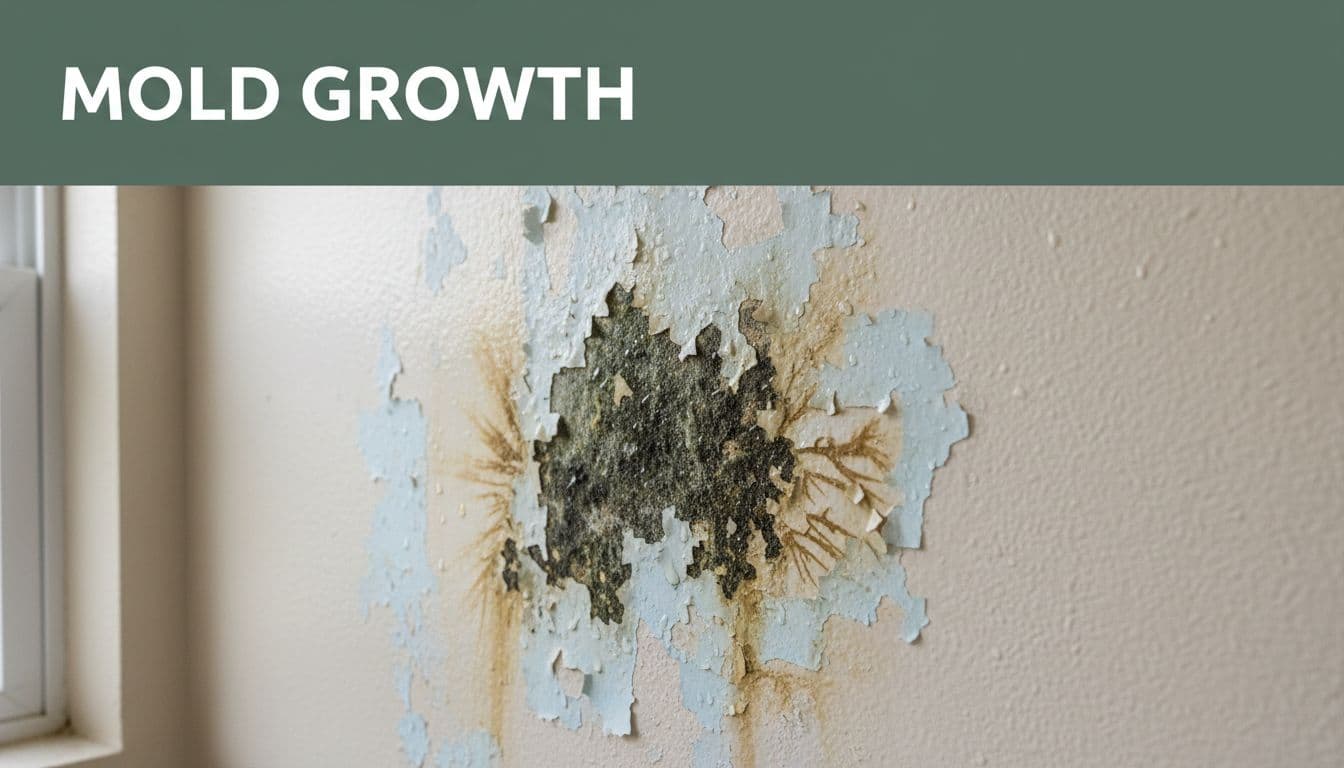
- You see bubbling paint, swelling baseboards, or soft drywall.
- The AC supply air smells musty mostly when it starts up.
- Odors return within 24 to 48 hours, even with a dehumidifier running.
- You notice repeated condensation on windows or vents.
If you’re worried about health effects, keep it practical and avoid guessing. The CDC’s mold overview explains common symptoms people report in damp buildings and why fixing moisture matters.
For Florida-specific public health guidance, this Florida Department of Health mold resource is a solid reference.
When to call a pro in Cape Coral (and who to call)
If the odor is strong, recurring, or tied to a specific area, calling the right trade saves time.
Call an HVAC contractor when:
- RH stays high even though the AC runs often.
- You suspect a clogged drain line, dirty coil, or oversized system short-cycling.
- You want options like better ventilation control or whole-home dehumidification.
Call a plumber when:
- You smell mustiness near bathrooms, kitchens, or the laundry area.
- There’s staining under sinks, around toilets, or along a wall line.
- You suspect a slab leak or slow supply line leak.
Call a roofer when:
- The smell follows heavy rain plus wind.
- You see ceiling staining, wet attic insulation, or drips near vents and flashing.
Call a water restoration team when:
- Materials are wet now and need fast drying (especially drywall, insulation, or cabinets).
- You want moisture mapping to find the wet path and document conditions.
Call a licensed mold assessor when:
- You need clear answers on scope, or you’re considering remediation.
- You want a written protocol and, after work, verification that the area is dry and clean.
What to ask (so you get useful answers)
Ask for moisture readings (not just a visual check), where the highest readings were found, and what drying goal they’re targeting. If insurance might apply, ask what documentation they provide.
Conclusion
A musty smell after rain is usually your home telling you it’s holding moisture somewhere, even if it looks “fine.” Start by getting indoor RH into the 45 to 55 percent range, then track the odor to the most likely source. If you hit red flags like soft drywall, recurring smells in one spot, or visible growth, stop DIY work and bring in the right pro. The faster you find and dry the source, the faster your home smells normal again.
