
Emergency Sewage Backup Cleanup Steps for Cape Coral Homeowners
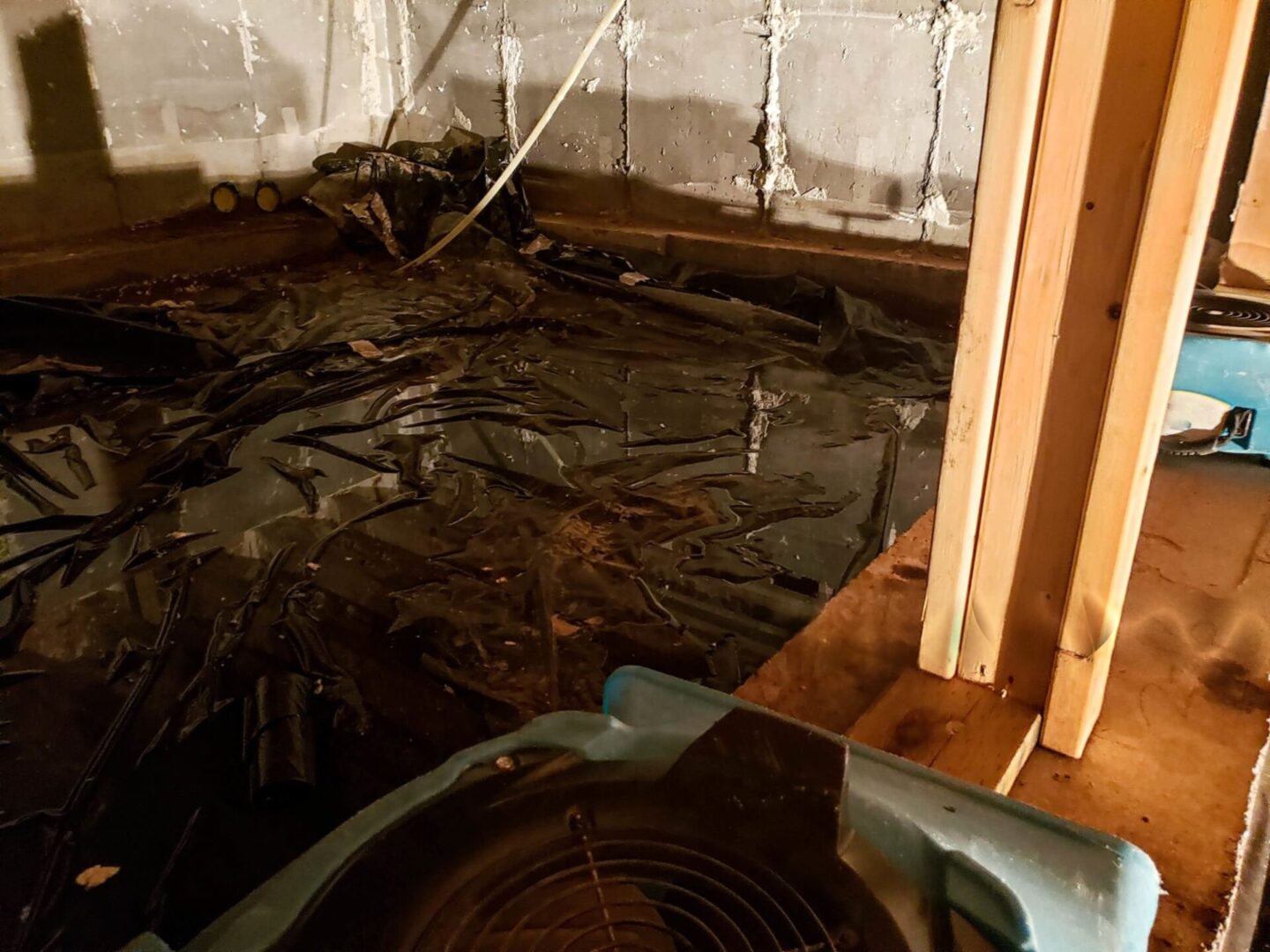
A sewage backup can turn your home upside down in minutes. The smell hits first, then you notice the water level creeping across the floor. At that point, sewage backup cleanup is less like a normal mess and more like handling a spill from a broken toilet line: you need speed, caution, and a clear plan.
In Cape Coral, backups often show up after heavy rain, a blocked main line, or a failed lift station nearby. No matter the cause, treat any indoor sewage as Category 3 (black water) until a licensed pro tells you otherwise.
The first 30 minutes: stop the spread and protect people
Your goal is simple: limit contact, stop the flow, and keep contamination from traveling through the house.
Safety warning: If sewage water is near outlets, cords, or your breaker panel, don’t walk into it to shut off power. Call for help.
First 30-minute checklist (do this in order):
- Keep everyone out of the affected area, including pets. Close doors if you can.
- Stop using water in the home. Don’t flush, run sinks, or start laundry.
- Shut off water at the main valve if a fixture is overflowing or you suspect a supply-side issue.
- Cut electricity to the wet area at the breaker (only if you can reach it safely on a dry path).
- Ventilate safely by opening exterior windows if it won’t spread odors into clean rooms. Avoid running the central HVAC.
- Contain the path with towels at door thresholds, or plastic sheeting if you have it.
- Take quick photos and video before you move items (wide shots, then close-ups).
- Call a plumber and/or restoration team based on what you’re seeing (a guide is below).
If the backup is still rising, or it has reached more than one room, treat it as a pro job. The faster you act, the less material you’ll end up removing.
Safety first: PPE and supplies for sewage backup cleanup
Sewage isn’t just dirty water. It can carry bacteria, viruses, and parasites. Even breathing the air near a contaminated puddle can irritate your lungs. For a plain-language rundown of health concerns, see health issues linked to sewage exposure.
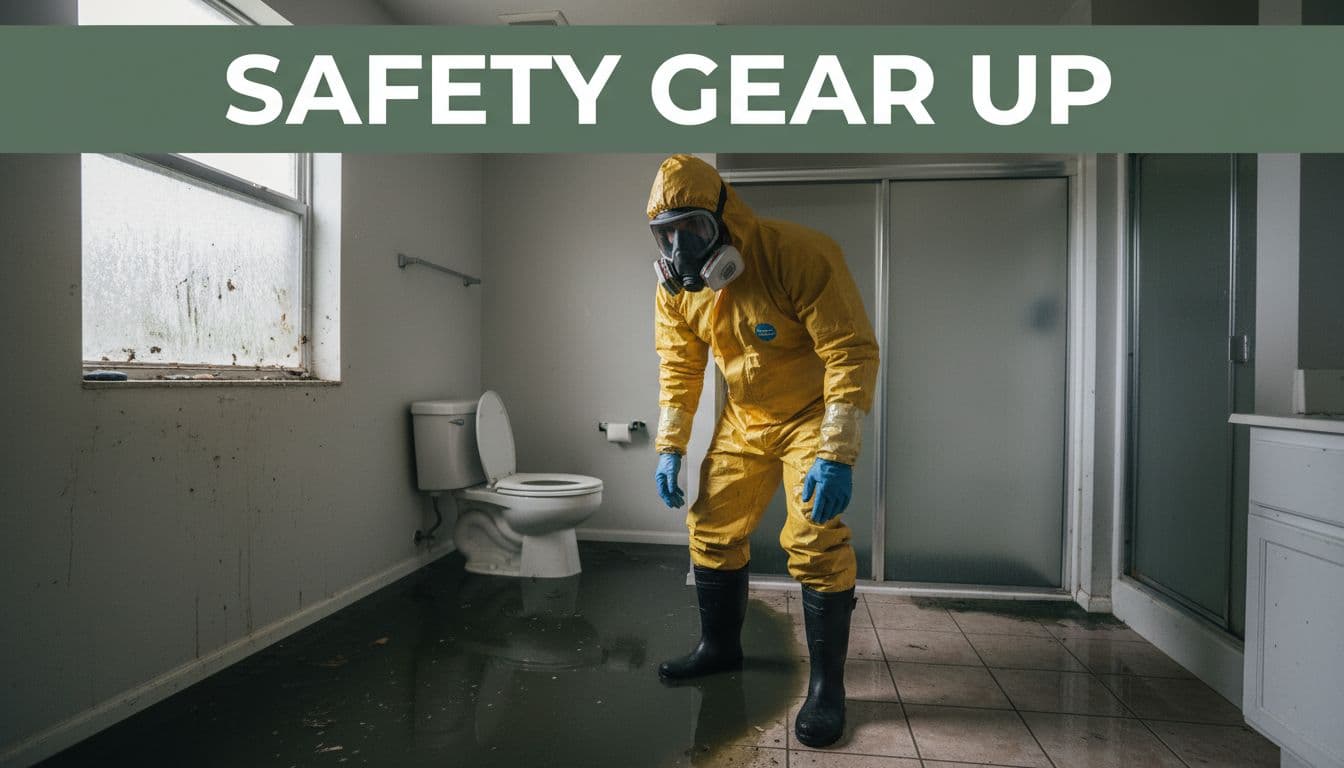
Safety warning: If you don’t have the right protection, don’t “tough it out.” Black water cleanup without PPE is a real illness risk.
PPE you should use (minimum)
- Respirator: N95 at a minimum, P100 is better if you have it
- Eye protection: sealed goggles, not just glasses
- Gloves: long-cuff nitrile under heavy rubber gloves works well
- Boots: rubber, easy to disinfect, no fabric
- Disposable coveralls: with hood, taped cuffs if possible
Supplies that make a difference
- Heavy-duty trash bags (contractor grade)
- Plastic sheeting and painter’s tape (for doorway barriers)
- Absorbent towels, paper towels, disposable rags
- Wet/dry vacuum rated for liquids (never a regular household vacuum)
- Mop bucket you can disinfect or discard
- EPA-registered disinfectant (follow the label for dwell time)
- Fans and a dehumidifier (after contamination is removed)
- A flashlight and a phone charger (you’ll take lots of photos)
Safety warning: Never mix cleaners. Don’t combine bleach with ammonia or unknown products.
Step-by-step sewage backup cleanup (only for small, contained spills)
This section is for minor overflows that are limited to a small area, haven’t soaked into carpet, and haven’t entered wall cavities. If you have porous materials affected (carpet, padding, drywall, baseboards, upholstered furniture), skip to the “call pros” section.
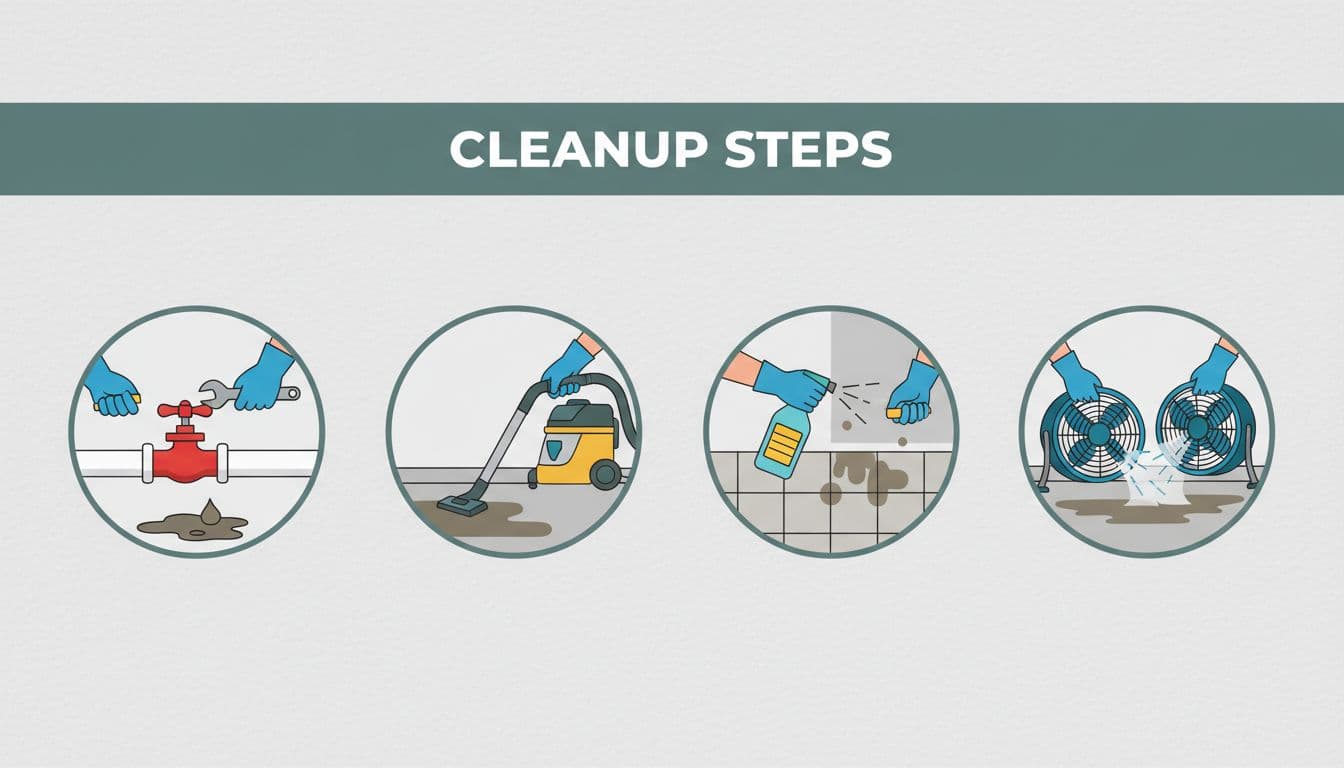
- Confirm the source is stopped. No running water, no flushing, no “one quick shower.”
- Set a clean path. Choose one entry point, lay plastic or old towels, and avoid tracking sewage to other rooms.
- Remove standing liquid. Use a wet/dry vac or pump for puddles. Work from the edges toward the center.
- Bag solids and contaminated debris. Double-bag and tie tight. Keep bags outside in a safe spot.
- Wash hard surfaces first. Scrub tile, sealed concrete, metal, and plastic with a cleaner to remove visible soil.
- Disinfect next, following the label. Apply an EPA-registered disinfectant and leave it wet for the stated contact time.
- Rinse (if the product requires it), then dry fast. After disinfection, use fans and a dehumidifier to bring humidity down.
- Clean the air you can control. Keep doors closed, change HVAC filters after the event, and don’t run the system during active cleanup.
- Wash up like you were at a job site. Shower, clean under nails, and wash clothes separately on hot.
Gotcha: If the water touched drywall, wood trim, or flooring seams, it often wicked farther than you can see. That’s where mold and odor start.
If odors linger after cleaning, don’t mask them with fragrance. Odor usually means material still holds contamination.
Call these pros (and know who does what) plus insurance tips
Some jobs are too risky for DIY, even if you’re handy.

Call a plumber when the problem is the pipe
- The toilet or cleanout is still overflowing
- Multiple drains back up at once (main line issue)
- You suspect roots, a belly in the line, or a clogged sewer lateral
- You need a camera inspection or a repair to prevent a repeat
Call a water damage and restoration team when the problem is contamination
- Sewage hit carpet, padding, drywall, insulation, or cabinets
- More than one room is affected, or it reached closets and hallways
- The smell is strong, or the HVAC may have pulled in odor
- A child, senior, pregnant person, or anyone immunocompromised lives in the home
- You want insurance-friendly documentation and drying logs
A restoration crew typically handles extraction, controlled demolition of unsalvageable porous materials, cleaning, disinfection, drying, and project documentation. For a local example of what sewage remediation can include, see Cape Coral sewage cleanup services. (Even if you choose a different company, the scope overview helps you know what to ask for.)
Insurance tips that help in Florida
Sewer and drain backups are often treated differently than storm flooding. Many homeowners need a separate water backup or sewer overflow endorsement for coverage. A Southwest Florida-focused overview is here: water backup and sewer overflow coverage basics.
Keep your claim on track with a few habits:
- Take photos and video early, then keep photographing as work progresses.
- Save receipts for mitigation, supplies, rentals, and hotel stays if you must leave.
- Don’t wait on cleanup if it’s getting worse. Most policies expect a duty to mitigate damage.
- Ask how they want you to handle damaged items, but don’t store sewage-soaked porous materials indoors.
Best move: Document first, then remove unsafe materials. Health and safety beat perfect inventory.
Conclusion
A sewage backup feels overwhelming because it mixes stress, smell, and real health risk. Start with the first 30 minutes actions, then decide if the spill is truly small and contained. When in doubt, treat it as black water and bring in a licensed plumber and restoration team. The right response protects your home, your claim, and most importantly, your health.
