How Long Does Mold Remediation Take in Cape Coral Homes?
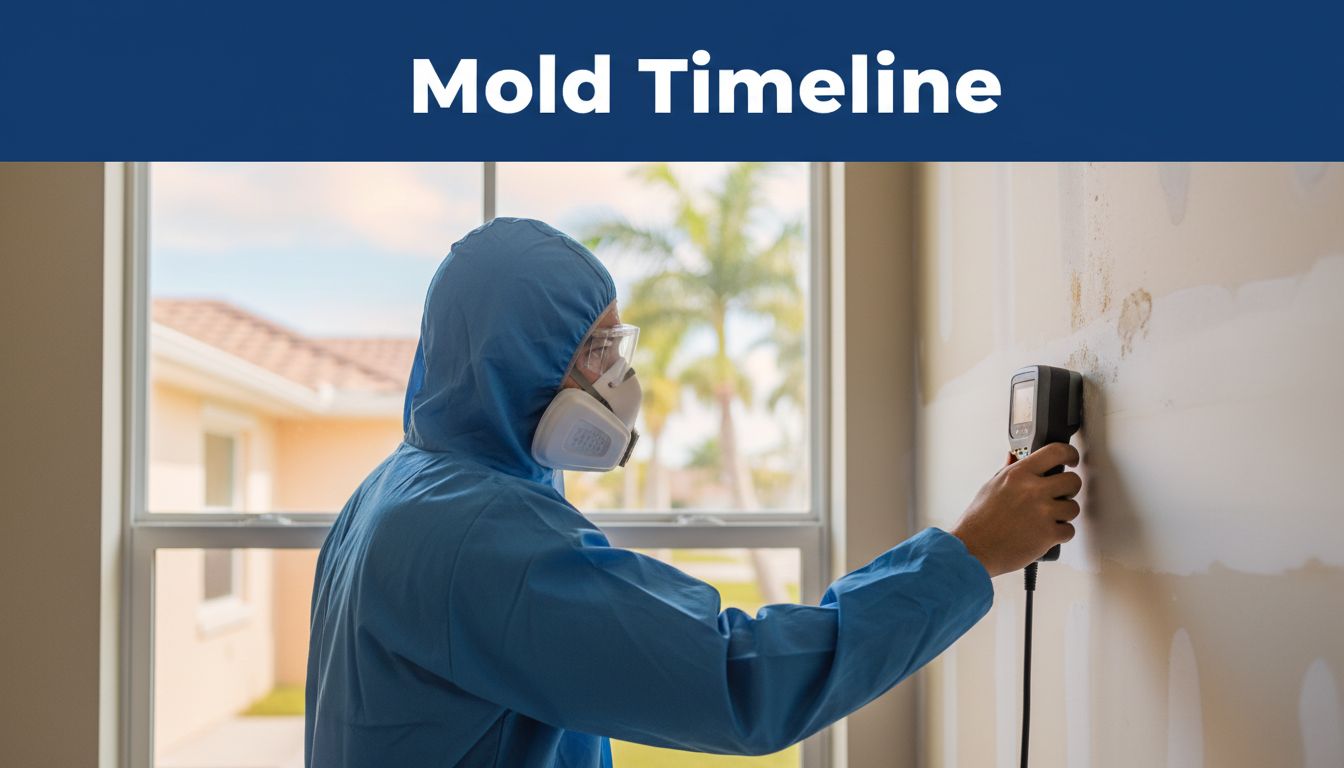
Once mold starts growing in a Cape Coral home, time matters. Coastal humidity and warm indoor air can turn one damp spot into a larger cleanup fast.
Most mold remediation Cape Coral jobs take 1 day to 2 weeks. The range is wide because the moisture source, hidden spread, and damaged materials change the schedule. That matters if you need to plan access, repairs, or temporary moves.
If you’re dealing with storm seepage, a plumbing leak, or AC condensation, it helps to know what slows the job down before work begins.
A realistic mold remediation timeline for Cape Coral homes
For many homes, the on-site work is shorter than people expect. A small, contained area can often be cleaned in 1 to 2 days. A moderate job usually lands in the 3 to 5 day range. Large losses, or homes with hidden moisture and HVAC spread, can take 1 to 2 weeks.
This quick table gives a practical starting point.
| Situation | Typical on-site time | What changes the range |
|---|---|---|
| Small area, little demolition | 1 to 2 days | Fast if the leak is fixed and materials are already drying |
| Moderate spread in one or two rooms | 3 to 5 days | Containment, removal, cleaning, and drying take longer |
| Large or hidden contamination | 1 to 2 weeks | HVAC work, heavy demolition, and extra drying add days |
Those ranges cover remediation only. If the crew also has to rebuild drywall, repaint, or replace cabinets, the full project lasts longer. Access matters too. A bathroom wall is easier than mold behind kitchen cabinets or inside a tight AC closet.
A normal schedule starts with inspection and moisture mapping. Next comes containment, air filtration, material removal, surface cleaning, and drying. After that, some homes move to post-remediation testing. Lab results or third-party clearance can add another day or two, even when active cleanup is done.
Homeowners often think the job ends when the visible staining is gone. In practice, the moisture source still has to be fixed, and the area has to dry to target levels. That same sequence shows up in broader mold remediation timeline expectations.
What makes one Cape Coral mold job take longer than another
The biggest factor is simple: how much mold is there, and where is it hiding? A patch on bathroom drywall is different from growth inside insulation, under laminate flooring, or around an air handler closet.
In Cape Coral, humidity raises the stakes. Mold can start growing within 24 to 48 hours after water intrusion, and spring 2026 storms across Southwest Florida have kept many homes damp even without major flooding. Water can creep in around windows, roof lines, sliders, and garage doors.
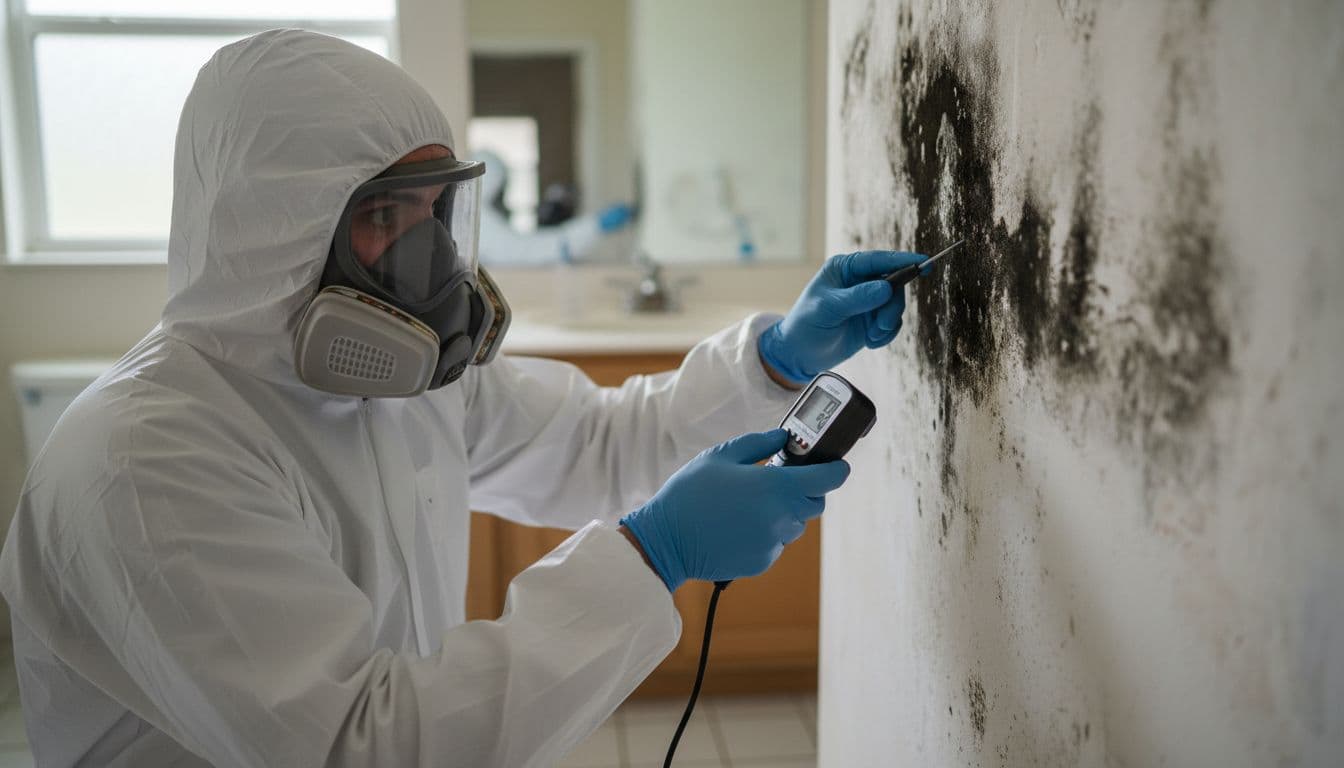
The source of moisture matters too. A slow plumbing drip under a sink may affect one cabinet. A roof leak after a storm can wet insulation across a ceiling bay. AC problems can be even trickier. Condensate line clogs, leaking air handlers, and sweaty ducts may keep feeding moisture until the system is fixed.
Drying often decides the timeline more than the cleaning does.
If materials stay wet, the crew can’t rush to the next step. Air movers and dehumidifiers may need to run day and night before removal finishes or clearance testing makes sense.
HVAC contamination also stretches the schedule. Once mold reaches ducts or the handler, crews may need extra containment, cleaning, filter changes, and a pause before the system runs again. The same goes for heavy demolition. Removing drywall, insulation, baseboards, or cabinets takes longer than cleaning tile or other hard surfaces.
That is why mold remediation Cape Coral schedules vary more than many online estimates suggest. This Cape Coral mold inspection and remediation guide gives a useful local look at the same climate and moisture issues homeowners see here.
What to expect before, during, and after remediation
Once the scope is clear, the process usually moves in a set order. The crew isolates the work area with plastic barriers, sets HEPA air scrubbers, removes damaged material, cleans the remaining structure, and dries the space. Then, if the plan calls for it, they do post-remediation verification.
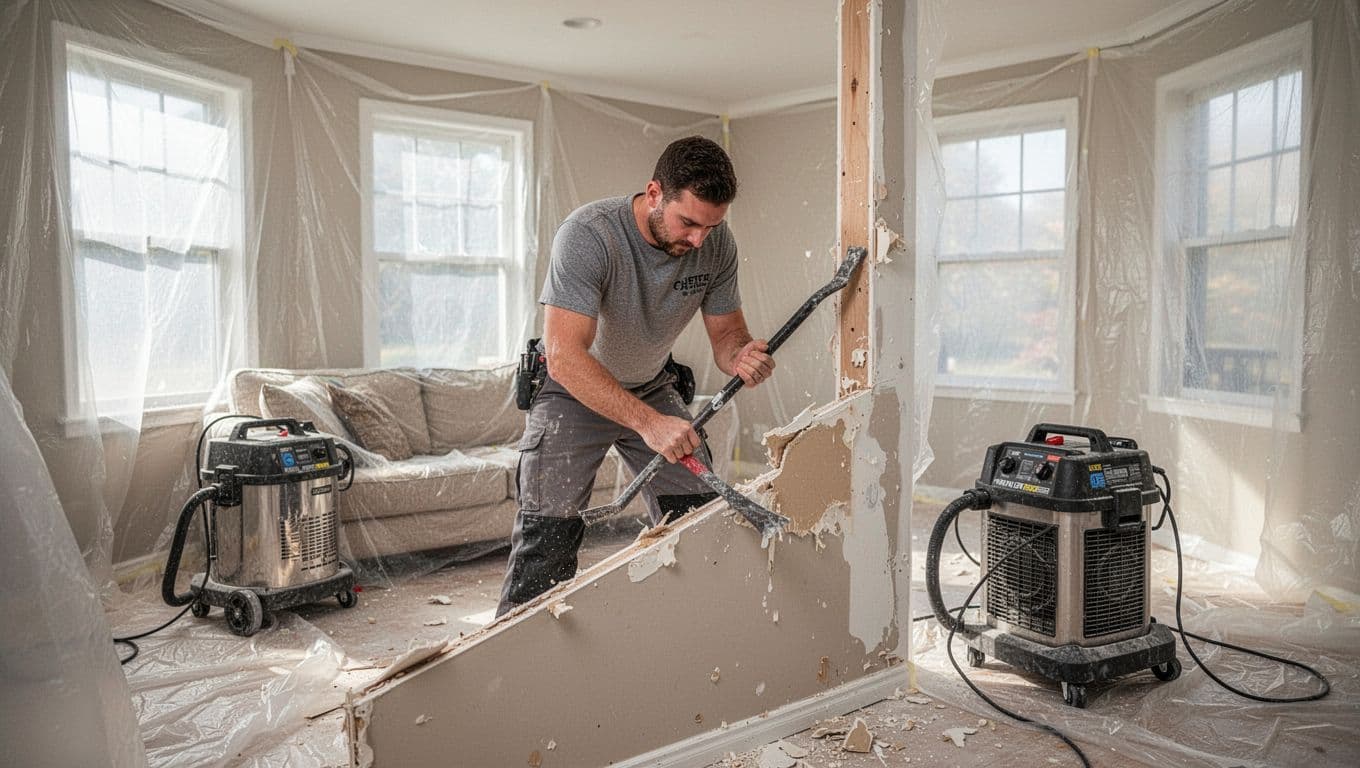
During that time, you may lose access to part of the home. That can be a bedroom, bathroom, garage wall, or main living area. Larger projects sometimes need furniture moves. Pets and children should stay away from the contained area, and people with asthma may need to stay out of the work zone longer.
A few simple steps can help the job stay on track:
- Clear personal items from the affected area before the crew arrives.
- Approve leak repairs quickly, because remediation can’t outpace ongoing moisture.
- Leave barriers and drying equipment alone unless the crew tells you otherwise.
- Ask whether the HVAC should stay off in the affected zone.
- After cleanup, keep indoor humidity below 60 percent and watch for new leaks.
Post-remediation testing is often the final checkpoint. It doesn’t always add much labor, but it can add calendar time because sampling, lab work, and follow-up visits take scheduling. This broader mold restoration timeline shows why clearance is separate from basic cleanup.
One last planning note helps avoid surprises. Remediation and reconstruction are not the same step. Once the mold is gone and the area is dry, the next phase may be drywall replacement, trim work, paint, or cabinet repair.
A mold job doesn’t run on a fixed clock. In Cape Coral, the real driver is moisture control, along with how far the contamination spread and whether ducts or porous materials are involved.
Small jobs can wrap up fast. Still, a dry home with solid clearance testing is worth more than a rushed finish, especially in humid Southwest Florida weather. Act early, and a two-day cleanup is less likely to become a week-long repair.
