
Hurricane Season Home Prep Checklist for Cape Coral Homeowners
Living in Cape Coral means sunshine, canals, and storm season reality. The hard part is not knowing a storm is coming. It’s knowing when you’ll have time to get ready.
A good hurricane prep checklist turns panic into steps. You handle the big risks first, then the small stuff that keeps life moving (meds, fuel, chargers, and paperwork).
Below is a Cape Coral focused plan you can start now, then tighten up when watches and warnings happen.
Start early: alerts, zones, insurance, and a simple timeline
Before you buy one more battery, set your information sources and decision points. No matter what NOAA’s seasonal outlook says, don’t wait for a prediction to start prepping. The Atlantic season still runs June 1 through November 30. You can track official storm updates at the National Hurricane Center’s 2026 season page.
Next, make sure you know where local updates will come from. The Cape Coral Fire Department hurricane guidance is a solid starting point, and Lee County posts storm and recovery info on its Hurricane Preparation Guide. For statewide planning and supply guidance, keep the Florida Hurricane Guide bookmarked.
Use this quick timeline to pace the work:
| When | Focus | What to do first |
|---|---|---|
| March to May | Plan and paperwork | Review policies, inventory belongings, service shutters and generators |
| 5 to 7 days out | Home setup | Yard cleanup, fuel, cash, prescriptions, charge backups |
| 48 to 24 hours out | Final lock-in | Install shutters, bring in everything outside, set fridge coldest |
| After the storm | Safety and documentation | Avoid floodwater, photograph damage, prevent mold fast |
Insurance needs its own line item. Many homeowners only learn the rules when it’s too late. Florida law sets deadlines for hurricane claims (often 1 year for the initial claim and 18 months for supplemental damage found later). If you had damage from 2024 storms, March and April 2026 are key months for some supplemental filing deadlines. Check your loss date and policy, then call your carrier if you’re unsure.
Also, confirm what is and is not covered. Wind damage usually goes through homeowners insurance. Flooding requires a separate flood policy. Cape Coral’s flood insurance rates can also tie into FEMA community ratings, so it helps to stay aware of local compliance news, including this update on a Cape Coral FEMA deadline tied to flood insurance discounts.
Hurricane prep checklist for the outside of your home (wind, water, and projectiles)
The outside of your house takes the hit first. Think of your home like an umbrella in a sideways storm. Small gaps and loose items become big problems fast.
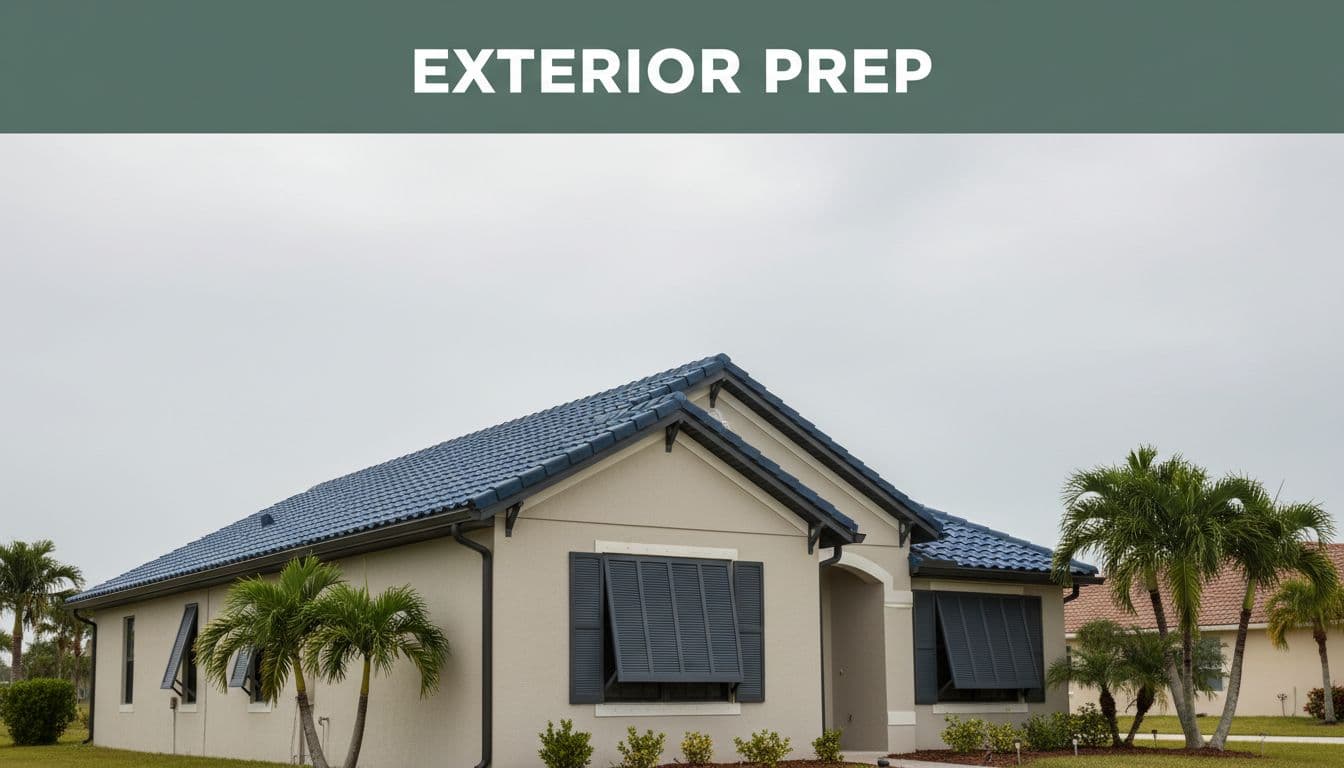
Use this exterior checklist as your “ready” baseline. Adjust it to your home, because canal-front lots, older roofs, and screened lanais can change priorities.
- Windows and openings: Test shutters now, not the day before landfall. If you use panels, confirm hardware and label each panel by opening.
- Garage door: Check the seal and bracing. A failed garage door can increase wind pressure inside the home.
- Roof and attic: Replace missing shingles, fix flashing, and look for soft spots. In the attic, check for past leaks and wet insulation.
- Gutters and downspouts: Clear clogs so water moves away from the foundation.
- Yard “missiles”: Bring in patio furniture, grills, tools, planters, pool gear, and kids’ toys. If it can roll, it can fly.
- Trees and palms: Trim dead limbs and thin dense canopies. Hire a licensed, insured tree crew if limbs are near power lines.
- Screen enclosure and lanai: Repair loose fasteners and doors. Decide ahead of time if you’ll remove panels or doors (check the manufacturer guidance).
- Drainage and canals: Clear yard drains and swales. If your street floods easily, note where water pools and plan sandbags early (availability can vanish).
- Outdoor chemicals: Store pool chemicals and fuel safely, dry, and off the floor if floodwater is possible.
One more thing: if you plan upgrades like impact windows, a new roof, or major repairs, confirm permit needs locally before season ramps up. The City of Cape Coral hurricane preparation page is a helpful place to start for local direction and updates.
Inside the home: supplies, documents, evacuation, and power (without the chaos)
Once the exterior is handled, shift indoors. The goal is simple: you want safety, clean water, lights, and your paperwork protected.
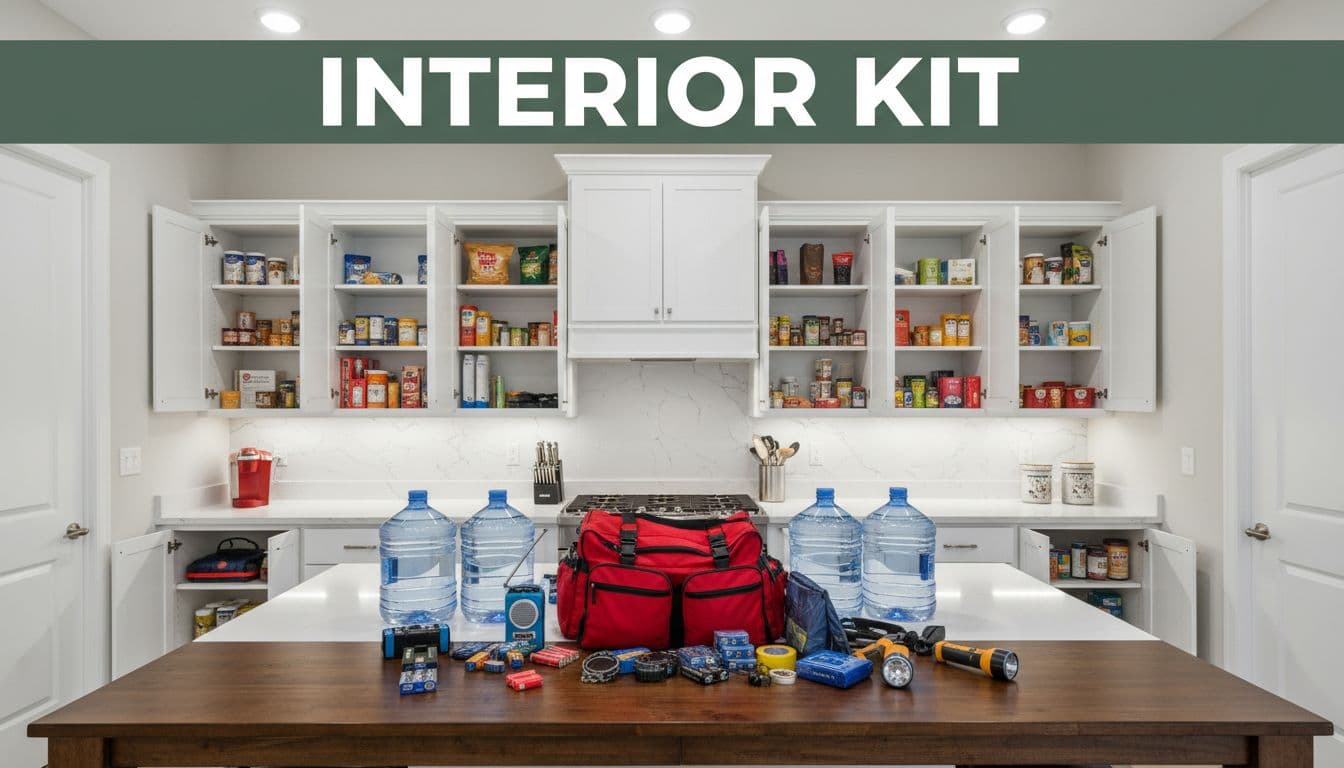
A practical home supply kit (built for Florida heat and outages)
Keep most of your kit in one closet or bin so you’re not hunting around. Rotate items at the start of each season.
- Water and food: Plan for shelf-stable meals. If you rely on a stove, have a safe backup cooking method and fuel stored correctly.
- Medications: Refill early, store a printed list of meds and dosages, and pack a small cooler plan if you need refrigeration.
- Lighting and power: Headlamps beat flashlights when you need both hands.
- Cash and charging: ATMs and card readers may be down. Keep small bills and at least one charged power bank.
- Clean-up and moisture control: Trash bags, disinfectant wipes, a wet-dry shop vacuum if you have one, and a small dehumidifier can help after minor water intrusion.
Protect documents and prove what you own
Storm claims go smoother when you can show “before” and “after.” Walk your home now and record a quick video, opening closets and cabinets. Save it to the cloud and to a drive in a waterproof pouch.
Set aside a grab folder with IDs, insurance declarations, mortgage info, prescriptions, and pet records. Lee County also offers a printable planning format in its Family Emergency Plan (PDF).

Evacuation and pets: decide early, then move fast
Evacuation is location-dependent, so check your zone and local notices when a storm approaches. If officials say go, go early. Traffic turns a two-hour drive into an all-day problem.
If you have pets, confirm where they’ll stay. Many shelters have specific rules, and hotels fill quickly. Pack pet food, meds, leashes, and a photo of you with your pet (it helps with reunification).
Generator safety (this is non-negotiable)
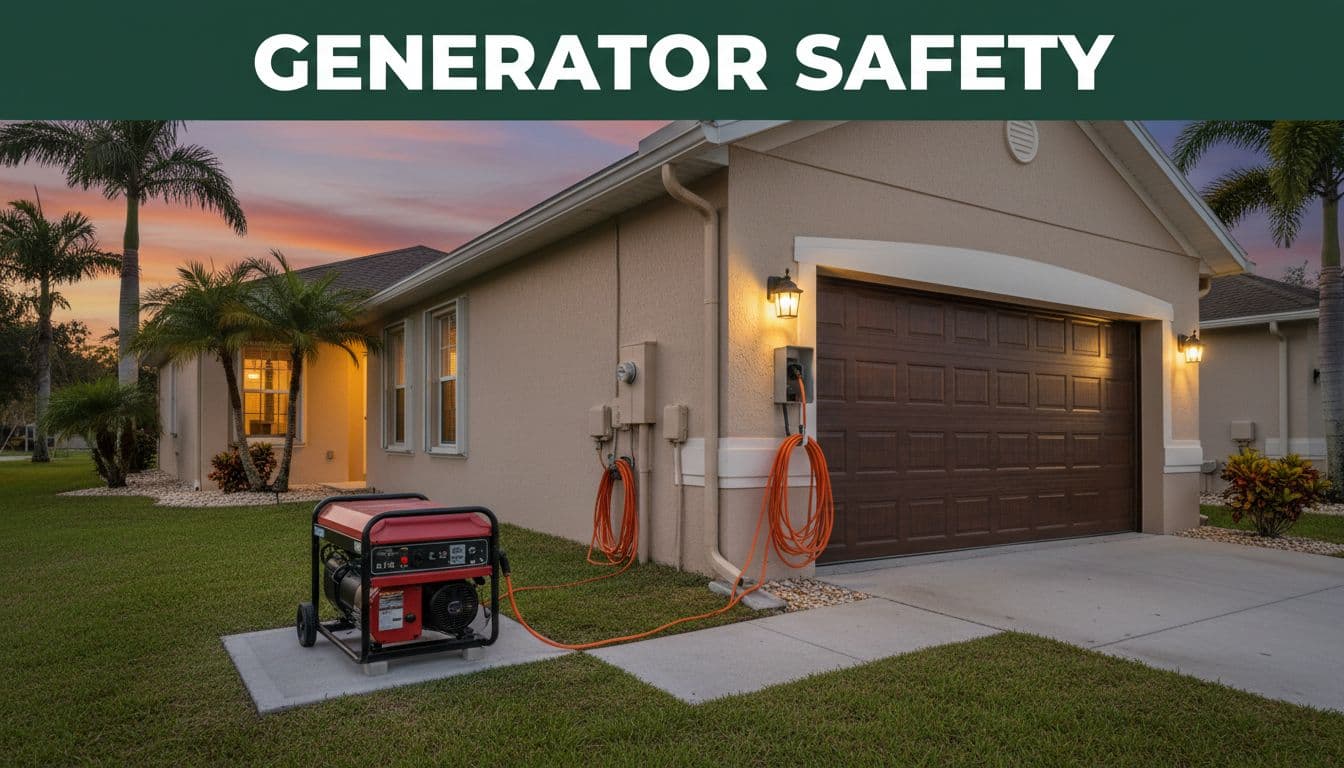
A generator must run outside, far from doors, windows, and the garage. Carbon monoxide can build up fast and you won’t smell it.
Use heavy-duty cords rated for the load, keep fuel in approved containers, and let the unit cool before refueling. If you don’t already have battery CO alarms, add them to your list.
After the storm: avoid scams and stop water damage early
After a hurricane, the second wave is often contractor scams. Don’t sign pressure contracts, and don’t pay large amounts upfront. Ask for license and insurance, get a clear scope, and keep copies of everything. If emergency drying or repairs are needed, follow storm surge cleanup safety steps before entering, take photos first, then act quickly because wet drywall and insulation can lead to mold.
Conclusion
A Cape Coral hurricane plan works best when it’s boring. That’s the point. Build your hurricane prep checklist now, then update it when watches start. Keep your documents tight, your supplies simple, and your safety choices clear. When the next storm shows up, you’ll spend less time scrambling and more time protecting what matters most.
