How to Check for Mold After a Plumbing Leak in Your Fort Myers Kitchen or Bathroom
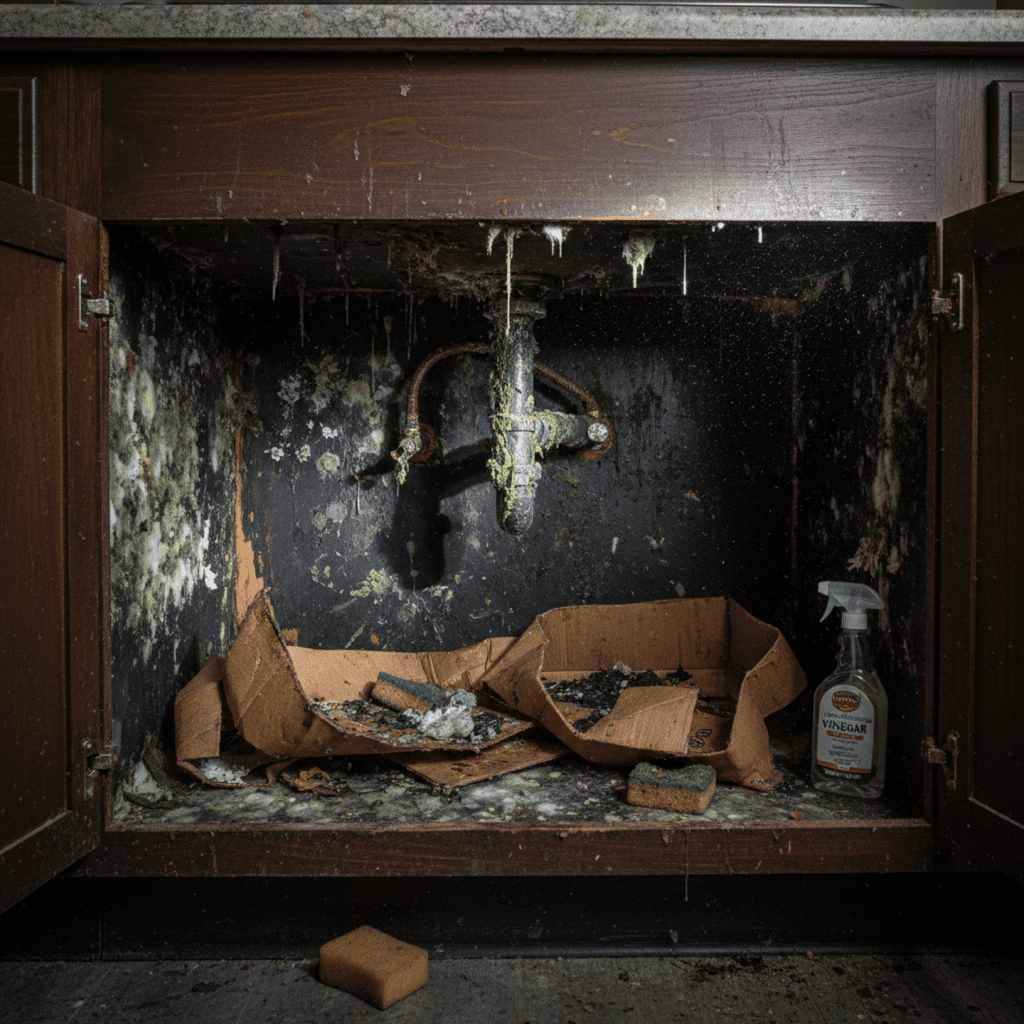
In Fort Myers, a plumbing leak can turn into a mold problem fast. Warm air plus high humidity can help mold start growing in 24 to 48 hours after materials get wet. That sounds scary, but the fix is often simple: stop the water, dry the area quickly, then check the right places.
This guide walks you through what to do after a kitchen or bathroom leak, how to spot early warning signs, and how to stay safe while you look. You’ll also learn when it’s time to book a Mold Inspection, especially if the leak reached walls, cabinets, or flooring.
Leaks under sinks, at the toilet base, and behind vanities are common here. Unfortunately, those are also perfect hiding spots for moisture and mold.
First things first, stop the water and dry the area within 48 hours
The best time to prevent mold is right after the leak, not a week later. Think of moisture like fuel. If you remove the fuel quickly, mold has a harder time getting started.
Start with the basics:
- Shut off the closest water supply valve (under the sink, behind the toilet, or the fixture shutoff).
- Catch drips with a bucket or pan, then put down towels to protect flooring.
- Remove anything wet from cabinets, especially paper goods and stored linens.
- Run the bathroom exhaust fan, or the kitchen vent (if it vents outside).
- Set up a box fan aimed into the wet area, and add a dehumidifier if you have one.
- If possible, keep indoor humidity under about 50 percent, because damp air slows drying.
Drying can be tougher in Fort Myers because the outdoor air often carries a lot of moisture. Opening windows sometimes helps, but if it’s muggy outside, your air conditioner and dehumidifier usually do a better job.
If you can’t get materials dry in 48 hours (especially drywall, wood, or insulation), assume mold risk went up and inspect more carefully.
If you want a homeowner-friendly reference for what to look for, this step-by-step mold inspection checklist is a helpful companion to the steps below.
Leak hot spots to check right away in kitchens and bathrooms
Some areas hold water like a sponge, even when everything looks fine on the surface. Check these spots early, because they’re frequent sources of hidden moisture:
In kitchens, look closely at the P-trap and drain joints, shutoff valves, garbage disposal connections, dishwasher supply lines, and fridge water lines. Also check the cabinet floor under the sink, since that’s where drips collect.
In bathrooms, focus on the toilet wax ring area, the supply line and shutoff, the vanity back and bottom, and the wall behind the shower valve. Scan grout and caulk lines too, since small failures let water sneak behind tile.
One key point: if water ran into a wall cavity or under tile, it can stay wet for days. The surface may feel dry, while the material underneath stays damp.
Basic safety before you start looking for mold
A quick look under a sink is usually low risk, but take simple precautions if you see staining, dust, or any fuzzy growth.
Wear gloves and eye protection. If you might disturb dust or suspect mold, use an N95-style mask. Keep kids and pets out of the area while you inspect and clean.
Ventilation also helps. Turn on fans, and open a door to improve airflow if weather allows.
Finally, don’t mix cleaners. In particular, never mix bleach and ammonia, because the fumes can be dangerous.
How to spot mold signs, even when you cannot see it
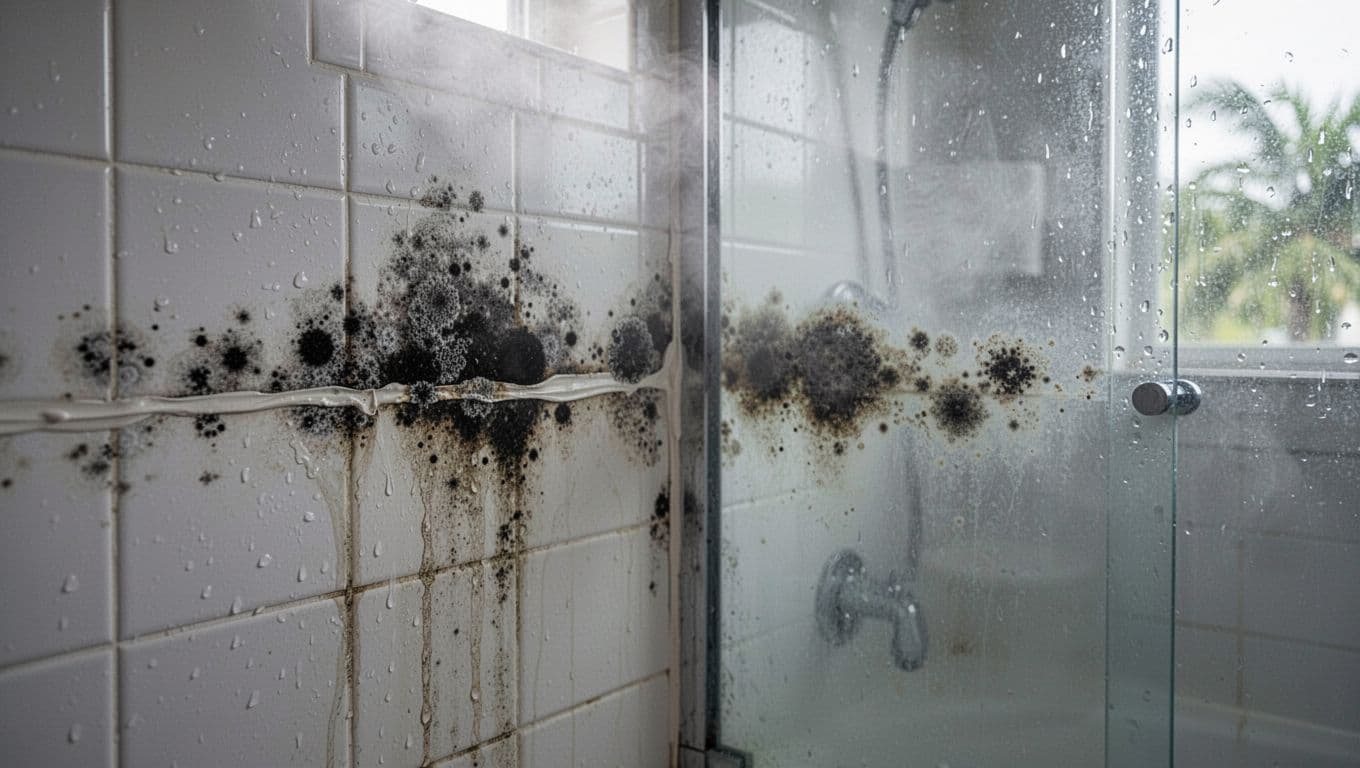
After a leak, mold doesn’t always show up as obvious black spots. It often starts in quiet places: behind cabinets, under flooring, inside drywall, or under a vanity toe kick. That’s why your senses matter.
Smell is a big clue. So is texture. Pay attention to surfaces that feel swollen, soft, or wavy. Also watch for areas that “re-wet” after you think they’re dry, which can happen when water is trapped behind a surface.
Moisture clues count too. Condensation that keeps returning, damp air in one room, and a musty smell that comes back after cleaning usually point to trapped moisture.
If you want to understand what professional removal often involves once mold is confirmed, this local overview of the bathroom and kitchen mold removal process in Fort Myers explains why hidden areas matter so much.
Smell, stains, and surface changes that usually mean trouble
A musty or earthy odor that lingers is one of the most common signs of a mold issue after a leak. If the smell gets stronger near one cabinet or wall, check the next areas out in all directions, because moisture spreads.
Look for dark spotting, smudgy staining, or fuzzy patches. Also watch for paint bubbling, peeling, or a “raised” look on drywall. In a bathroom, check the ceiling above showers, since steam adds extra moisture.
Touch can tell you a lot. Press lightly on drywall near the floor and around the leak spot. Softness often means water damage, and water damage is where mold likes to settle in.
In kitchens, warped cabinet bottoms and swollen particleboard are big warnings. In bathrooms, buckled baseboards and lifted flooring edges often show that water traveled farther than expected.
Hidden mold clues in bathrooms and kitchens
Some signs don’t look like mold at all, at least at first.
Bathrooms may stay humid even with the fan on. Towels might never fully dry. Caulk may keep turning dark, even after you scrub it. Those patterns suggest moisture is lingering.
Under sinks, look for rusted fasteners, crumbly cabinet floors, and swollen wood around the plumbing cutouts. Grout lines that stay wet or dark can also signal water behind the tile.
Health clues can add context too. If someone starts coughing, wheezing, or getting headaches at home, then feels better after leaving, be cautious. Kids, seniors, and people with asthma often react sooner, so take symptoms seriously.
A step by step kitchen and bathroom mold check you can do in under an hour
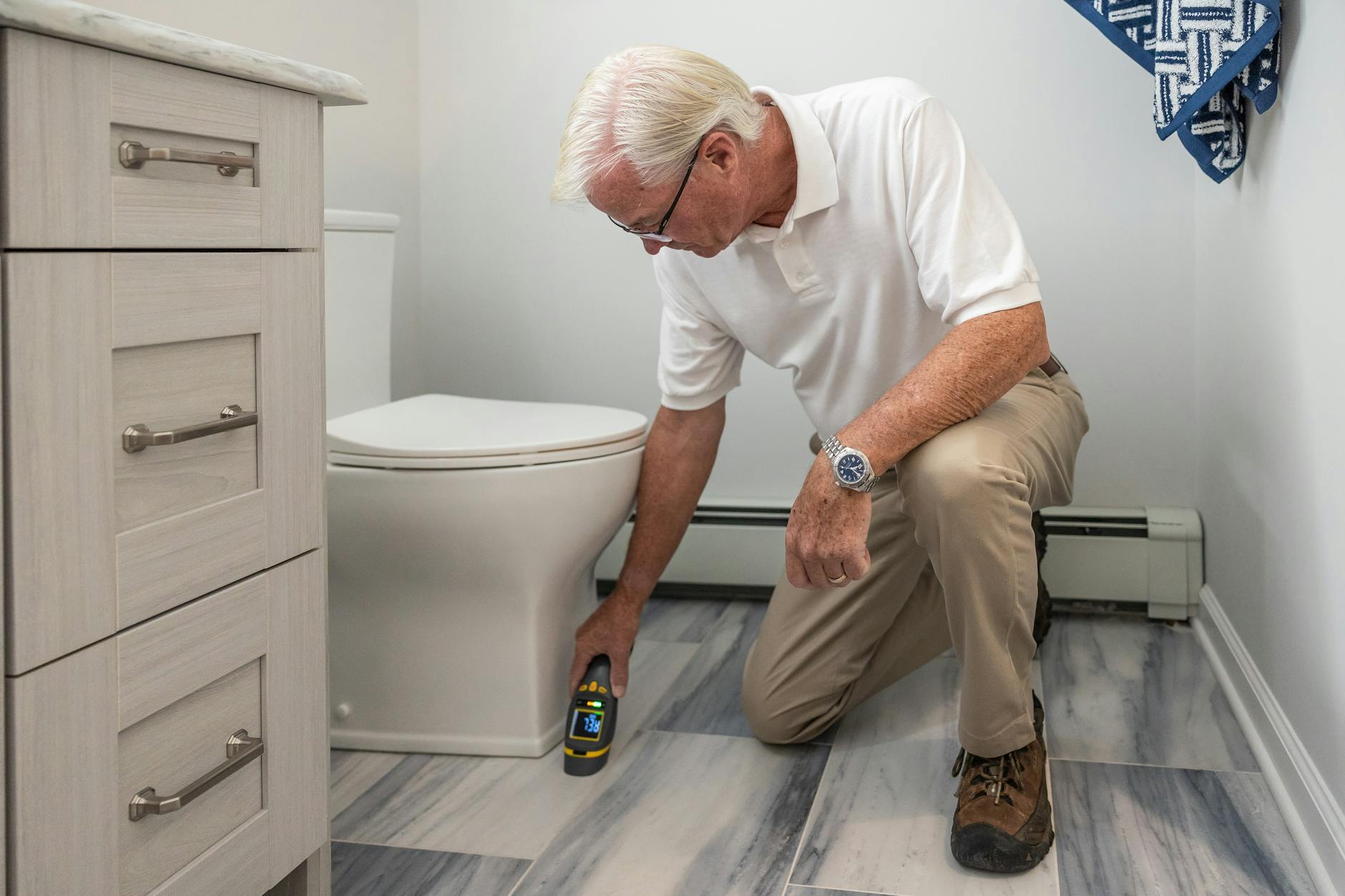 Photo by Kathleen Austin Kuhn
You don’t need fancy equipment to do a solid first check. You just need a smart route and a few basic tools: a flashlight, paper towels, a small mirror, and (optionally) a moisture meter.
Set a timer if it helps. The goal isn’t to tear your house apart. It’s to confirm whether things are dry and stable, or whether moisture likely hid behind surfaces.
For a quick look, start at the leak point. Then work outward like you’re following a spill on a countertop. Water moves the same way, except it slips under baseboards and behind cabinets.
If you suspect the leak reached walls or floors, it’s also worth knowing what a professional Mold Inspection typically includes. Many restoration companies outline their approach, like this overview of a Fort Myers mold inspection service, so you can compare it to what you can reasonably do yourself.
Quick inspection route: from the leak point to the hidden spaces
Follow this route to avoid missing the “next” wet spot:
- Start where you first saw water, then look up and down with a flashlight.
- Check under the sink or vanity (cabinet floor, side walls, and back panel).
- Inspect baseboards and drywall seams nearby, especially corners.
- Look behind appliances or toilets with a mirror (water can pool where you can’t see).
- Check around the tub and shower plumbing wall, including the valve area.
- If there’s an upstairs bathroom, look at the ceiling below it for staining or softness.
- Peek into closets that share a wall with the leak area, because moisture can travel.
Use simple tests as you go. Dab suspicious areas with a paper towel to see if they’re still damp. Press gently for soft spots. Compare one side of a cabinet to the other, because differences often reveal where water traveled.
Stop and call a pro if you find widespread softness, heavy staining, or visible growth that seems to disappear behind a surface.
When a moisture meter helps, and what readings should worry you
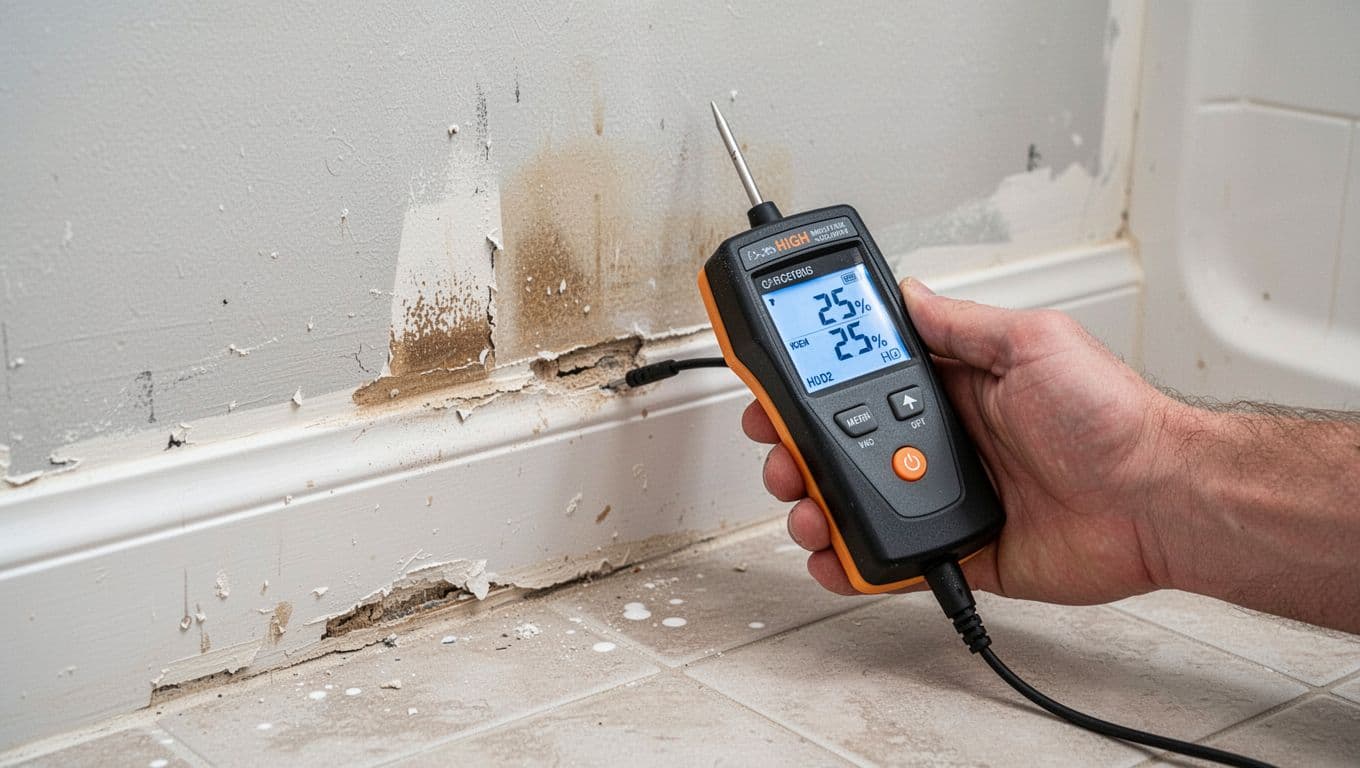
A moisture meter can catch wet drywall or wood before mold shows itself. That matters after a leak, because materials can feel dry on the outside while staying damp inside.
Don’t obsess over a single “perfect” number. Instead, compare. If one area reads much higher than surrounding areas, that’s a red flag. Also pay attention to time. If readings stay high after 24 hours of drying, moisture is probably trapped.
Scan the places that trap water most often: cabinet toe kicks, drywall close to the floor, the wall behind the toilet, and the shower valve wall. In kitchens, check around the dishwasher and fridge line too, even if the leak started under the sink.
Clean up small mold safely, and know when to schedule a professional Mold Inspection
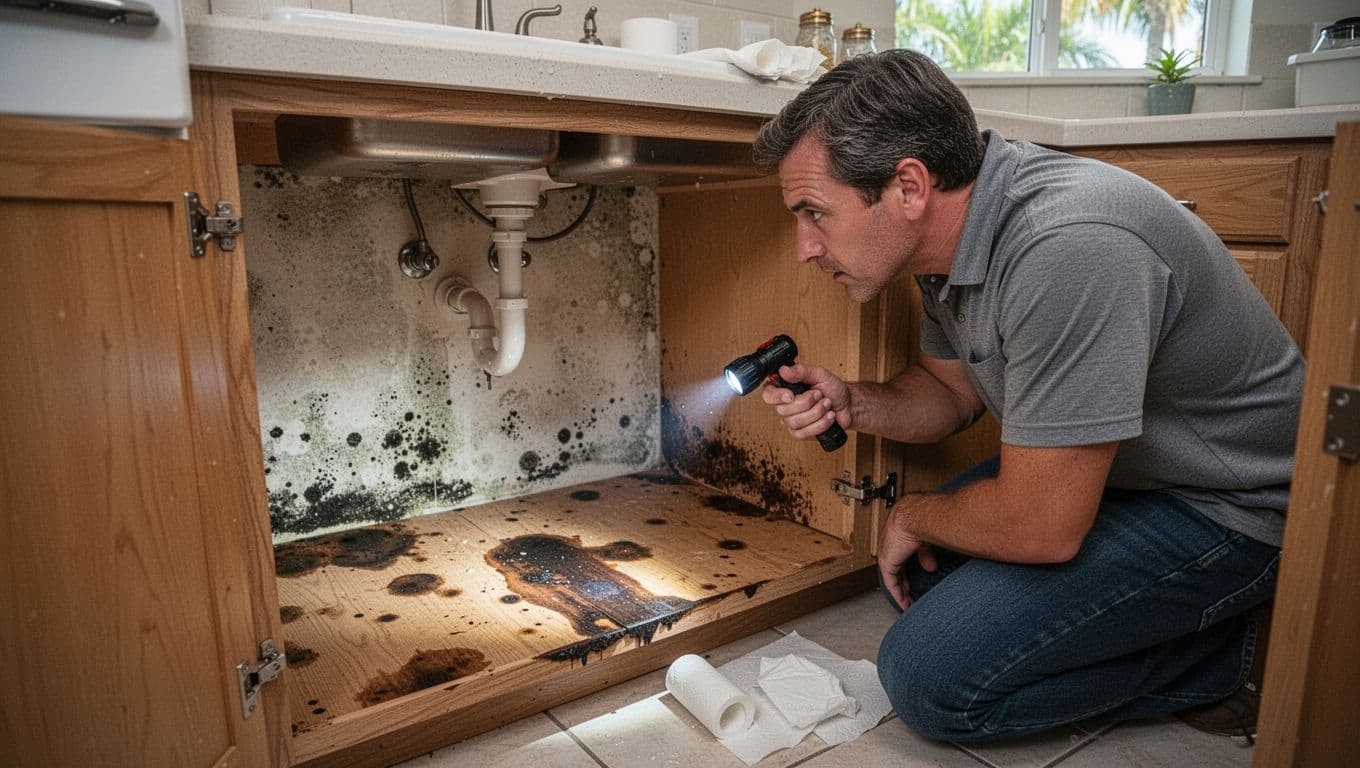
DIY cleanup can work in very limited cases. Still, Fort Myers humidity means mold can return if wet materials stay in place. The main goal is to fix the leak source and remove moisture, not just wipe a stain.
A common guideline from many public health and restoration sources is that small areas (around 10 square feet or less) may be handled by a homeowner if the mold is on the surface and the material is non-porous. Once growth is hidden, widespread, or tied to dirty water, professional help becomes the safer choice.
If you want another local point of reference on why testing and inspection matter, this overview of mold inspection and testing in Fort Myers explains why surface cleaning doesn’t always solve the root issue.
If the mold is small and on the surface, here is a safe way to handle it
This approach is only for small spots on hard, non-porous surfaces (like tile, sealed countertops, or metal). Don’t rely on it for drywall, insulation, or swollen cabinet wood.
First, ventilate the space and put on gloves, eye protection, and a mask. Next, clean with soap and water to remove grime, because grime can protect mold.
After that, you may choose to disinfect hard surfaces with a bleach solution (about 1 cup bleach per 1 gallon of water). Use it only where it makes sense, and never mix it with other cleaners.
Finally, dry everything completely. Fans and a dehumidifier help. If porous items are damaged (swollen particleboard, soaked drywall, moldy insulation), throw them away. Keeping them is like keeping a wet sponge in your cabinet.
Red flags that mean you should stop and call a pro
Some situations look small, but they aren’t. Stop DIY work and get help if any of these apply:
- Mold covers more than about a bath towel area (roughly 10 square feet).
- Growth appears inside walls, under floors, or behind cabinets.
- The leak involved sewage or toilet overflow water.
- A musty smell returns after drying and cleaning.
- Anyone has symptoms that seem linked to being at home.
- Multiple rooms show moisture or staining.
At that point, booking a professional Mold Inspection is the most practical next step, because it helps confirm how far moisture traveled and what materials are affected. If you’re in the area, schedule a local inspection through this page on Mold Inspection in Fort Myers.
Depending on what’s found, water damage restoration and mold remediation may also be part of the solution, and insurance may help based on the cause of the leak.
Conclusion
After a plumbing leak in Fort Myers, speed matters. Dry the area within 48 hours, then follow a simple inspection route from the leak point outward. Don’t ignore musty smells, soft drywall, or swollen cabinets, because those clues often mean hidden moisture.
If you suspect water got into walls, under tile, or under flooring, a Mold Inspection can save you from bigger repairs later. Fixing the leak is still step one, but confirming everything is truly dry is how you keep mold from coming back.
