Can I Remove Mold Myself, or Do I Need to Call a Professional in Fort Myers?
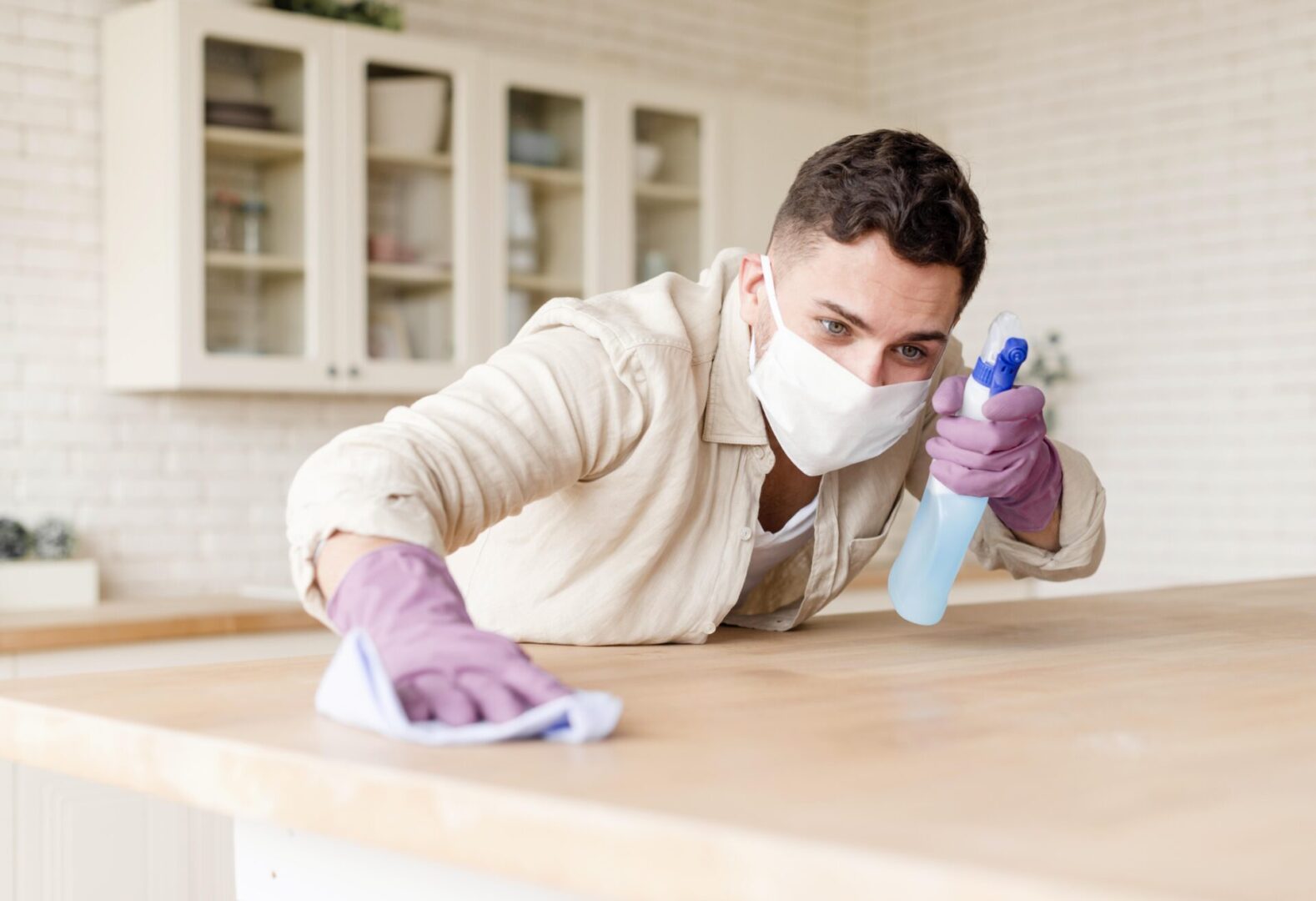
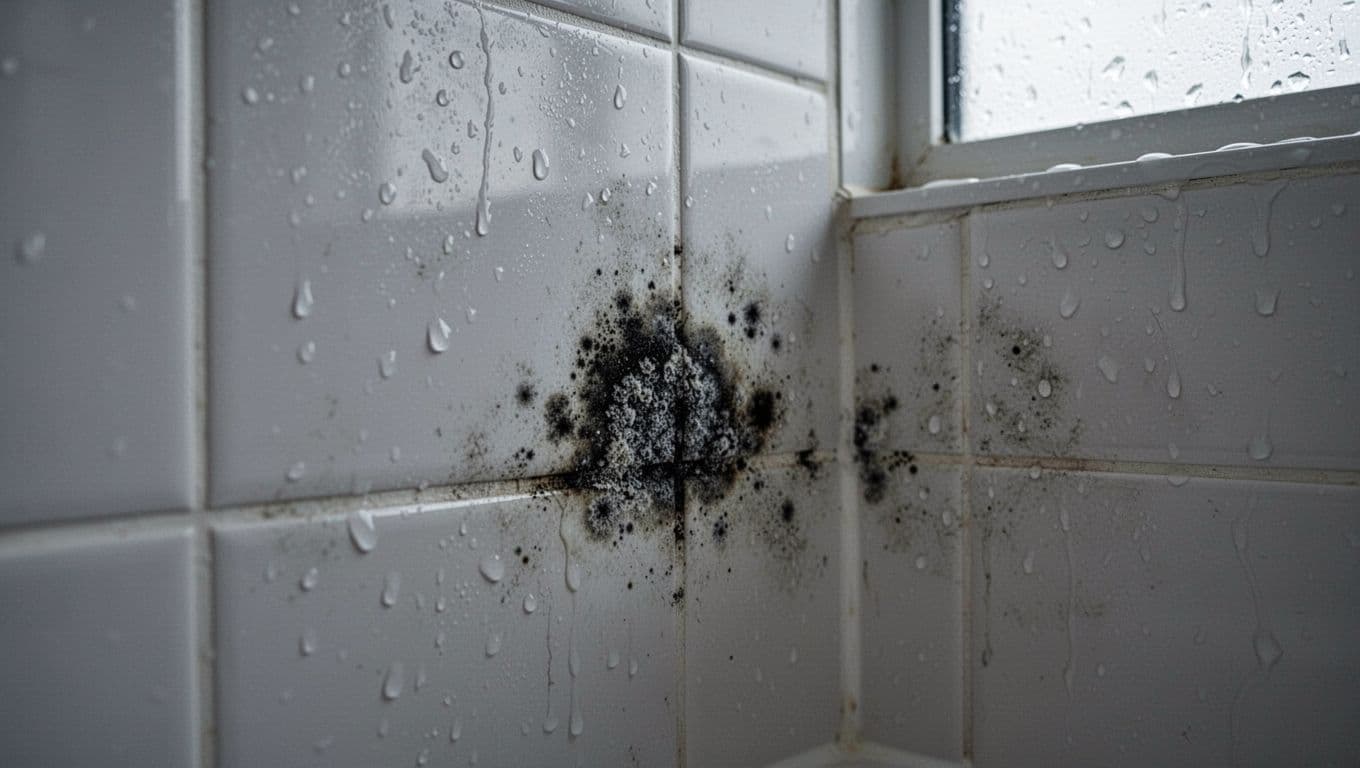
In Fort Myers, mold isn’t just a bathroom annoyance. Heat, humidity, summer downpours, and nonstop AC can turn a small damp spot into a real issue fast. If water sits for 24 to 48 hours, mold can start growing, even if you don’t see it yet.
So, can you Remove Mold yourself, or is it time to call a pro? The answer depends on size, surface type, and whether moisture is still present. The real goal isn’t only cleaning what you see. It’s fixing the moisture so it doesn’t come back next month.
This guide gives you a simple way to decide, plus a safe DIY plan for small spots.
A simple decision check: is this mold small and easy, or a bigger problem?
Most DIY cleanups fail for one reason: they treat mold like dirt. Mold is usually a moisture problem first, and a cleaning problem second. Before you grab a spray bottle, make one quick call on the scope.
A common rule of thumb is that DIY is usually only reasonable for small areas under about 10 square feet on hard surfaces. Ten square feet sounds big until you picture it. It’s roughly a 3 ft by 3 ft patch, about the size of a small bathroom mirror.
For general, plain-language guidance on safe cleanup, see the EPA’s page on mold cleanup in your home. The big theme is consistent: stop the water, clean correctly, and dry completely.
If you don’t control moisture first, mold cleanup is like mopping while the sink is still overflowing.
Also, try not to get stuck on “What type of mold is it?” In most homeowner situations, testing doesn’t change the first steps. You still need to stop water intrusion, remove the growth, and dry the area. Type becomes more important when the problem is large, hidden, or tied to health symptoms.
Signs you can probably handle it yourself (and what “small” really means)
DIY can make sense when the mold is truly limited and the surface won’t absorb it.
A small, manageable situation usually looks like this:
- The patch is under 10 square feet and clearly visible.
- It’s on a hard, non-porous surface (tile, glass, sealed stone, metal, a sealed countertop).
- There’s no strong musty smell drifting through multiple rooms.
- You can see why it happened (for example, a wet bath mat, a small splash zone) and you can correct it.
- The area is easy to reach, so you can scrub without tearing into walls.
- You can dry it fast, using fans and a dehumidifier.
Even for a small spot, protect yourself. At minimum, use an N95 (or similar) mask, gloves, and eye protection. That keeps dust and cleaner out of your lungs and eyes.
Red flags that mean you should call a professional in Fort Myers
Some situations look small on the surface but behave like an iceberg. Fort Myers humidity makes hidden moisture common after heavy rain, roof leaks, and AC condensation issues.
Call a professional if any of these apply:
- The area is larger than 10 square feet, or it spans multiple locations.
- Mold keeps coming back, even after cleaning.
- The moisture came from a storm, flood, or major leak.
- You had sewage or “dirty” water involved.
- You suspect mold in the HVAC system, air handler, or ductwork.
- You think it’s hidden (behind drywall, under flooring, inside cabinets, attic, crawlspace).
- Someone at home has asthma, severe allergies, immune issues, or you have infants or elderly residents.
When health is in the mix, “good enough” cleanup isn’t good enough.
If you decide to remove mold yourself, do it safely so you do not spread it
For a small spot on a hard surface, your job is to clean without spreading spores, then dry the area so mold can’t restart. Think of it like putting out a campfire. You don’t just knock down the flames, you cool the coals too.
The EPA’s disaster cleanup guide is also a helpful reference when water intrusion is part of the story, especially the emphasis on drying fast. Bookmark the EPA guide to mold cleanup after disasters if you live in a storm-prone area.
The fastest win is drying. If you can’t dry it within 24 to 48 hours, the risk jumps.
Bleach comes up a lot, but it’s not magic. If you choose to use it, keep it limited and safe: no more than 1 cup of bleach per 1 gallon of water, and never mix bleach with ammonia or other cleaners. Dangerous gases can form.
DIY mold cleanup checklist for small spots (under 10 square feet)
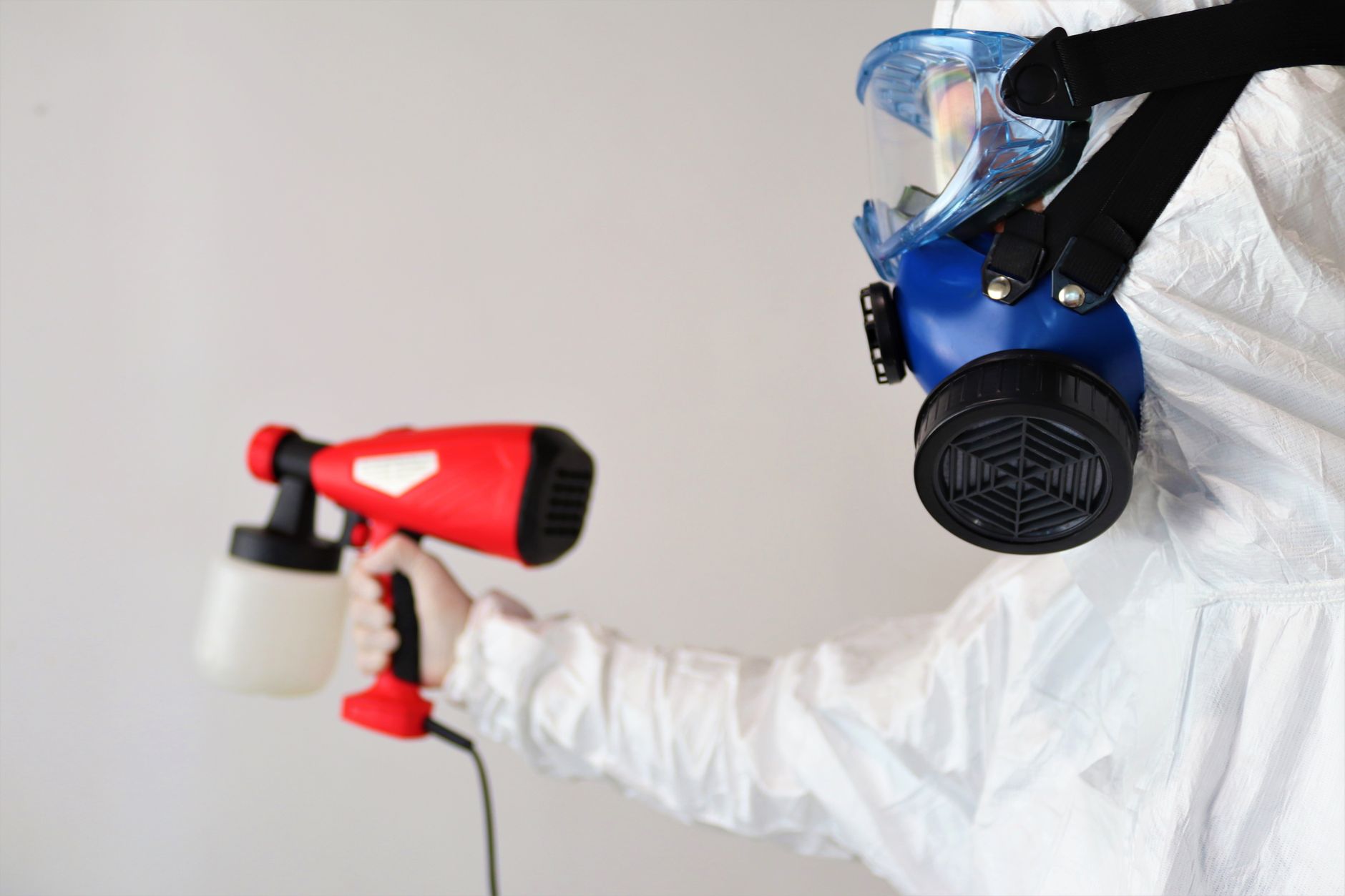 Photo by Roger Brown
- Stop the moisture source: Fix the leak, tighten the trap, clear the AC drain line, or change the habit causing dampness.
- Protect yourself: Wear an N95 (or similar), gloves, and goggles.
- Vent to the outside: Open a window if possible, and close doors to limit airflow into other rooms. Avoid running the HVAC while you scrub.
- Lightly mist if dusty: A quick mist can reduce airborne dust before wiping (don’t soak).
- Scrub with detergent and water: Use soap or a mild detergent, then scrub the surface.
- Optional bleach solution for non-porous surfaces only: Use sparingly, rinse if needed, and keep the room ventilated.
- Dry fast: Run fans aimed at the wet area, plus a dehumidifier if you have one.
- Bag and trash used materials: Rags, sponges, and gloves go in a sealed bag.
- Wash clothes separately: Use hot water if the fabric allows, then dry completely.
What not to do when you remove mold (common DIY mistakes)
A few wrong moves can spread spores or lock in moisture.
Don’t scrape or sand mold when it’s dry. That kicks particles into the air. Don’t paint, caulk, or “seal it in” either, mold can keep growing underneath.
Also avoid using bleach on porous materials like drywall, carpet, or fabric and assuming the problem is solved. Those materials can hold moisture and growth inside. If you can’t dry porous items quickly, disposal is often the safer choice. Common examples include carpet pads, ceiling tiles, and soft insulation.
Finally, don’t point fans so they blow from the work area into the rest of the house. You want drying, not distribution.
What a professional mold company does differently, and when it is worth the cost
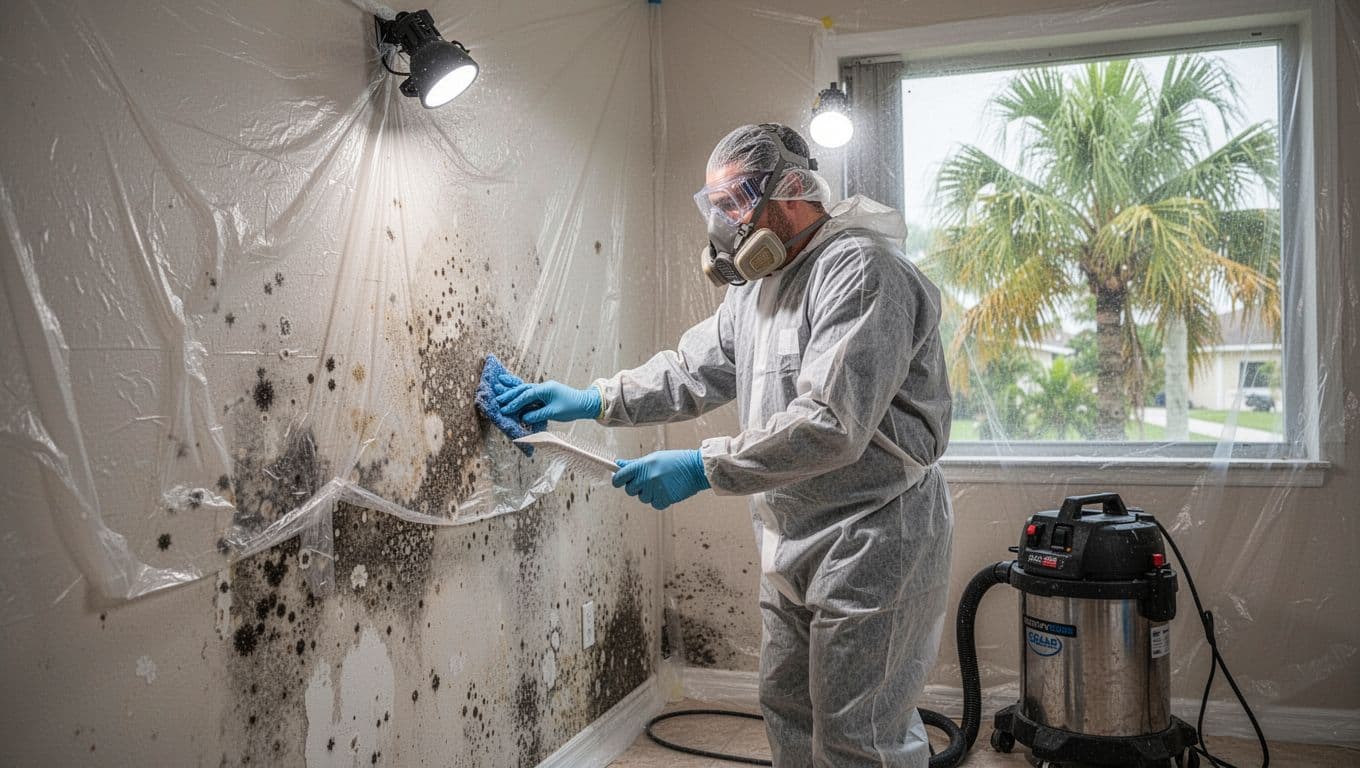
Professional remediation is less about “stronger chemicals” and more about process and control. Pros typically start by finding where moisture hides, using tools that can spot damp materials you’d never suspect. They can also locate growth inside cavities, under floors, and around AC-related condensation.
They set up containment with plastic barriers, run negative air machines, and use HEPA filtration to capture fine particles. When porous building materials are contaminated, they remove them safely, then dry the structure to a verified target before rebuilding.
In Fort Myers, that moisture focus matters. A tiny roof leak after a storm, or a slow AC drain backup, can feed mold behind drywall for weeks. Waiting can turn a small repair into a bigger tear-out.
If you’re seeing warning signs, scheduling a Fort Myers mold inspection can help confirm what’s surface-level and what’s hidden.
Questions to ask before you hire someone in Fort Myers
Ask a few direct questions before work starts:
- How will you find and document the moisture source?
- What containment will you use to control dust and spores?
- Will you run HEPA air filtration during the job?
- What materials might need to be removed, and why?
- How will you confirm the area is dry before closing it up?
- Can you help with insurance documentation when water damage is involved?
- What’s the timeline, and what rooms will be off-limits?
- What should the homeowner do during and after the work?
Clear answers usually signal a cleaner job.
Conclusion
DIY cleanup can work when the mold is small (under about 10 square feet), on a hard surface, easy to reach, and you’ve already fixed the moisture source. Just as important, you need to dry the area fast, ideally within 24 to 48 hours.
On the other hand, don’t gamble with storm-related water, HVAC concerns, recurring musty odors, or suspected hidden growth. Those are the moments when pros earn their keep.
If you’re on the fence, it’s smarter to ask first than to make a bigger mess. When in doubt, schedule an inspection and get guidance before you try to Remove Mold on a larger scale.
