
Kitchen Remodeling in Cape Coral: What a Full Remodel Should Cover
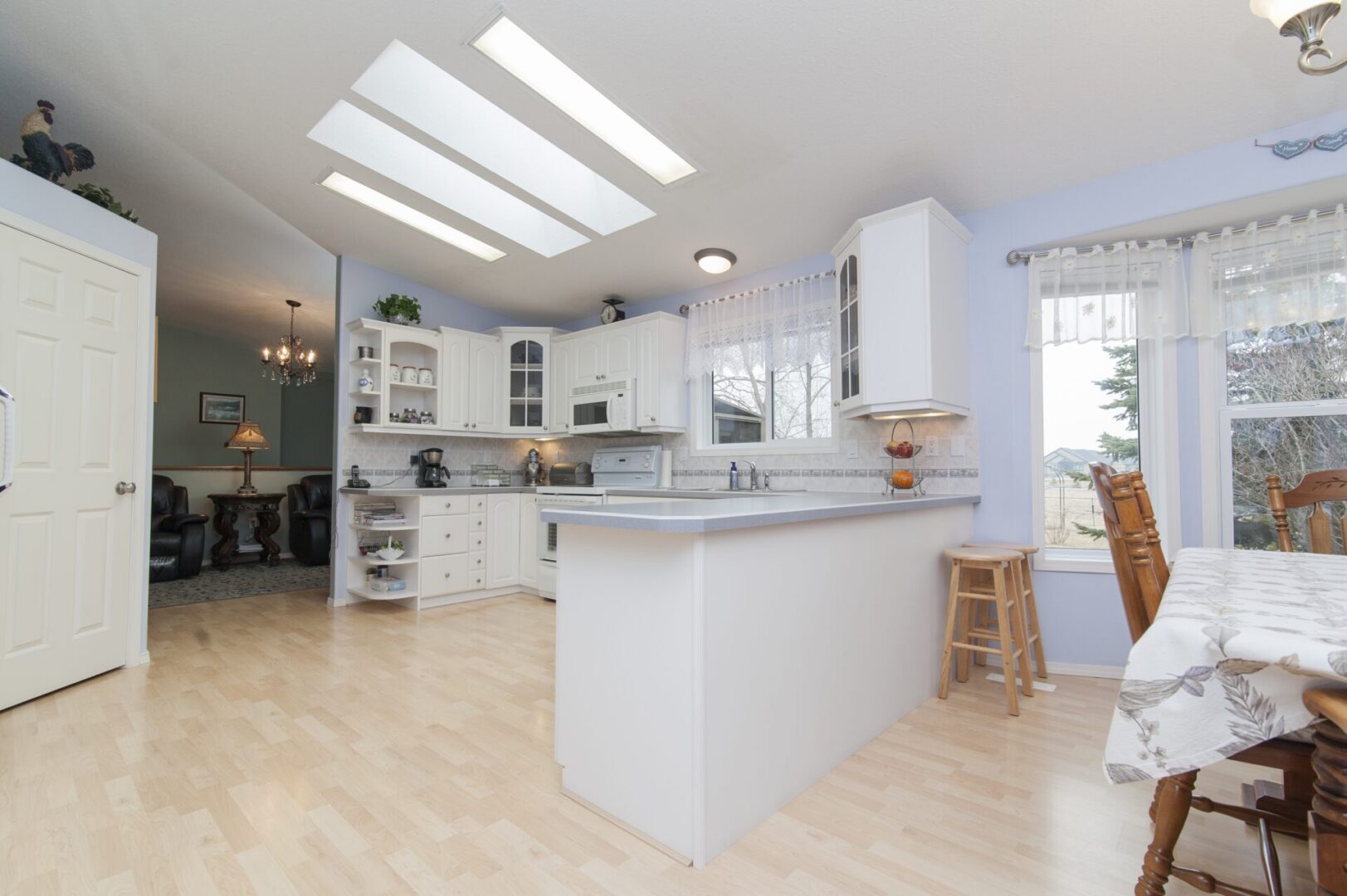
A full kitchen remodel can remove the daily friction you feel every time you cook, clean, or grab coffee. In Cape Coral, it also needs to stand up to humidity, fast cleanup, and a busy household.
If your kitchen feels cramped, dated, or hard to maintain, the answer is usually bigger than new paint or a swap of cabinet doors. The best projects balance layout, storage, style, and durability, so the room works better for years.
What a full kitchen remodel should really change
A full remodel should solve the problems you already notice, not just hide them. That usually means rethinking more than one surface.
For many homeowners, the main goals are practical:
- A layout that improves traffic and gives you room to cook
- Better storage with deeper drawers, pantry space, and smarter cabinet inserts
- More countertop space near the sink, stove, and fridge
- Better lighting for prep, cooking, and cleanup
- Easier-to-clean finishes that hold up to daily use
- Energy-efficient appliances and fixtures that fit the new plan
- A finished look that can support resale appeal later
Those items work best together. A beautiful kitchen that still feels tight or dark will disappoint you fast.
A good remodel also looks at what the room connects to. Many Cape Coral homes have open living areas, breakfast nooks, or access to a lanai. That means the kitchen should feel connected, but not cluttered. If the room is open, sightlines matter. If the kitchen is closed off, storage and light matter even more.
Planning a kitchen layout that fits Cape Coral living
A strong layout starts with how you use the room every day. Who cooks? Where do groceries land? Where do kids or guests gather?
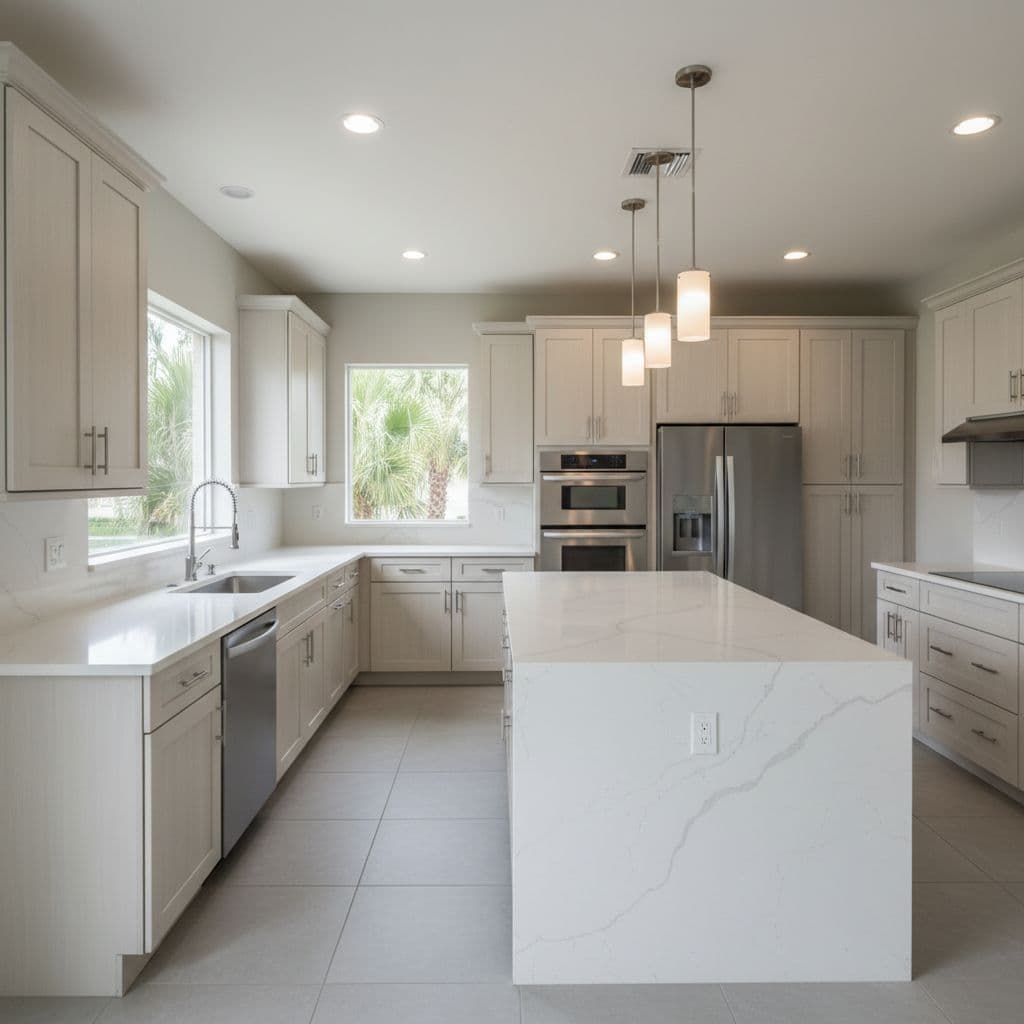
The old work triangle still helps, but it should fit your habits. If two people cook together, the room needs better flow than a single-cook kitchen. If you bake often, extra counter space near the oven matters. If the fridge gets hit all day, it needs a clear landing zone.
Kitchen remodeling in Cape Coral often benefits from a few layout upgrades. An island can add storage and prep space, but only if it doesn’t choke the walkways. A peninsula can make more sense in a smaller room. Corner storage, tray dividers, and deep drawers can solve problems without moving walls.
Pay close attention to how the kitchen meets other rooms. A pass-through to the dining area can make serving easier. A clear path to the garage or pantry can cut down on clutter. If the kitchen opens to outdoor living, the design should also make cleanup simple after a cookout.
A layout drawing should show where food prep, cooking, cleanup, and trash each happen. When those zones are clear, the room feels calmer and works harder.
Materials that hold up to humidity, heat, and cleanup
Florida homes need materials that do more than look good on day one. They need to handle moisture, warmth, and frequent wiping without wearing out too fast.
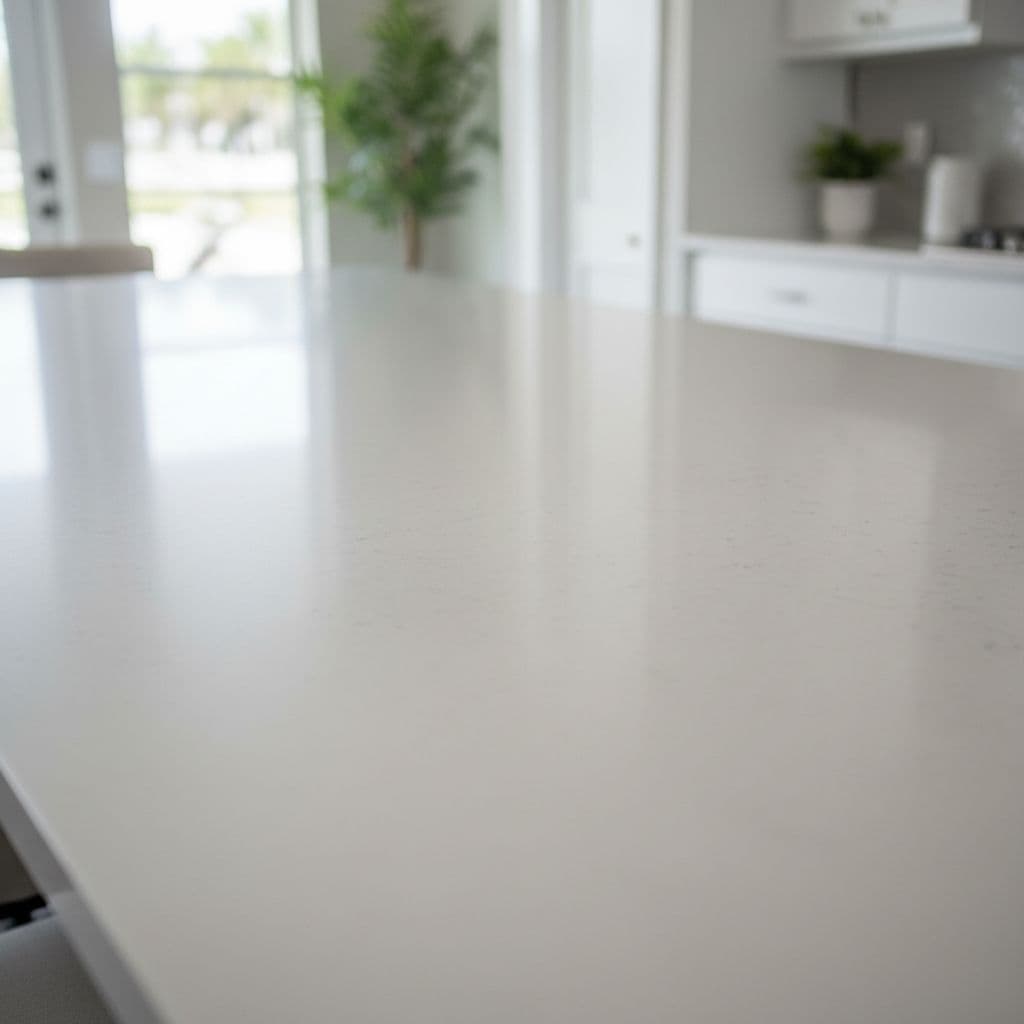
In Cape Coral, humidity is hard on weak finishes. Choose surfaces that wipe clean and keep their shape.
Quartz countertops are a common choice because they look clean and are easy to maintain. Porcelain tile can work well for backsplashes and floors. Moisture-resistant cabinet construction matters too, especially near the sink, dishwasher, and fridge.
Cabinet finish matters just as much as cabinet style. A painted finish can look sharp, but it should be chosen with care. Hardware should feel solid, not flimsy. Drawers should slide smoothly and close well. These details may seem small, yet they shape how the kitchen feels every single day.
Ventilation is another piece people forget. A good range hood helps pull out steam, grease, and odors before they settle into the room. That matters in a warm climate, where trapped moisture can become a problem faster.
Easy-clean surfaces are worth their weight in time saved. Smooth backsplash tile, wipeable cabinet fronts, and practical grout choices make maintenance easier. If you want a kitchen that stays fresh, build for cleanup from the start.
Budget and timeline factors that shape the project
A full kitchen remodel does not follow one fixed price or one fixed schedule. The final number depends on the scope, the materials, and the work behind the walls.
Here’s a simple way to think about the main factors.
| Factor | Why it affects the project | What to clarify early |
|---|---|---|
| Layout changes | Moving sinks, appliances, or walls adds planning and trade work | Ask whether the design keeps the current footprint |
| Plumbing and electrical | New outlets, lighting, or water lines can change labor needs | Confirm who handles code-related updates |
| Cabinets and counters | Custom sizes and higher-end materials affect cost and lead time | Compare construction quality, finish, and storage features |
| Flooring and backsplash | Old surfaces may need removal, leveling, or repair | Ask how the contractor will prep the space |
| Permits and inspections | Local requirements vary by project type and scope | Verify what will be submitted and scheduled |
| Product availability | Special-order items can slow the project | Check lead times before final selection |
The takeaway is simple. A cosmetic update and a full gut remodel are different jobs. If you compare quotes, make sure the scope matches line by line.
A careful plan also reduces surprises later. Once the old kitchen comes out, hidden issues can show up. Old plumbing, outdated wiring, and past water damage are all common examples. A realistic timeline gives room for those discoveries without pushing the project off balance.
How to choose the right local remodeling contractor
The contractor you hire shapes the whole experience. A good one helps you make smart choices, keeps the work organized, and communicates before small issues turn into big ones.
Start with a written scope of work. It should explain what gets removed, what gets replaced, and what finishes are included. If the proposal feels vague, ask for details. A clear scope makes comparison easier and cuts down on confusion later.
Before you sign, ask a few direct questions:
- Who is handling permits and inspections?
- How will the crew protect floors, nearby rooms, and existing furniture?
- What happens if hidden damage appears after demo?
- How are material delays or change orders handled?
- Can you see recent local work similar to your project?
These questions matter because a kitchen remodel touches many trades. It may involve carpentry, plumbing, electrical work, flooring, paint, and finish work. You want one team that can coordinate those parts without leaving gaps.
Local experience matters too. A Cape Coral contractor understands how humidity, older building conditions, and past water issues can affect a kitchen project. That experience helps when the job needs more than cosmetic updates. If there’s evidence of leaks, soft subflooring, or mold concerns, those problems should be handled before the new finishes go in.
Good communication is just as important as skill. You should know what happens next, who is on site, and what decisions still need your approval. That kind of clarity keeps the project moving and helps you stay confident through the work.
A better kitchen starts with the right plan
A successful kitchen remodel solves daily problems first. It gives you better flow, more storage, easier cleanup, and finishes that make sense in Florida humidity.
If you’re considering kitchen remodeling in Cape Coral, focus on the plan before the products. A strong layout, durable materials, and a contractor with local experience will do more for your home than a fast cosmetic update.
Request a consultation or estimate, compare the scope carefully, and choose the team that explains the work clearly. The right remodel should feel better every time you walk into the room.
