How to Choose the Right Water Damage Contractor in Cape Coral
When water gets into your home, the clock starts ticking. In Cape Coral, that matters even more because heavy rain, flooding, and humidity can turn a small leak into a much bigger problem.
The right water damage contractor in Cape Coral should move fast, explain the plan clearly, and leave you with solid paperwork. If you know what to check before you sign, you can avoid slow response times, weak drying, and sloppy claim work.
Cape Coral homes need a contractor who understands local water risks
Cape Coral property owners deal with a mix of storm runoff, roof leaks, plumbing breaks, and high indoor humidity. That mix creates a simple problem. Water does not stay still for long, and moisture that lingers often leads to mold.
A contractor who works well in another city may still miss the local details that matter here. For example, slab homes, crawl spaces, and coastal weather all change how water moves through a house. A crew that knows Cape Coral will ask better questions on day one.
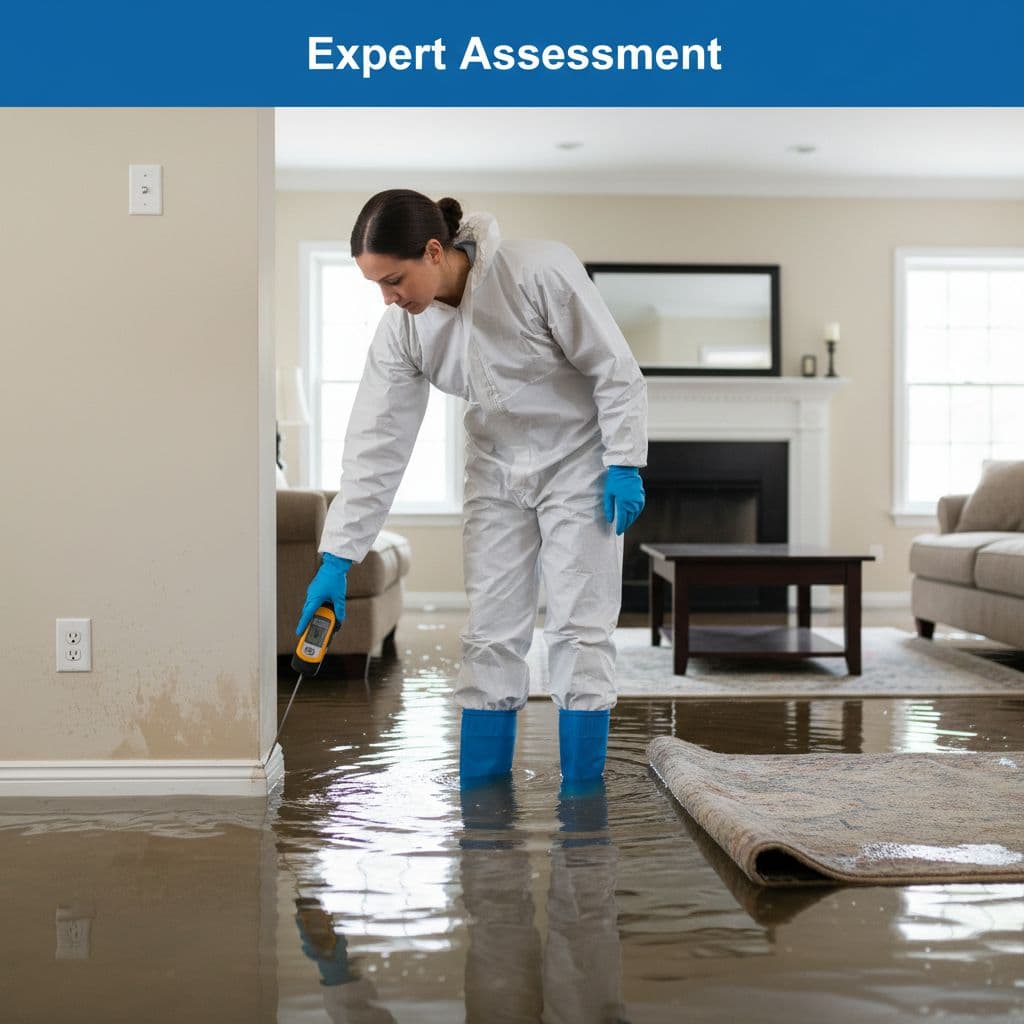
They should want to know where the water came from, how long it sat, and what materials got wet. They should also explain whether the issue is clean water, gray water, or something worse. That affects the drying plan and the safety steps.
If you want a quick outside reference, a Florida-focused guide like this restoration company checklist shows the same basic priorities. The best companies do not hide behind sales talk. They start with facts.
Water damage gets expensive when companies guess. Good contractors test first, then dry, then rebuild.
Check licenses, insurance, and hands-on restoration experience
This is the first filter, and it should be a hard one. Ask the company how it is licensed for the work it performs in Florida. Then ask for proof, not a vague yes.
Insurance matters just as much. A serious contractor should provide current certificates for general liability and workers’ compensation. If they cannot show those, move on. You do not want to carry the risk if a worker gets hurt or something gets damaged during the job.
Experience matters too, but only if it matches the work in your house. Someone may do general construction well and still be weak on mitigation. You want a team that understands extraction, structural drying, moisture mapping, and mold risk.
Ask for these items before you book:
- License number and the full legal business name.
- Current general liability and workers’ compensation certificates.
- Training or certification for the technicians who will enter your home.
- Local references from recent Cape Coral or nearby jobs.
- A written scope that matches your problem, not a generic sales sheet.
The wording in a company’s answer tells you a lot. A dependable contractor answers directly and does not rush the conversation. If you want more examples of the right questions, this Florida hiring guide lays out a practical list.
Local experience also helps with timing. After a storm, some companies get backed up fast. A crew that has worked through Southwest Florida weather patterns will already know how to set up crews, source equipment, and handle busy days without losing control of the job.
Ask how fast they respond and how they dry the home
Speed matters, but speed alone is not enough. You want a company that answers the phone, offers real emergency help, and gives you a clear arrival window. If they say they are available 24/7, ask what that means in practice.
How long will it take for someone to get on site? Who answers after hours? What happens before the crew arrives? These sound like simple questions, yet they reveal how organized the company really is.
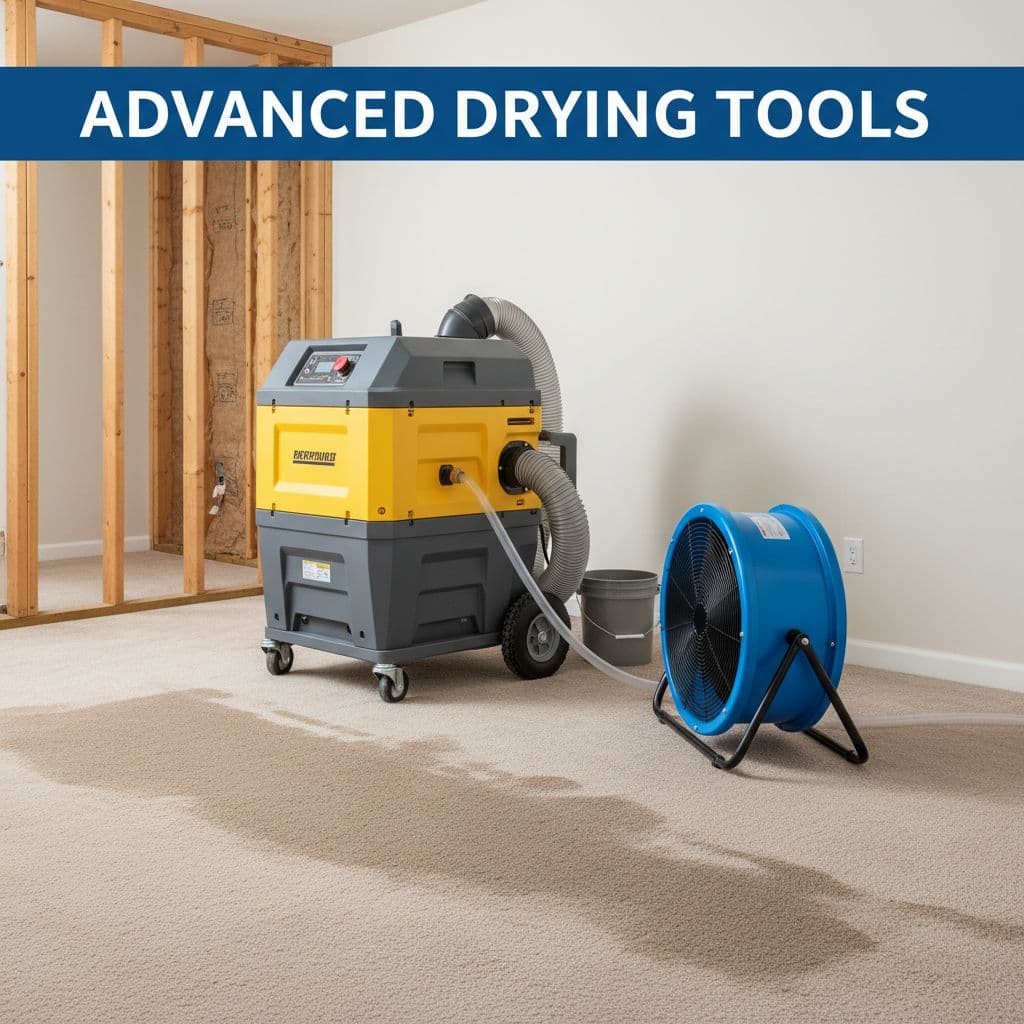
Once the team shows up, the drying process should be easy to understand. They should start with inspection, water removal, and moisture readings. After that, they should place air movers and dehumidifiers based on the affected areas. They may also use containment if mold or hidden moisture is a concern.
A strong contractor explains the equipment in plain language. You should know why each machine is there and how long it may run. If the crew drops machines in place and leaves without a plan, that is a bad sign.
The equipment itself also matters. Industrial dehumidifiers, air movers, and moisture meters are basic tools for this job. So are thermal checks and follow-up readings. The best crews do not guess when the walls are dry. They measure.
That matters in Cape Coral because humidity can slow drying even after standing water is gone. A carpet might feel dry on top and still hold moisture underneath. Drywall can look fine and still trap wet insulation behind it. Good equipment and steady monitoring stop that problem before it spreads.
A contractor who can explain the process in simple steps usually knows the work well. If the explanation sounds rushed or vague, keep looking.
Make sure the company documents everything for your claim
If you plan to file an insurance claim, documentation is not optional. It is part of the job. A good contractor should document the damage before work starts, during drying, and after the area is stable.
That record should include photos, moisture readings, equipment logs, and a clear written scope. You should also get an itemized estimate and updates if the plan changes. If the company works with most insurance carriers, ask how they handle communication with adjusters.
Some companies promise they can “help with insurance,” but that phrase can mean very different things. The better version is specific. They should tell you whether they will send photos, provide drying reports, and speak to the adjuster about the mitigation phase.
That level of paperwork helps in two ways. First, it supports the claim. Second, it keeps the contractor accountable. A clean paper trail makes it easier to see what was done and why.
A practical question to ask is simple: “What documents will I receive when the job is done?” If the answer is weak, keep asking. A contractor who does solid work should have no trouble showing it.
You can also compare how companies talk about claims on their sites or in reviews. A Tampa-area guide like this restoration company article is useful because it shows the kind of details homeowners should expect. The best firms treat documentation as part of restoration, not an extra.
Read reviews and talk to references with a local eye
Online reviews help, but only if you read them the right way. Do not focus on star ratings alone. Look for comments about response time, communication, cleanup, and whether the crew did what it promised.
Recent reviews matter more than old ones. A company can improve, and it can also slip. You want to know how it is handling jobs now, not three years ago.
Pay close attention to patterns. If multiple reviews mention missed appointments, poor updates, or hidden charges, take that seriously. On the other hand, if people keep mentioning fast arrival and clear explanations, that tells you something useful too.
References are even better when the company can give you local jobs similar to yours. Ask whether the work was a burst pipe, roof leak, flood cleanup, or mold-related moisture issue. Then ask how long the project took and how the contractor communicated along the way.
A short phone call can reveal a lot. Did the contractor protect the floors? Did they clean up well? Did they stick to the estimate? These answers matter more than polished marketing copy.
If you already have water in the house, compare two or three companies before you choose. The best one will feel calm, direct, and prepared. That is the kind of company you want in your home.
Conclusion
Choosing a water damage contractor in Cape Coral gets easier when you focus on the basics. Look for proper licensing, strong insurance, local experience, quick response, real drying equipment, and clear claim documentation.
After that, trust the details. Good reviews, solid references, and straight answers tell you more than a flashy website ever will. When water is spreading and humidity is working against you, the right contractor is the one who shows up prepared and explains the next step without confusion.
