Mold Encapsulation: When It Works and When It Doesn’t
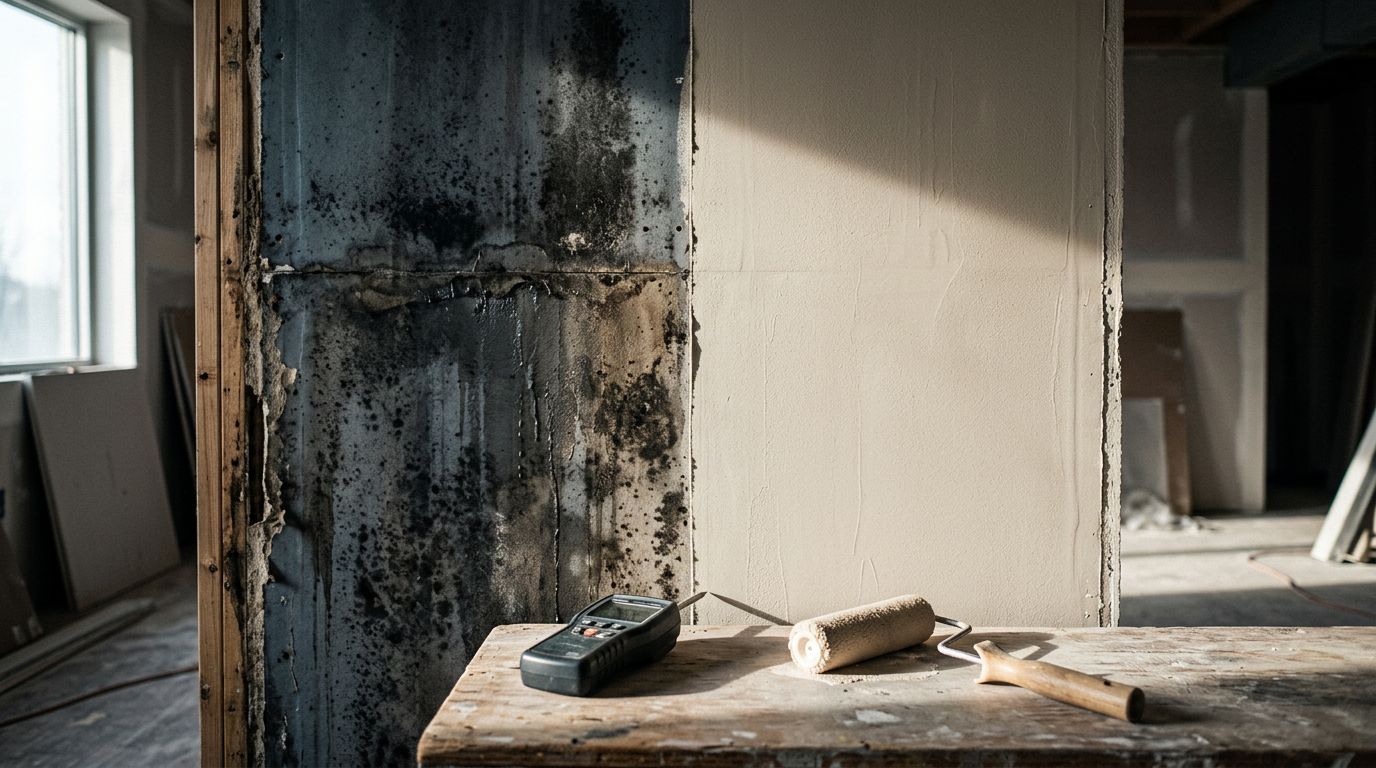
Mold remediation doesn’t end when a dark stain disappears. Mold encapsulation can help protect a cleaned surface, but it cannot correct a leak, dry a wet wall, or make heavily damaged materials safe.
The right decision depends on the moisture source, the material involved, and the condition of the surface after cleaning. Understanding those limits helps homeowners and property managers avoid covering up a problem that needs removal.
Key Takeaways
- Mold encapsulation applies a coating over a properly cleaned and dried surface.
- It can help seal residual staining and reduce the release of particles from sound materials.
- Encapsulation isn’t a substitute for fixing leaks, controlling humidity, or removing badly contaminated porous materials.
- Professional assessment is appropriate when mold is widespread, hidden, connected to HVAC equipment, or caused by contaminated water.
- A credible proposal should include moisture readings, cleaning details, product information, and a written scope.
What Is Mold Encapsulation?
Mold encapsulation is the application of a specialized coating to a surface after mold contamination has been addressed. The coating forms a continuous film over the substrate. Depending on the product and the surface, it may help seal residual discoloration, bind remaining particles, and protect a sound material from future surface exposure.
The term can cause confusion. Encapsulation doesn’t mean spraying over visible mold and closing the wall. It also doesn’t mean the mold has been removed from every affected material. A coating only has a place in the process after technicians determine that the substrate can remain.
Common surfaces may include cleaned wood framing, masonry, concrete, or other materials that remain structurally sound. A product designed for one surface may not be suitable for another. For example, a coating applied to dry wood framing requires different preparation than a product used on a concrete foundation wall.
Before application, the affected area needs inspection, cleaning, and drying. Surface preparation can include containment, HEPA vacuuming, damp cleaning, antimicrobial treatment when appropriate, and removal of loose or damaged material. This comparison of encapsulation and physical removal outlines why coating is only one part of a broader remediation process.
A mold encapsulant also isn’t the same as ordinary interior paint. Household paint may hide a stain for a short time, but it isn’t designed to bind contamination or withstand the conditions found in a remediation project. Even a specialized product won’t perform correctly over dust, grease, active growth, or damp materials.
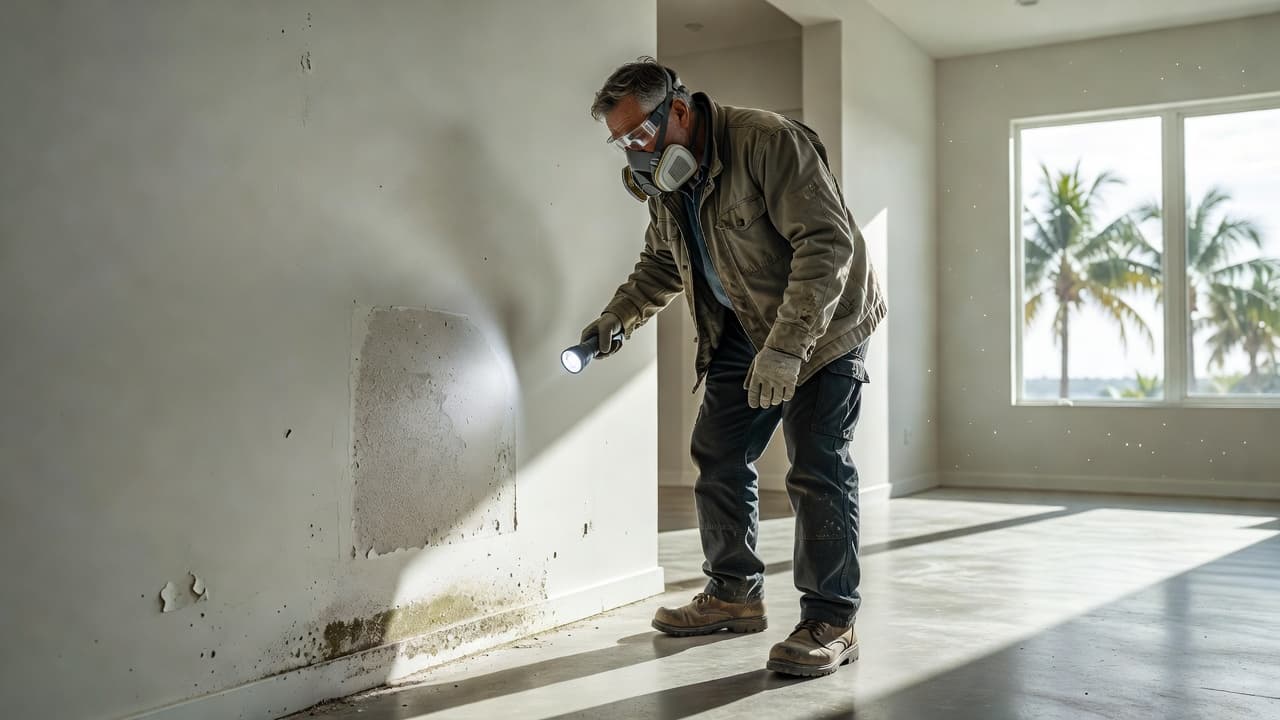
A careful inspection determines whether the affected material can be cleaned and preserved.
How Mold Encapsulation Fits Into Remediation
A sound remediation plan follows the moisture problem first. Technicians need to identify and stop the source, whether it’s a plumbing leak, roof intrusion, window failure, air-conditioning condensation, or indoor humidity. In Southwest Florida, poorly draining AC condensate, storm-driven rain, and high indoor humidity can all keep building materials damp.
Next, the crew determines how far moisture and contamination have traveled. A visible stain is only a starting point. Water can move sideways through drywall, travel along framing, and descend into insulation or flooring. Moisture meters, thermal imaging, and visual inspection can help identify areas that aren’t obvious from the room side.
The work area should be separated from unaffected parts of the home. Depending on the project, technicians may use plastic containment, negative air, air filtration, and controlled access to limit dust and airborne particles. They may remove baseboards, trim, insulation, or sections of drywall to reach the affected cavity.
After demolition, remaining materials must be cleaned and dried. Air movers and dehumidifiers support drying, while moisture readings show whether the cavity is returning to a stable condition. A wall shouldn’t be closed because it feels less damp. Readings should be compared with nearby dry materials and documented before reconstruction.
Only then can a contractor decide whether mold encapsulation is suitable. A qualified crew may apply the product to cleaned framing or another stable substrate after removing loose debris and confirming that no active moisture remains. The coating is a finishing control, not the main cleanup method.
A basic overview of mold remediation procedures also describes the need to separate contaminated areas and control the work environment before cleaning begins.
When Is Mold Encapsulation Appropriate?
Encapsulation can be appropriate when the material is still usable, the contamination has been cleaned, and the surface is dry and stable. The decision should follow an inspection rather than a fixed rule based on the size or color of a stain.
Typical situations may include:
- Sound wood framing that had limited surface growth after a leak, followed by cleaning and complete drying.
- Concrete or masonry surfaces with residual staining after moisture control and physical cleaning.
- Attic or crawl-space components where cleaned wood needs an additional protective coating, provided the roof, ventilation, drainage, and humidity problems have been corrected.
- Previously affected surfaces where discoloration remains after cleaning but the material has no soft spots, decay, or significant loss of strength.
In these cases, the coating may provide a cleaner finished appearance and reduce the chance that small amounts of residue will become airborne during future disturbance. It can also help protect a surface from minor recurring exposure, but it cannot make a wet building assembly safe.
Product selection matters. The contractor should identify the product, explain where it can be applied, and follow the manufacturer’s preparation and curing requirements. Some coatings may be appropriate for wood, while others are designed for masonry or specific commercial uses. Applying a product without checking compatibility can trap moisture, interfere with adhesion, or create a new repair problem.
The coating should also remain accessible for future inspection. A sealed surface can make later changes harder to see, especially in a dark attic or behind stored items. Property managers should keep the product name, application area, date, moisture documentation, and warranty information with the building records.
When Encapsulation Is the Wrong Choice
Encapsulation is inappropriate when the source of moisture remains active. Painting or coating a damp wall can trap water inside the assembly. The surface may look improved while the framing, insulation, or drywall continues to deteriorate.
It also isn’t a suitable substitute for removing porous materials with extensive contamination. Drywall, carpet padding, ceiling tiles, fiberglass insulation, particleboard, and upholstered materials can absorb moisture and support growth below the surface. If the material is swollen, soft, crumbling, musty, or visibly colonized, cleaning and coating may not restore it.
A contractor should also be cautious when contamination extends into concealed spaces. Mold behind cabinets, inside wall cavities, beneath flooring, or around HVAC components requires access and source control. Closing the opening too soon can leave contaminated material in place and prevent proper drying.
Encapsulation is especially unsuitable when:
- The leak, condensation, or humidity problem hasn’t been corrected.
- The substrate remains wet or moisture readings are unstable.
- The material has structural damage, rot, swelling, or major deterioration.
- Mold has spread through porous materials that cannot be cleaned thoroughly.
- Sewage, floodwater, or another contaminated source affected the area.
- The HVAC system may have distributed contamination through the home.
- The proposed work consists only of spraying or painting without containment and cleaning.
A small surface patch may be manageable for a qualified contractor. Extensive contamination is different. Large areas, multiple rooms, recurring growth, strong odors, or health concerns call for professional remediation rather than a DIY coating project.
A fresh coat can hide a stain, but it cannot dry a wall or repair the leak that caused it.
How to Evaluate a Mold Encapsulation Proposal
Ask for a written scope before work begins. The proposal should explain what caused the moisture, what materials were inspected, and which areas will be cleaned, removed, dried, or coated.
A reliable proposal should include:
- Moisture findings, including readings from the affected area and nearby dry materials.
- The removal plan, with details about drywall, insulation, trim, or other porous materials.
- Containment and air-control methods, especially when work occurs inside occupied rooms.
- Cleaning procedures, such as HEPA vacuuming, damp wiping, and product-specific treatment.
- Encapsulant details, including the product name, approved substrate, number of coats, and curing conditions.
- Reconstruction steps, including new insulation, drywall, primer, paint, or finish work.
- Documentation, such as photographs, drying logs, invoices, and post-remediation observations.
Be careful with promises that a coating will permanently kill all mold or prevent future growth. No coating can compensate for a roof leak, failed plumbing connection, poor drainage, or indoor humidity that remains too high.
Insurance coverage depends on the policy, deductible, exclusions, endorsements, and cause of loss. A sudden plumbing failure may receive different treatment than gradual seepage or poor maintenance. Photograph the damage before demolition when it is safe, notify the insurer promptly, and keep estimates and moisture records with the claim file.
Mold Encapsulation in Cape Coral and Southern Florida
Florida homes face conditions that can keep building materials damp for longer periods. Warm temperatures, high humidity, tropical storms, roof exposure, and air-conditioning condensation can all contribute to recurring moisture.
That makes source correction especially important. A coating on attic framing won’t solve a roof leak. Encapsulation in a crawl space won’t correct standing water, blocked drainage, or poor ventilation. A sealed wall won’t solve condensation from an oversized or malfunctioning AC system.
Local restoration work may also involve slab floors, stucco exteriors, screened lanais, tile, cabinets, and concealed wall cavities. Each material responds differently to water and cleaning. A contractor familiar with Cape Coral homes should inspect the full moisture path instead of pricing only the darkest visible stain.
For homeowners, the safest approach is to ask for inspection findings before approving a coating. If the plan includes removal, drying, cleaning, and reconstruction, the encapsulant may be a reasonable final step. If it only includes spraying over visible growth, seek another assessment.
Conclusion
Mold encapsulation can protect a cleaned, dry, and structurally sound surface. It has a limited role after the moisture source is fixed and damaged materials have been removed or restored.
The strongest warning is simple: encapsulation doesn’t replace remediation. When mold is extensive, hidden, connected to contaminated water, or affecting porous materials, qualified professionals should determine the scope before anyone applies a coating. A surface that looks finished is only a successful repair when the moisture and contamination problems underneath have been addressed.
