
Dishwasher Leak Water Damage: Signs, Cleanup, and Next Steps
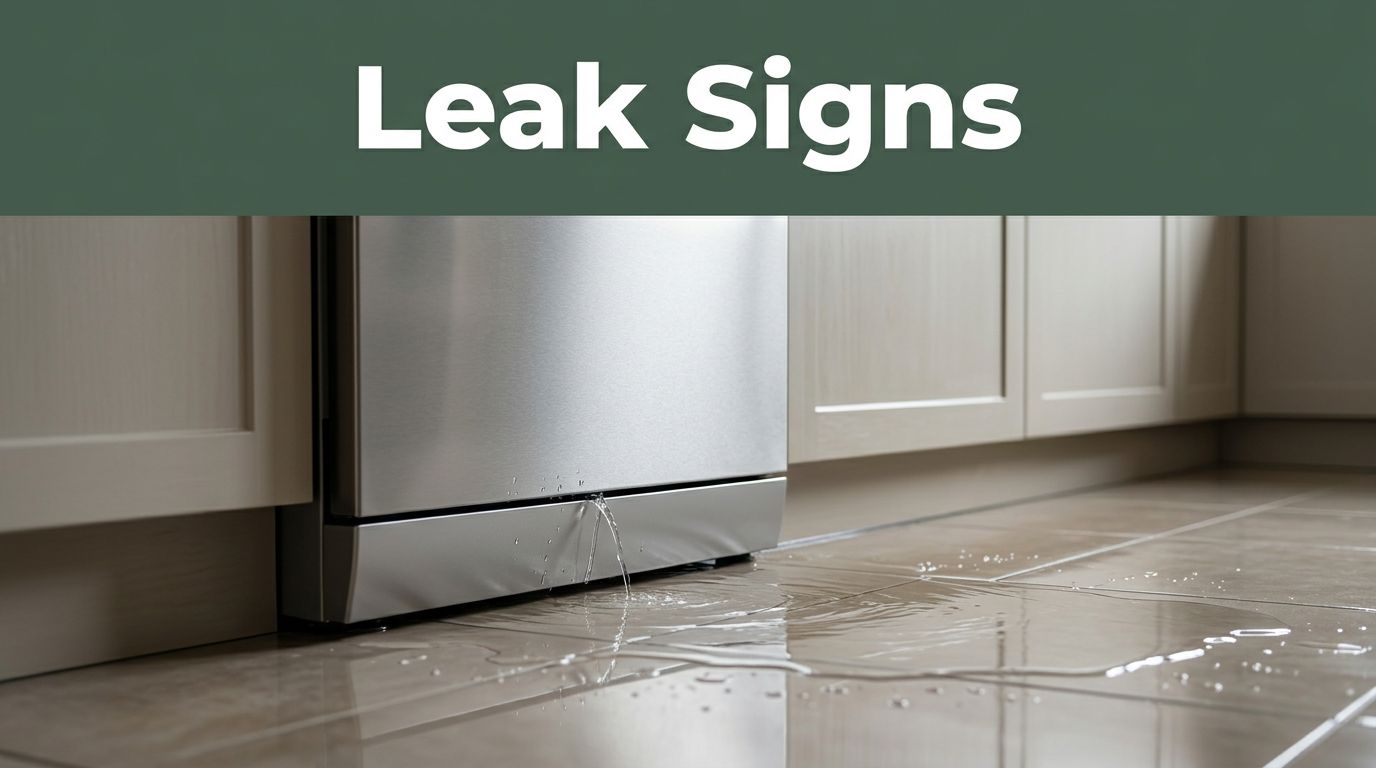
A dishwasher leak rarely announces itself. It starts like a slow drip behind the kick plate, then spreads under flooring like a stain under paint. By the time you notice a soft spot or a musty smell, the mess may already be bigger than it looks.
This guide breaks down dishwasher leak water damage in plain terms: what to watch for, what to do right away, how to dry it correctly, and when it’s time to bring in a plumber or a water-damage pro.
Early signs of dishwasher leak water damage (and why they’re easy to miss)
Most leaks hide under the machine or behind cabinets, so the first clues are often subtle. Water can travel along the subfloor, soak baseboards, and pool in the lowest spot. In other words, the puddle you see might not be where the leak started.
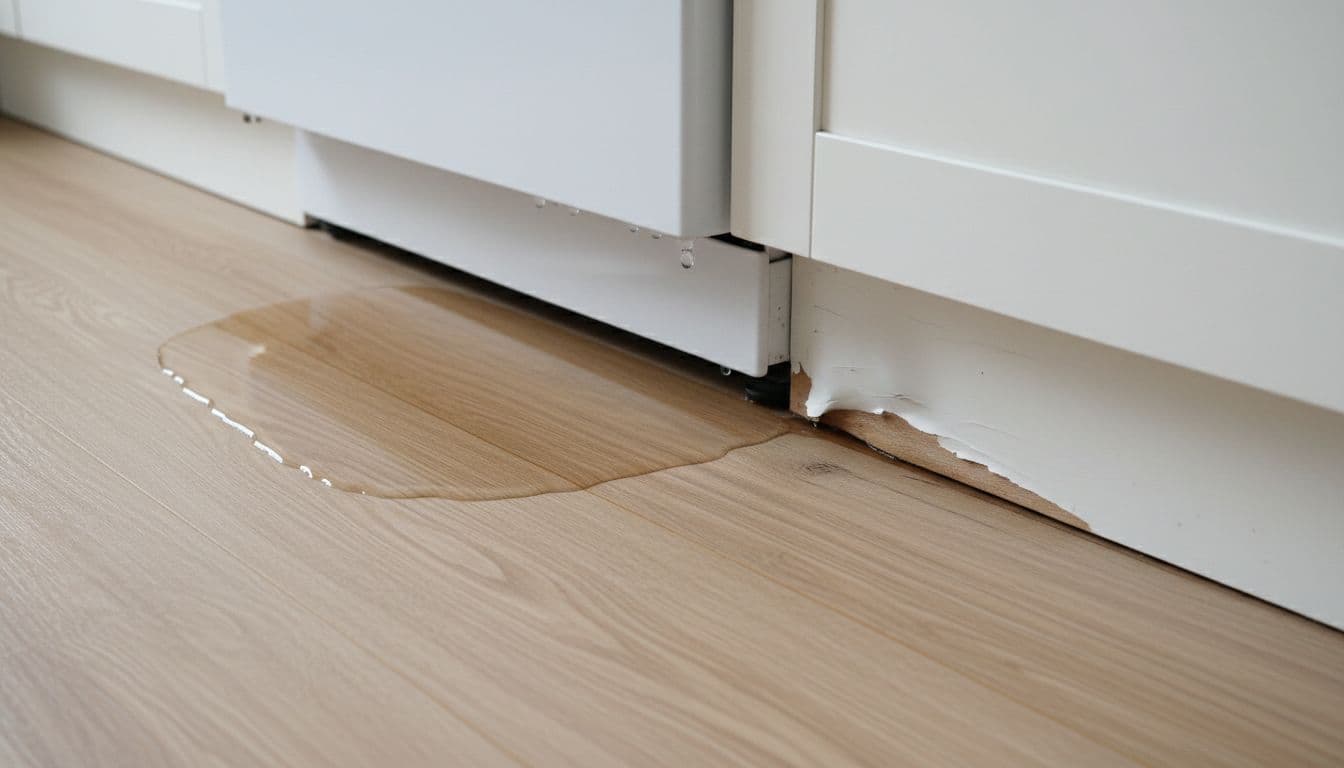
Here’s a quick checklist of common warning signs:
- Water on the floor near the dishwasher, especially after a cycle
- Swollen toe-kick or cabinet base, or peeling laminate at the cabinet bottom
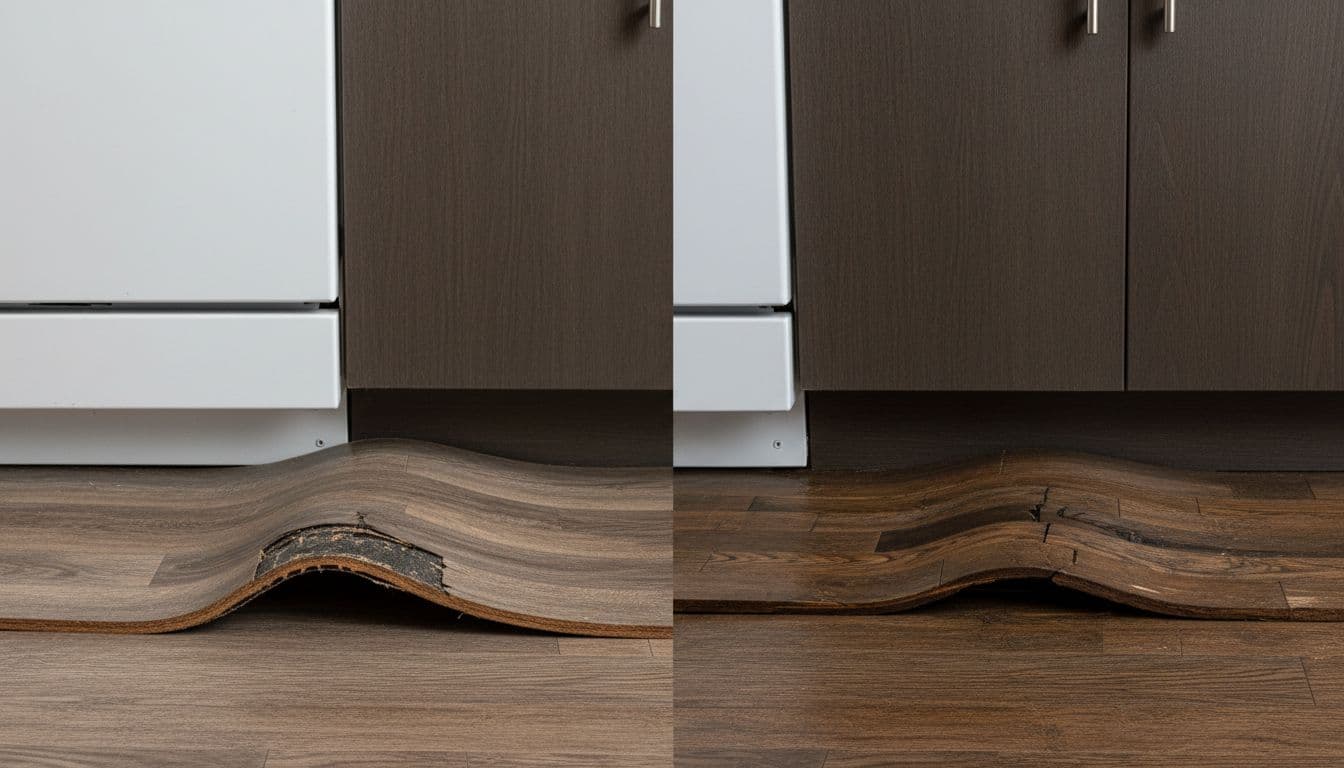
- Floor changes like buckling, cupping, soft spots, or seams lifting
- Musty odor that lingers even after you wipe up visible water
- Warping baseboards or paint that bubbles near the dishwasher wall
- Rust marks on the dishwasher frame or damp insulation under the unit
- Higher humidity in that corner of the kitchen, sometimes with condensation
If you want a deeper list of subtle clues, this rundown of sneaky dishwasher leak signs does a good job describing what people often overlook.
Common leak sources (so you know where to look)
A few parts cause most problems:
- A worn door gasket or debris stuck along the seal
- A loose or cracked supply line at the shutoff valve
- A damaged drain hose or a loose clamp
- A leak at the pump seal or internal fittings
- A clogged filter that causes overflow during a cycle
Even if you’re not repairing it yourself, knowing the likely source helps you explain the problem clearly when you call for help.
Immediate safety steps: stop water, protect the area, prevent slip and shock risks
When water is involved, the goal is simple: stop the flow and reduce risk. Don’t rush into pulling the dishwasher out while the area is wet. Wet floors plus electricity is a bad mix.
If the floor is wet and you’re not sure where power lines run, cut power first, then work.
What to do right away (in order)
- Stop the dishwasher and cancel the cycle.
- Shut off the water to the dishwasher (usually under the sink).
- Turn off power at the breaker if water is near outlets or wiring.
- Contain the spread with towels, a shallow pan, or a wet vacuum.
- Remove items from nearby cabinets if they feel damp underneath.
- Document the scene with a few photos before you move everything.
If you’re a renter, notify the property manager early. Small leaks can turn into flooring and cabinet claims fast.
A quick look check (without committing to a repair)
Once things are safe and the area is no longer actively flooding, you can do a basic inspection:
- Check the door seal for cracks, flat spots, or food buildup.
- Look under the sink for drips at the shutoff valve and supply line.
- Inspect the drain hose loop and connections if you can see them.
- Run a short rinse cycle while watching the edges, but only if it’s safe.
For a plain-English overview of how leaks are commonly traced, see this guide on how to find and fix dishwasher leaks. You don’t need to do every step, but it helps you understand what a tech will check.

Photo by Castorly Stock
Cleanup and drying: how to avoid trapped moisture under floors and cabinets
Cleaning up visible water is only half the job. The bigger risk with dishwasher leak water damage is water you can’t see, tucked under flooring, behind toe-kicks, or inside cabinet bases.
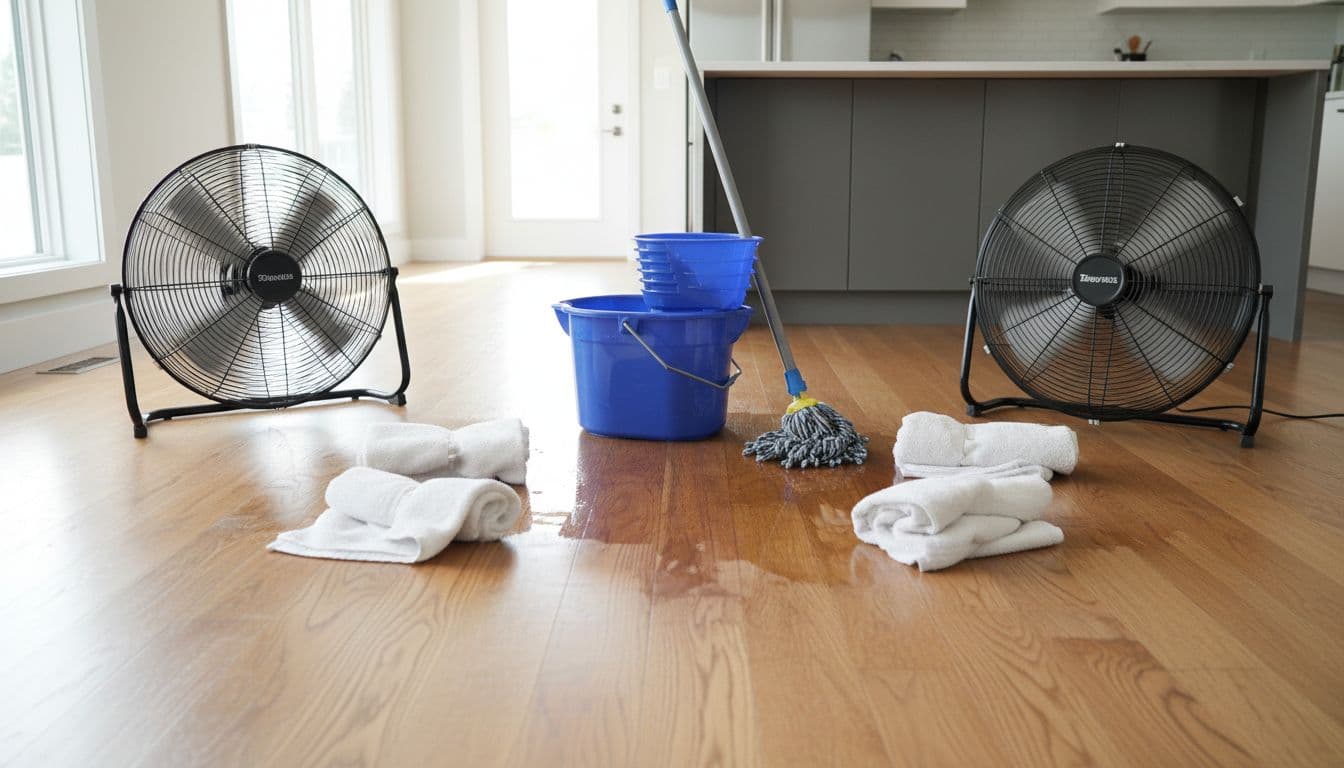
Step-by-step drying that works in most kitchens
- Extract water with towels or a wet vacuum (don’t spread it around with a mop).
- Remove the toe-kick (if possible) and feel for dampness along the subfloor edge.
- Increase airflow with fans aimed across the wet area, not straight down.
- Drop humidity with a dehumidifier if you have one.
- Lift what you can (rugs, mats, or removable trim) so edges can dry.
- Re-check twice a day for dampness, odor, or darkening materials.
Keep the drying setup running until materials feel fully dry, not just “dry to the touch.”
A persistent musty smell, recurring dampness, or moisture that won’t drop often means water is still trapped. That’s when a professional assessment is worth it.
Flooring matters more than most people think
Different surfaces react differently, so “one-size-fits-all” advice can backfire. Use this quick guide:
| Flooring type | What to do | What to avoid |
|---|---|---|
| Laminate | Dry fast, improve airflow, watch seams for swelling | Heavy heat, soaking cleaners, waiting “to see if it dries” |
| Hardwood | Extract quickly, run dehumidifier, check for cupping | Leaving wet towels sitting, high heat blasting one spot |
| Tile | Dry grout lines and edges, check cabinets and subfloor | Assuming tile means no damage underneath |
Next steps: who to call, and what to document
Call a plumber or appliance technician if the dishwasher keeps leaking, the shutoff valve won’t close fully, or hoses and fittings look worn.
Bring in a water-damage restoration professional if water reached walls, cabinetry, or subflooring, or if drying is taking too long (common in humid climates like Southwest Florida). A good general overview of response priorities is in this appliance leak water damage guide.
Before you throw anything away, save:
- Photos of the leak area, wet materials, and any warped flooring
- Notes on when you first saw water and what steps you took
- Receipts for fans, dehumidifiers, or emergency repairs, if needed
If you’re in Cape Coral and need help coordinating drying, repairs, and rebuild work, a local restoration team like Services 321 can help you move from mitigation to clean repairs without guesswork.
Conclusion
Dishwasher leaks are sneaky because water spreads quietly under cabinets and floors. Act fast, make it safe, and dry the area thoroughly to limit dishwasher leak water damage. If you still smell mustiness or find ongoing moisture, don’t wait it out. The right assessment now can prevent a much bigger repair later.
