
Signs of a Hidden Slab Leak in Cape Coral Homes What to Watch For
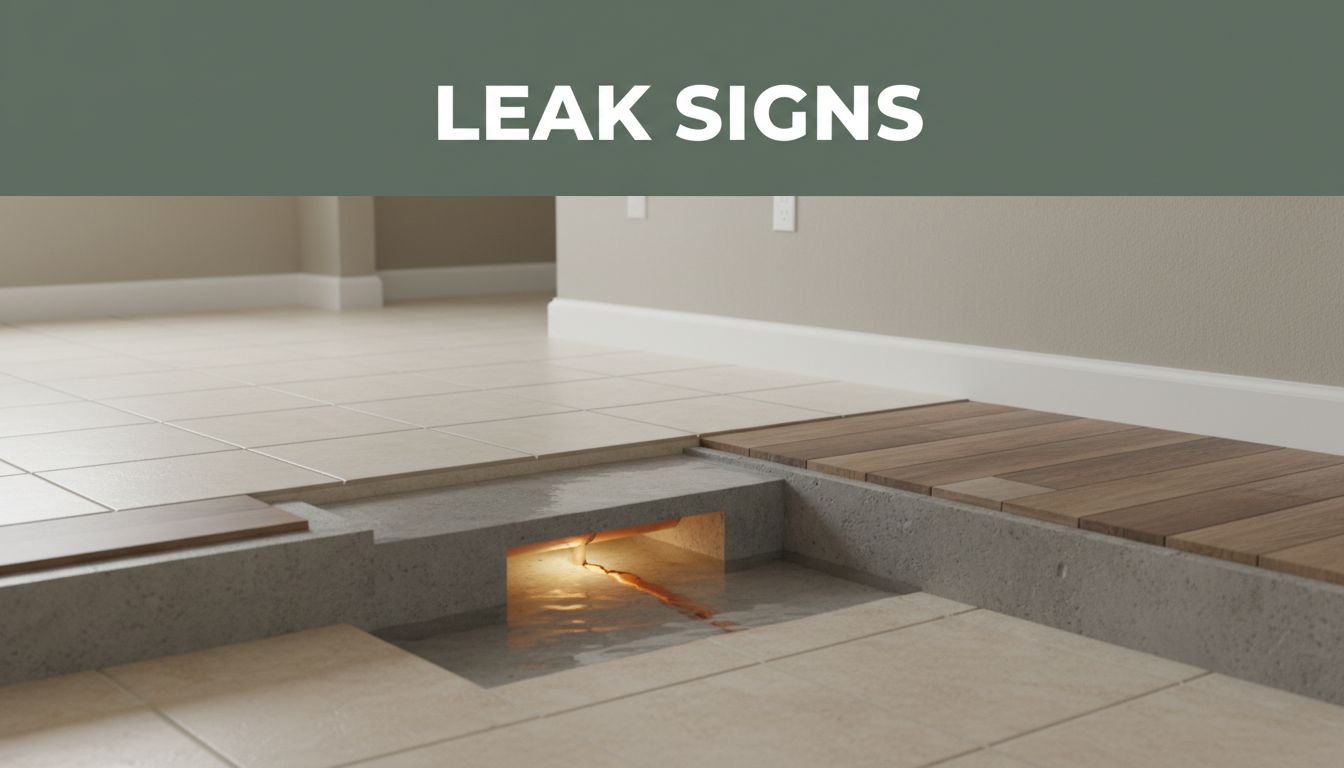
A slab leak can feel like a ghost problem. No dripping ceiling. No puddle under the sink. Just a few “off” details that keep getting worse.
In Cape Coral, many homes sit on concrete slabs with water lines running below the floor. So when a pipe leaks, the water has only a few places to go: into the slab, up into flooring, or into wall cavities. That’s why spotting slab leak signs early matters. It can mean a simpler repair, less demo, and far less risk of mold.
Below are the clearest warning signs, plus quick checks you can do today without tearing anything up.
Why slab leaks stay hidden in Cape Coral homes
Slab leaks usually start small. Think of it like a slow drip inside a closed cooler. You won’t see the leak right away, but you’ll notice the dampness, the smell, and the weird warm spot.
Cape Coral conditions can make under-slab plumbing more likely to get stressed over time. Sandy soil can shift. Heavy seasonal rain can change groundwater levels. Older piping materials can corrode or wear. When the leak is under concrete, the slab and flooring can hide it until damage spreads.

Also, Cape Coral homes often have more than one water “system” in play, like irrigation lines, pool auto-fill setups, and water softeners. That can blur the picture when you’re chasing a high bill.
If you want context on how the city manages water, sewer, and irrigation infrastructure, see Cape Coral’s Utilities Collection and Distribution overview. It’s a helpful reminder that irrigation and potable water can be separate, depending on the property.
Slab leak signs that show up before obvious flooding
Some slab leak signs are loud. Others are subtle and easy to dismiss as “Florida humidity” or “old tile.” Pay attention to changes that keep returning after you clean, dry, or adjust your AC.

Here are the most common slab leak signs Cape Coral homeowners report:
- A water bill jump with no habit change. A hidden supply-line leak can run 24/7. That “small” leak adds up fast.
- Warm spots on tile or laminate. This often points to a hot-water line leak under the slab.
- Musty odors that won’t go away. If moisture gets trapped under flooring or behind baseboards, smells can linger even after you mop or run the AC.
- Damp flooring edges or swollen baseboards. Look for subtle warping where floor meets wall, especially in kitchens, laundry rooms, and bathrooms.
- Cracks that seem new or expanding. Tile cracks, grout gaps, or hairline slab movement can happen for many reasons, but moisture under the floor can make materials shift.
- The sound of running water when everything is off. Sometimes you’ll hear faint hissing, rushing, or tapping in a quiet house.
- Lower pressure or uneven pressure. One shower goes weak while others feel normal, or you lose pressure during peak use.
- Your water heater cycles more often. A hot-water leak makes the heater “work overtime” to keep up.
If you’re noticing two or more of these at once, treat it like a real lead, not a coincidence.
For a deeper explanation of common warning patterns, compare notes with a local overview like slab leak warning signs in Southwest Florida.
What to do today (safe checks, shutoff steps, and same-day thresholds)
You can gather solid clues in 15 to 30 minutes, without breaking concrete or pulling up flooring.
Safe, no-damage checks that narrow it down
First, rule out the usual “bill spike” culprits: toilet flappers, a stuck irrigation zone, or a pool auto-fill running. Then try these:
- Do a water meter movement check. Turn off all faucets, ice makers, sprinklers, and pool fill. Wait 5 to 10 minutes. If the meter still moves, water is leaving the system somewhere.
- Separate irrigation and indoor use if possible. Some homes have irrigation on a separate meter. If your irrigation meter moves while indoor is off, the leak may be outdoors. If only the home meter moves, it may be under the slab or inside walls.
- Look for “dry on top, damp underneath.” A small damp edge at baseboards, or a floor that feels cool or warm in one spot, often matters more than a visible puddle.
A big gotcha: turning off fixtures is not enough if something like a toilet is silently refilling. Confirm every tank is quiet.
Shutoff safety notes (and where it often is)
If you suspect an active leak, stopping water limits damage. In many Cape Coral houses, the main shutoff is in the garage, a mechanical room near the water heater, or near where the line enters the home. A second shutoff is often at the meter box by the street, which may be utility-controlled.

Also, avoid mixing water and electricity. If water is near outlets, your panel, or appliances, keep clear and call for help.
When to call for same-day service
Use this quick guide to decide how urgent it is:
| What you notice | What it can mean | Same-day? |
|---|---|---|
| Meter moves with everything off | Active leak somewhere | Yes |
| Warm floor spot that grows | Hot-water line leak under slab | Yes |
| Musty odor plus damp baseboards | Moisture trapped, mold risk | Yes |
| Small bill increase only | Could be a toilet or irrigation | Soon (24 to 72 hours) |
| Single hairline tile crack | Not enough info alone | Monitor and re-check |
In Cape Coral’s humid conditions, moisture can support mold growth fast, sometimes within 24 to 48 hours on porous materials. So if you smell mustiness or see damp drywall, don’t wait for “one more clue.”
Also, skip DIY slab breaking. A licensed plumber can use acoustic tools, pressure tests, and thermal or moisture checks to locate leaks with minimal damage.
If repairs involve opening a slab or re-routing piping, Florida work often needs permits and code-compliant methods. For local utility-related standards and technical context, you can reference the city’s Cape Coral utilities technical specifications (PDF).
Costs and insurance (realistic expectations)
Slab leak repair costs vary widely based on location, access, and whether flooring must be removed. Many Florida homeowners see totals in the low thousands, while complex jobs (plus drying, flooring, or mold work) can go higher.
Coverage depends on policy language. Many policies cover sudden, accidental water damage, but won’t cover long-term seepage or wear. For a plain-English explanation of common policy treatment, review Kin’s guide to slab leak coverage.
If water has affected walls, cabinets, or flooring, a restoration team can help with drying, dehumidification, and mold-safe cleanup after the plumbing fix.
Cape Coral slab leak FAQ
Why did my water bill spike, and how do I tell if it’s a slab leak?
Start with toilets, irrigation, and pool equipment. Then do the meter movement check with everything off. If the meter still moves, a hidden leak is likely, and a slab leak becomes a top suspect.
Could my pool or irrigation cause the same symptoms?
Yes. Pool auto-fill valves can stick, and irrigation zones can run unnoticed. If you have separate irrigation service, compare meter activity to isolate indoor versus outdoor loss.
Should I worry about mold from a slab leak in Cape Coral?
Humidity makes drying slower, and moisture can feed mold quickly in drywall and wood. If you smell mustiness or feel damp flooring edges, treat it as time-sensitive.
Where is the main water shutoff in most Cape Coral homes?
Often in the garage or near the water heater, with a second shutoff at the street-side meter box. If a valve is stuck, don’t force it, call a pro.
Conclusion
Hidden leaks don’t announce themselves, they whisper through small changes: a warm tile, a musty smell, a bill that doesn’t make sense. The best move is to trust the pattern. If multiple slab leak signs show up together, shut off water if needed, document what you see, and schedule a licensed inspection. Catching a slab leak early can save flooring, walls, and a lot of stress later.
