
Emergency Water Shutoff Checklist For Cape Coral Homeowners
A fast leak can feel like a popped water balloon that won’t stop. In Cape Coral, it’s even trickier because storms, salt air, and older plumbing can turn “small drip” into a wet mess fast.
This water shutoff checklist is built for real life: slab leaks, corroded valves, hurricane prep, and seasonal homes that sit empty. Save it, print it, and practice it once before you need it.
Why Cape Coral water emergencies escalate so quickly
Cape Coral homes deal with a few patterns that make water damage spread fast. First, many houses are built on slabs. A leak under concrete can run for days before you see a puddle. You might notice warm spots on the floor, a sudden jump in your bill, or the sound of water when everything’s “off.” If you want a quick list of warning signs, see this local overview of slab leak red flags in Cape Coral homes.
Next, Florida’s humidity does not wait. Wet drywall and cabinets can swell quickly, and mold risk climbs as materials stay damp.
Then there’s hurricane season (June 1 to November 30). Even if storm surge isn’t your issue, wind-driven rain and power outages change how you respond. If the power is out, a well-lit, calm shutoff plan matters.
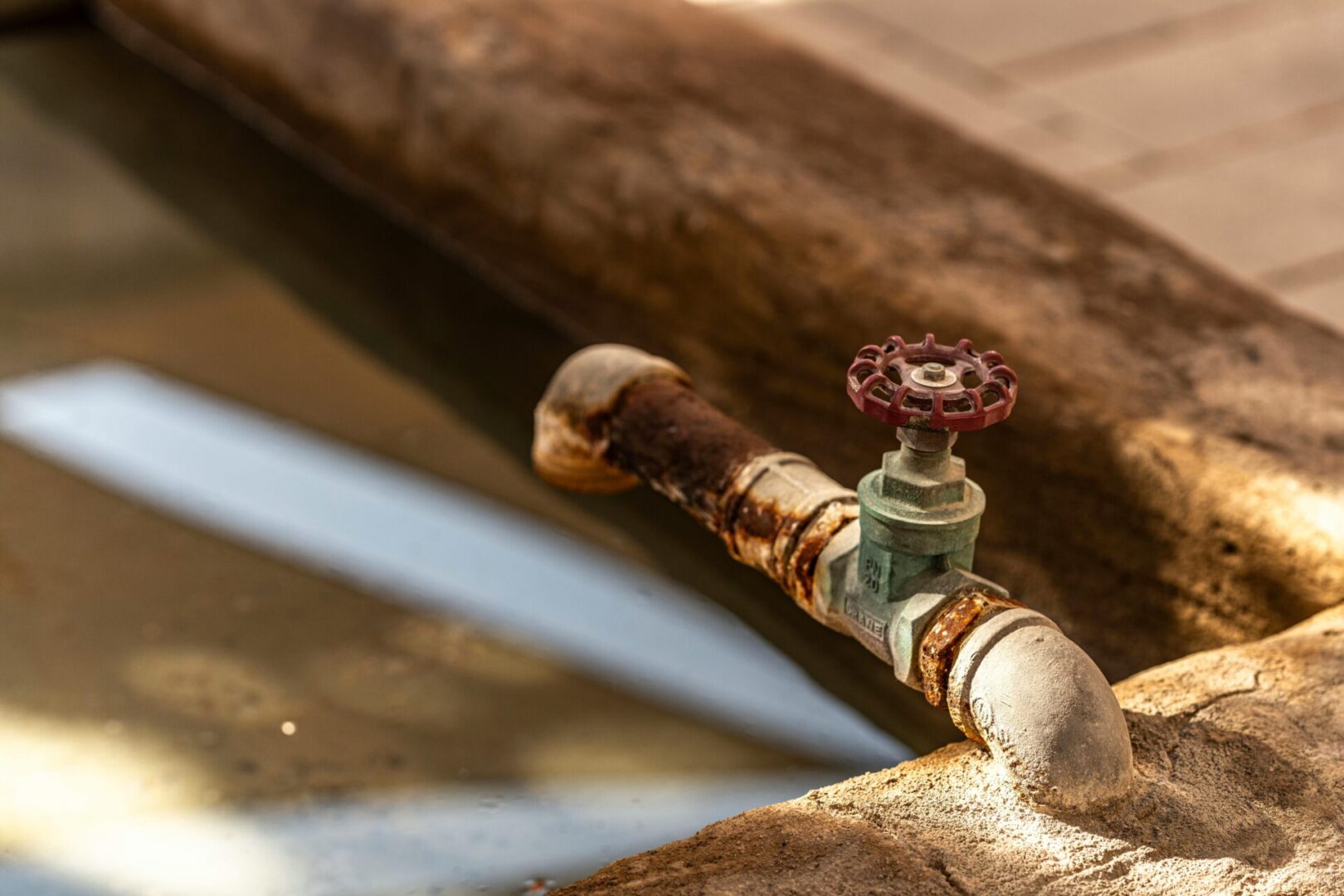
Finally, some valves in coastal areas get stiff from corrosion or mineral buildup. The worst time to learn your shutoff won’t budge is when water is pouring through a ceiling.
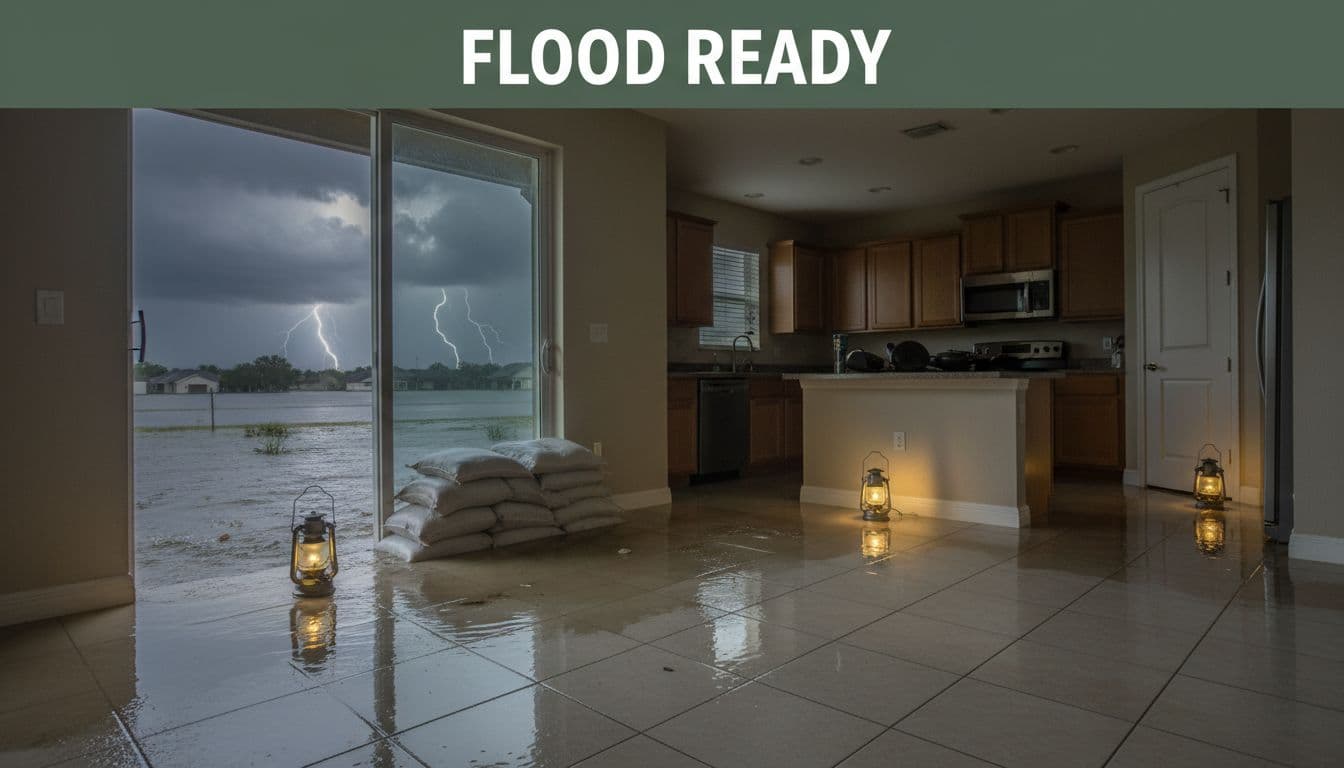
Safety first: If water is near outlets, cords, a panel, or a garage door opener, treat the area like it’s energized. Don’t step into standing water to reach a switch.
Before you need it: build a shutoff kit you can grab in 10 seconds
You don’t need a garage full of gear. You need a small kit that’s always in the same spot. Put it in a bright bin near the garage door or laundry room.

Here’s a practical supplies list that fits most Cape Coral homes:
- Meter key (also called a curb key): Helps open and turn the valve at the street-side meter box.
- Flashlight or headlamp: Power outages are common during storms.
- Work gloves: Protect hands from sharp meter box edges and rusty hardware.
- Adjustable wrench: Useful for stubborn interior valves and hose bib shutoffs.
- Tags or labels (plus a marker): Label the main shutoff, water heater, and any zone valves.
- Old towel and a small bucket: For drips when you relieve pressure.
- Phone charger or power bank: So you can call for help after you shut off water.
Do one more thing today: take two photos. Snap your main shutoff valve and your water heater setup. Store them in a “Home Emergency” album.
For city utility info and updates, keep the official Cape Coral Utilities department page bookmarked.
Find your shutoffs now, then label them like you’re leaving instructions for a neighbor
Most homeowners only need three shutoffs in an emergency: the whole-house main, the water heater, and the toilet supply stop that’s currently misbehaving. Still, it helps to know what you have.
Use this table as a quick map of what to hunt for:
| Shutoff point | What it stops | Common Cape Coral location | Tool you may need |
|---|---|---|---|
| Main house shutoff | All water into the home | At the meter box near the street, or where the line enters the home | Meter key, gloves |
| Water heater valve | Cold feed to heater (hot water supply ends soon after) | Above the water heater on the cold line | Hand, adjustable wrench |
| Fixture stop valves | One sink, toilet, or washer | Under sinks, behind toilets, laundry wall | Hand, adjustable wrench |
| Irrigation/reclaimed shutoff (if present) | Lawn irrigation supply (not house plumbing) | Near backflow device or irrigation manifold | Hand, wrench |
Label what you find. A simple tag that says “Main Water” beats guessing under stress.
If you’re unsure what a typical shutoff looks like in Florida homes, this guide on finding and shutting off a main water valve in Florida offers helpful photos and plain explanations.
Emergency water shutoff checklist (step-by-step, with safety warnings)
When water is actively leaking, speed matters. At the same time, injuries and electrical hazards are real. Follow these steps in order.
- Scan for electrical danger first.
If water is near outlets, power strips, ceiling fixtures, or the electrical panel, stay back. If you can safely reach the breaker panel on dry ground, shut off power to the wet area. - Stop the water at the closest point if it’s easy.
For a running toilet or leaking sink line, turn the small stop valve clockwise. If it won’t move, don’t force it until it snaps. Go to the main. - Shut off the main water supply.
At an interior main valve, turn clockwise until it stops. At the meter, remove the lid carefully, then use a meter key to turn the valve a quarter turn (alignment varies by valve style). The goal is simple: stop flow into the house. - Open one cold faucet to relieve pressure.
This reduces spray when you disconnect a line later. It also confirms the water is actually off. - Protect against hot water burns.
If the leak involves hot water, avoid putting hands near hot discharge. Then turn the water heater to “off” or “vacation” if you can do it safely. - If you smell gas, leave immediately.
Don’t hunt for shutoffs. Get outside, then call 911 and your gas provider. - Document quickly, then start damage control.
Take a few photos, then move towels, place a bucket, and lift rugs. If you can safely do it, run fans after the leak stops.
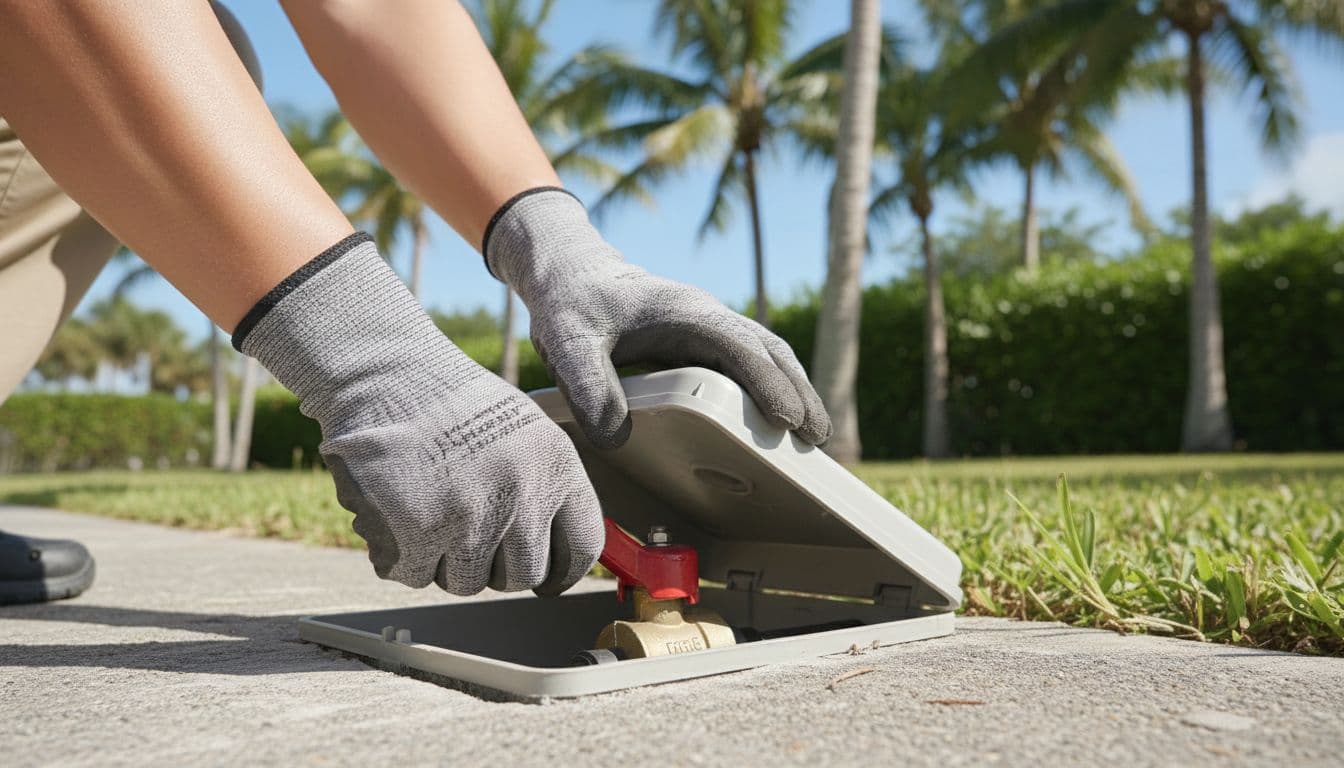
Gotcha: If your main valve is stiff, don’t muscle it until it breaks. Shut off at the meter, then call a licensed plumber to replace the valve.
If the problem looks like a water main break, no water service, or a city-side issue, contact the city. As of early 2026, the City of Cape Coral lists Customer Service at (239) 574-7722, and after-hours utility emergencies (3 p.m. to 7 a.m.) at (239) 242-3400. You can also start with the official Cape Coral Customer Billing Services contact page for current numbers and hours.
After the water is off: what to do in the next 30 minutes
Turning off the supply is step one. The next half hour often decides whether you’re dealing with a simple repair or a big rebuild.
Start by confirming the leak path. Check under cabinets, behind toilets, and at the water heater pan. If you suspect a slab leak, watch for water coming up through grout lines or baseboards, and avoid running the system “just to test.”
Next, remove what you can from wet areas. Lift curtains off the floor. Pull wet rugs outside. If a room has standing water, don’t run a shop vac until you’re sure power is safe.
Then think about drying. In Cape Coral’s humidity, materials can stay wet longer than you expect. If water touched drywall, cabinets, or insulation, consider calling a restoration team quickly for drying and moisture checks.
Finally, decide when to restore water. If you don’t know what failed, keep the main off. Once a plumber or restoration pro is on site, you can turn it on briefly for diagnosis.
Leaving town or waiting out a storm: a simple vacant-home shutoff plan
Seasonal residents and snowbirds have a different risk. A slow leak can run for weeks.
Before you leave:
- Shut off the main water (not just the fixture stops).
- Turn the water heater to vacation or off (follow your heater manual).
- Ask a neighbor to do a quick walk-through after heavy rain.
- Keep your shutoff kit and labeled valve map where a caretaker can find it.
If a hurricane watch is posted and you plan to evacuate, shutting off the main can prevent major interior flooding from a burst supply line. It won’t stop floodwater coming in from outside, but it can stop fresh water from feeding the problem.
For city service requests and non-emergency help, the Cape Coral 311 Call Center page is a handy reference.
Conclusion
A calm response starts with a plan you’ve already practiced. Find your main shutoff, label it, and keep your basic tools together. Then follow this water shutoff checklist the moment a leak turns serious. The payoff is simple: less damage, fewer surprises, and a faster path back to normal.
