
Blog
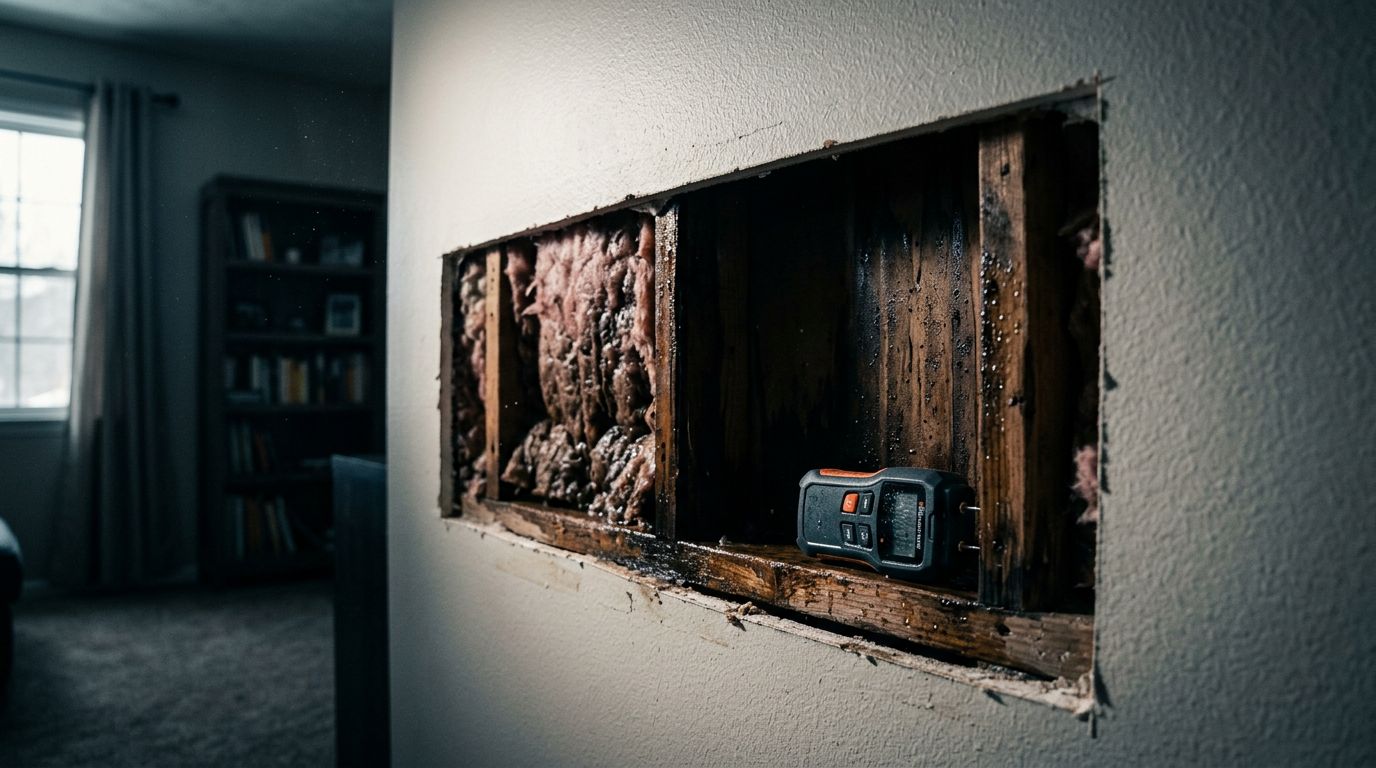
What Is a Flood Cut After Water Damage?
Water can travel farther inside a wall than the stain on its surface suggests. When drywall absorbs water, the safest repair may involve removing a horizontal section rather than painting over the damage. A flood cut is a controlled cut through drywall that allows professionals to remove wet material, inspect the wall cavity, and dry…
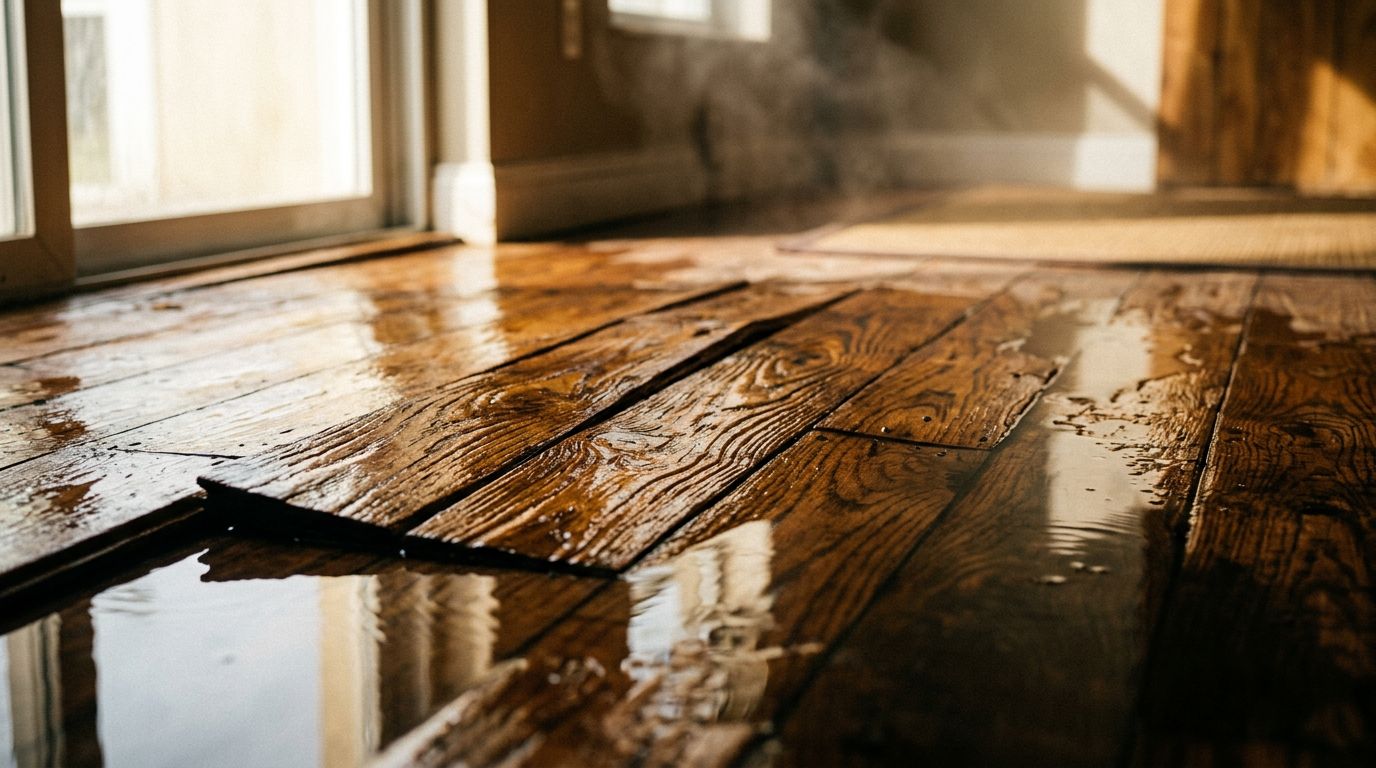
Can Water-Damaged Hardwood Floors Be Saved in Florida?
Water can ruin a hardwood floor in a few hours, but replacement isn’t always necessary. Water-damaged hardwood floors may be salvageable when the leak was small, the water was clean, and drying began before the boards or subfloor absorbed too much moisture. Florida’s humidity makes the decision harder. A floor can look dry while moisture…
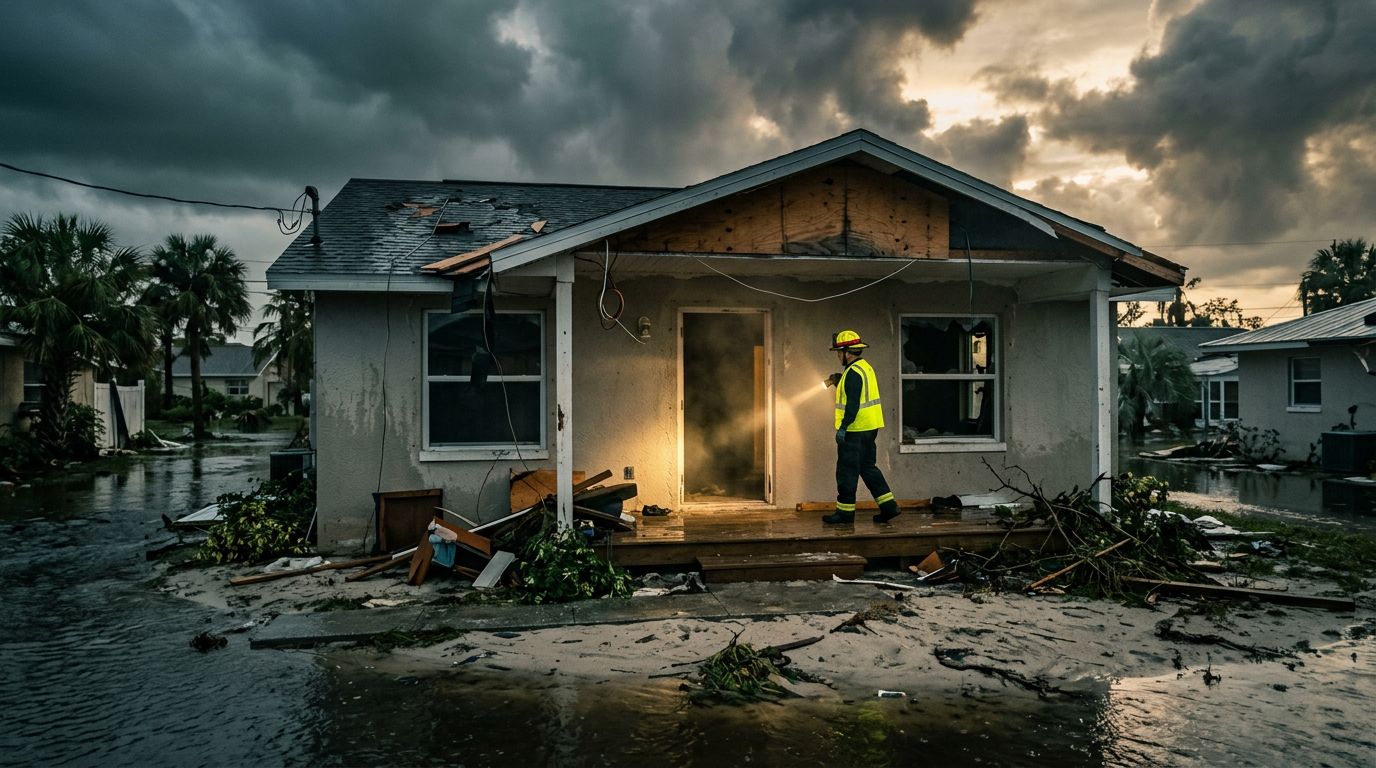
Storm Surge Cleanup: Safety Steps Before Entering a Florida Home
Storm surge can leave a Florida home looking familiar while hiding dangerous damage behind the walls, floors, and electrical system. Saltwater, sewage, fuel, sharp debris, unstable structures, and live power can turn a quick inspection into an emergency. Don’t enter until local officials say the area is safe. After clearance, inspect from the outside first,…
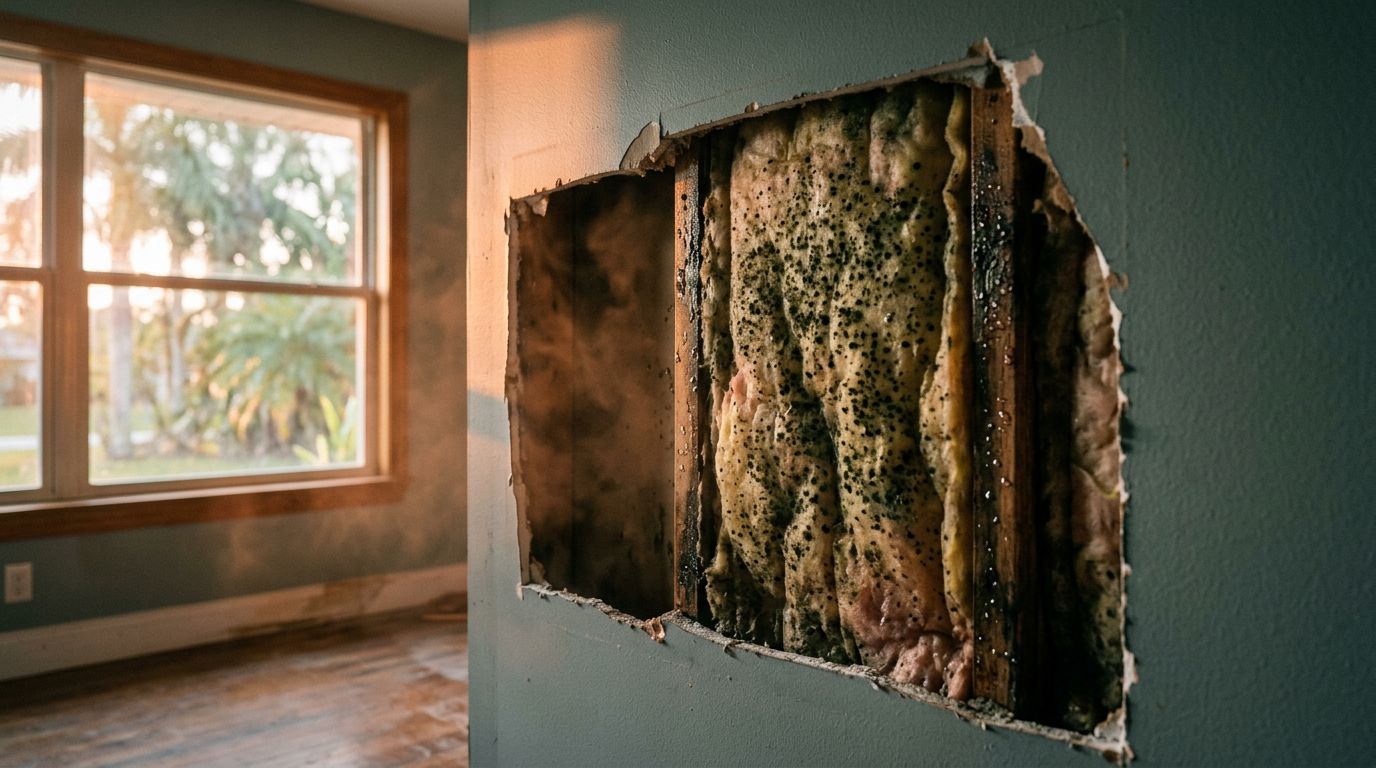
Signs of Mold Behind Walls in Cape Coral Homes
A musty smell may be the first clue that mold behind walls is growing where you can’t see it. In Cape Coral, warm humidity, storm-driven rain, roof leaks, plumbing failures, and air-conditioning moisture can keep wall cavities damp long after the surface looks dry. Peeling paint or a dark stain deserves attention, but hidden mold…
Water Damage Pack-Out: What Happens Step by Step
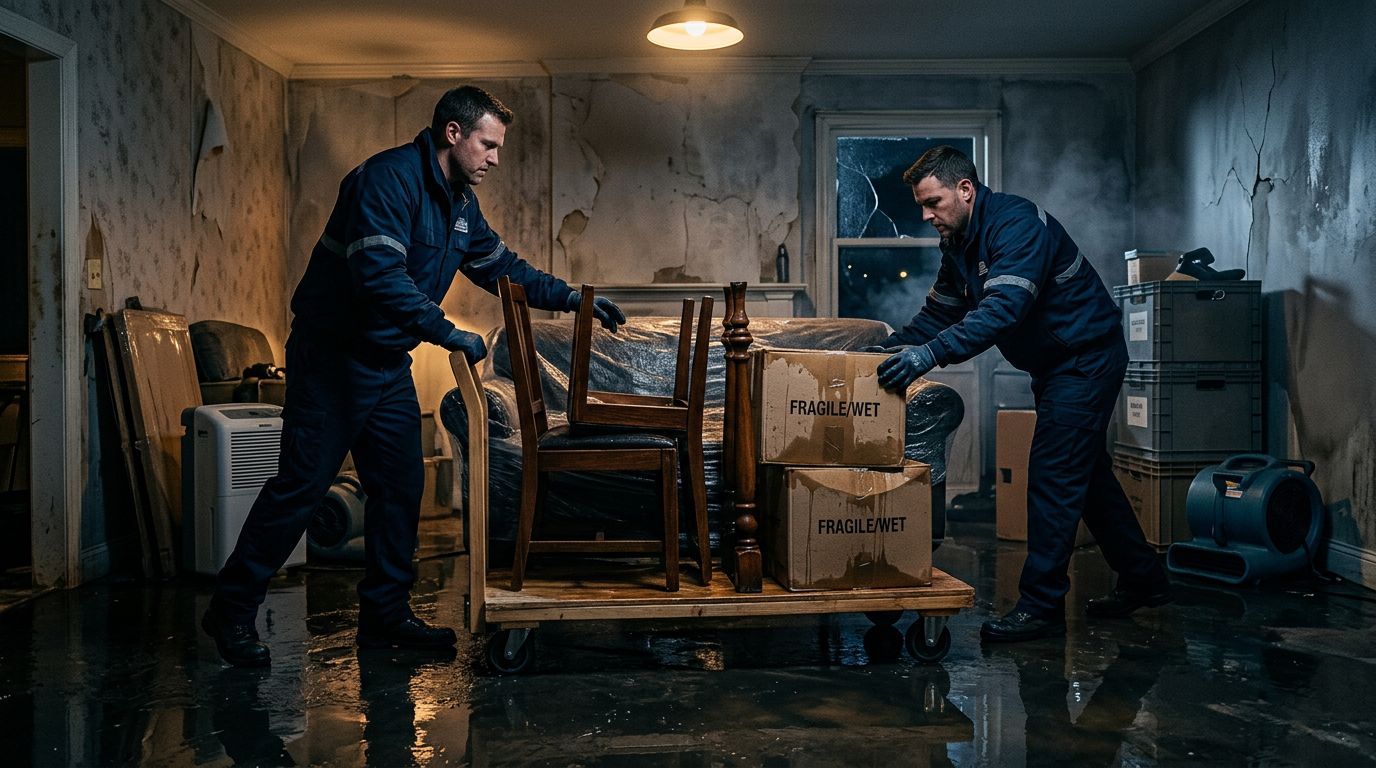
Water can damage more than floors, walls, and ceilings. It can soak furniture, stain fabrics, warp wood, and leave personal belongings exposed to mold growth or contamination. A water damage pack-out moves affected contents to a safe location while restoration professionals dry and repair the property. The process can feel overwhelming, especially when someone is…
Garage Flood Cleanup: First Steps for Homeowners
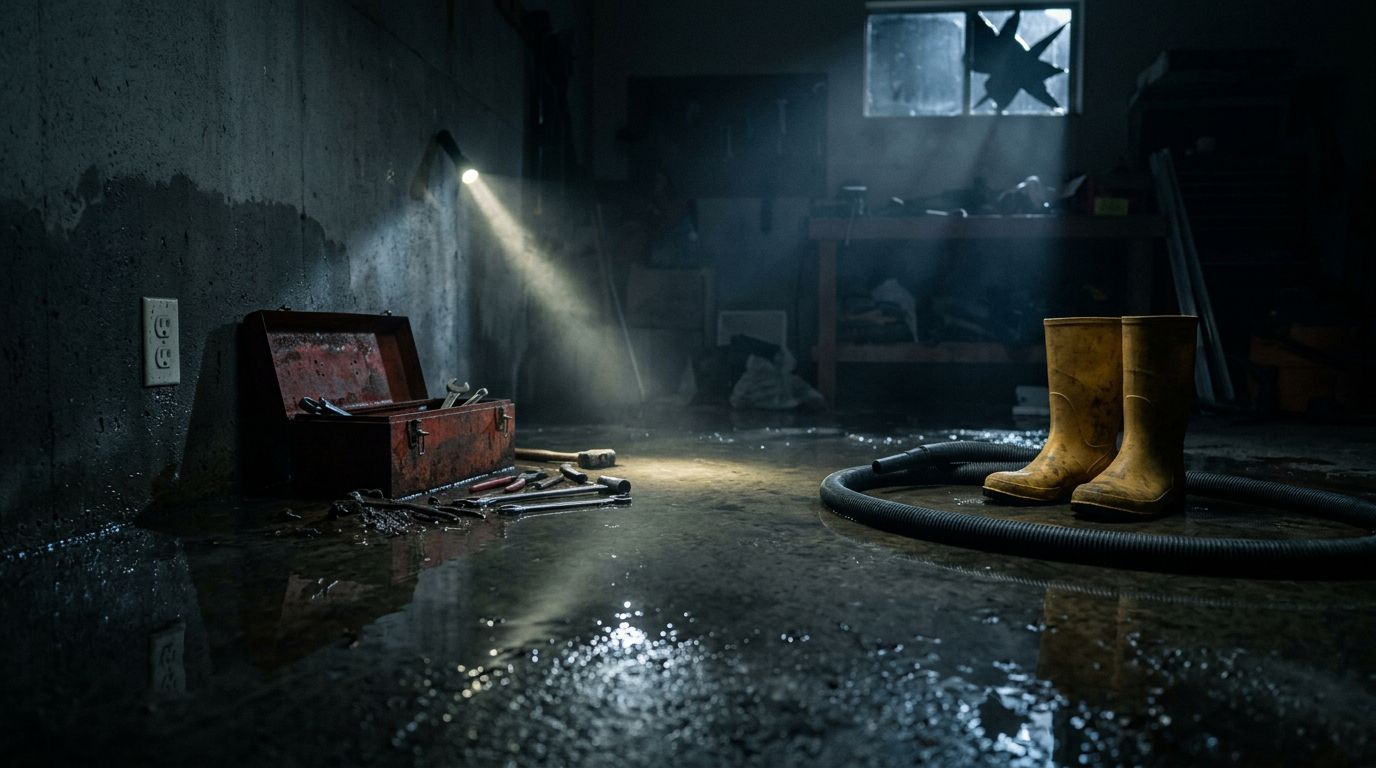
A garage flood gets worse fast. Water can soak cardboard, reach outlets, rust tools, and creep under wall plates before the floor even looks truly wet. If you move too fast, you can spread contamination or create an electrical hazard. If you move too slowly, mold and hidden moisture can turn a cleanup into a…