
Blog
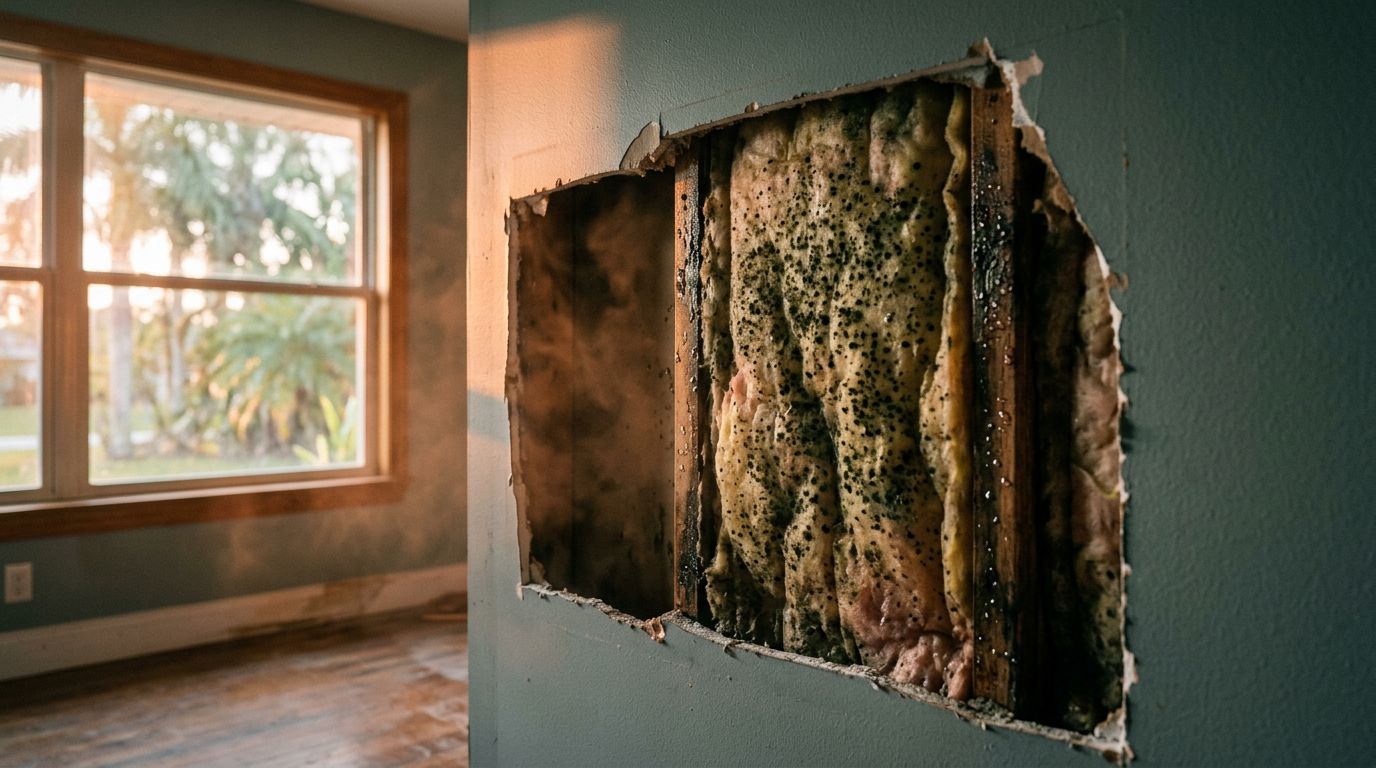
Signs of Mold Behind Walls in Cape Coral Homes
A musty smell may be the first clue that mold behind walls is growing where you can’t see it. In Cape Coral, warm humidity, storm-driven rain, roof leaks, plumbing failures, and air-conditioning moisture can keep wall cavities damp long after the surface looks dry. Peeling paint or a dark stain deserves attention, but hidden mold…
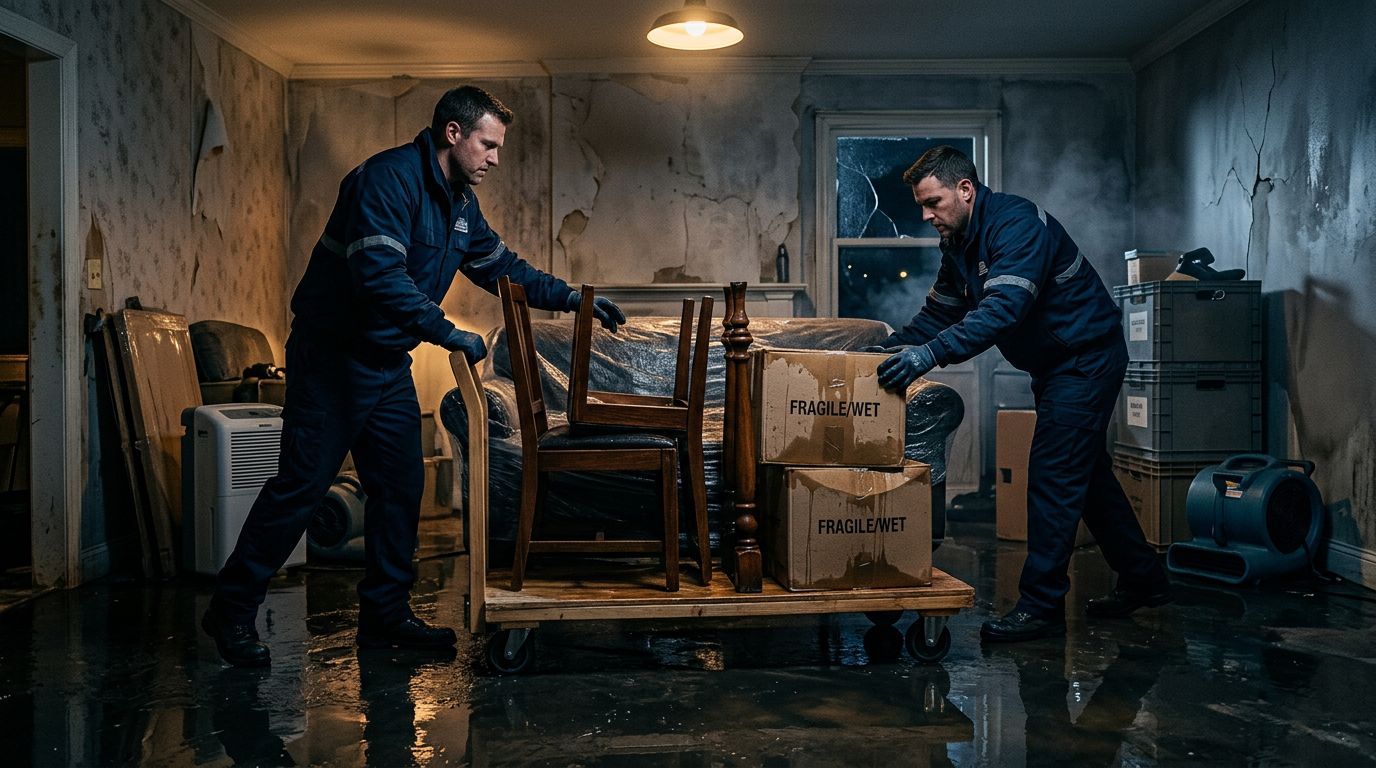
Water Damage Pack-Out: What Happens Step by Step
Water can damage more than floors, walls, and ceilings. It can soak furniture, stain fabrics, warp wood, and leave personal belongings exposed to mold growth or contamination. A water damage pack-out moves affected contents to a safe location while restoration professionals dry and repair the property. The process can feel overwhelming, especially when someone is…
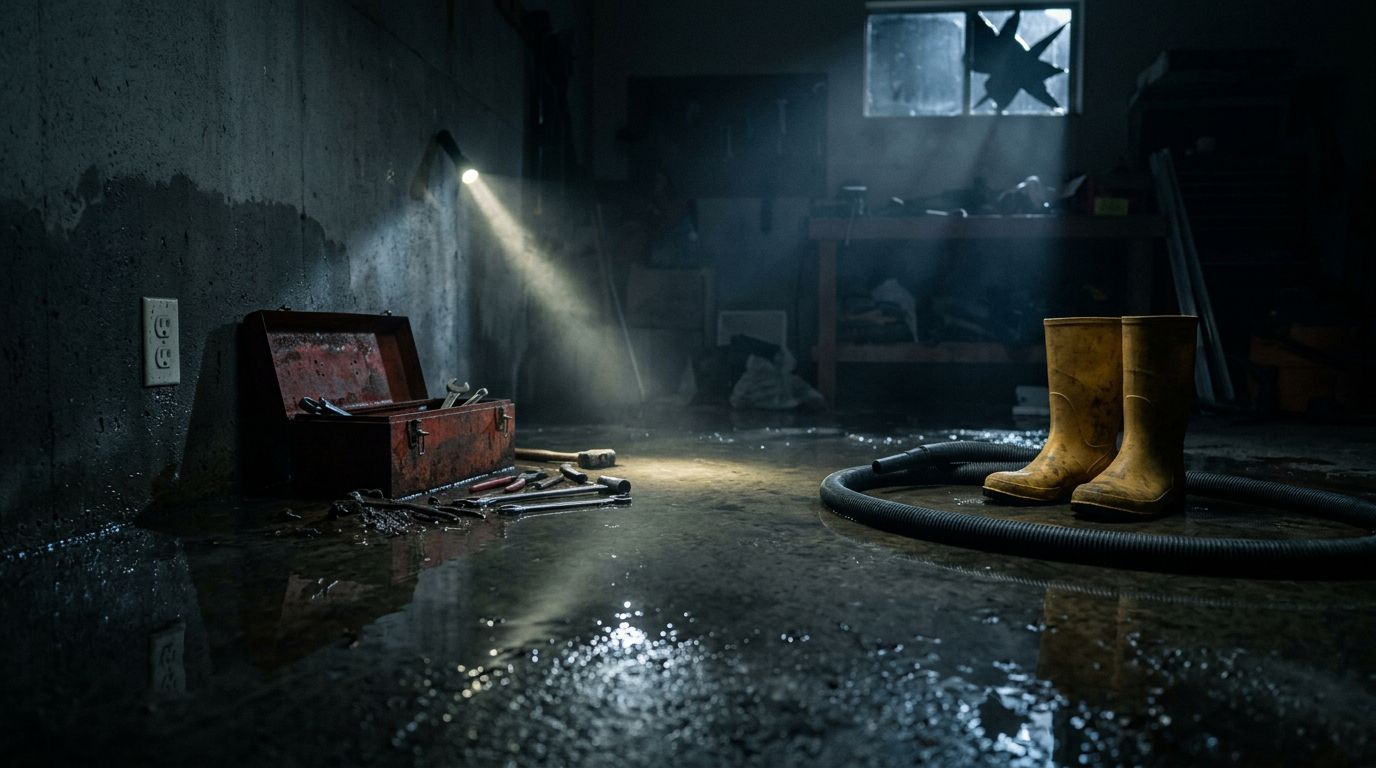
Garage Flood Cleanup: First Steps for Homeowners
A garage flood gets worse fast. Water can soak cardboard, reach outlets, rust tools, and creep under wall plates before the floor even looks truly wet. If you move too fast, you can spread contamination or create an electrical hazard. If you move too slowly, mold and hidden moisture can turn a cleanup into a…
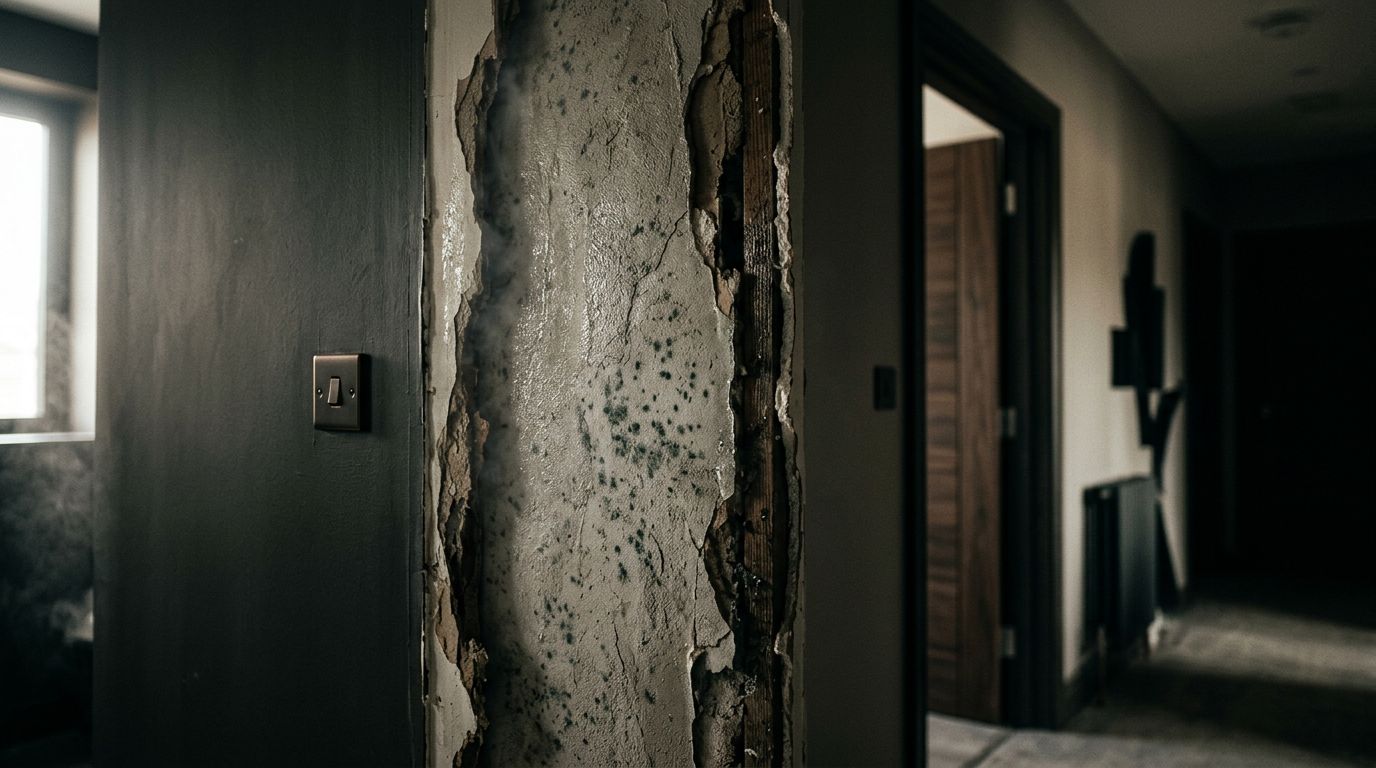
Can Mold Return After Remediation? Why It Happens
Mold can come back after remediation when the real moisture problem never got fixed. That usually surprises homeowners, because the visible growth is gone and the room looks clean again. The truth is simpler than most people expect. Mold after remediation is usually a sign that water is still getting in, drying never finished, or…
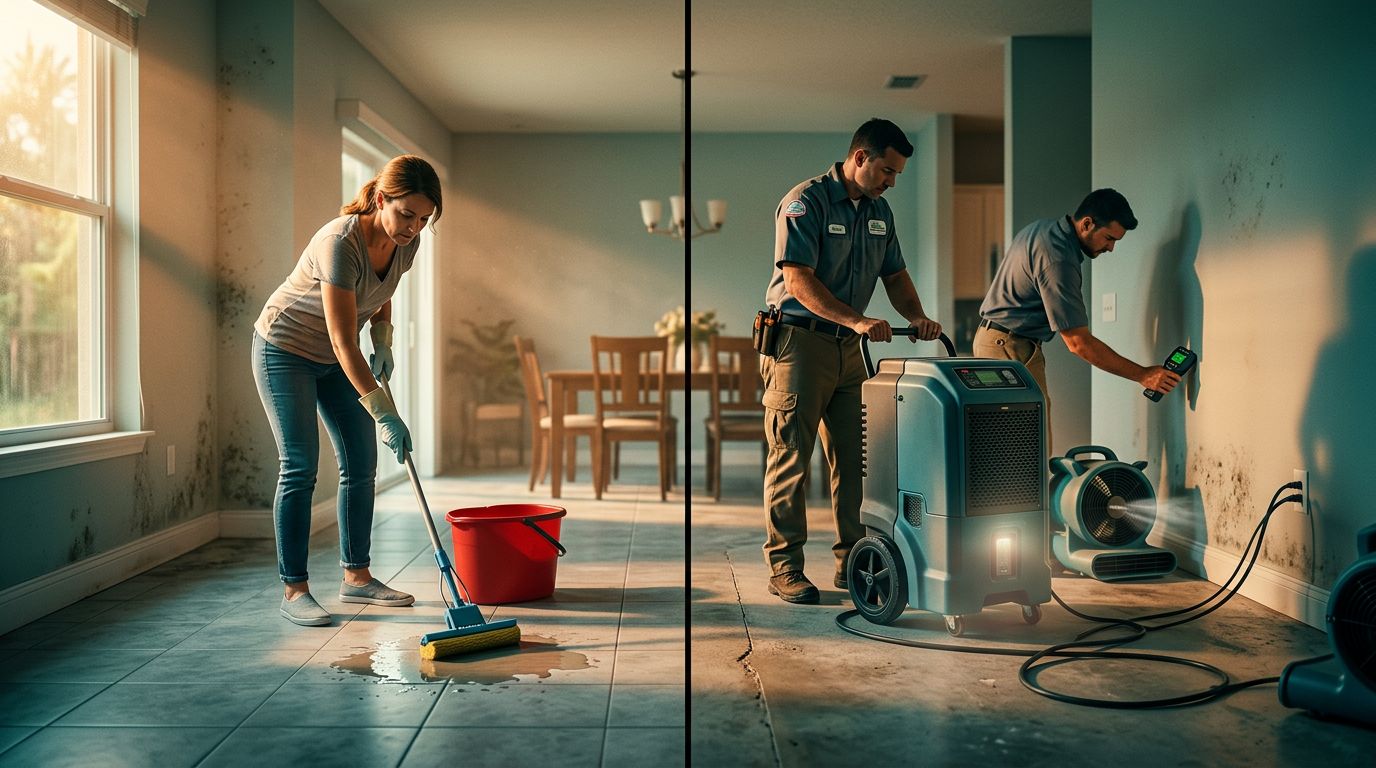
DIY Water Cleanup vs Professional Drying for Florida Homes
A room can look dry long before it is safe. In Florida, that matters because humid air and hidden moisture keep working after the puddle is gone. DIY water cleanup can make sense after a small, clean spill caught early. Once water reaches drywall, insulation, cabinets, or outlets, the job changes. The difference between wiping…
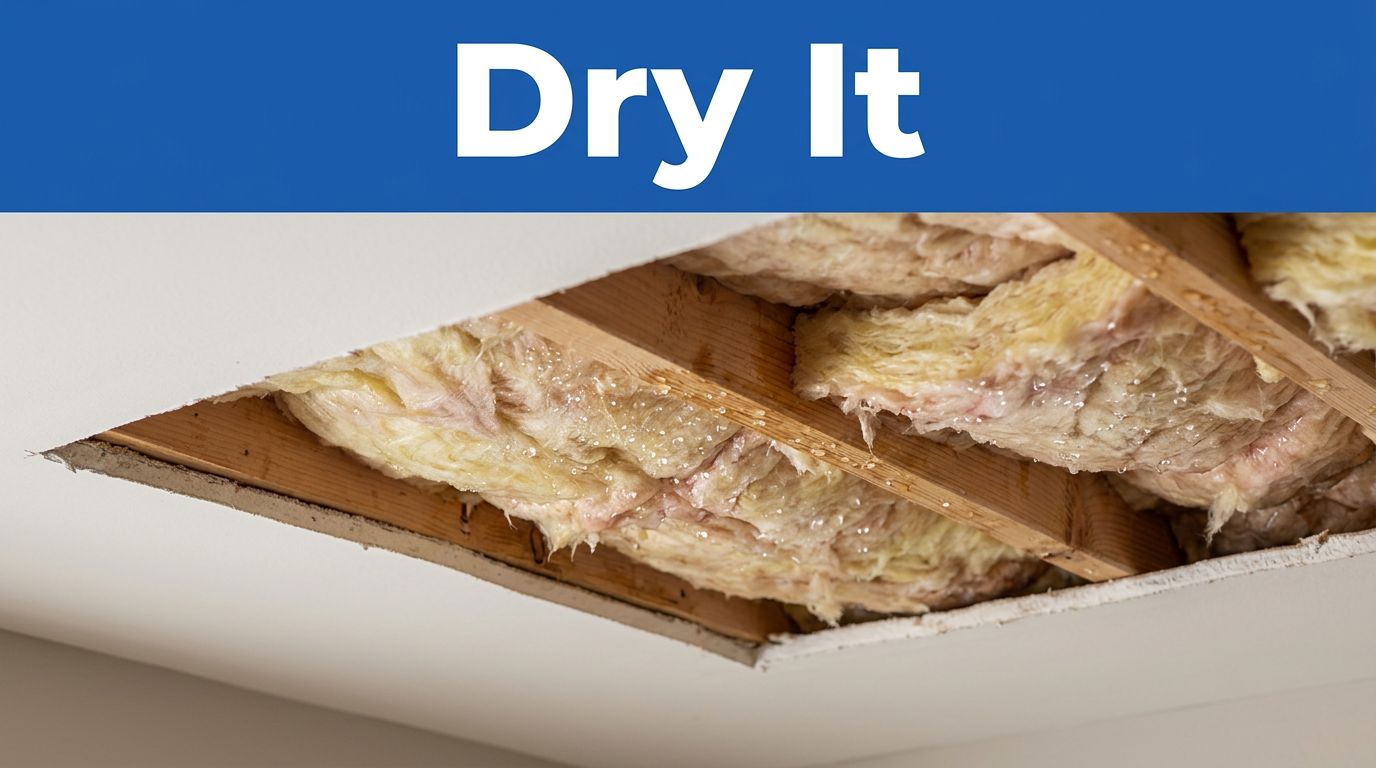
Can Wet Insulation Be Saved After a Ceiling Leak
A ceiling leak does more than leave a stain. It can soak insulation, trap moisture in the cavity, and hide damage above the drywall long after the surface looks dry. Whether wet insulation after a ceiling leak can be saved depends on what type it is, how much water it absorbed, how long it stayed…