
Blog
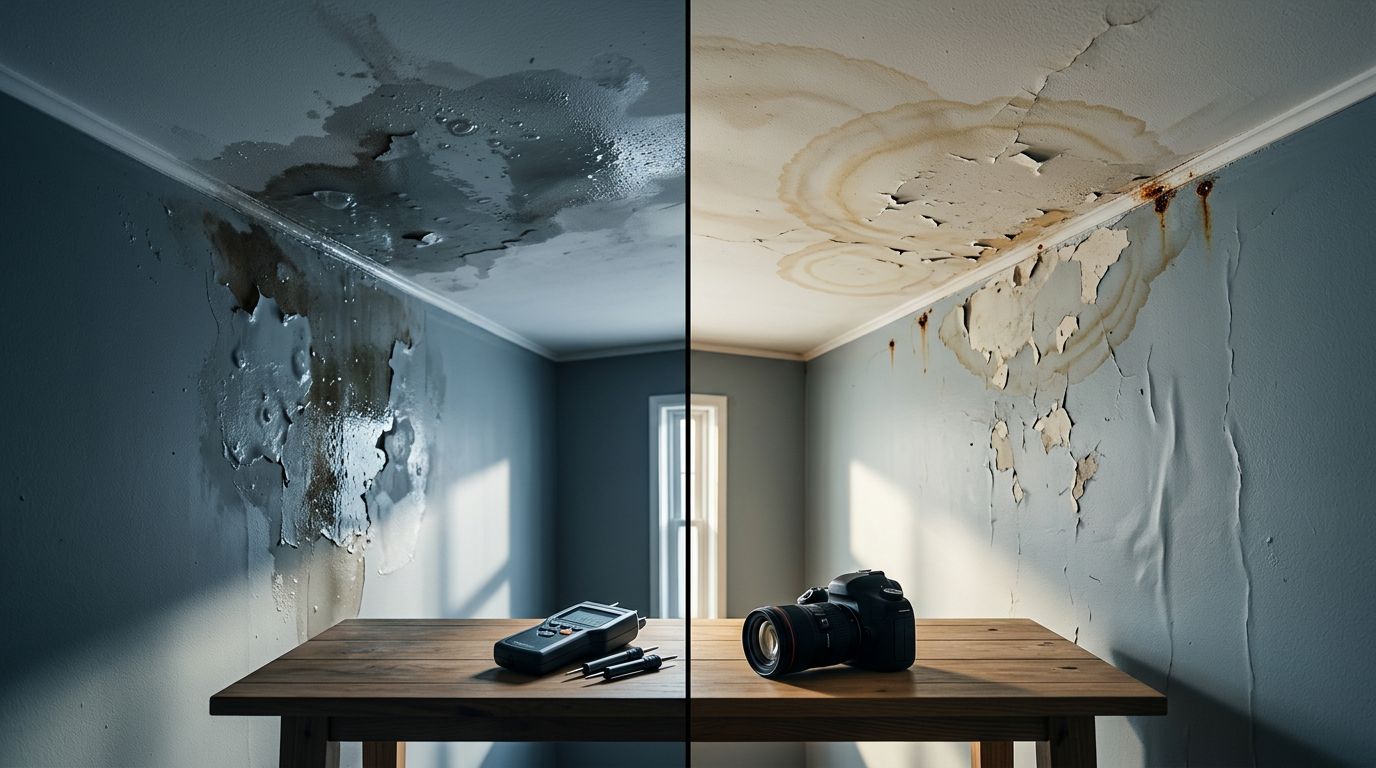
Old vs New Water Damage: How to Read the Clues
A fresh water stain can look alarming, while an old one may seem harmless. Knowing the difference helps you decide whether to dry the area, investigate a hidden leak, or call for professional help. However, old vs new water damage cannot be determined from color alone. A dark ceiling spot, peeling paint, or musty odor…
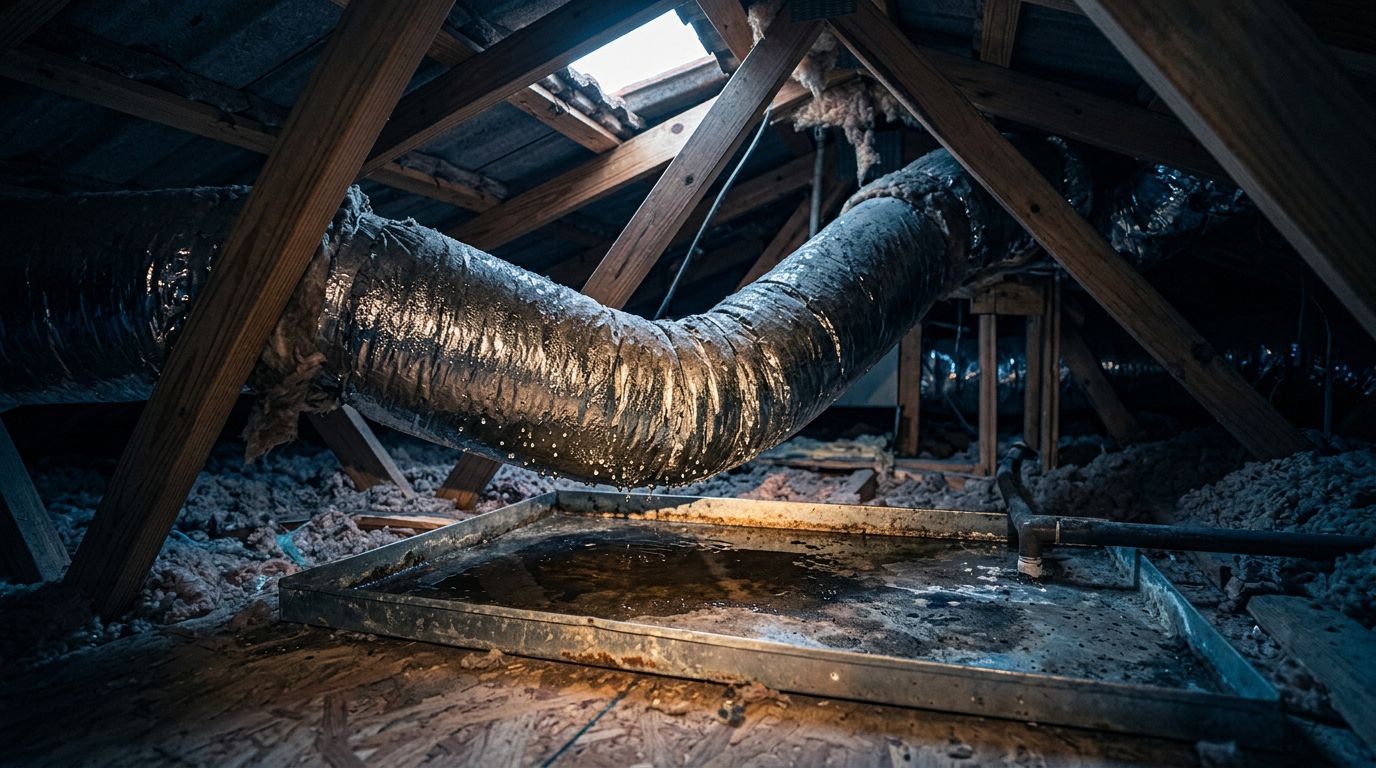
Water in HVAC Ductwork: Florida Homeowner Guide
Water in HVAC ductwork can spread moisture, odor, and contamination through your home before you notice a visible problem. In Florida, high humidity, heavy rain, attic leaks, and air conditioner drainage issues make wet ducts a concern for homeowners and property managers. If you find water in HVAC ductwork, turn off the system when standing…
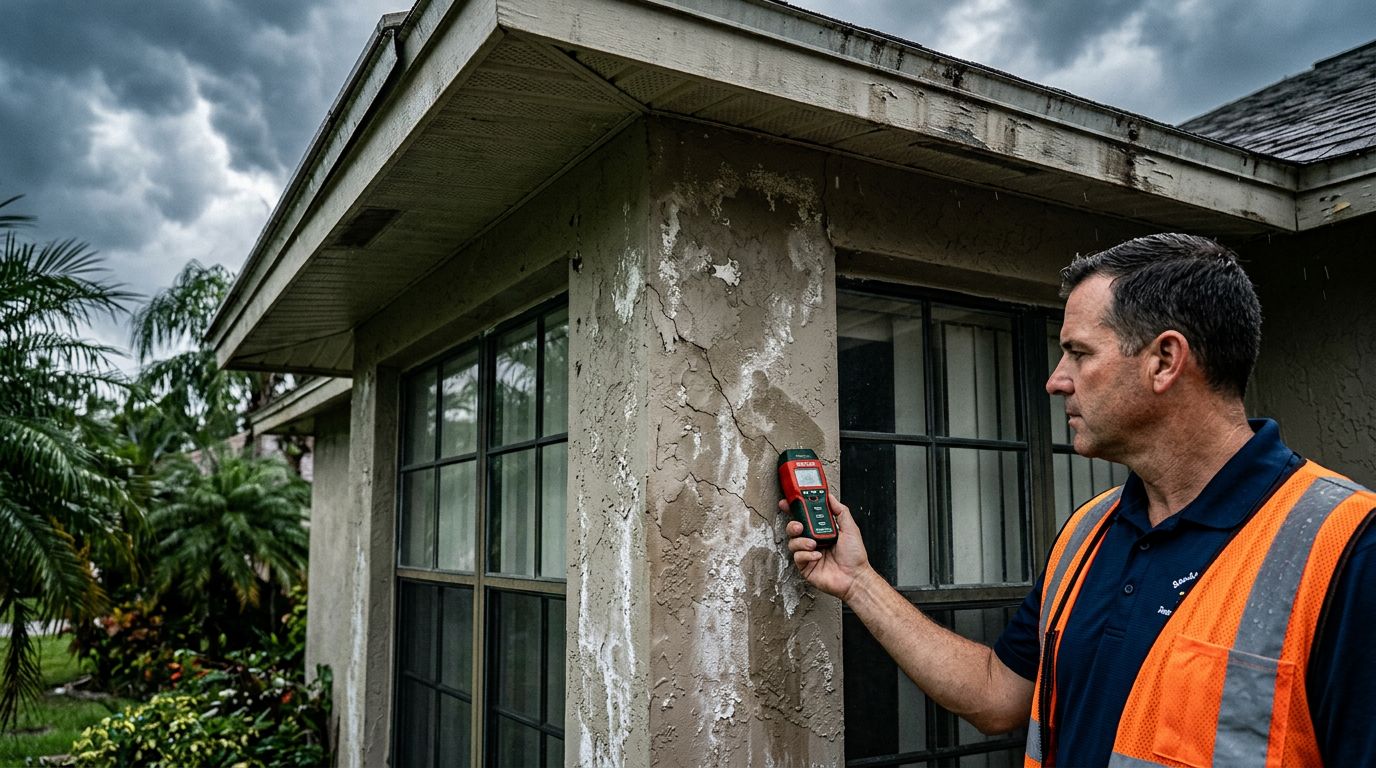
Stucco Water Intrusion Signs Florida Homeowners Shouldn’t Ignore
When stucco water intrusion begins, the first clue may appear far from the actual leak. A faint ceiling stain, swollen baseboard, or musty closet can point to moisture moving behind the exterior finish. Florida homes face extra exposure from heavy rain, hurricanes, high humidity, strong sun, and coastal air. Because water can travel sideways through…
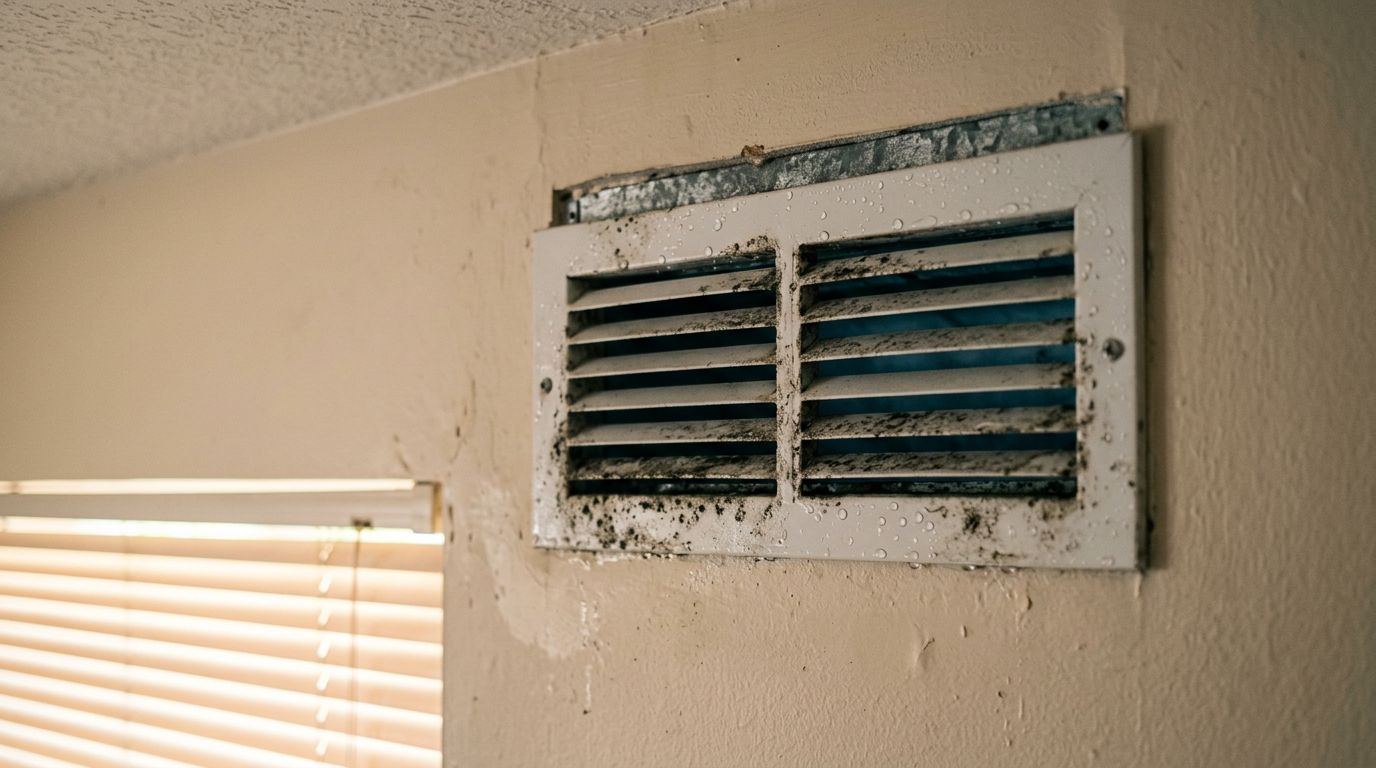
Mold Around Air Vents in Florida Homes: Causes and Fixes
Mold around air vents can point to a small condensation problem or moisture hidden inside a wall, ceiling, or duct. In Florida, warm outdoor air and cold air conditioning surfaces create conditions where dampness can return day after day. Cleaning the visible discoloration may improve the vent’s appearance, but it won’t solve the source. The…
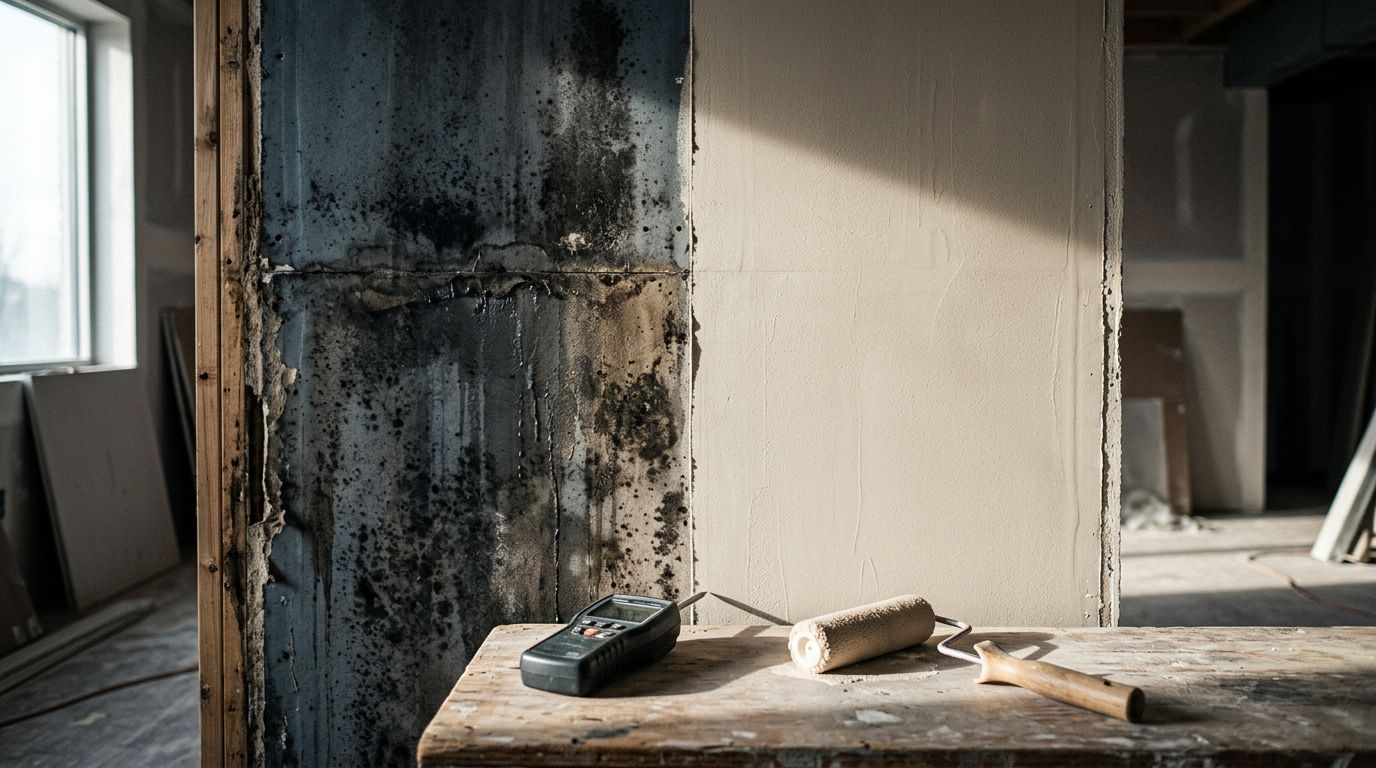
Mold Encapsulation: When It Works and When It Doesn’t
Mold remediation doesn’t end when a dark stain disappears. Mold encapsulation can help protect a cleaned surface, but it cannot correct a leak, dry a wet wall, or make heavily damaged materials safe. The right decision depends on the moisture source, the material involved, and the condition of the surface after cleaning. Understanding those limits…

Why Water-Damaged Interior Doors Swell and When to Replace Them
A water-damaged interior door often starts with a small leak, a wet bathroom floor, or a burst pipe that nobody sees right away. The slab absorbs moisture, expands, and begins rubbing against the frame. In severe cases, the door can warp, split, or lose its structural strength. The right fix depends on the door material,…