
Water Softener Leak Damage in Cape Coral Homes
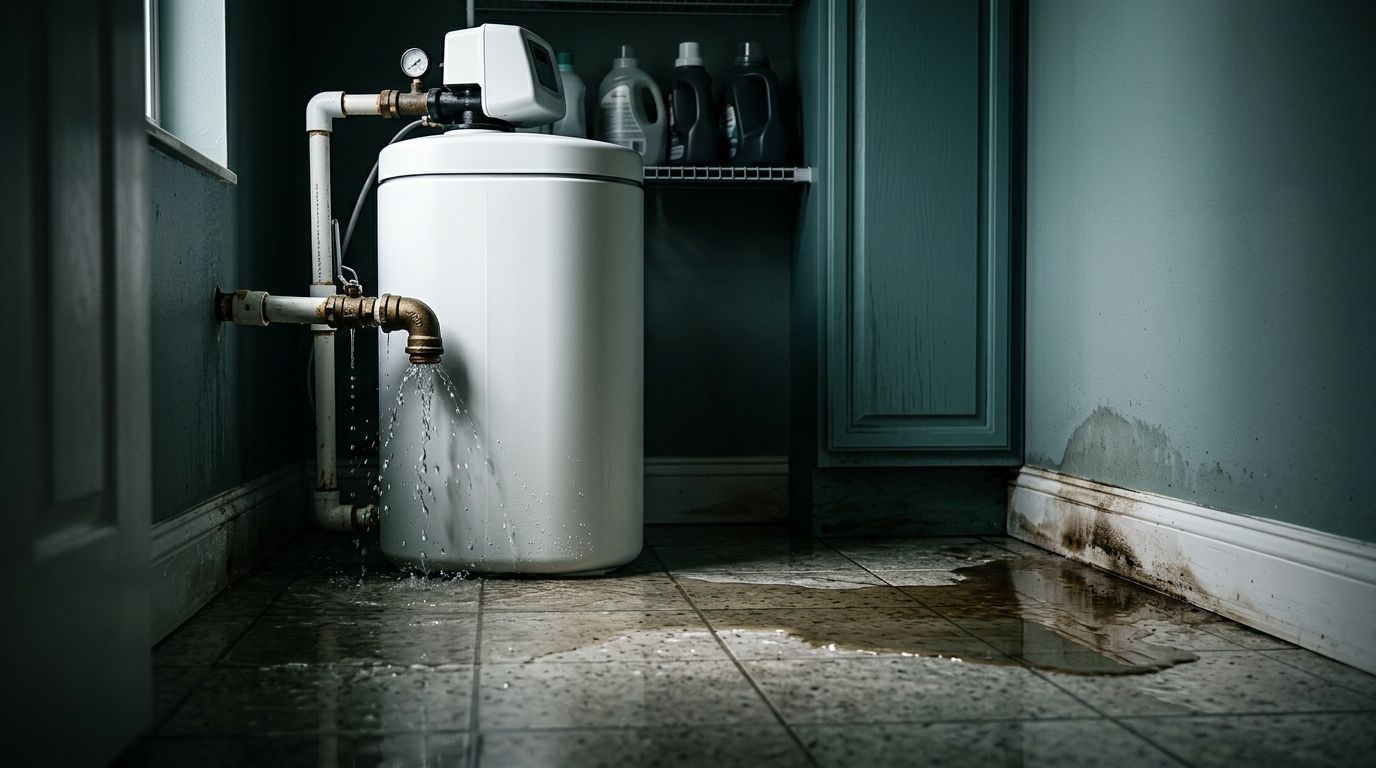
A leaking water softener can soak flooring, baseboards, drywall, cabinets, and nearby electrical components before you notice the problem. Water softener leak damage needs two responses: stop the plumbing failure and dry the affected materials before moisture spreads.
Insurance may cover sudden, accidental interior damage, but coverage depends on the cause, policy language, deductible, exclusions, and endorsements. A slow leak, corrosion, poor maintenance, floodwater, and storm surge can receive different treatment. We recommend documenting the area first, then arranging qualified plumbing and restoration work.
What water softener leak damage can affect
Most softeners connect to the home’s pressurized water supply, a drain line, and sometimes a bypass valve. A failure at any connection can release water into a garage, utility room, laundry area, or nearby hallway.
Cape Coral homes often have tile or other hard flooring, but that doesn’t mean the damage is minor. Water can move beneath baseboards, under flooring, into drywall, and behind cabinets. A small visible puddle may mark only the end of a larger moisture path.
Salt residue from a brine tank can also affect nearby surfaces and metal components. If the water remains trapped under flooring or inside a wall cavity, odors and mold growth may develop. Painting over a stain won’t solve the problem because the moisture source may still be active.
Watch for:
- A puddle beneath the tank, control head, hoses, or drain connection
- Swollen baseboards, soft flooring, or buckled laminate
- Yellow or brown wall stains near the utility area
- A musty smell after the surface appears dry
- Damp drywall, insulation, or cabinets
- A softener that runs continuously or discharges water incorrectly
Common causes of a leaking water softener
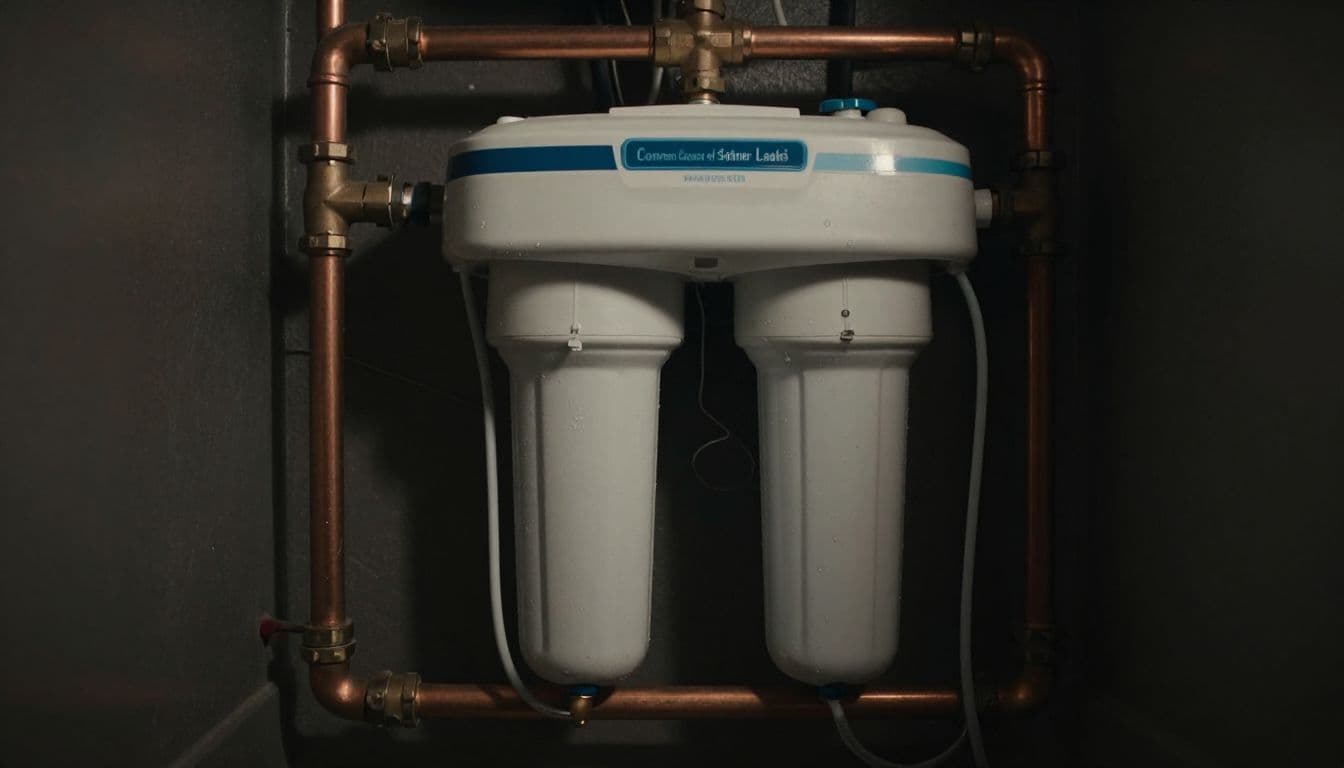
Some leaks start at simple connections. Supply hoses can loosen, crack, or fail with age. The fittings where the softener joins the home’s plumbing can also drip slowly before producing a larger puddle.
The bypass valve and control head contain seals and moving parts. A worn seal may leak during normal operation or when the system regenerates. A damaged tank or valve housing can also release water around the base of the unit.
Drain problems create another common source of water softener leak damage. During regeneration, the system sends discharge water into a drain line. A kinked, disconnected, blocked, or poorly secured line can send that water onto the floor instead.
The cause matters for both repair and insurance. A licensed plumber or qualified water-treatment technician should identify whether the failed part is a hose, valve, drain connection, tank, or nearby plumbing. We recommend repairing the source before closing walls or replacing flooring.
What to do during the first hour
Safety comes before cleanup. If water reached outlets, switches, appliances, wiring, or an electrical panel, keep away from the area and arrange an electrical inspection. Don’t plug in wet equipment or touch electrical components while standing on a wet floor.
When the area is safe, take these steps:
- Stop the water. Use the softener’s bypass valve if you can operate it safely. If the leak continues, shut off the home’s main water supply and call a plumber or water-treatment technician.
- Record the condition. Take wide photos of every affected room, close photos of stains and damaged materials, and a short video of active dripping or equipment discharge. Note when you first noticed the leak.
- Move loose belongings. Remove items from the wet area without disturbing damaged flooring, walls, or failed equipment. Keep damaged materials and parts until your insurer or restoration company tells you what it needs.
- Remove limited standing water only when safe. A clean, contained leak on an electrically safe floor may allow careful mopping. Don’t attempt cleanup if the water is contaminated, reached wall cavities, or spread across multiple rooms.
- Notify your insurer if you may file a claim. Ask what the carrier needs before disposal, demolition, or permanent repairs begin.
Create one folder for photos, invoices, estimates, moisture readings, drying logs, claim correspondence, and the claim number. Clear records reduce confusion when several contractors become involved.
Does insurance cover water softener leak damage?
A homeowners policy may cover resulting interior damage when a softener hose, pipe, or plumbing connection fails suddenly and accidentally. That doesn’t automatically mean the policy will replace the old softener or worn-out part that caused the leak.
Policies often treat these situations differently:
- A sudden supply-line failure may qualify for coverage, subject to the deductible and policy terms.
- Long-term seepage, corrosion, neglect, or repeated leakage may be excluded or limited.
- Water backup from a drain or sewer may require a separate endorsement.
- Rising water, storm surge, and other flood conditions generally require separate flood insurance.
- Damaged belongings may receive replacement-cost or actual-cash-value treatment, depending on the policy and endorsements.
FEMA’s flood insurance guidance explains that most homeowners insurance doesn’t cover flood damage. That distinction matters in Cape Coral, where storm surge and rising water are separate hazards from a failed indoor plumbing connection.
For Florida-specific claim steps, review the Florida Department of Financial Services consumer guides. The Florida Office of Insurance Regulation’s homeowners information also provides policy and coverage guidance.
Don’t assume the insurer will accept every repair cost. Ask before throwing away the softener, cutting drywall, removing cabinets, or disposing of flooring. Keep receipts for emergency supplies, extraction, drying, temporary repairs, storage, and approved reconstruction.
A photo of a wet floor proves that water was present. Moisture readings, a clear timeline, and a documented failed component help show where the water went and what work the loss required.
When drying becomes restoration and repair
Professional water damage restoration is appropriate when water reaches drywall, insulation, cabinets, baseboards, flooring layers, or more than one room. It is also the safer choice when the source is uncertain, the water smells unusual, or electricity may be involved.
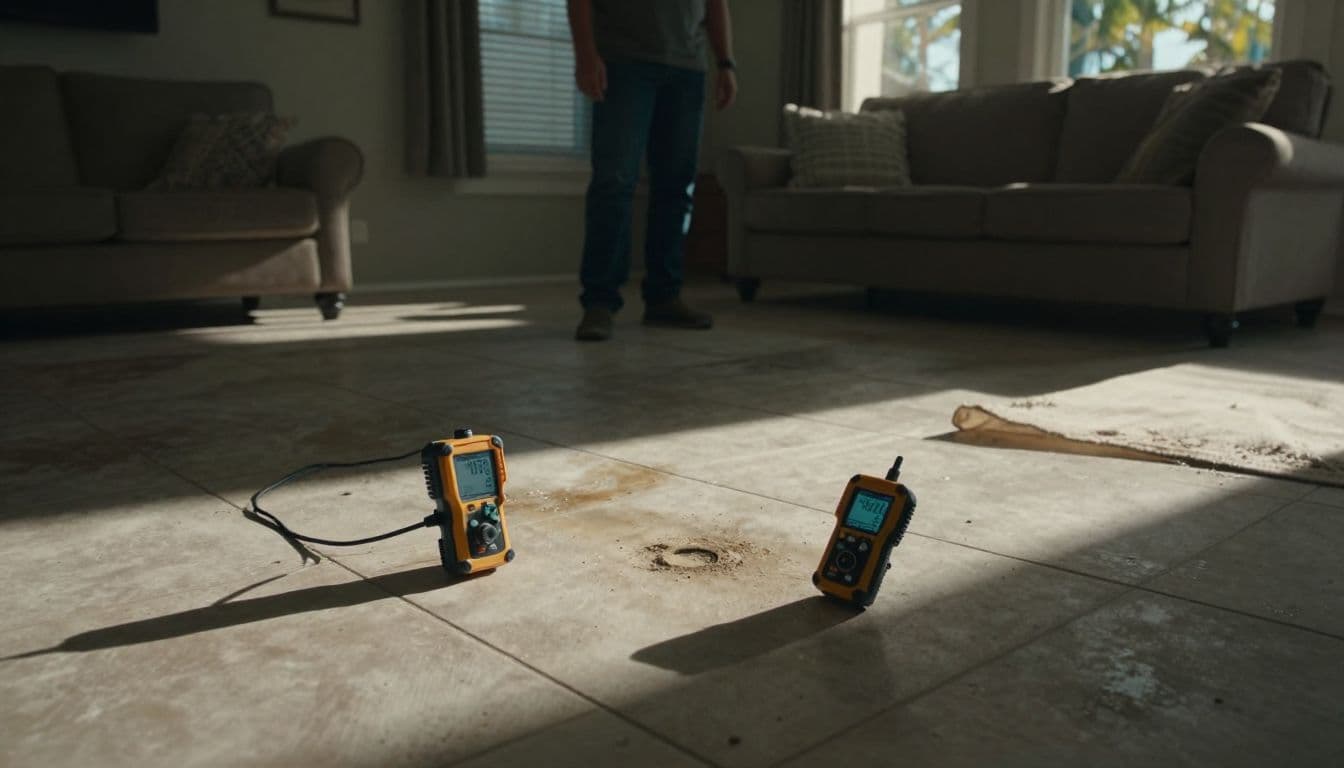
A surface can feel dry while moisture remains beneath it. Restoration technicians use moisture meters to check floors, walls, trim, and nearby materials. They may need to remove a controlled section of drywall to inspect insulation and framing. The correct opening depends on readings, material condition, water type, and the affected area.
Ask for a written, line-item scope that separates:
- Water extraction and equipment setup
- Demolition and disposal
- Moisture monitoring and drying
- Cleaning or sanitizing
- Contents handling and storage
- Plumbing, electrical, and softener repairs
- Reconstruction, painting, flooring, and baseboard work
A low estimate that addresses only the visible puddle can leave wet material behind. At Services 321, we combine water damage cleanup, mold remediation, repair, and reconstruction so homeowners can coordinate the project through one local team. We also document affected areas and explain which work belongs to a plumber, electrician, restoration technician, or remodeling professional.
Choosing a Cape Coral restoration contractor
Ask whether the company can inspect hidden moisture, monitor drying, remove damaged materials, and complete reconstruction. A company that only extracts water may leave you coordinating several separate trades.
Before signing, request:
- Proof of licensing and insurance
- A written scope with exclusions
- Moisture readings and drying documentation
- The expected equipment schedule
- A clear plan for damaged flooring, drywall, cabinets, and contents
- Identification of the licensed trade repairing the leak source
- Communication procedures for insurance documentation
Avoid pressure to sign immediately, vague promises about coverage, or a proposal that contains one unexplained total. We recommend comparing the scope of work, not only the price. The lowest estimate may omit demolition, monitoring, disposal, or reconstruction.
After repairs, inspect the hoses, fittings, bypass valve, and drain connection. Keep the softener area accessible, and consider a leak detection device or automatic shutoff if it fits your plumbing system. Regular checks can catch a small drip before it reaches walls and flooring.
Protect the home after a softener leak
Water softener leak damage becomes more expensive when moisture remains hidden. Shut off the source, protect electrical safety, photograph the condition, and notify your insurer before discarding damaged materials. Then use a written restoration scope that accounts for extraction, drying, hidden moisture, repairs, and reconstruction.
A fast response doesn’t guarantee insurance coverage, but it gives you better evidence and limits preventable damage. In Cape Coral, professional inspection and complete drying are often the difference between a contained repair and a larger rebuild.
Frequently asked questions
Can a water softener leak damage drywall?
Yes. Water can travel behind baseboards and into the lower part of a wall. The visible stain may be smaller than the damp area inside the cavity. Moisture readings can show whether drywall, insulation, or framing needs drying or removal.
Should you turn off the water before calling a restoration company?
Yes, if you can do so safely. Use the softener bypass valve first, then shut off the main supply if the leak continues. Keep away from wet electrical components, and arrange an electrician’s inspection when water reaches outlets, wiring, appliances, or panels.
Will homeowners insurance pay for a failed water softener?
Coverage depends on the policy and cause of loss. A policy may cover resulting damage from a sudden plumbing failure while excluding the worn-out softener, hose, valve, or other failed component. Gradual leaks, corrosion, flooding, and sewer backup may have different exclusions or coverage requirements.
How long should you wait before repairing the wall?
Don’t close the wall until the affected materials have been inspected and documented as dry. A restoration professional should check the cavity, insulation, framing, and nearby flooring. Closing damp materials can trap moisture and create a larger mold or reconstruction problem.
When should a professional handle the cleanup?
Call a restoration professional when water reaches walls, cabinets, insulation, electrical components, or multiple rooms. Professional help is also appropriate when the source is contaminated, the odor persists, the floor remains soft, or you need detailed records for an insurance claim.
