
Mold Around Air Vents in Florida Homes: Causes and Fixes
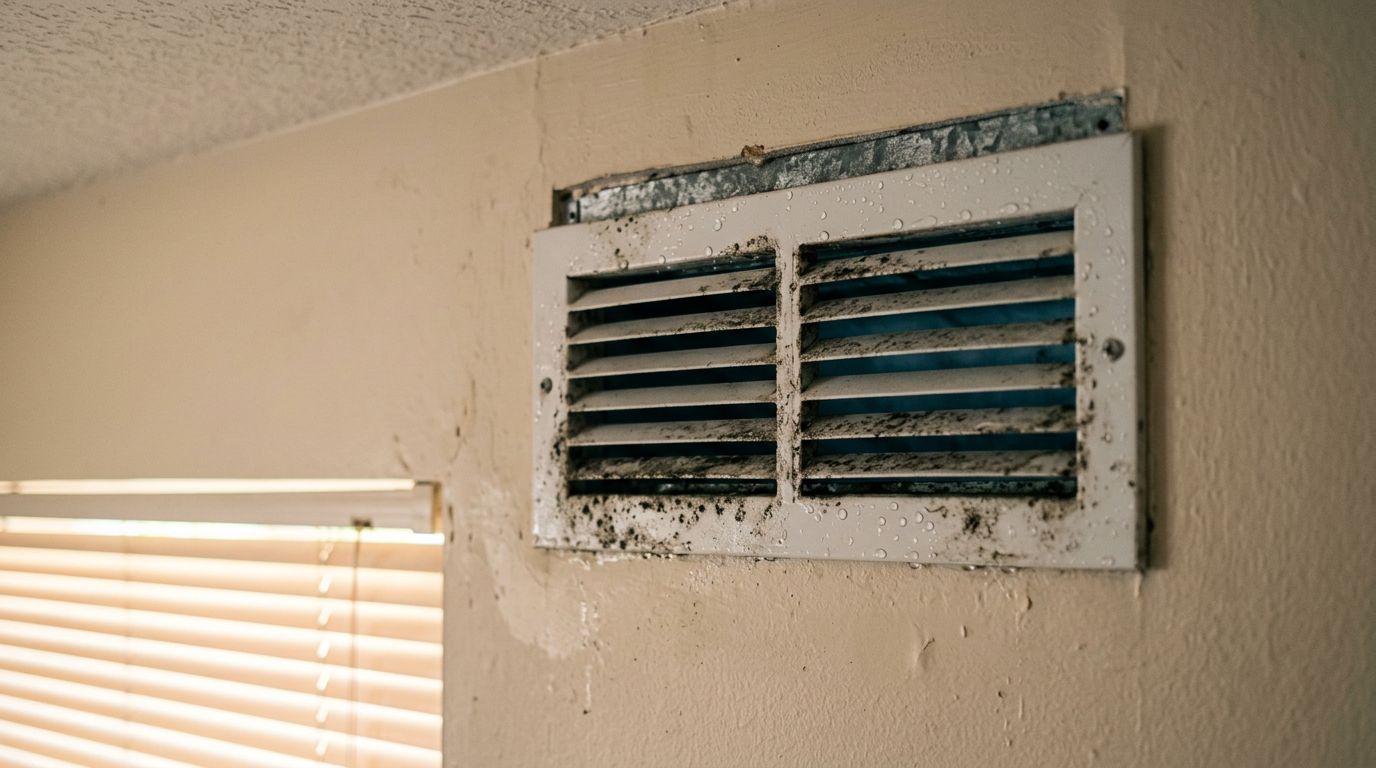
Mold around air vents can point to a small condensation problem or moisture hidden inside a wall, ceiling, or duct. In Florida, warm outdoor air and cold air conditioning surfaces create conditions where dampness can return day after day.
Cleaning the visible discoloration may improve the vent’s appearance, but it won’t solve the source. The lasting fix is to find where moisture enters, lower indoor humidity, and confirm that the surrounding materials are dry. Start by understanding what the vent staining may be telling you.
Key Takeaways
- Mold around air vents often relates to condensation, high humidity, duct leaks, or HVAC drainage problems.
- Dark marks may also be dust or mildew, so don’t identify a mold species by appearance alone.
- Small surface growth on a nonporous metal vent may be safe to clean with care, but large or recurring growth needs qualified help.
- Turn off the HVAC system if you suspect contamination inside the ducts, and don’t spray household chemicals into the ductwork.
- A proper repair addresses moisture first, then cleaning, drying, and any needed material replacement.
Why mold around air vents appears in Florida homes
Air vents are cold surfaces. When humid indoor air touches a cold metal register, water can condense on the surface. If that moisture remains, it can support fungal growth around the grille, screws, nearby drywall, or ceiling texture.
Florida’s long cooling season makes this problem more common. Air conditioners remove moisture while they cool the home, but a system that is oversized, poorly maintained, or unable to drain correctly may leave indoor humidity too high. Closed rooms, blocked airflow, and weak circulation can add to the problem.
A dark ring does not automatically prove mold. Dust can collect around a supply register because moving air pulls particles toward the edges. Soot, old paint, rust, and ordinary mildew can look similar. Appearance alone cannot identify a mold species, and homeowners shouldn’t rely on color as a diagnosis.
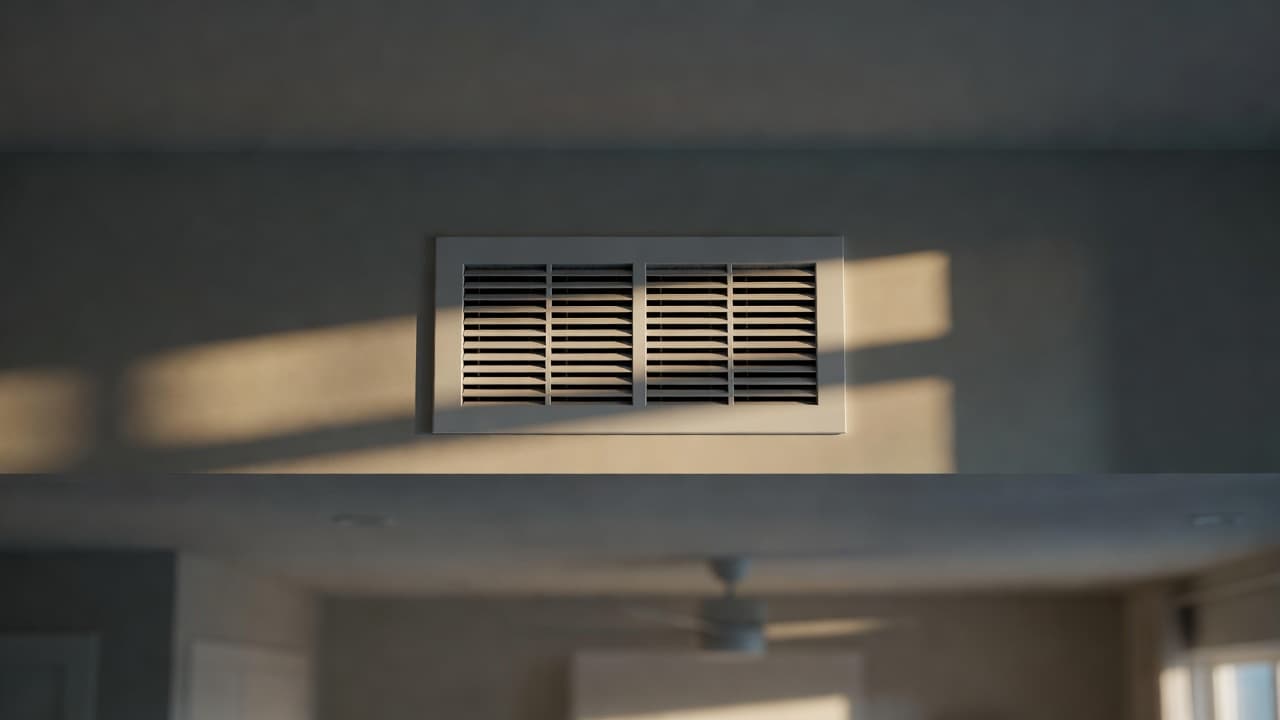
The location offers useful clues. Growth on the vent itself may relate to surface condensation. Growth spreading into the ceiling, returning soon after cleaning, or appearing on several vents suggests a wider moisture or air-distribution problem.
The UF/IFAS mold management guidance recommends stopping the HVAC system when mold may have spread through the home and checking the ductwork. That step can help prevent the system from moving particles into other rooms.
Common causes of vent mold and staining
Several conditions can create enough moisture for mold growth near supply or return registers. Finding the right cause matters because each one needs a different repair.
Condensation around a cold register is one of the most common explanations. Missing insulation around a duct boot, a loose grille, or warm air leaking around the opening can make the ceiling or wall surface damp. The problem may become more visible after the air conditioner runs for long periods.
High indoor humidity also keeps surfaces wet longer. A hygrometer can help you track relative humidity in bedrooms, closets, and living spaces. Aim to keep the home below 60% relative humidity. If readings stay high, the HVAC system may need service, or a properly sized dehumidifier may help.
A clogged condensate drain or damaged drain pan can cause water to back up near the air handler. Look for water around the indoor unit, rust, a musty smell, or stains on nearby drywall. Never reach into electrical equipment or attempt a repair if the area is wet.
Leaky or poorly insulated ducts can pull humid air from an attic, wall cavity, or other unconditioned space. Duct leakage can also reduce the amount of cooled air reaching the room. UF/IFAS explains that duct leakage can contribute to mold concerns and recommends sealing problem areas as part of a sound duct system. If water has already entered your ductwork, our water in HVAC ductwork guide explains the next steps.
Roof, plumbing, or storm-related water damage may show up at a vent by coincidence. A roof leak above a ceiling register can stain the same area where condensation occurs. Water from a bathroom, attic, or exterior wall can travel along framing before reaching the vent opening.
Finally, a dirty filter or blocked return can restrict airflow. Replace filters according to the system and filter manufacturer’s instructions, and keep supply registers open. If several rooms have weak airflow, have an HVAC technician inspect the system rather than sealing or covering vents yourself.
How to clean a small amount of surface growth
You may be able to clean a small spot on a removable metal vent when the surrounding drywall is dry, the growth is limited, and no one in the home has a health condition that makes exposure more concerning. First, photograph the area and look for an active leak, condensation, or staining that extends beyond the grille.
Turn off the HVAC system before removing the vent. Wear gloves and eye protection, and use a well-fitting respirator if you may disturb settled particles. Remove the grille carefully, avoiding forceful brushing that can send debris into the room or duct opening.
Wash the metal grille with mild detergent and water, then dry it completely before reinstalling it. Don’t soak drywall, insulation, or the inside of the duct. Porous materials that remain stained, swollen, or damp may need removal rather than surface cleaning.
Avoid mixing cleaning chemicals. Combining bleach with ammonia, acids, or other products can create dangerous fumes. Never pour or spray bleach, disinfectant, or mold treatment into an air duct. Household chemicals also won’t correct condensation or a leaking drain line.
Stop the cleanup and seek qualified help when the suspected area is large, the growth keeps returning, or water damage affects drywall, insulation, cabinets, flooring, or framing. People with asthma, severe allergies, chronic lung disease, or other health concerns should avoid disturbing suspected mold and ask their healthcare provider about precautions.
A clean vent can hide a wet ceiling cavity. Drying and moisture testing matter more than the color of the repaired surface.
Fix the moisture source before replacing the vent
The right repair depends on what inspection finds. An HVAC technician can check refrigerant performance, airflow, filter condition, drain operation, pan condition, insulation, and duct connections. A restoration or remediation professional can inspect nearby building materials with moisture meters and determine whether the problem extends behind the wall or ceiling.
If the register is sweating, the duct boot may need better insulation or air sealing. Gaps around the boot can allow humid air to reach cold surfaces. A contractor may remove the grille, seal the perimeter with an appropriate HVAC material, and replace damaged insulation or drywall after the area dries.
When indoor humidity remains high, ask whether the system is correctly sized and removing enough moisture. Oversized equipment can cool a room quickly without running long enough to dehumidify it well. Bathroom exhaust fans should vent outdoors, and kitchen or laundry moisture should not be allowed to build up inside the home.
For a drain problem, the condensate line and pan need proper cleaning or repair. A technician should also check whether the air handler sits level and whether the drain termination is functioning as designed. Repeated clogs often point to maintenance or installation issues that require more than a quick flush.
If ducts are damaged or contaminated, don’t assume cleaning alone is enough. The Trane HVAC mold prevention guide discusses maintenance steps and possible add-ons such as UV lights. These products may support an HVAC plan, but they don’t replace repairs to leaks, drainage, insulation, or humidity.
After the source is corrected, damaged drywall or insulation may require controlled removal. The affected area can be larger than the visible stain because water travels through paper facing, framing, and insulation. Closing the cavity before moisture readings return to a stable, dry condition can trap the problem behind new materials.
When to call a Florida mold or restoration professional
Professional help makes sense when mold around air vents is recurring, widespread, connected to water damage, or suspected inside the ductwork. Call promptly if you notice a musty odor when the HVAC starts, growth at multiple registers, damp insulation, ceiling discoloration, or visible water near the air handler.
Don’t disturb large areas of suspected mold. Turn off the HVAC system if you believe the ducts or air handler are contaminated, then keep occupants away from the affected space. A qualified professional can recommend containment, air control, material removal, cleaning, and post-work verification based on the actual conditions.
Ask for a written scope that separates inspection, containment, removal, cleaning, drying, HVAC work, and reconstruction. The estimate should state what will be repaired, what must be replaced, and whether hidden moisture checks are included. A low quote that only wipes the vent may leave wet drywall or insulation behind it.
If water damage caused the growth, document the condition before removal with wide photos, close-ups, dates, and notes about leaks or storms. Notify your insurer promptly if you plan to file a claim. Coverage depends on the policy, deductible, exclusions, cause of loss, and endorsements. Sudden plumbing damage may receive different treatment from long-term seepage, poor maintenance, storm surge, or flooding.
Keep moisture readings, drying logs, photographs, invoices, and the line-item estimate together. Good records show why materials had to be opened, dried, cleaned, or replaced. They also make it easier to compare restoration bids without relying on a single unexplained total.
Preventing vent mold in humid Florida weather
Prevention starts with moisture control. Check indoor humidity with a simple hygrometer, replace HVAC filters on schedule, and keep return grilles clear of furniture or curtains. Wipe condensation from vents when you first notice it, then investigate why the surface is getting wet.
During routine HVAC service, ask the technician to inspect the drain pan, condensate line, insulation, duct connections, and airflow. Look at the ceiling around each register after heavy rain and during periods of long air conditioner use. New staining deserves attention before the drywall feels soft.
Keep bathrooms ventilated during showers and for a short time afterward. Repair plumbing leaks quickly, maintain roof drainage, and watch for water entering around windows, doors, lanais, or attic penetrations. Florida storms can introduce moisture far from the original entry point.
Most importantly, don’t paint over recurring stains or install a new grille without checking the cavity. A replacement hides the evidence while the moisture continues. The UF/IFAS duct system resource provides additional information about duct performance, leakage, and maintenance.
Conclusion
Mold around air vents is usually a moisture problem first and a cleaning problem second. Condensation, high humidity, drain failures, duct leaks, and hidden water damage can all create similar marks, so the visible stain doesn’t tell the whole story.
Clean a small, isolated metal surface only when conditions are safe. For recurring growth, large areas, health concerns, water damage, or suspected duct contamination, stop the HVAC system and get qualified help. Drying the source and correcting the cause protects your Florida home far better than covering the stain.
