Toilet Overflow Cleanup in Cape Coral: Safe Steps and Next Moves
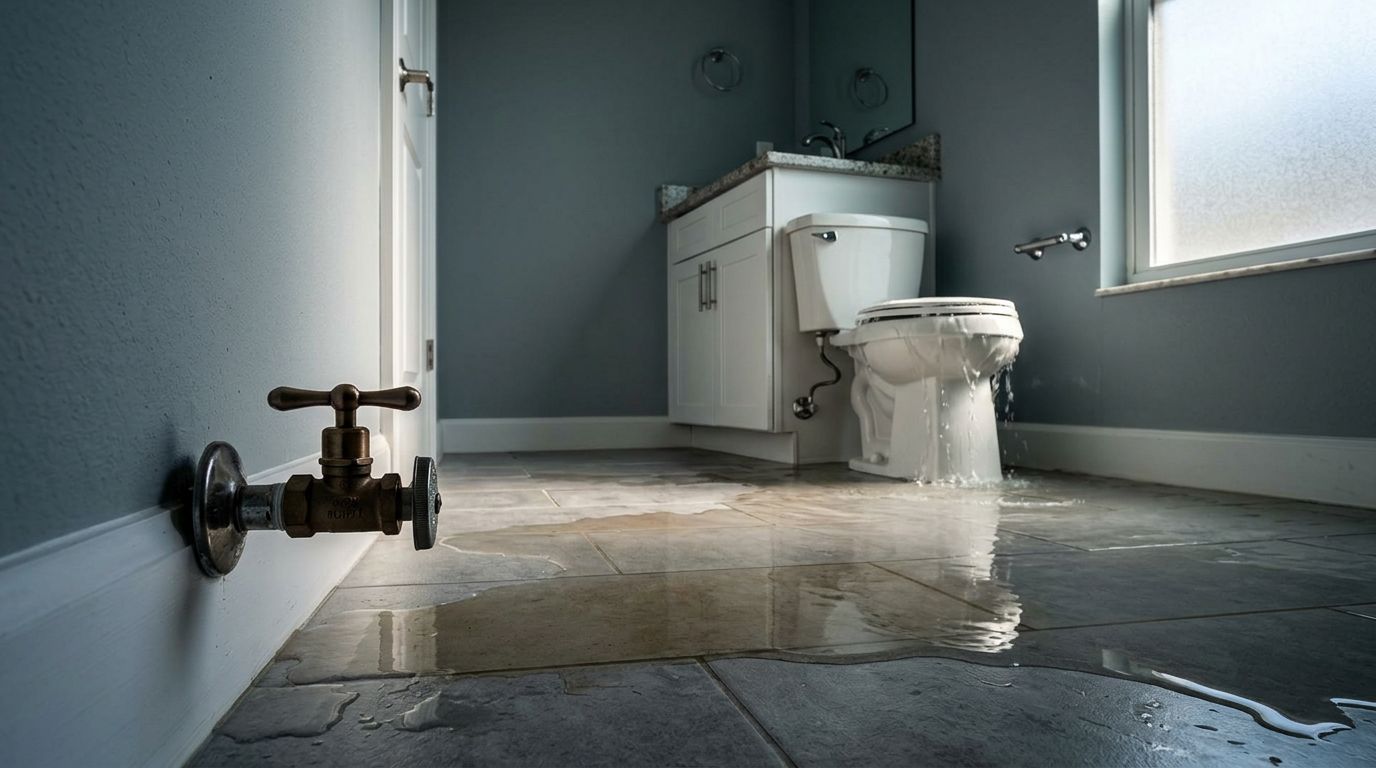
A toilet overflow can spread across a bathroom floor in minutes, requiring an immediate emergency response to prevent severe residential water damage, but the visible puddle may be only part of the damage. If wastewater came from the bowl, drain, or a backup, treat it as potentially contaminated.
Toilet overflow cleanup Cape Coral homeowners can trust starts with safety, water shutoff, and careful documentation. Keep children and pets away, avoid electrical hazards, and call a qualified restoration professional when water reaches walls, flooring, cabinets, or other porous materials.
Key Takeaways
- Prioritize safety by shutting off the water supply, avoiding electrical hazards, and keeping children and pets away from contaminated water.
- Treat wastewater from toilet bowls or backups as potentially hazardous and avoid using standard household vacuums on standing water.
- Take comprehensive photographs and videos of the damage before moving items or beginning any cleanup steps.
- Call licensed professionals and restoration experts immediately if water reaches walls, flooring, baseboards, or electrical components.
Toilet Overflow Cleanup Cape Coral Starts With Safety
Your first priority is protecting people, not saving flooring or furniture. Toilet wastewater may contain bacteria and other contaminants, especially when the overflow involves a sewage backup cleanup, a blocked drain, or general contaminated water removal. Porous materials can absorb that water and hold contamination below the surface.
Leave the bathroom if standing water is near outlets, switches, appliances, or the electrical panel. Don’t step into water while touching a plugged-in device, and don’t place fans or wet vacuums in an electrically unsafe area. Contact a licensed electrician if wiring or electrical components may have been affected.
If the water source is unclear, use caution. A clean supply-line leak is different from water that has passed through the toilet bowl or drain. When in doubt, isolate the area to begin proper water damage mitigation, and contact emergency plumbing services if you need immediate help with an active overflow. The EPA’s water damage cleanup guidance explains why prompt extraction and humidity control matter, although sewage-contaminated water requires more protective measures than clean water.
Take photographs before moving items or beginning cleanup. Capture wide views of the bathroom and nearby rooms, then photograph waterlines, damaged trim, flooring, cabinets, contents, and visible debris. A short video can show active leaking or the path water took across the floor.
Emergency Steps After a Toilet Overflows
Follow these steps in order. If any step creates an electrical, structural, or contamination risk, stop and call for help.
- Stop the water at the toilet. Turn the shutoff valve near the base of the toilet clockwise. If the valve is stuck, broken, or missing, lift the tank float or close the flapper inside the tank to stop the refill cycle.
- Shut off the home’s main water supply if necessary. Use the main shutoff when the toilet valve fails or water continues entering the bowl. If you rent, notify the landlord or property manager after taking immediate safety steps.
- Keep people and pets out of the affected area. Place a barrier at the doorway if possible. Children and animals can track contaminated water into other rooms, and bare skin should not contact wastewater.
- Address electrical danger from a safe location. If water is approaching outlets, switches, appliances, or the electrical panel, turn off the affected circuit only if you can reach the breaker without entering standing water. Otherwise, leave the home or area and call an electrician or emergency services.
- Documentation and initial checks. Photograph every affected surface before discarding materials or moving contents. Record when you noticed the overflow, what caused it if known, and what steps you took to stop it.
- Contain the spread without touching contaminated water. If the area is electrically safe and the water is clearly clean supply water, towels can help block doorways. For bowl water, backflows from clogged sewer lines, or severe spills that demand professional emergency flood cleanup using industrial water extraction equipment, avoid pushing water into another room and wait for the pros.
- Call the right professional. Licensed Cape Coral plumbers can repair the toilet, drain, or supply line. Meanwhile, a trusted water damage restoration provider ensures thorough structural drying, sanitization, and a rapid emergency response.
Don’t mix bleach with ammonia, acids, or other cleaning products. Also, don’t use a household vacuum on standing water. A wet-dry vacuum is designed for water, but it still isn’t a substitute for professional sewage cleanup.
Why Toilet Wastewater Needs Careful Cleanup
A small amount of clean water on a sealed tile floor may be manageable after the source is repaired, but a major plumbing failure cleanup is a completely different situation. Contaminants can spread across grout lines, baseboards, rugs, cabinet kick plates, flooring seams, and the lower portions of drywall.
Materials such as carpet padding, cardboard, particleboard, upholstered items, and some insulation absorb moisture quickly. Thorough sanitation and disinfection along with mold prevention and removal are critical for impacted areas. Cleaning the surface doesn’t always remove contamination inside the material, and disposal may be safer than restoration when porous contents have significant contact with sewage or remain wet for too long.
Hard, nonporous surfaces can often receive cleaning and disinfection, but the products and methods must match the material. Follow product directions, ventilate the room, and never combine chemicals. Persistent clogs that contribute to backups may also require specialized drain cleaning services to prevent future incidents. Local disposal rules apply to contaminated flooring, drywall, rugs, and other debris, so ask the restoration company or local waste authority how to handle those materials.
Moisture can also travel beyond the visible stain. Water may move under flooring, behind baseboards, or sideways through drywall, which is why a thermal imaging inspection is sometimes used to trace hidden water paths. A dark line around the bathroom does not show the full moisture path. The NIH moisture and mold remediation procedures describe the need to assess hidden moisture and contaminated materials instead of relying only on surface appearance.
A bathroom floor can look dry while moisture remains under flooring or inside the lower wall. Drying decisions should follow moisture readings, not touch alone.
Call a Professional Now If Any of These Apply
Professional toilet overflow cleanup Cape Coral is the safer choice when contamination or hidden damage is possible. Call a qualified water damage restoration company promptly if:
- The overflow came from the toilet bowl, drain, sewer line, or requires sewage backup cleanup.
- Water reached drywall, insulation, baseboards, cabinets, flooring layers, or carpet padding, demanding property damage restoration.
- The affected area covers more than a small, easily controlled spot requiring contaminated water removal.
- Water reached an outlet, switch, appliance, electrical panel, or wiring.
- You notice a sewage odor, visible debris, discoloration, or suspected mold.
- The toilet keeps overflowing or the source has not been repaired.
- You don’t have suitable protective equipment or commercial extraction equipment.
- Anyone in the home has health concerns that make exposure more dangerous.
- Water traveled into a hallway, bedroom, closet, or another occupied room.
- The property is a rental, multifamily building, or managed home that needs documented response.
IICRC certified technicians can establish containment, use appropriate protective equipment, extract water, and assess materials that may need removal. They can also provide a fast emergency response and coordinate with a plumber or electrician when the problem involves more than restoration work.
What Professional Cleanup Usually Includes
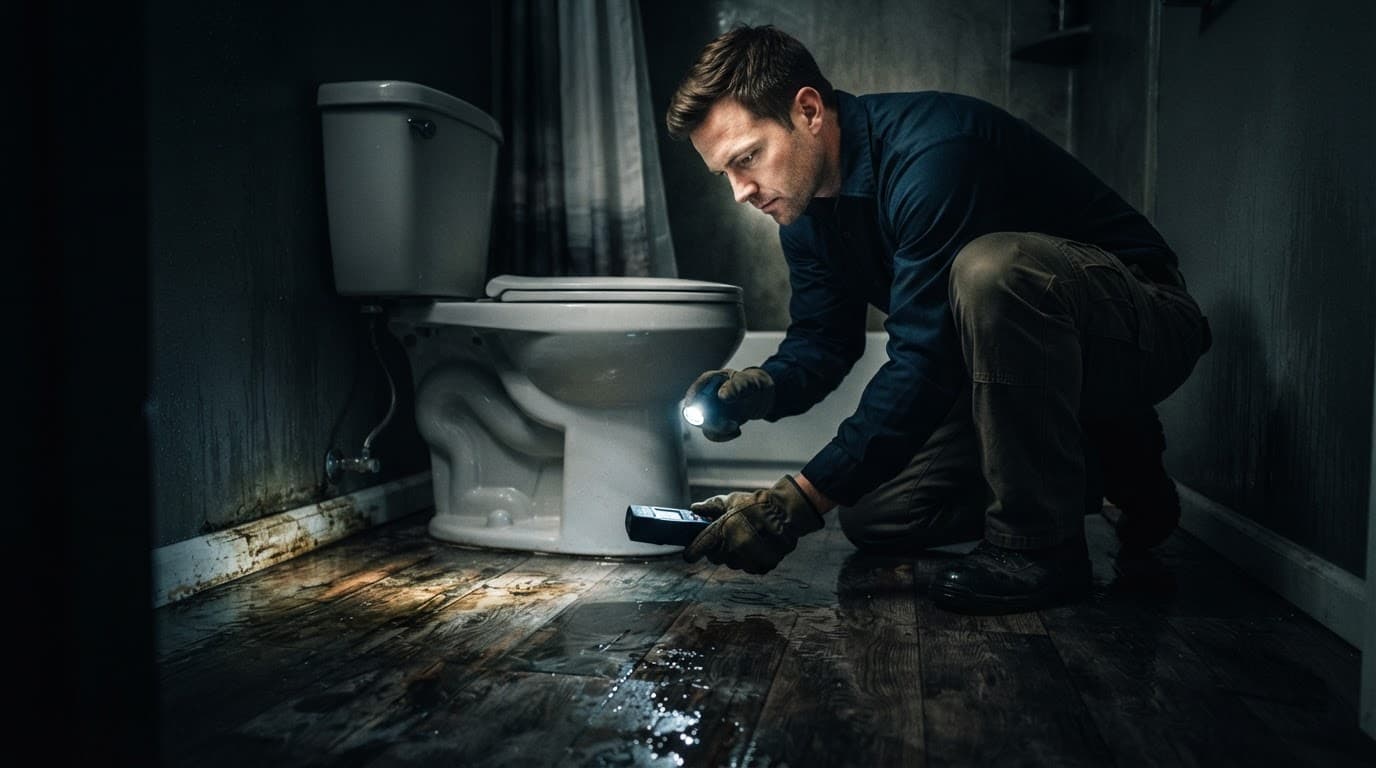
A thorough response begins with an inspection. Technicians identify the water source, affected rooms, material types, contamination level, and potential electrical concerns. They may use moisture meters to check flooring, drywall, cabinets, framing, and other areas that feel dry but still contain moisture during residential water damage assessments.
The written scope should separate extraction, demolition, drying, cleaning, sanitizing, and reconstruction. Ask whether it includes moisture mapping, equipment monitoring, photographs, and daily or scheduled readings. The estimate should also identify materials that may be removed and repairs that are excluded.
If water entered a wall, the crew may remove baseboards or a controlled section of drywall. This is sometimes called a flood cut. The cut should follow moisture readings, contamination, insulation condition, and the wall’s actual damage. There is no universal height that fits every bathroom.
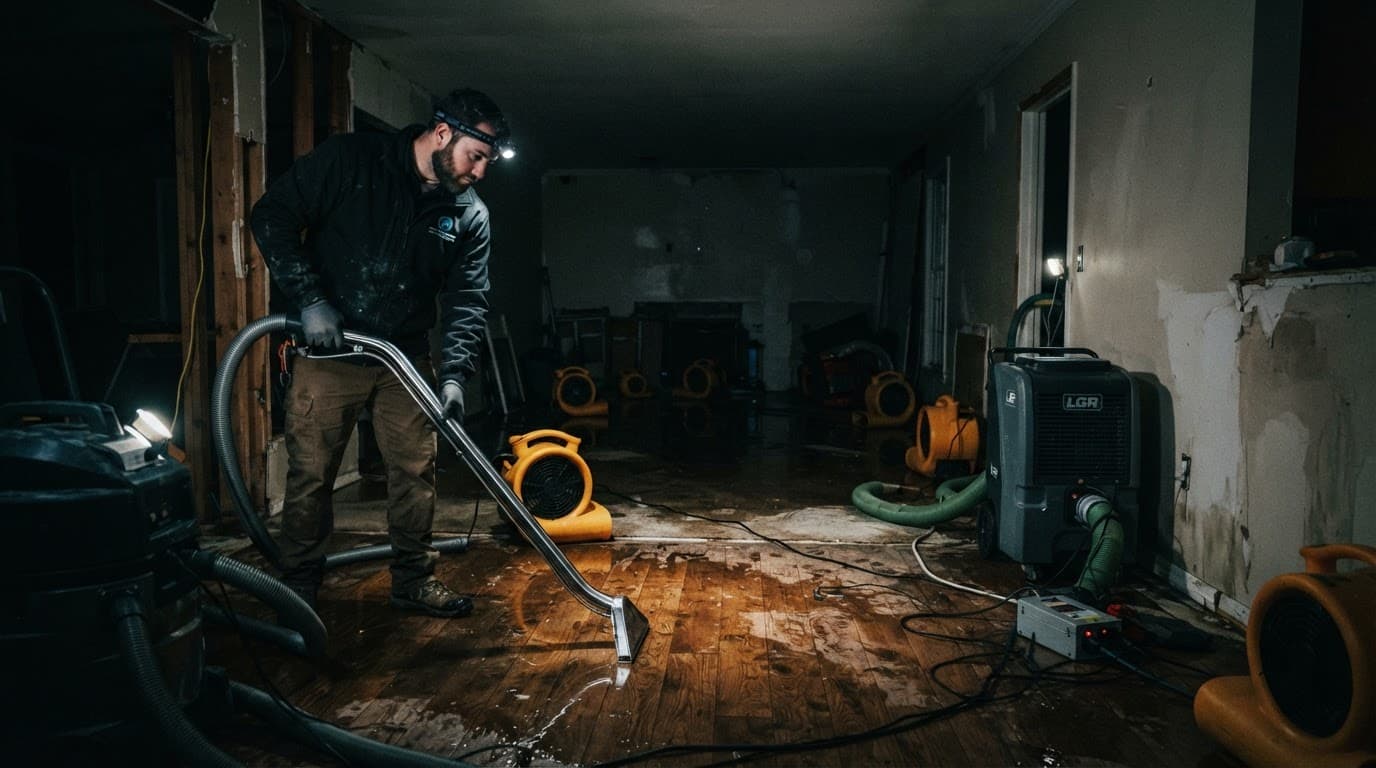
After removal, technicians clean and dry the wall cavity. Advanced structural drying technology utilizing air movers and dehumidifiers helps control moisture, while readings show whether framing and surrounding materials are drying. Thorough drying supports mold prevention and removal before the cavity reaches a stable, acceptable moisture condition.
Once drying and cleaning are complete, comprehensive water damage restoration and reconstruction may include insulation, drywall, trim, flooring, paint, or structural damage repairs. A plumber may still need to repair the toilet or drain before the restoration company rebuilds the affected area.
Documentation, Insurance, and Choosing a Cape Coral Company
Notify your insurance provider promptly if you may file a claim and need reliable insurance claims support. Coverage depends on the policy, deductible, cause of loss, exclusions, and endorsements. A sudden plumbing failure may receive different treatment from long-term seepage, corrosion, poor maintenance, storm surge, or rising floodwater. Water backup coverage may also depend on a separate endorsement.
Ask the carrier what it needs before discarding damaged contents or opening walls to ensure smooth insurance claims support. Save photographs, videos, receipts, estimates, invoices, moisture readings, drying logs, and written communications. Keep the claim number with every file.
When comparing restoration companies, request free estimates and a detailed line-item breakdown rather than one total price. Confirm that the scope addresses hidden moisture, contaminated materials, disposal, equipment days, cleaning, and reconstruction. Ask about licensing, insurance, technician training, references, and who will perform electrical or plumbing work, especially if you need to coordinate with local Cape Coral plumbers.
Services 321 is a Cape Coral-based, state-certified property repair and restoration company specializing in comprehensive property damage restoration. Its listed credentials include CRC1333503, MRSA2528, and MRSR2717, with 24/7 availability for water damage restoration, mold remediation, emergency flood cleanup, and water damage mitigation. Partnering with skilled Cape Coral plumbers and utilizing IICRC certified technicians for emergency plumbing services ensures that the job is handled correctly. A qualified local provider should explain the work clearly and give you records you can keep for your property and claim.
Frequently Asked Questions
Is toilet overflow water considered dangerous?
Yes, wastewater from a toilet bowl or a backed-up drain often contains harmful bacteria and pathogens. It is classified as contaminated water and requires careful handling, protective gear, and thorough sanitization to protect your health.
What should I do first when a toilet overflows?
Your immediate action should be to stop the water flow by turning the shutoff valve near the base of the toilet clockwise. If that valve fails, locate your home’s main water supply shutoff valve and turn it off.
Can I clean up a toilet overflow myself?
If the overflow involves clean supply water on a small tile surface and no electrical risks are present, careful homeowner cleanup is sometimes possible. However, if wastewater touches porous materials like drywall, carpet, or cabinetry, you should call a professional restoration company.
Why is professional equipment necessary for drying?
Standard fans and household equipment cannot remove moisture trapped underneath flooring, inside wall cavities, or within porous materials. Professional restoration teams use industrial extractors, air movers, and dehumidifiers alongside moisture meters to ensure complete structural drying.
Conclusion
A toilet overflow is easier to manage when you act in the right order: stop the water, protect people from electrical and contamination hazards, document the damage, and limit access to the affected area.
For clean, minor water on a safely isolated surface, careful homeowner cleanup may be possible. When wastewater reaches porous materials, hidden spaces, walls, flooring, or cabinets, professional toilet overflow cleanup in Cape Coral can reduce exposure and help identify damage that a surface cleaning would miss. Safety should guide every next step, especially when the water source is uncertain. Whether you are addressing residential water damage or coordinating with commercial plumbing services and leak detection services, a rapid emergency response remains essential to protect your property.
