
Water Damage Behind Baseboards in Florida Homes
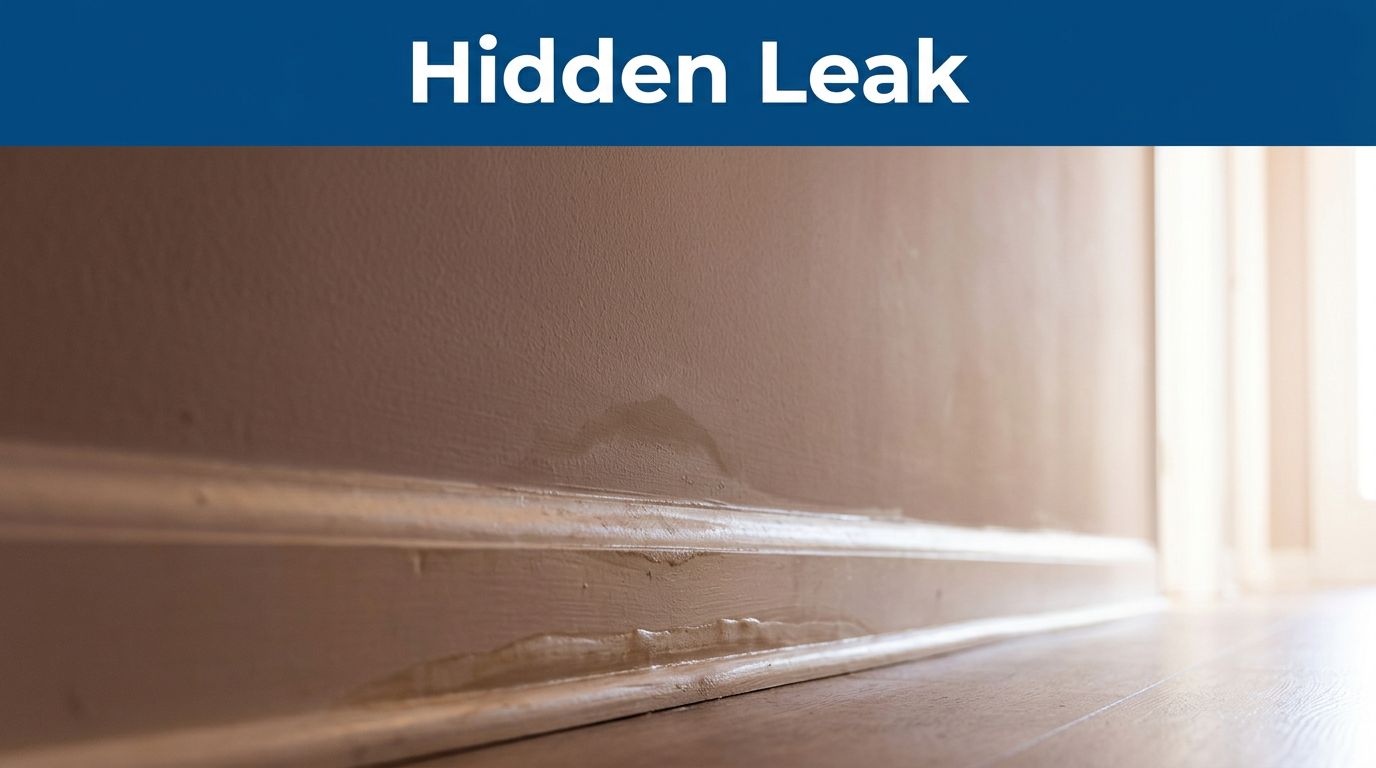
A stained baseboard can be more than a paint problem. In Florida homes, water damage baseboards often point to hidden moisture where the wall meets the floor.
High humidity, heavy rain, and nonstop AC use can keep damp areas wet longer than you expect. Catching it early makes drying easier and limits mold, rot, and drywall damage.
How water gets behind baseboards in Florida
Baseboards sit at the lowest edge of the wall, so they collect trouble fast. Water slips behind them from sink leaks, toilet seal failures, shower splash-out, appliance lines, and laundry room spills.
Florida homes also face easy-to-miss sources. Slab leaks can feed moisture from below. HVAC drain clogs and air-handler pan overflows can wet nearby walls. During storms, wind-driven rain can push water past doors, windows, and small exterior cracks.
After a hurricane or street flooding, even shallow water can wick into trim and lower drywall. Meanwhile, indoor humidity slows drying, so the baseboard may stay damp after the floor looks normal. A trade-focused baseboard water damage guide explains how fast trim and wall materials can trap moisture.
MDF baseboards are common and affordable, but they swell fast. Solid wood lasts longer, yet it can still stain and hold odor if water sits behind it.
Signs hidden moisture is sitting behind the trim
Visible damage often starts small. You might notice peeling paint, cracked caulk, swollen corners, rusty nail spots, or a baseboard that no longer sits flat.
The floor nearby can help too. Dark grout, lifted laminate edges, damp carpet tack strips, and a musty smell near one wall all suggest trapped moisture. These hidden warning signs match what many Florida owners find in humid rooms.
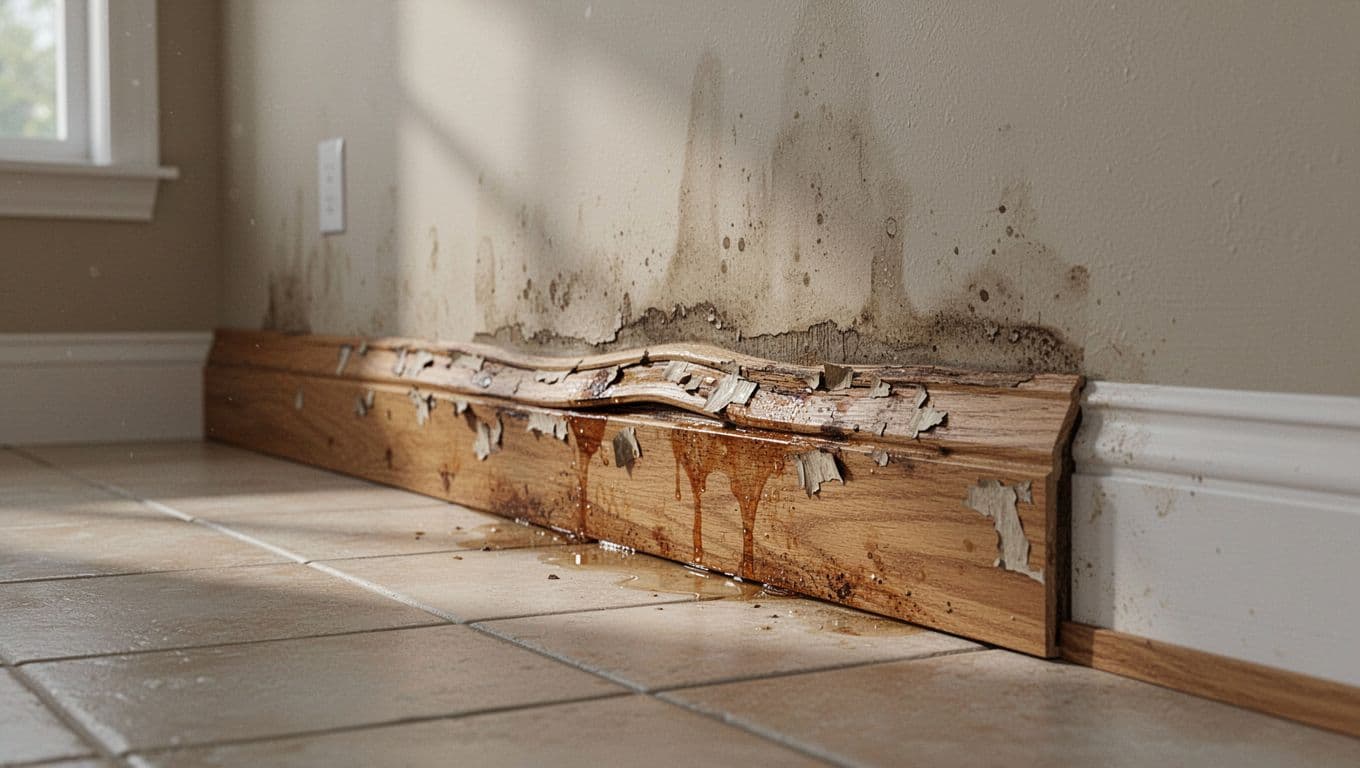
Not every stain means an active leak. Still, if the area feels cool, soft, or damp after a day or two of dry weather, treat it as current until you prove otherwise.
Ignoring it can lead to mold on drywall paper, loose flooring edges, and odors that are hard to remove. People with asthma or allergies may notice symptoms sooner.
What to do first, and how to inspect safely
Start with the source. If water is still entering the room, stop it before you pull on anything. Shut off the supply line, clear the AC drain issue, or block more rain.
If an outlet, extension cord, or appliance is near the wet area, cut power to that part of the home before opening the wall.
For a small, clean-water problem, inspect in this order:
- Take photos of the damage and the suspected source, especially if insurance may apply.
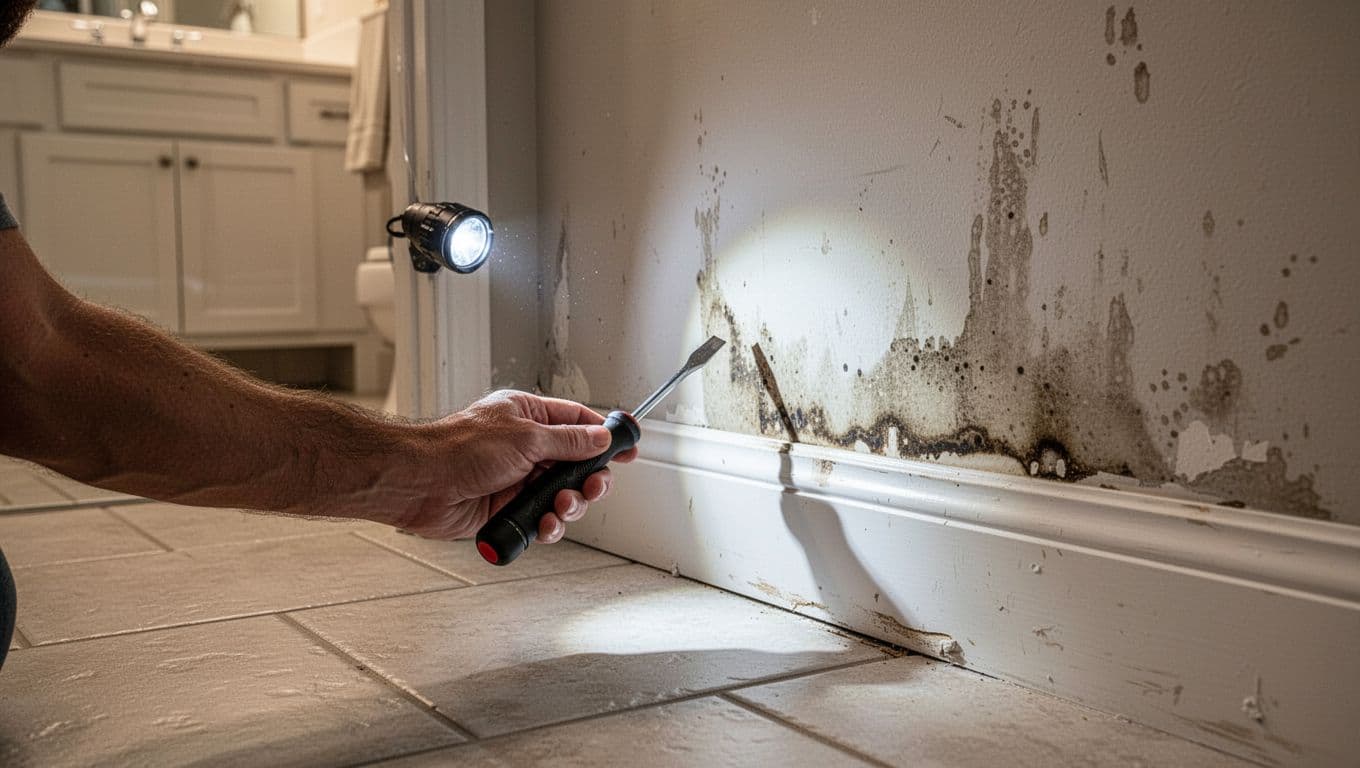
- Put on gloves, eye protection, and an N95 if you smell mold or see spotting.
- Remove furniture and rugs, then dry the floor.
- Loosen a short section of baseboard with a putty knife or flat bar.
- Check the drywall, back of the trim, and flooring edge for dampness, staining, or softness.
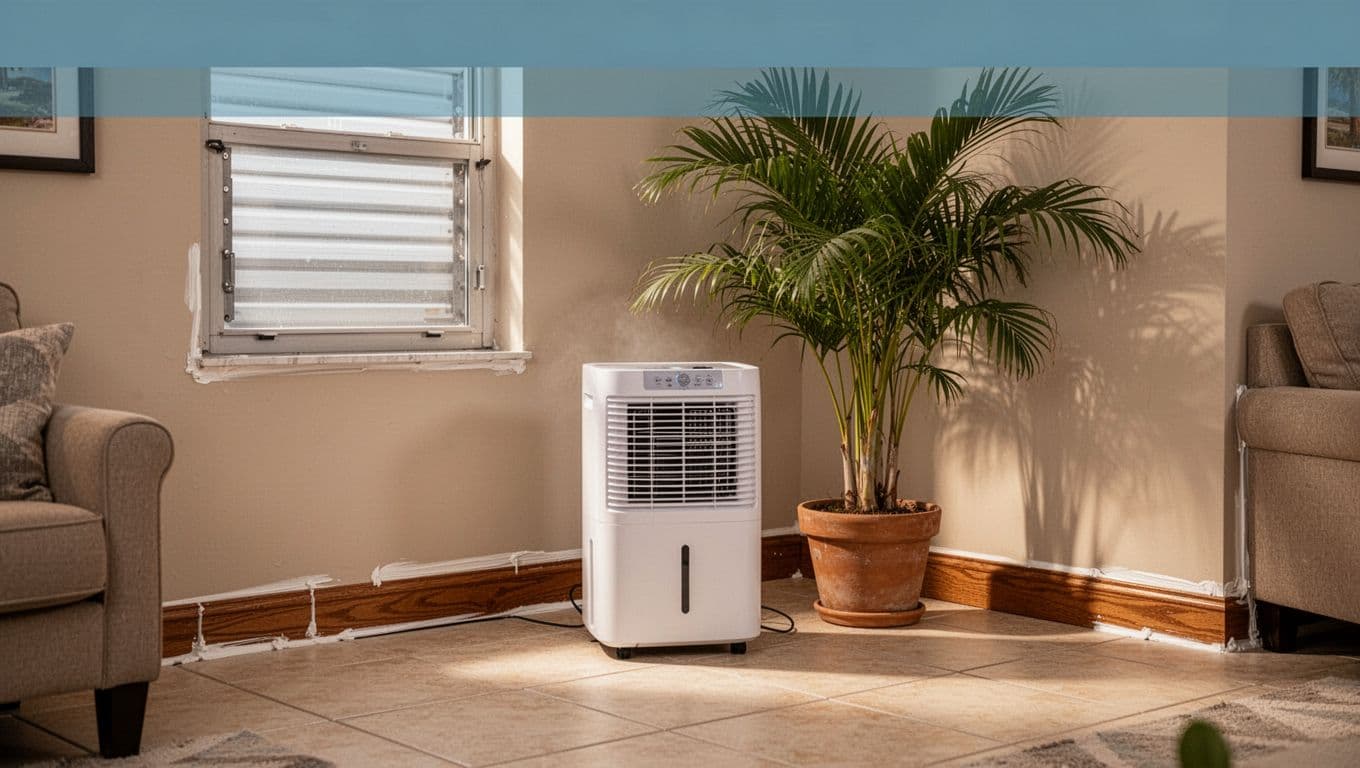
- Run fans and a dehumidifier, and keep air moving across the area.
If mold covers more than a small patch, stop disturbing it and get help.
Avoid blasting air straight into a closed wall cavity, because that can push moisture deeper. Also, don’t dry over floodwater, sewage backup, or storm surge. That water is unsafe, and porous materials usually need removal.
Call a professional if the leak source is unknown, the drywall is soft, multiple rooms are wet, or mold looks widespread. Many symptoms in these baseboard damage examples are the same ones inspectors and buyers flag.
When drying is enough, and when replacement makes more sense
Some materials recover well. Solid wood trim with light exposure can sometimes dry, be cleaned, and go back in place. If it stays straight and the wall behind it dries fully, replacement may not be needed.
MDF is less forgiving. Once it swells or crumbles at the bottom edge, replacement is usually the better call.
Once surfaces are dry, clean non-porous areas before priming or repainting. If drywall paper bubbles, flakes, or feels soft, cut-out and replacement are more realistic. Floodwater and long-term slab leaks often push the repair beyond trim alone.
Florida prevention that actually helps
Prevention starts with moisture control. Keep indoor humidity below 60 percent when possible, especially in summer and after storms. Check AC drain lines and pans, recaulk tubs and showers, and watch doors and windows for failed seals.
After heavy rain, walk the perimeter and check baseboards on exterior walls, closets, and garage-adjacent rooms. Also look under sinks and around water heaters before a small leak spreads behind trim. On tile floors, avoid pushing mop water against baseboards and letting it sit there.
For property managers and real estate pros, repeat stains in the same room usually mean the source was never fixed. Note that pattern before repainting or listing the home.
A small stain is worth your attention
Water behind baseboards rarely stays a trim problem for long in Florida. When you find it early, stop the source, inspect safely, and dry the area fast.
That simple response often saves more than the baseboard itself. It protects the wall, the air quality, and the next repair bill.
