
Toilet Base Leak Signs in Cape Coral Bathrooms
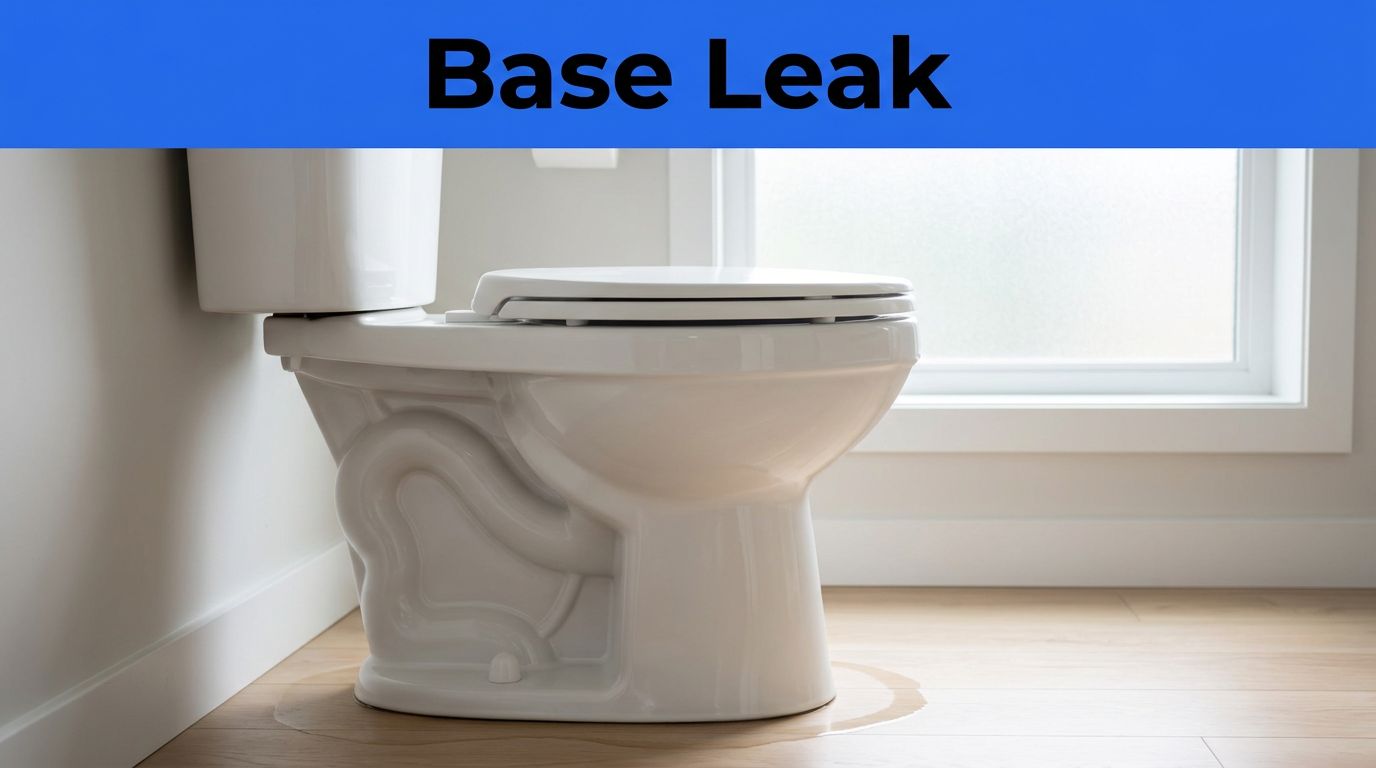
A damp ring around the toilet, a sign of a toilet leaking at base, is easy to shrug off in Cape Coral. Bathrooms stay humid for much of the year, so such moisture doesn’t always look serious.
Still, a real toilet base leak can damage flooring long before the problem looks dramatic. The trick is knowing which signs keep coming back, and which ones point to a broken seal instead of normal condensation.
Key Takeaways
- Recurring water around the toilet base after flushing, soft or stained flooring, sewer odors, or a wobbly toilet signal a toilet base leak—not just Cape Coral humidity or condensation.
- The most common cause is a failed wax ring seal, often worsened by loose mounting bolts, cracked porcelain, or flange issues.
- Test for true leaks by drying the area, placing paper towels around the base, and flushing once; moisture returning at the base means action is needed.
- Stop using the toilet if leaking from the bottom or smelly, shut off water, and call a pro to avoid hidden floor damage, mold, and costly repairs.
Early toilet base leak signs you shouldn’t ignore
The clearest warning is water around the bottom of the toilet, leaking from the bottom, after you flush the toilet. If you wipe it up and it returns, the toilet deserves a closer look. Recurring moisture matters more than one wet spot after mopping or a steamy shower, and a failed wax ring might be the culprit even in the early stages.
Pay attention to how the floor feels. Soft vinyl, loose tile, dark grout lines, or baseboard staining often mean water has been getting under the surface. In rental homes, tenants may notice a musty smell first, while property managers spot the floor damage later.
Odor is another clue. When the seal at the base fails, sewer gases can slip out near the floor, creating a sewer smell. That smell doesn’t come and go like normal bathroom dampness. It tends to linger around the toilet.
Your toilet should not be wobbly. Even a slight wobble can break the seal more with every use.
If the toilet moves when you sit down, stop using it until the base is checked.
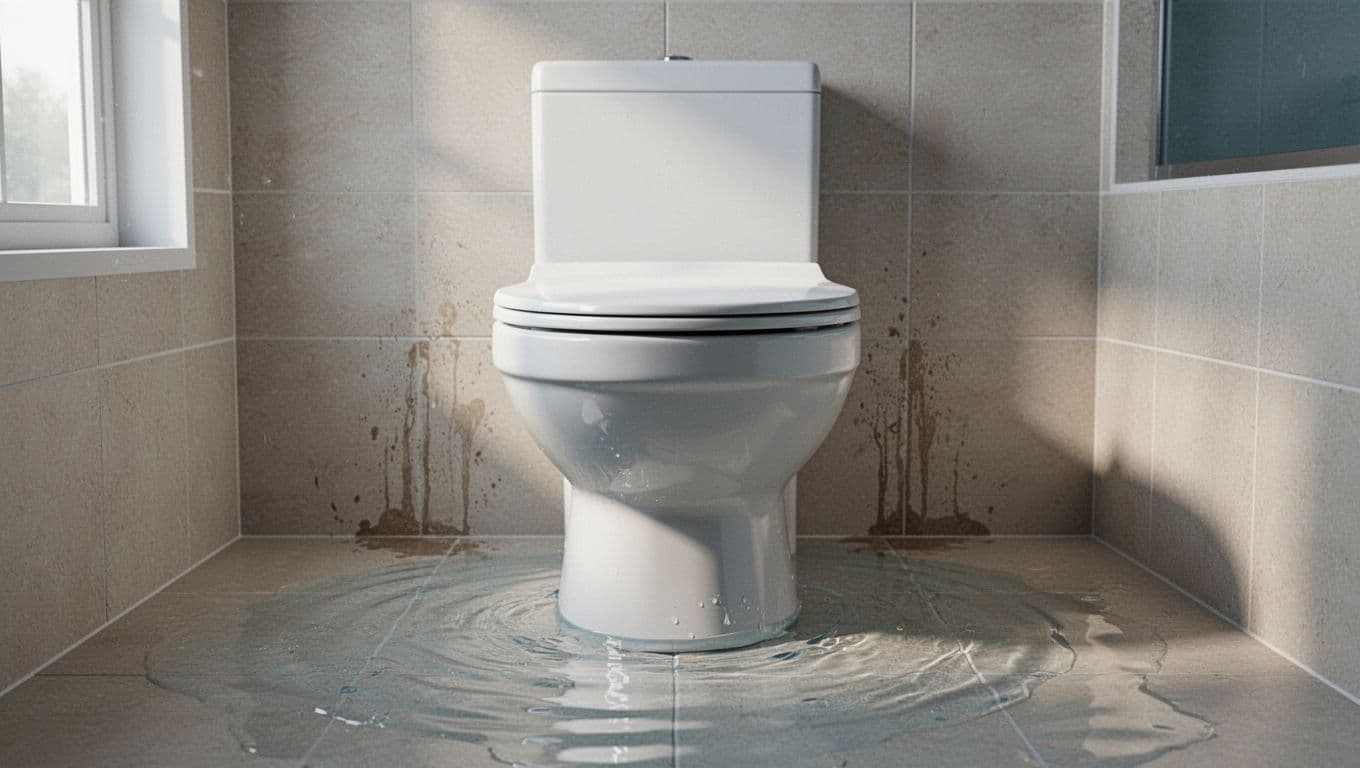
This quick guide helps sort common signs from likely causes.
| Sign you notice | What it may point to | How fast to act |
|---|---|---|
| Water around the base after flushing | Seal or flange problem | Soon |
| Soft or stained flooring | Ongoing hidden leak | Promptly |
| Sewer smell near the toilet | Compromised seal | Promptly |
| Toilet rocks or shifts | Loose bolts or broken support | Promptly |
| Moisture only on hot, humid days | Possible condensation | Monitor closely |
The pattern matters most. A one-time damp spot may be harmless. Moisture that returns, spreads on the bathroom floor, smells bad, or comes with movement usually is not.
Why Cape Coral humidity can make leaks harder to spot
Cape Coral weather can blur the picture. On hot days, cold water inside the toilet tank and bowl can cause condensation, often called toilet sweating. That water may drip down the porcelain and collect near the base, which makes a leak easy to misread.
Because of that, start with a simple check. Dry the toilet, the bathroom floor, and the water supply line completely. Then place a few paper towels around the base and on the bathroom floor, and flush once. If the towels near the toilet tank or water supply line get wet first, you may be dealing with moisture from sweating or a connection issue instead of a base leak.
Caulk can confuse things, too. Missing caulk lets splash water and mop water sneak under the toilet. Full caulk all the way around can hide a slow leak until the floor softens. Many professional plumbers leave a small gap at the front so water has a place to show up.
Local professional plumbers often see common toilet problems in Cape Coral tied to humidity, hard water, and aging parts. That local mix is why repeated moisture deserves a closer look, even when the bathroom seems merely damp.
What usually causes water at the toilet base
The most common cause of a toilet leaking at base is a failed wax ring. That wax ring, or wax seal, creates a watertight connection between the toilet and the drain line below. When the wax ring dries out, compresses, or gets disturbed, the wax seal fails and water escapes each time you flush the toilet.
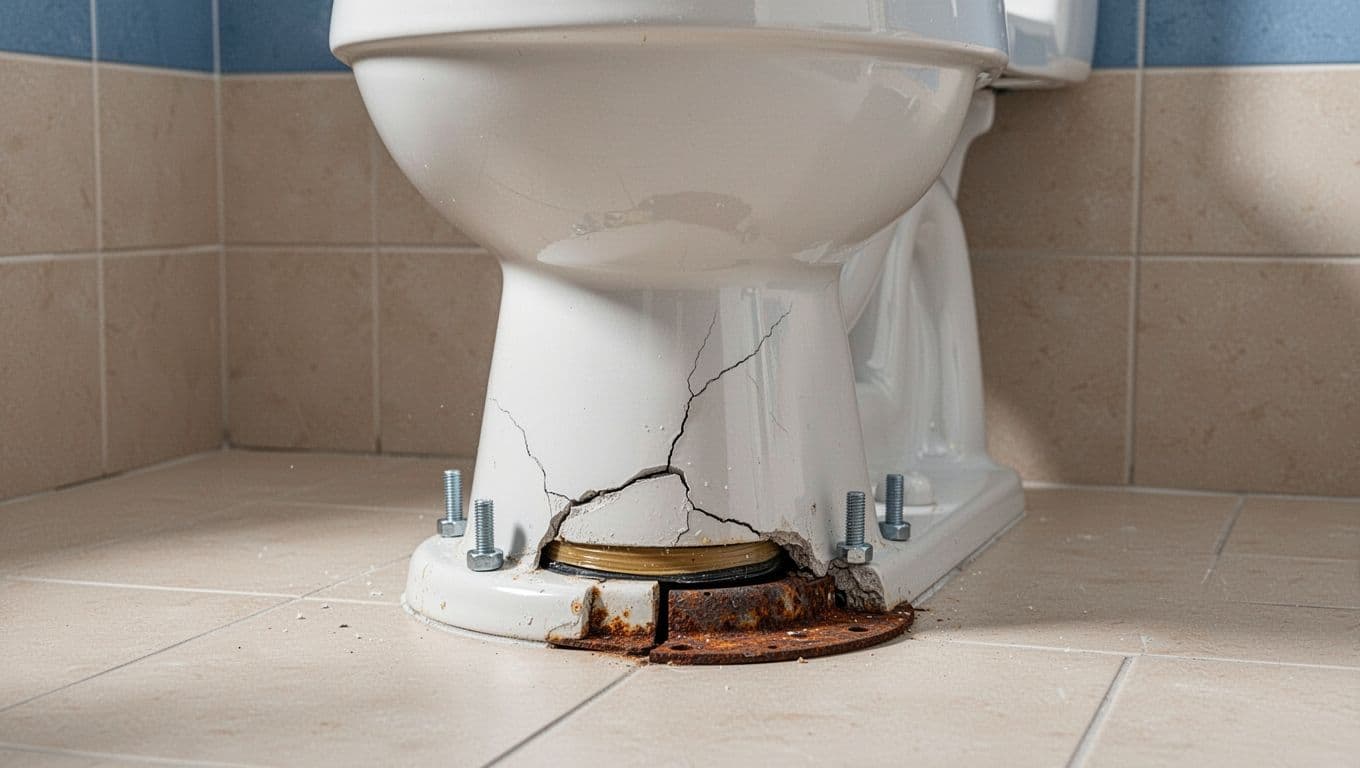
Loose mounting bolts are another frequent cause. These mounting bolts, also called closet bolts, hold the toilet tight to the floor. If the closet bolts back off or the toilet shifts, the wax ring seal can break. A cracked porcelain base can also leak, although that is less common and often easy to miss if the crack is hairline.
Toilet flange trouble is a bigger repair. The toilet flange is the fitting under the toilet that connects it to the drain pipe and anchors it to the floor. If the toilet flange rusts, breaks, or sits too low after flooring work, the wax ring may never seal well.
Caulk does not cause the leak by itself, but the wrong caulk pattern can hide it or make the source hard to trace. In other words, the water you see may be only part of the story. A broader South Florida guide on base leaks points to the same risk: a small seal failure can keep feeding moisture into the floor.
What to do right away, and when to call a pro
Start with safety and limit the damage. If water appears every time you flush the toilet, leaking from the bottom of the porcelain base, or if you smell sewer gas or sewer smell from sewer gases, stop using that toilet for now. When the seal may be compromised, more use often makes the leak worse.
- Dry the area and confirm where the moisture returns, such as around the drain line.
- Shut off the shutoff valve to the water supply line if water keeps appearing or the leak is active.
- Avoid trying to tighten the bolts aggressively, because overtightening can crack the porcelain.
- Call a professional plumber for inspection if the toilet rocks, the floor feels soft, or odor is present.
A careful homeowner may tighten the bolts a small amount on a visibly loose closet bolt, but that is where simple DIY usually ends. Pulling the toilet for wax ring replacement, installing a waxless seal, or repairing a flange (using a putty knife to clear old debris) is safer when done by a professional plumber for expert plumbing repair. That is even more true if the subfloor has softened from water damage, because hidden issues like mold and mildew may need repair before the toilet can seal properly again.
For landlords and property managers, quick response matters. A tenant may only report “water near the toilet,” yet the real issue could be under the flooring or in the subfloor. Early inspection by a professional plumber for plumbing repair usually costs less than replacing damaged subfloor, trim, and finished surfaces later, along with addressing mold and mildew growth and extensive water damage.
Frequently Asked Questions
How do I distinguish a toilet base leak from condensation in Cape Coral?
Cape Coral humidity causes toilet sweating, where cold tank water drips down the porcelain. Dry the base and floor completely, place paper towels around it and the supply line, then flush once—if towels at the base get wet repeatedly, it’s a leak, not sweating.
What causes most toilet base leaks?
A failed wax ring is the top cause, as it seals the toilet to the drain; it dries out, compresses, or shifts from toilet movement. Loose closet bolts, cracked porcelain bases, or damaged flanges also break the seal, letting water escape with each flush.
Should I attempt DIY fixes for a leaking toilet base?
Gently tighten obviously loose bolts if safe, but stop there—removing the toilet for wax ring replacement or flange repair requires pro tools and skill to avoid cracking porcelain or worsening subfloor damage. Overtightening bolts can crack the base, so call a plumber promptly.
When is it time to call a professional plumber?
Call right away for recurring moisture after drying tests, soft/stained floors, sewer smells, or toilet wobble, as these point to seal failure and hidden water damage. Early inspection prevents mold, subfloor rot, and expensive repairs in humid Cape Coral bathrooms.
Does caulk affect toilet base leaks?
Caulk doesn’t cause leaks but can hide them—full caulk traps water under the toilet until floor softens, while missing caulk lets splash water mimic leaks. Pros often leave a small front gap to spot real issues early.
A small ring of water deserves attention
In Cape Coral, humidity can fool you for a while. Still, recurring moisture, staining, odor, or wobbling usually means the toilet needs more than a towel on the floor.
The safest move is to trust the pattern, not the size of the puddle. Catching a toilet base leak early, especially when leaking from the bottom, can keep a small bathroom repair from turning into water damage and extensive cleanup.
